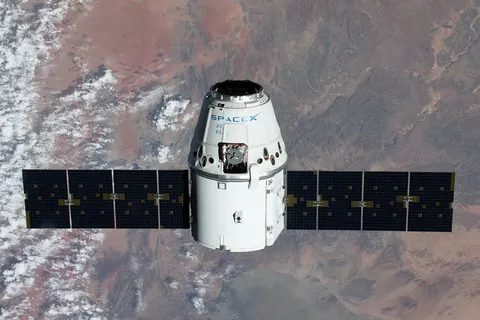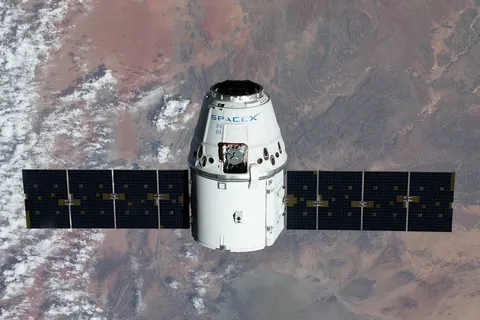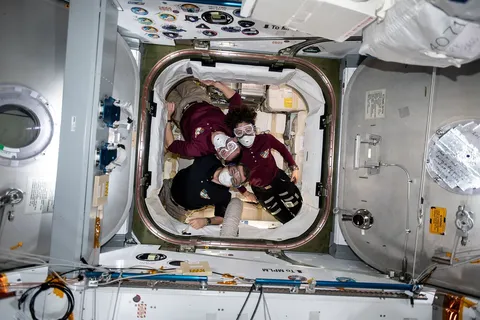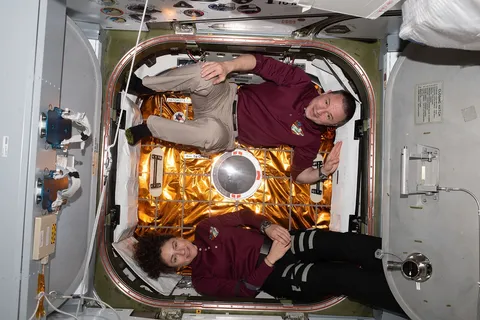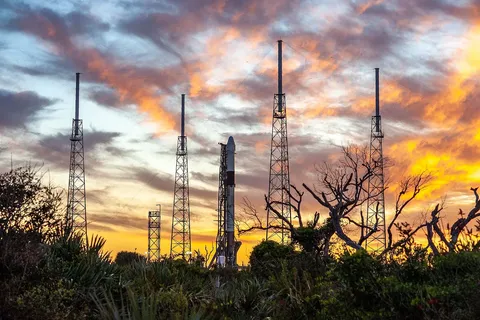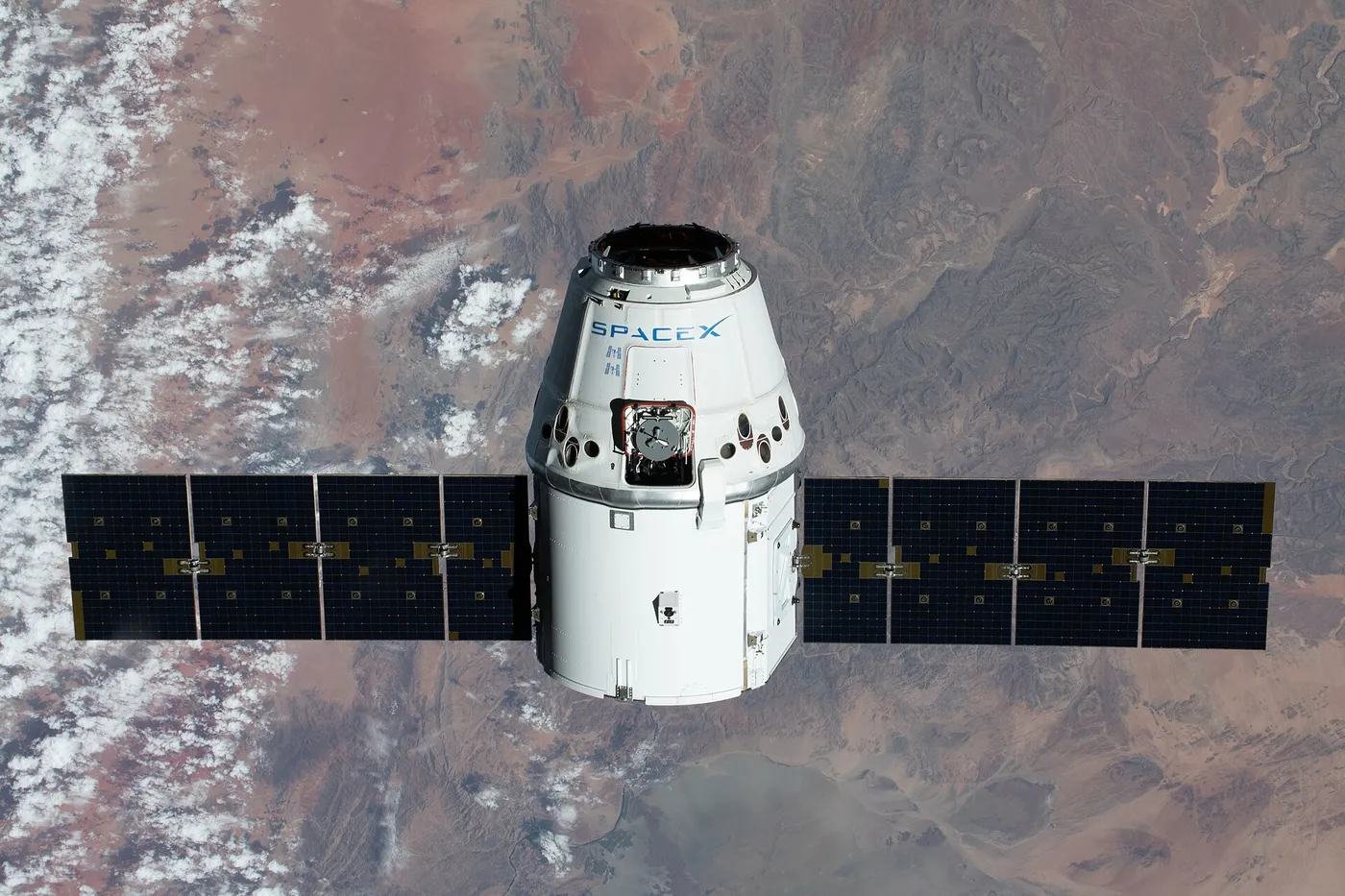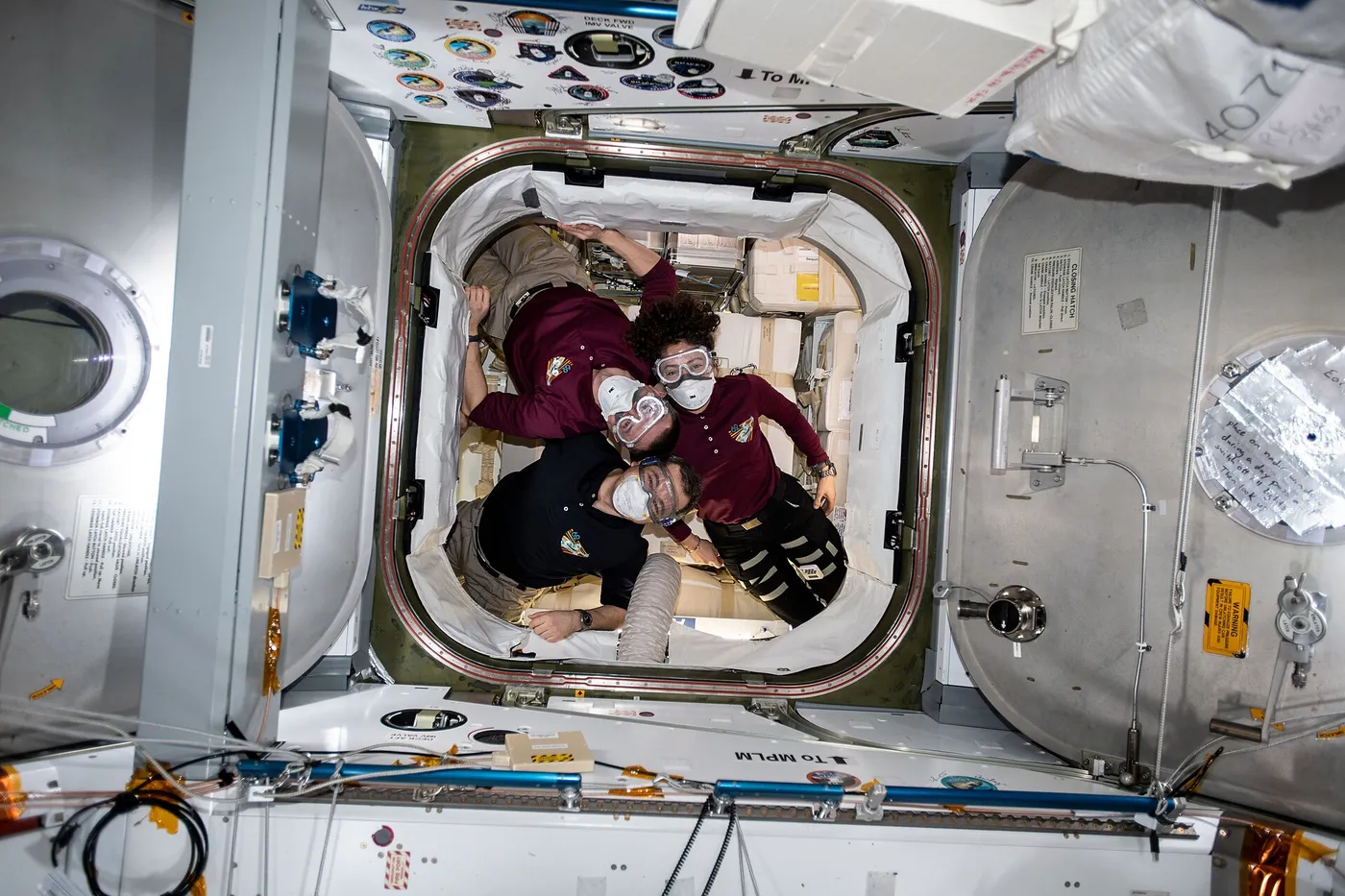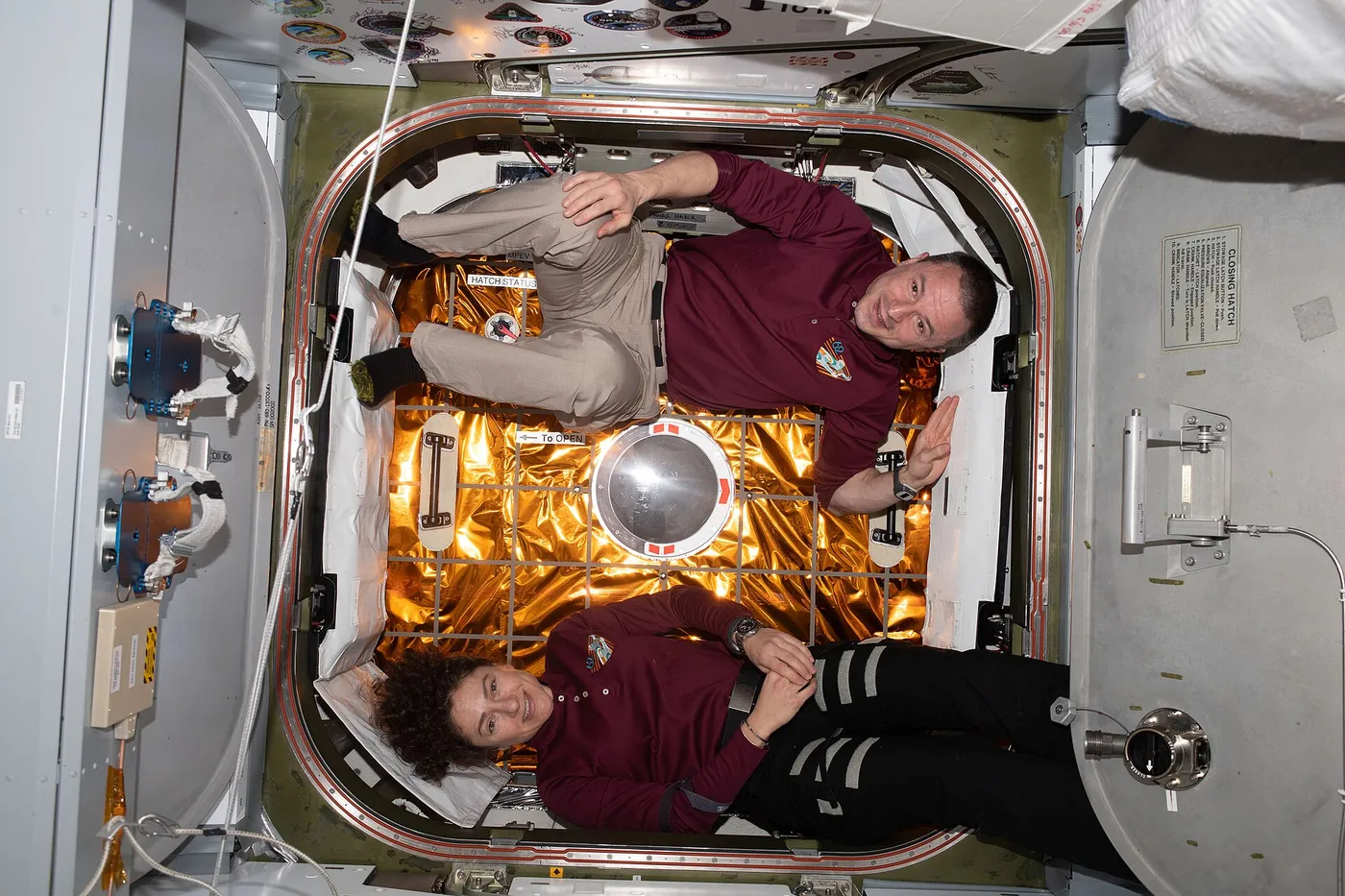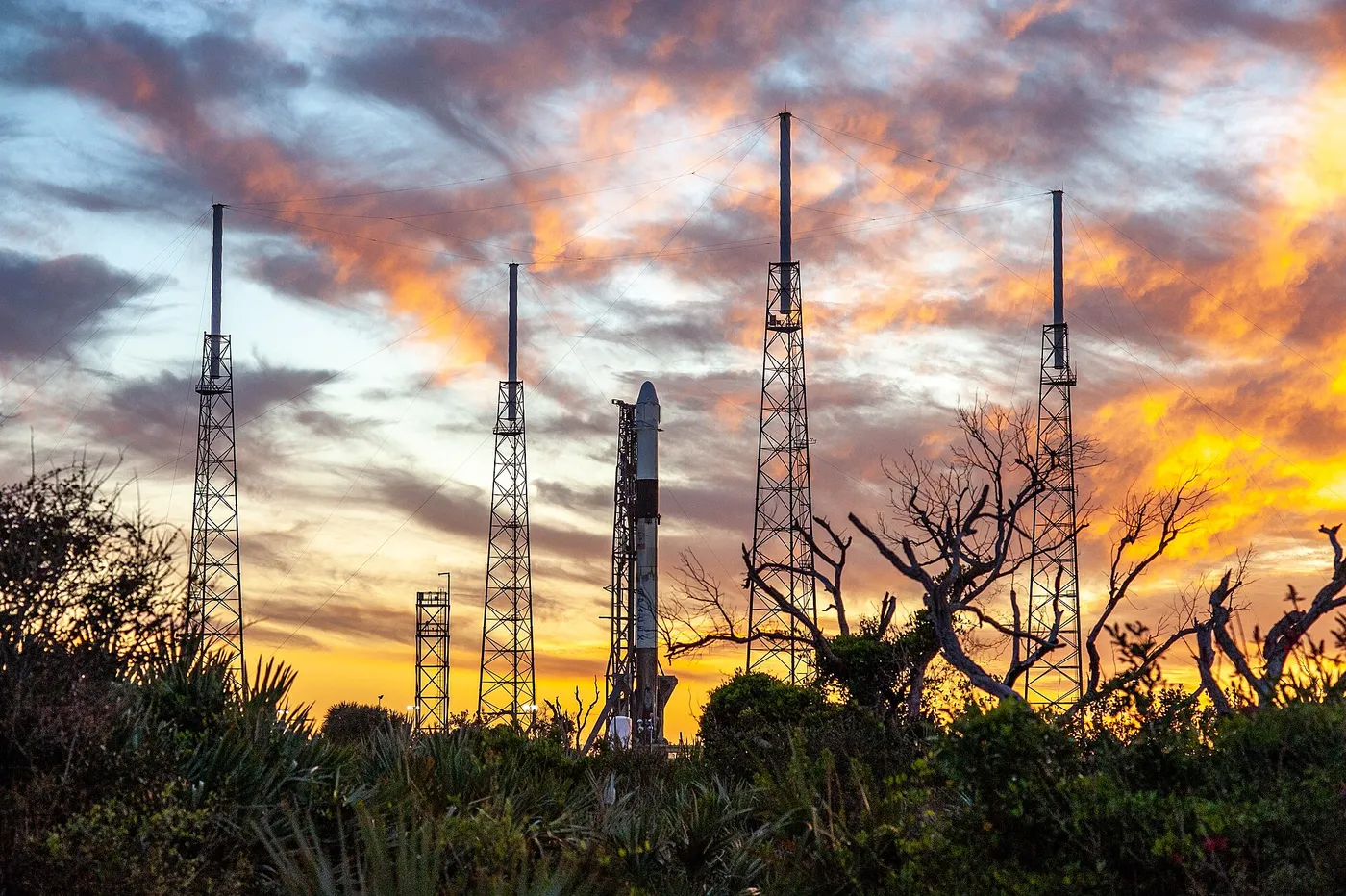
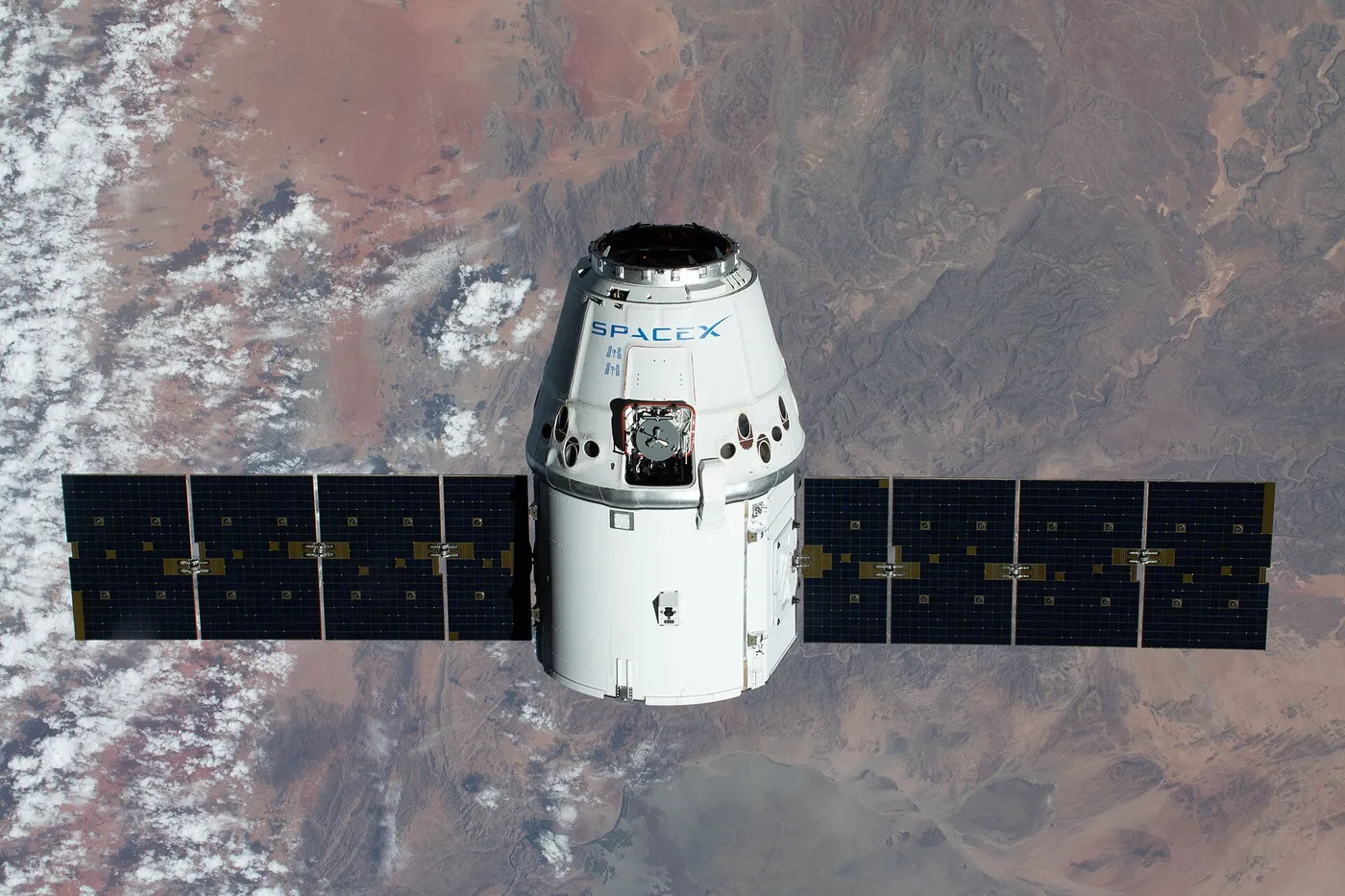

This was the last flight of a newly built Dragon 1. From here the cargo fleet operated entirely on refurbished capsules, each flying two or three missions, until the design was replaced by a version derived from the crew vehicle.
The primary science payload was a cosmic ray detector mounted outside the station, built to measure the composition and energy spectrum of particles arriving from the galaxy at energies where balloon experiments run out of exposure time.
Its position on the station gave it years of continuous observation, and it substantially extended measurements of the energy at which the cosmic ray spectrum changes slope — a feature that constrains where and how the particles are accelerated.
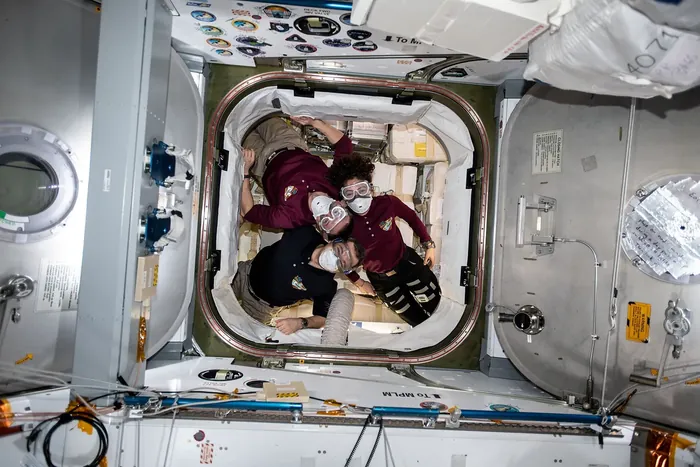
The flight also carried supplies, biological experiments and a study of how spaceflight affects the immune system, and returned around 1,700 kilograms.
The first stage landed at the Cape. By late 2017 booster recovery had become expected rather than newsworthy, and attention had shifted to how many times a single stage could fly.