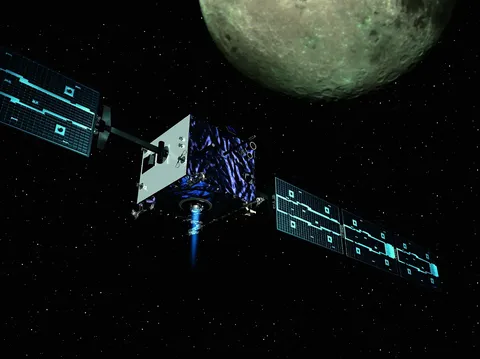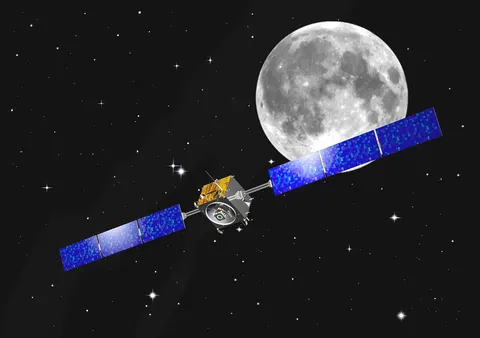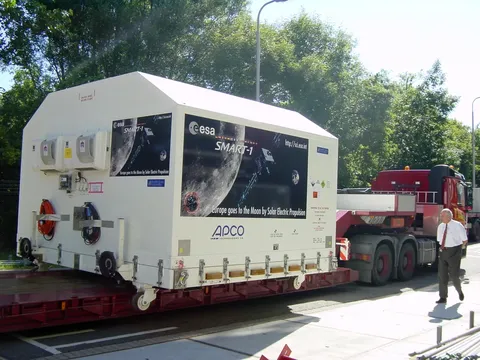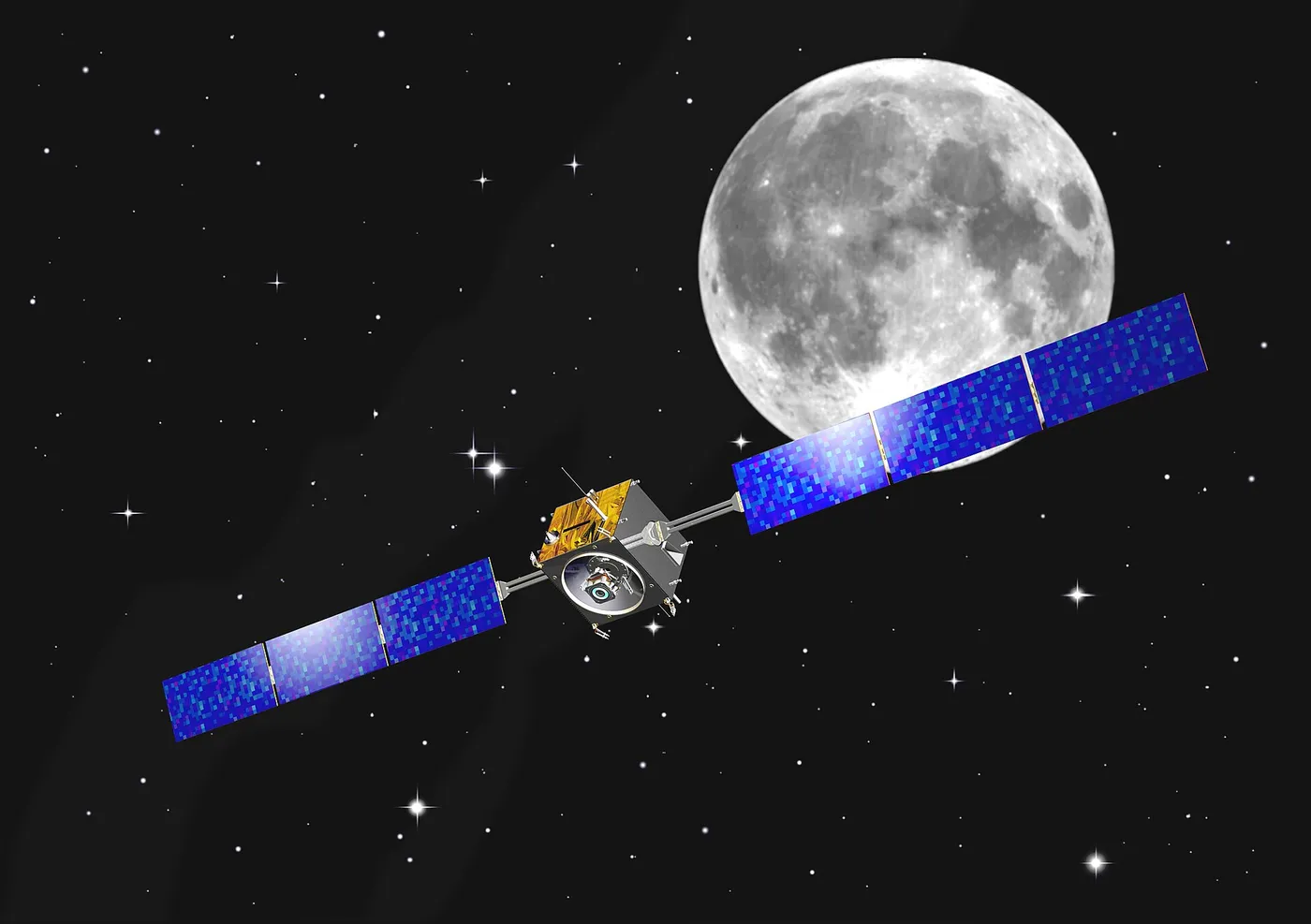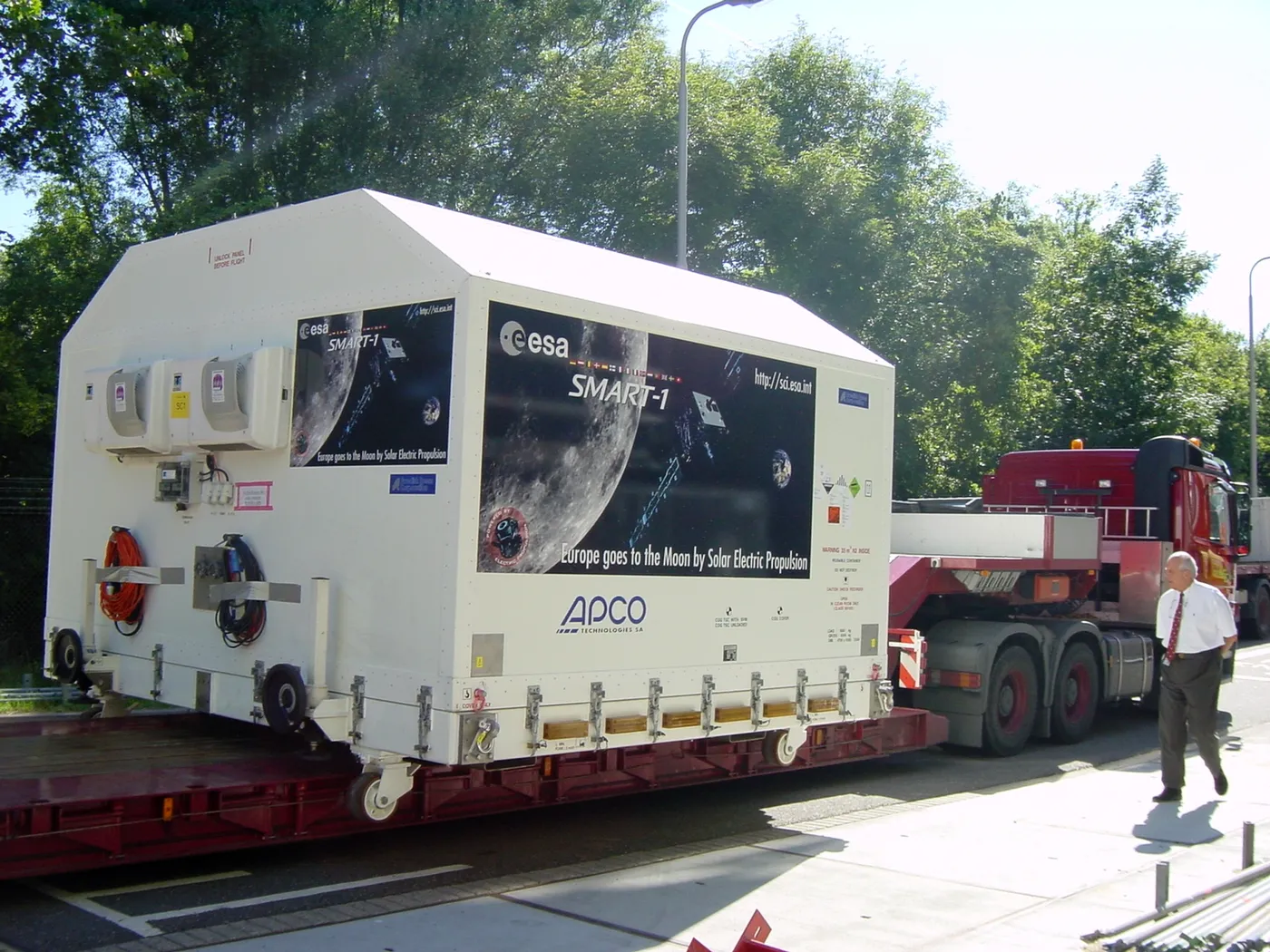
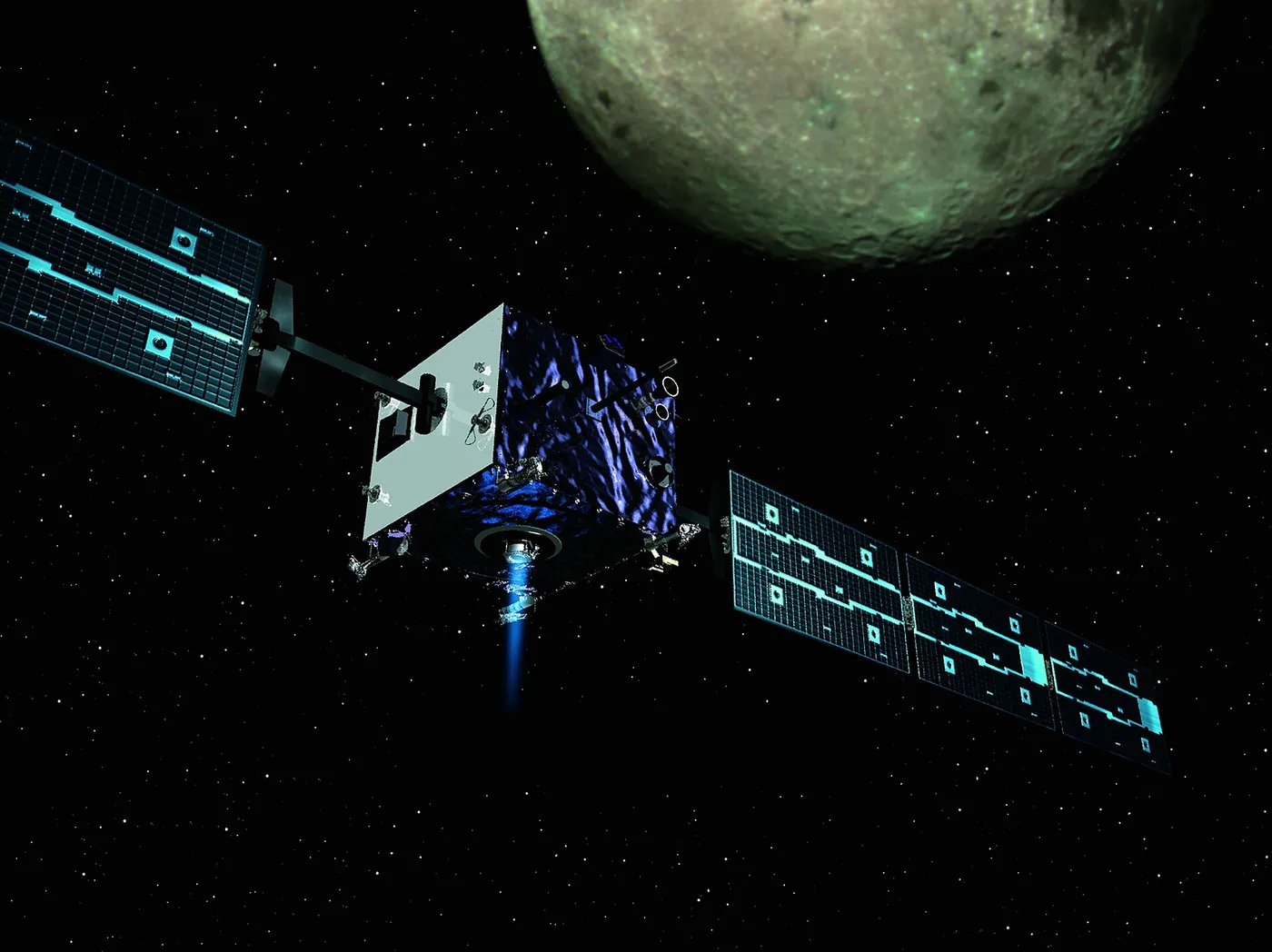

SMART-1 was Europe's first mission to the Moon, and it took fourteen months to get there. That was the point: the spacecraft was a technology demonstration for solar-electric propulsion, and its ion engine produced roughly the thrust of a postcard resting on your palm, spiralling outward from Earth orbit in a slowly widening coil.
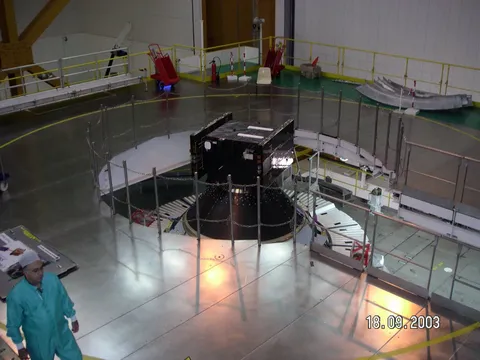
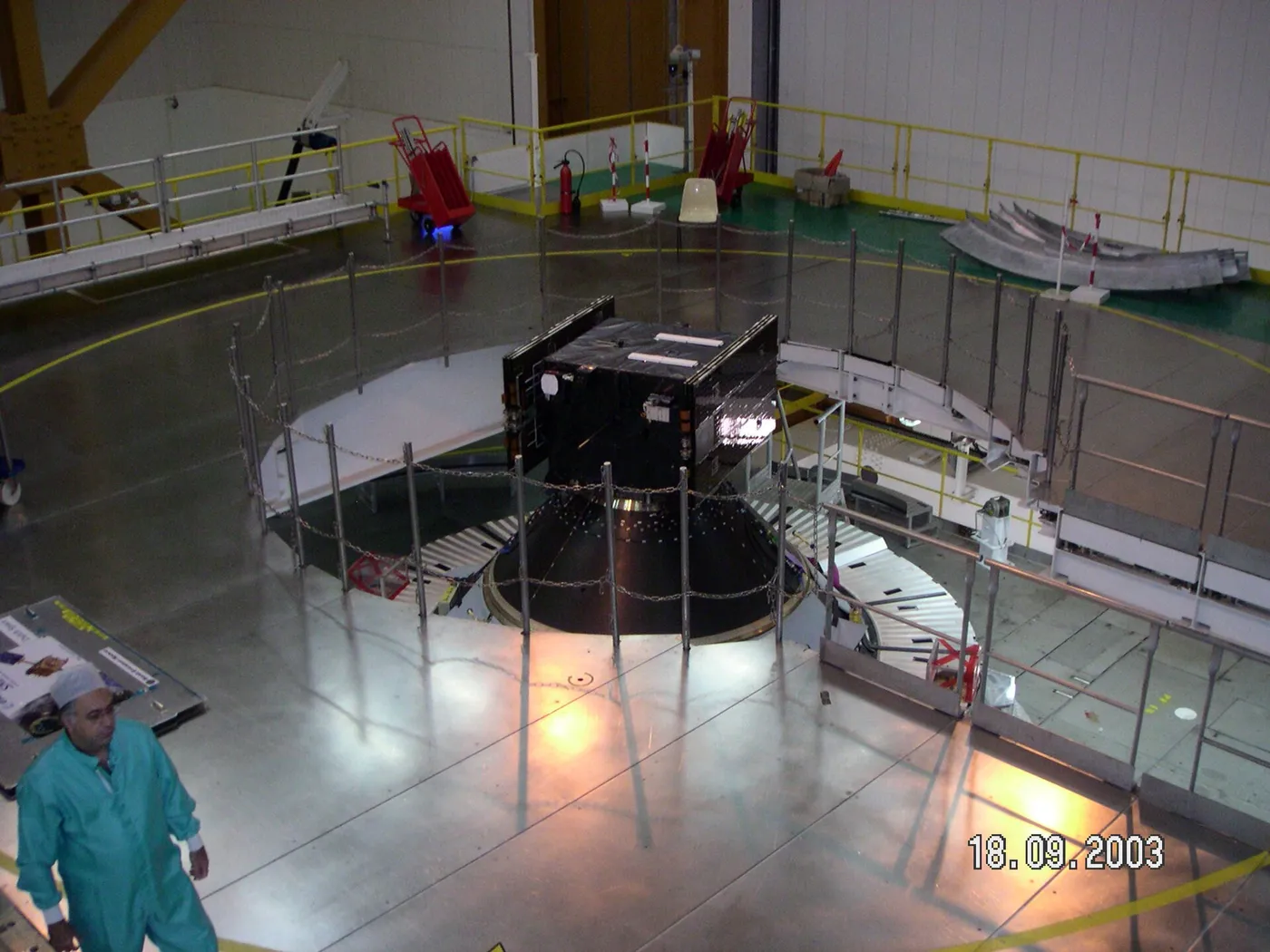
The economics were the argument. The whole spacecraft weighed 367 kilograms and carried under 82 kilograms of xenon, and it reached the Moon on a fraction of the propellant a conventional mission would have needed. It was launched as a secondary payload, sharing a rocket with two communications satellites — a lunar mission flown on the space equivalent of standby.
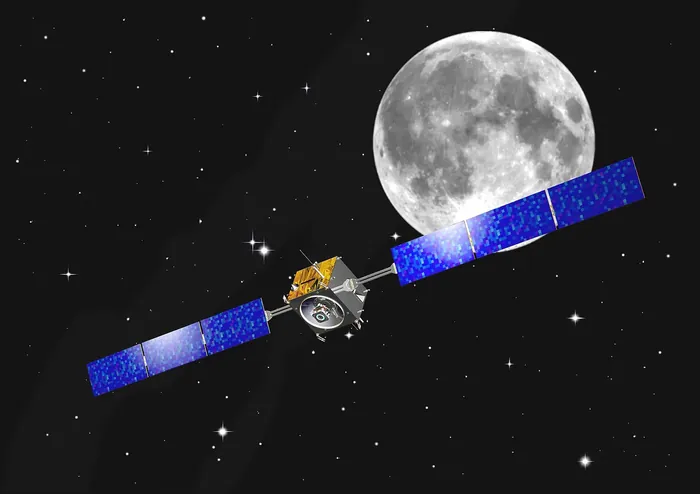
Once in lunar orbit it worked as a real science mission, mapping surface chemistry with an X-ray spectrometer, surveying the permanently shadowed polar craters, and testing a miniaturised deep-space communications technique. It also trialled autonomous navigation and a laser-link experiment for future missions.
The propulsion legacy is the substantial one. The engine and its operating experience fed directly into BepiColombo's journey to Mercury and into the broader European adoption of electric propulsion, which is now standard on commercial communications satellites — a considerable industrial return from a small science mission.
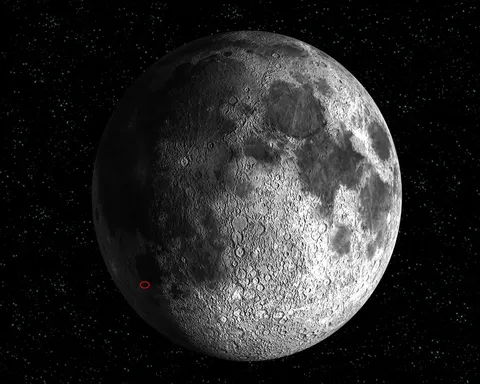
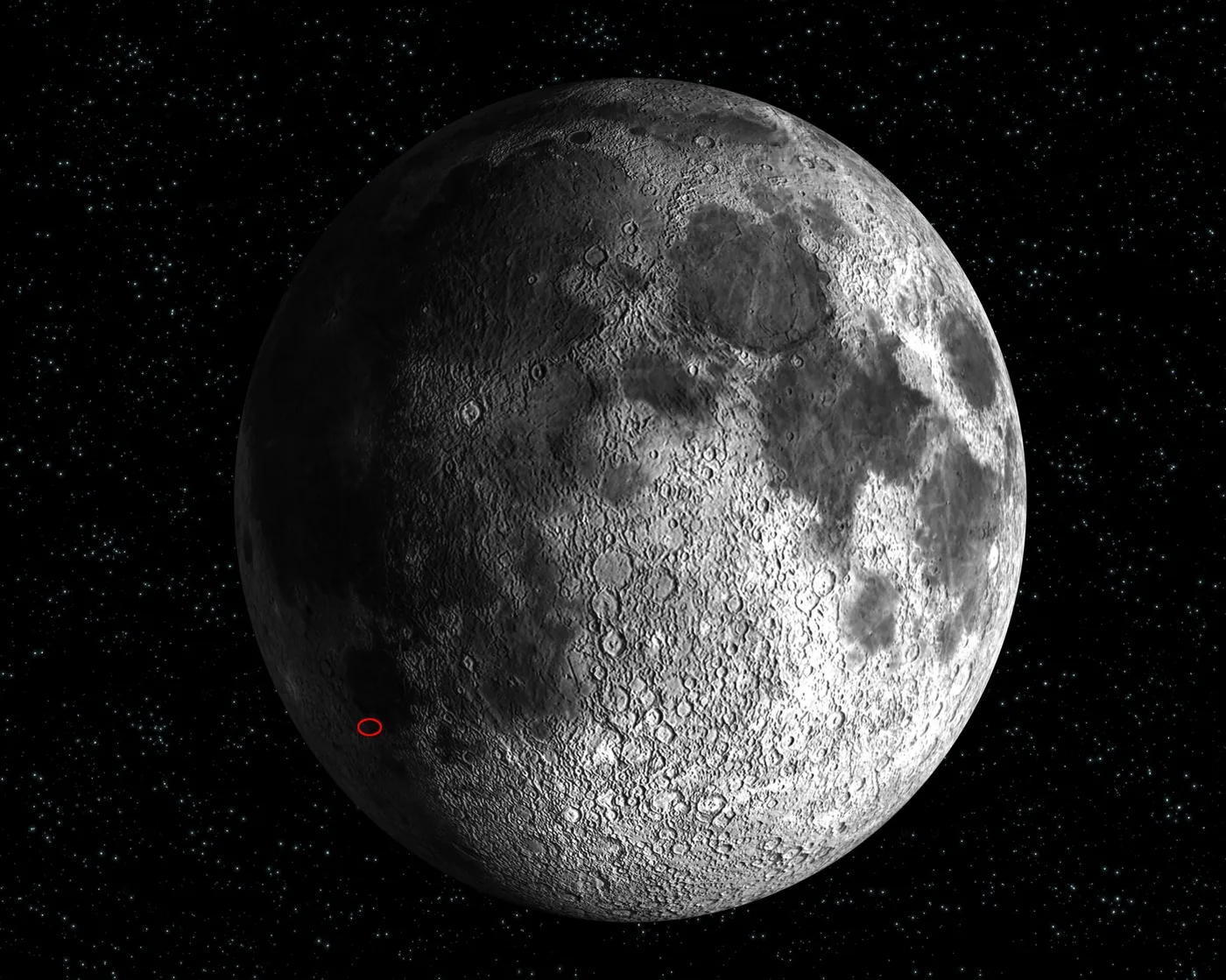
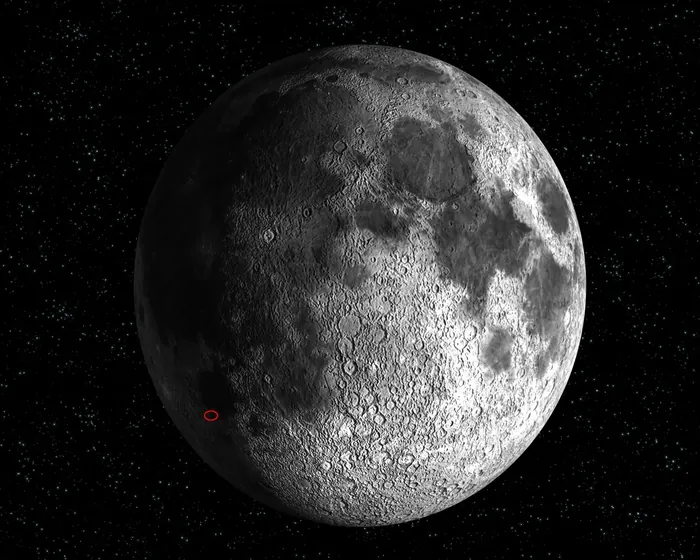
It ended deliberately in September 2006, steered into the Lake of Excellence at a shallow angle so that telescopes on Earth could observe the impact flash and the plume of excavated material. The impact was successfully recorded from several observatories, providing a final piece of data from a spacecraft whose entire journey had been an experiment in patience.