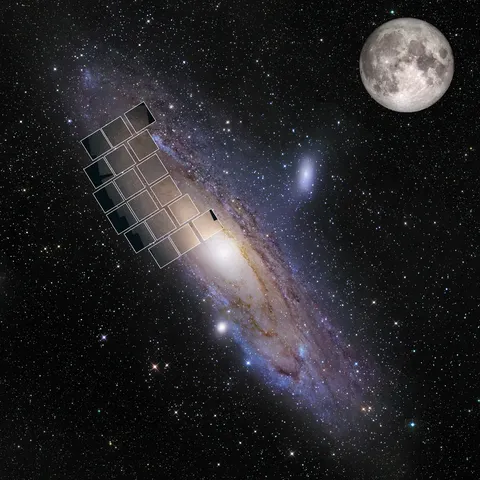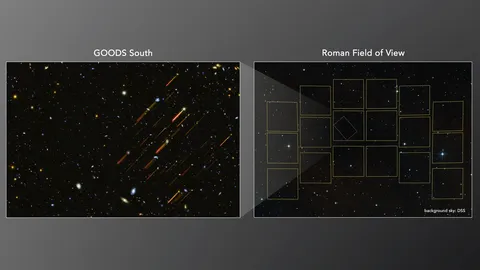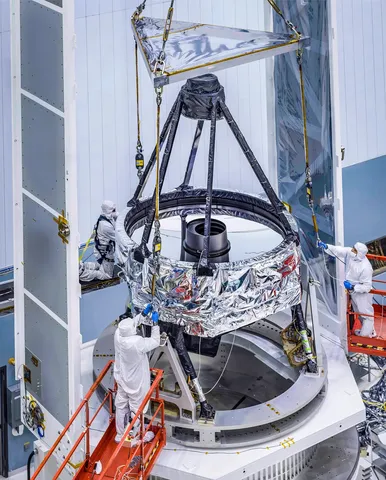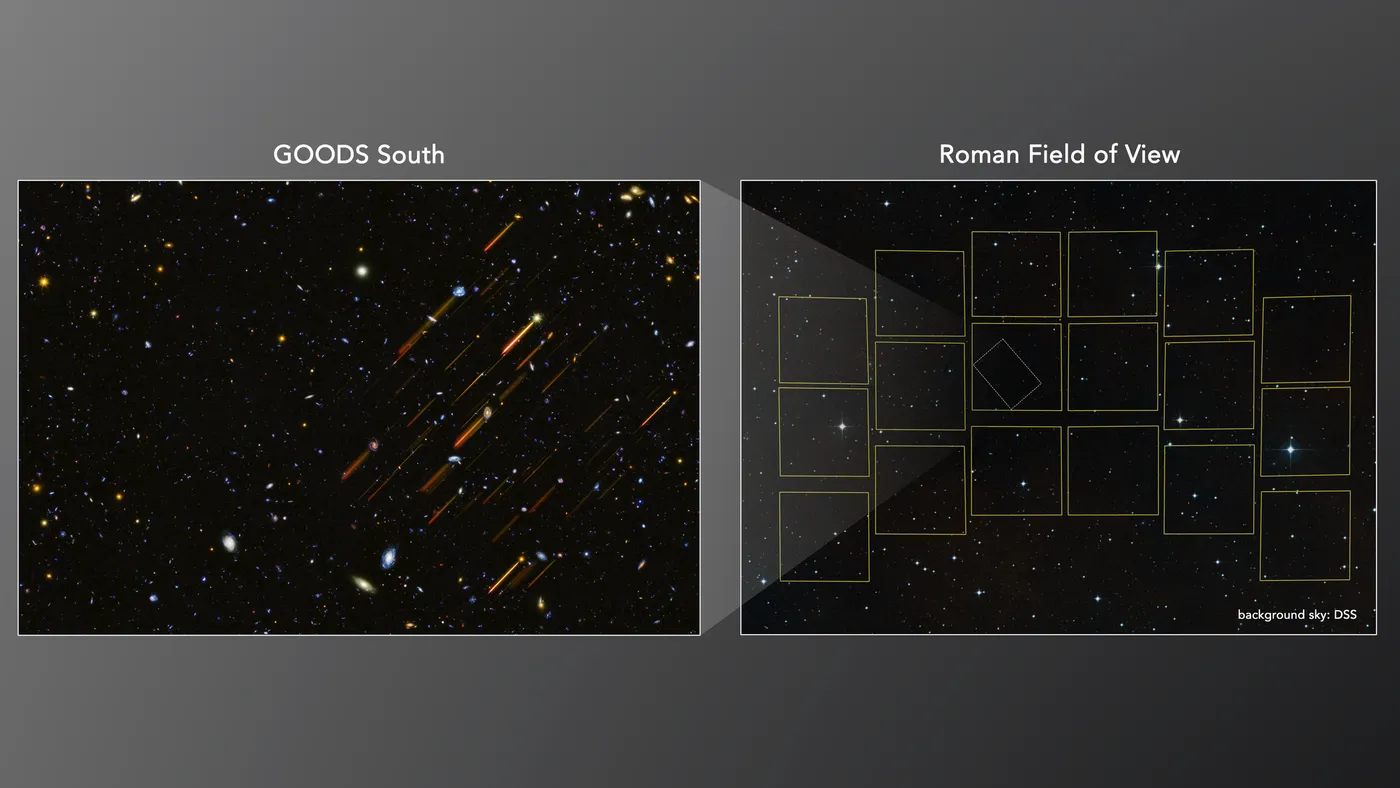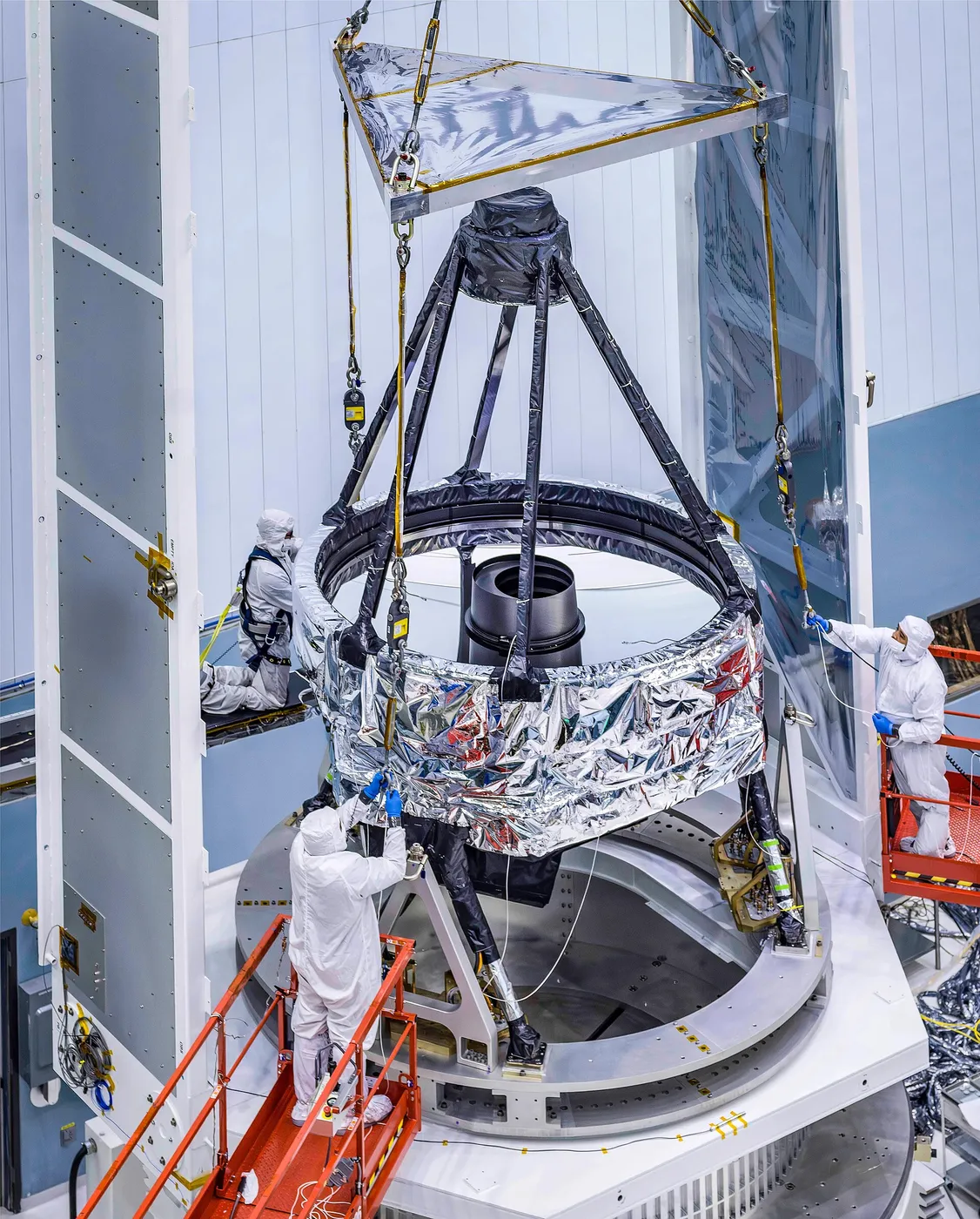
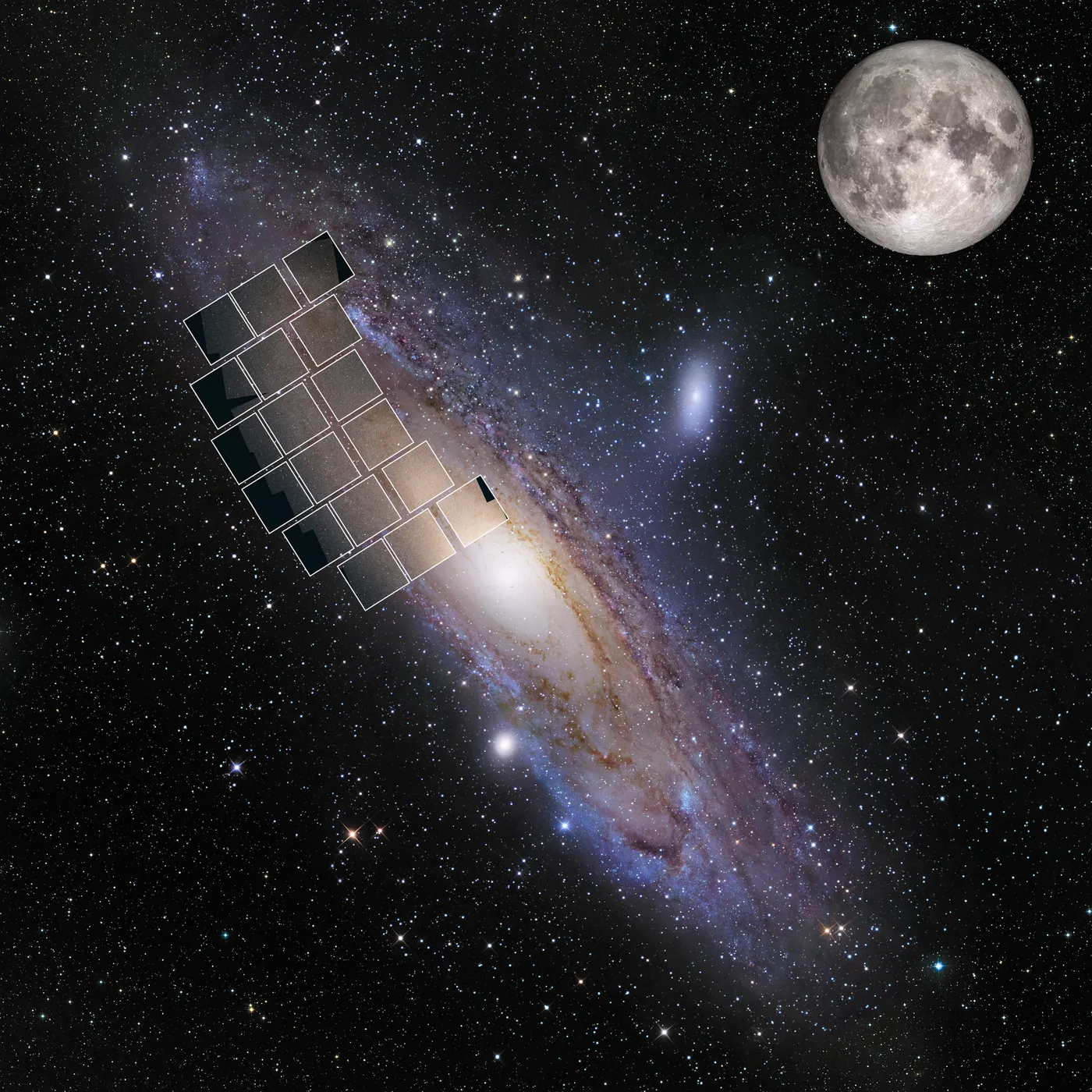

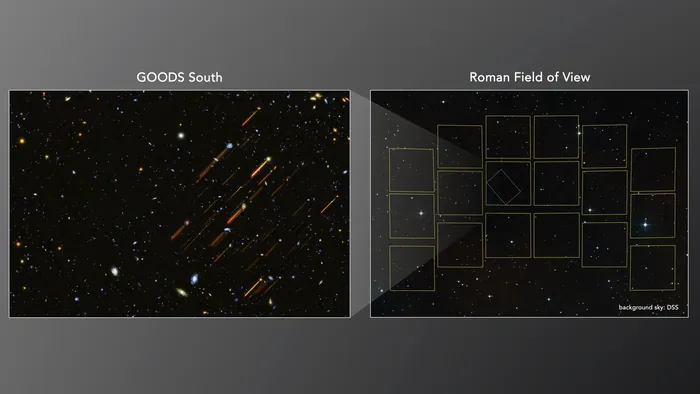
The Nancy Grace Roman Space Telescope has a mirror the same size as Hubble's and a field of view about a hundred times larger. That single difference changes what is possible: surveys that would take Hubble centuries can be completed in months, and statistical cosmology becomes practical.
The mirror was a gift. It was donated to NASA in 2012 by the National Reconnaissance Office, which had two spare 2.4-metre optical assemblies built for classified purposes and no longer needed them — an unusually direct illustration of the relative budgets of the civil and intelligence space programmes.
Its primary goals are dark energy and exoplanets. It will measure the expansion history through supernovae and the growth of cosmic structure through weak gravitational lensing, and it will conduct a microlensing survey towards the galactic centre expected to find thousands of planets — including, uniquely, cold worlds far from their stars and planets drifting free of any star at all.
It is named for NASA's first chief of astronomy, who fought through the 1960s and 70s for a large space telescope against considerable institutional scepticism and is generally credited as the reason Hubble exists. She had been dead only two years when the telescope was named for her in 2020.
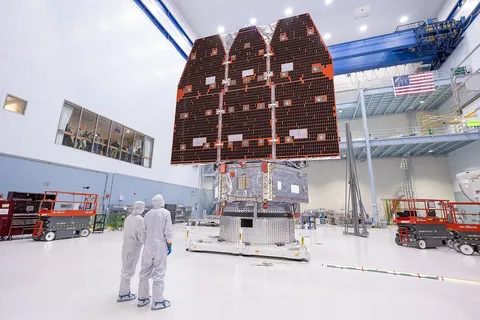
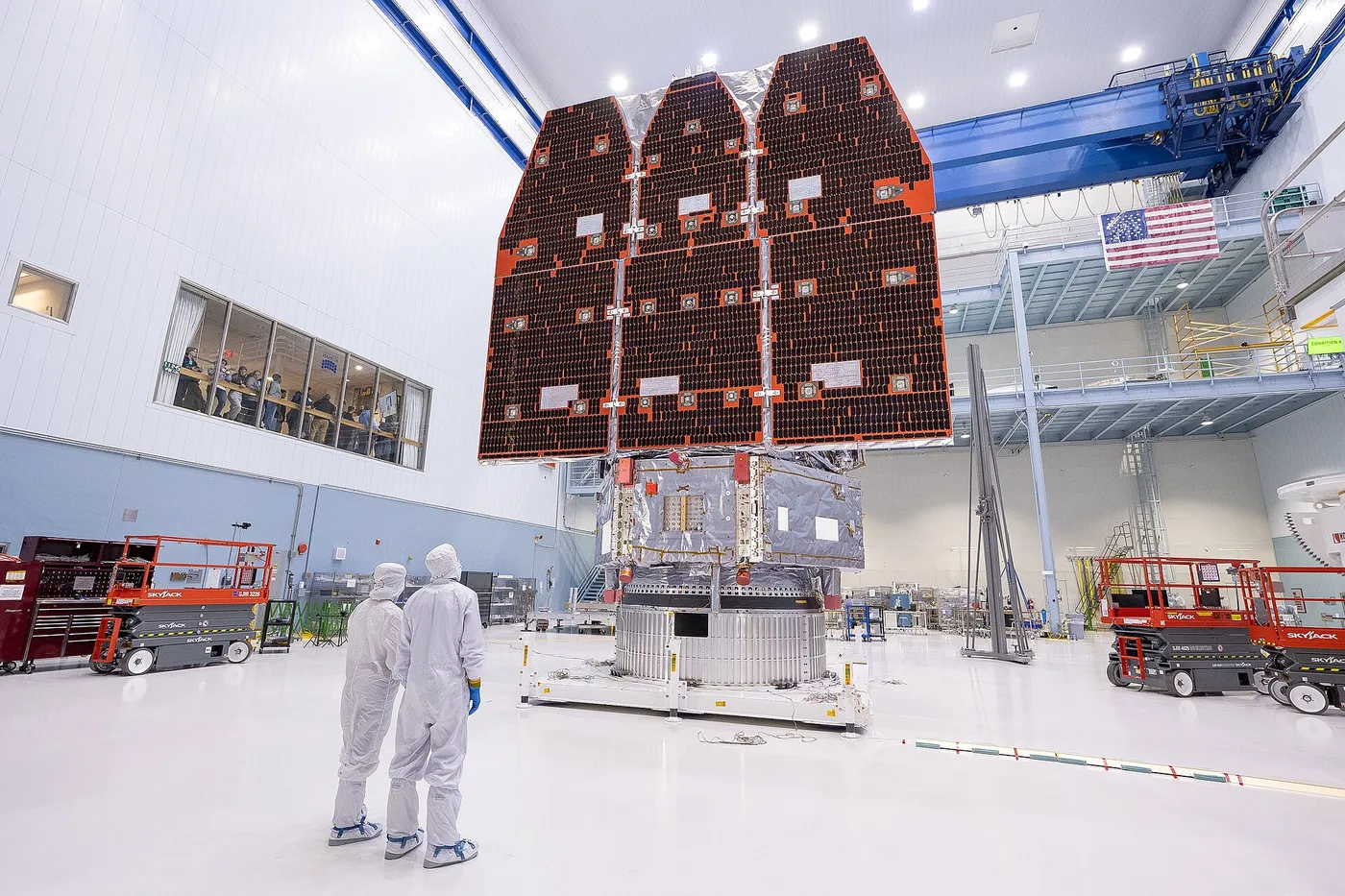
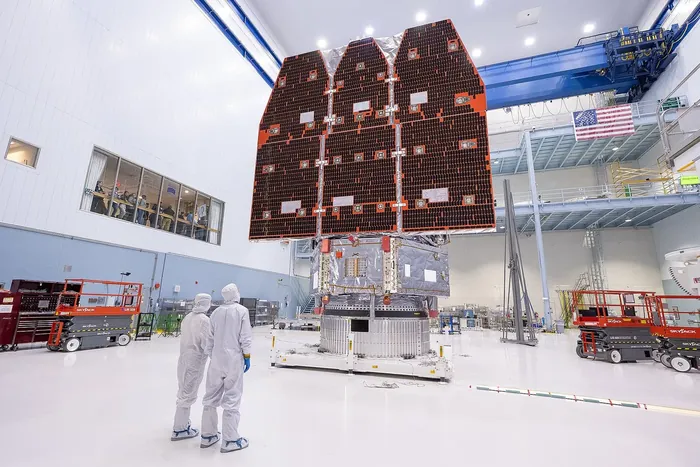
The programme has been through repeated attempts at cancellation, surviving budget proposals that zeroed it out entirely, and has been reworked to hold cost. It is due to launch in the late 2020s, and its wide-field data is expected to be released with minimal proprietary period — a survey facility for the whole community rather than for individual observers.