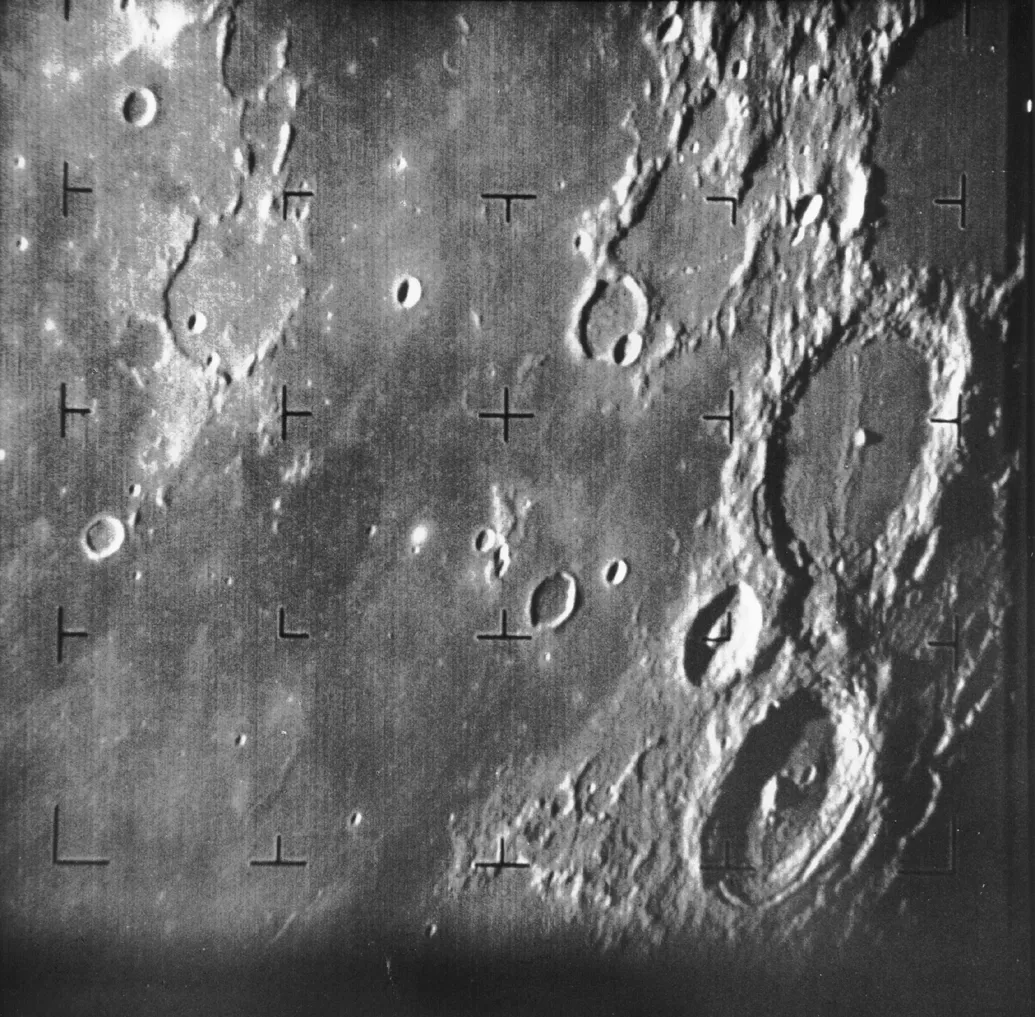

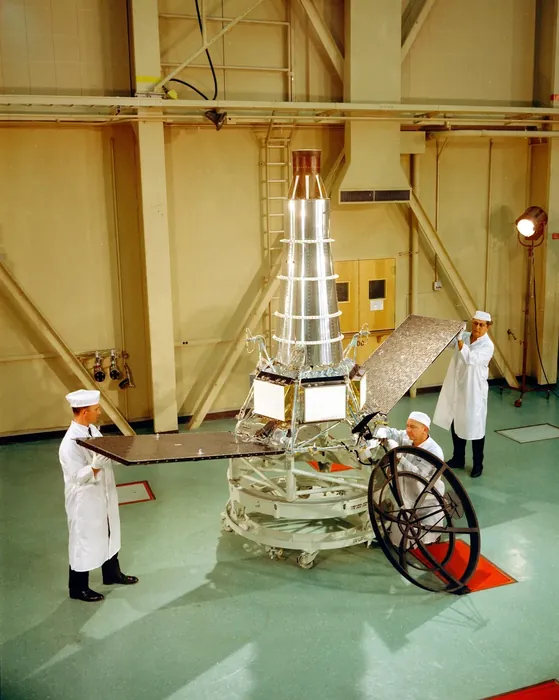
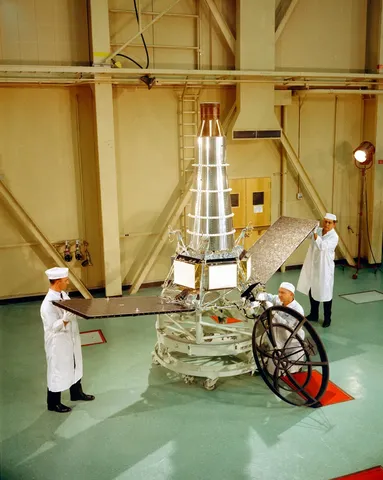
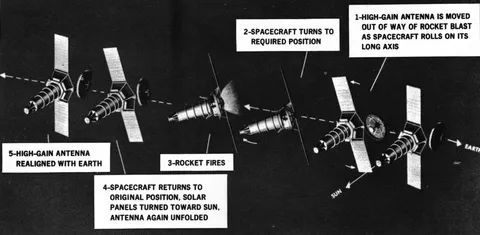
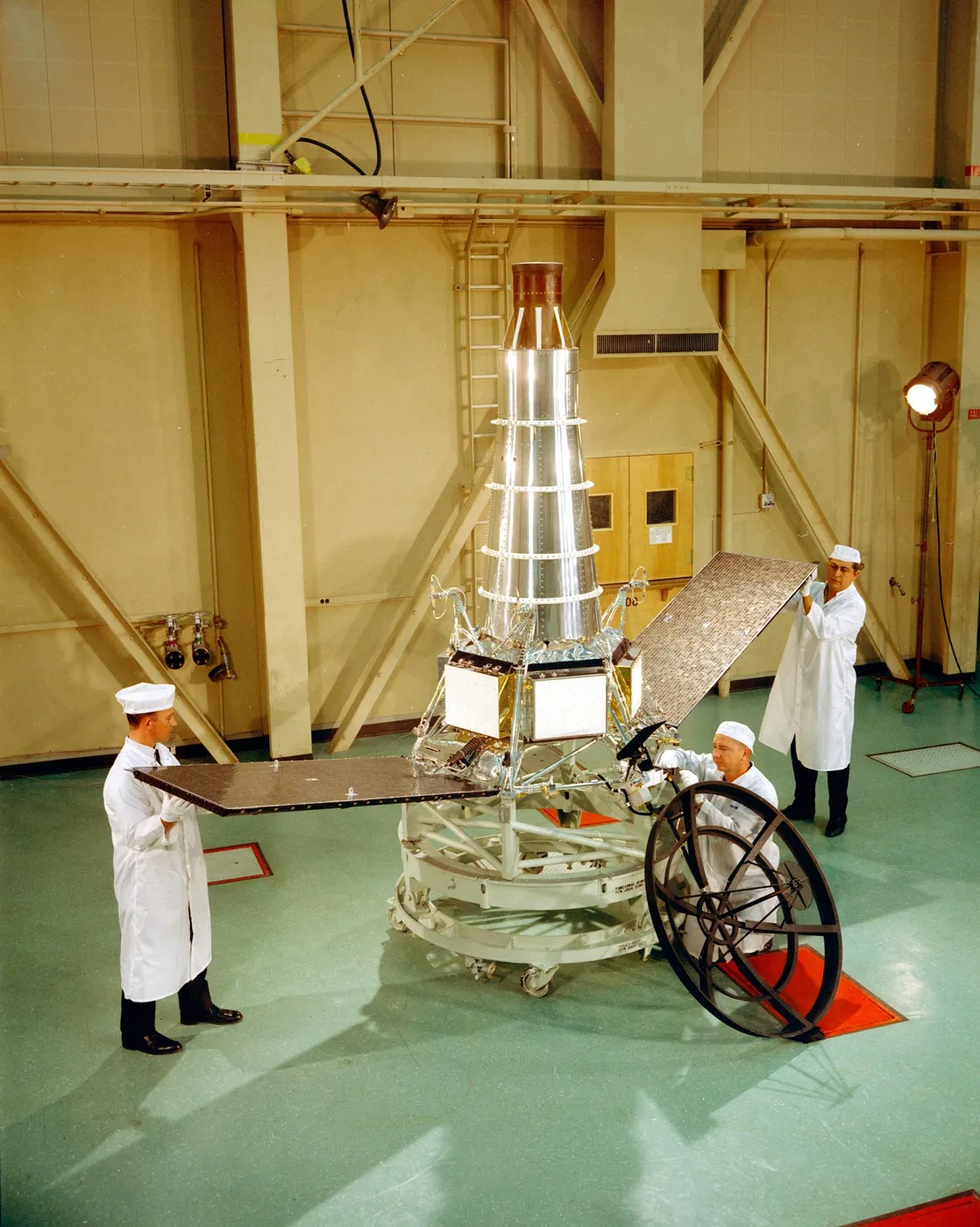
Everything the Ranger programme had promised through three frustrating years finally came together with Ranger 7. Launched on 28 July 1964, this pared-down third-generation craft — six cameras and little else — flew a clean course toward a dark, unremarkable plain in the Moon's south-central region.
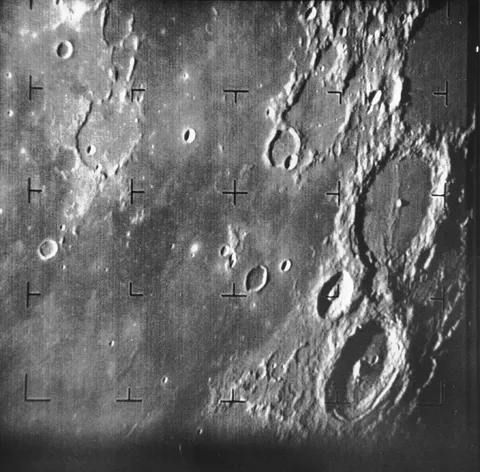
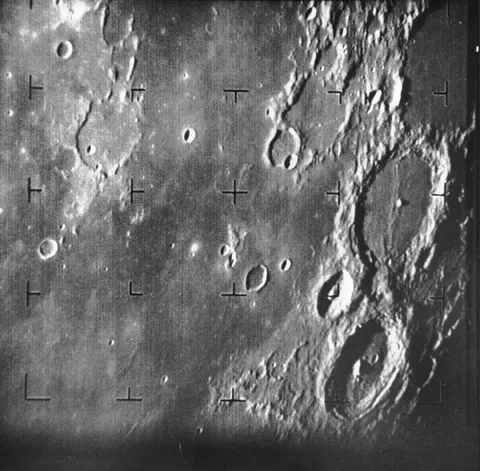
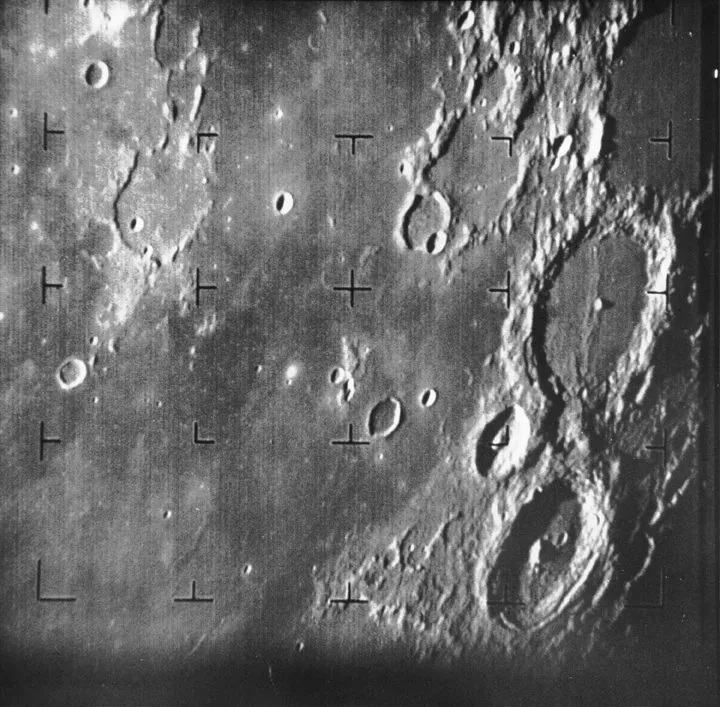
In the final seventeen minutes before impact its cameras came alive and poured back image after image, 4,308 photographs in all, the last of them taken from just a few hundred metres up and revealing detail a thousand times finer than the best telescope on Earth could show. Then, precisely as planned, the spacecraft smashed into the surface and fell silent — this time in triumph rather than defeat.
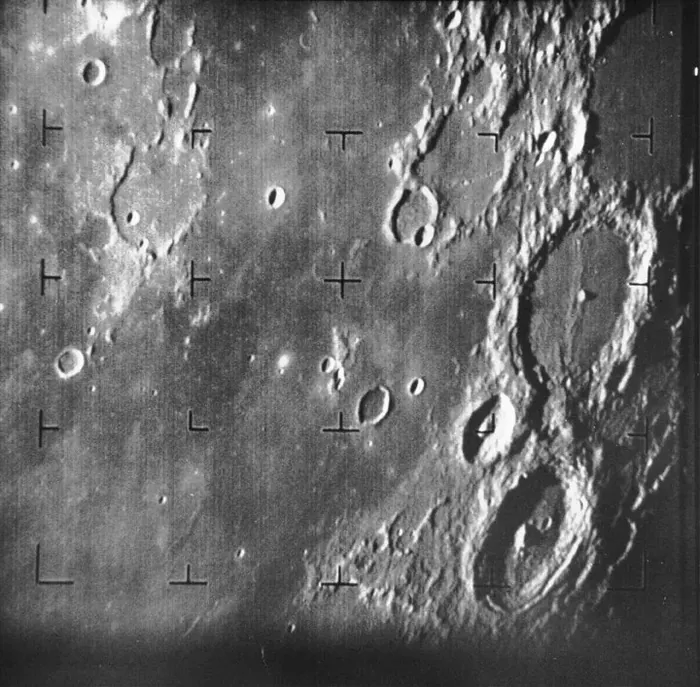
The pictures were a revelation, and the plain Ranger 7 struck was given a new name, Mare Cognitum, the 'sea that has become known'. After six failures the programme had at last delivered, and in a single afternoon it transformed the close-up view of the Moon and handed the planners of Apollo their first real look at the kind of ground on which astronauts might one day walk.
The pictures did more than satisfy curiosity. Ranger 7 revealed that the maria were pockmarked with craters at every scale down to the limit of resolution, a fractal roughness that continued below the resolution of the final frames — which raised, rather than settled, the question of whether the surface would support a lander.
It also rescued a programme that had been close to cancellation. Six consecutive failures had made Ranger a byword for waste, and the seventh attempt succeeded so completely that the mood reversed overnight; the two remaining spacecraft flew successfully, and the images they returned underpinned the Surveyor and Apollo site selection that followed.
![Low sun LROC NAC (M132963565R) of the Ranger 7 impact site. At low sun angle, the area appears densely cratered [NASA/GSFC/Arizona State University].](https://missionlog.space/static/gallery/thumb/13490bec0dba0f02.webp)
![Low sun LROC NAC (M132963565R) of the Ranger 7 impact site. At low sun angle, the area appears densely cratered [NASA/GSFC/Arizona State University].](https://missionlog.space/static/gallery/13490bec0dba0f02.webp)