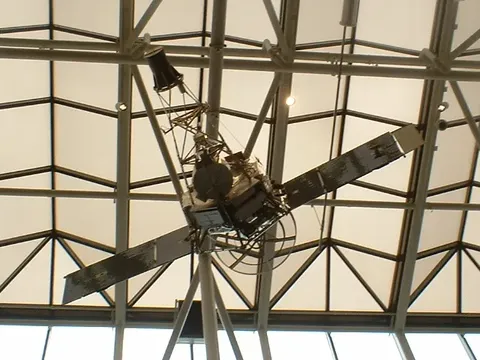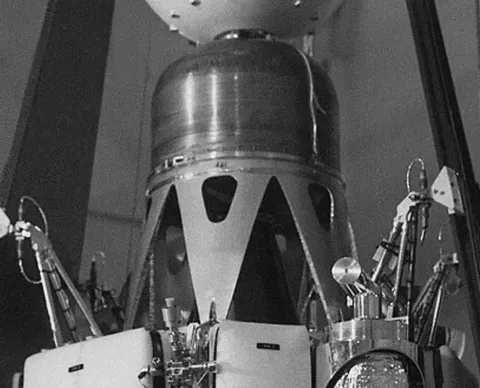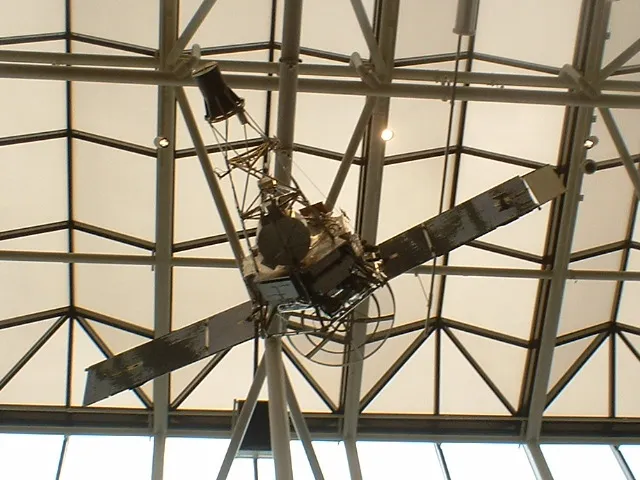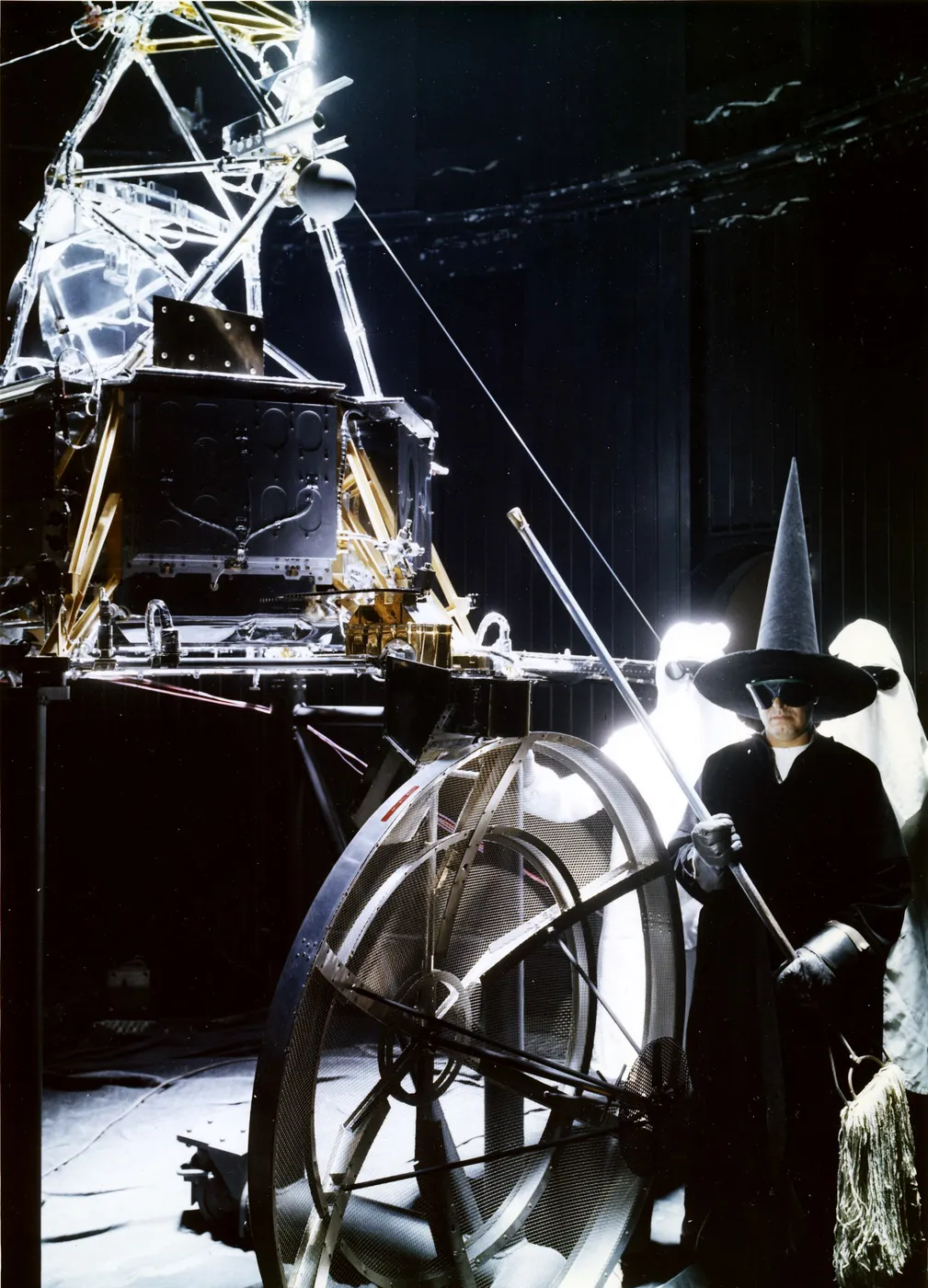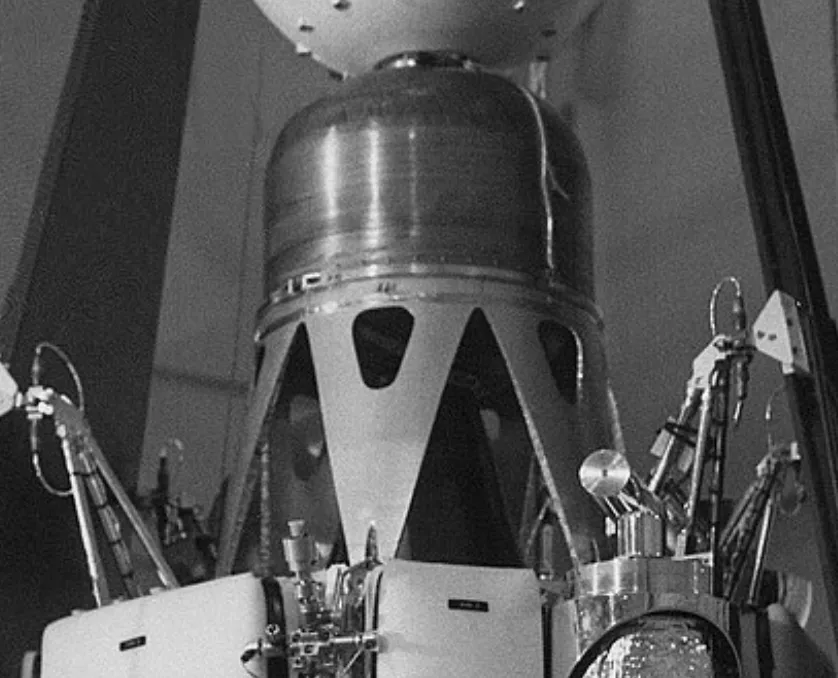
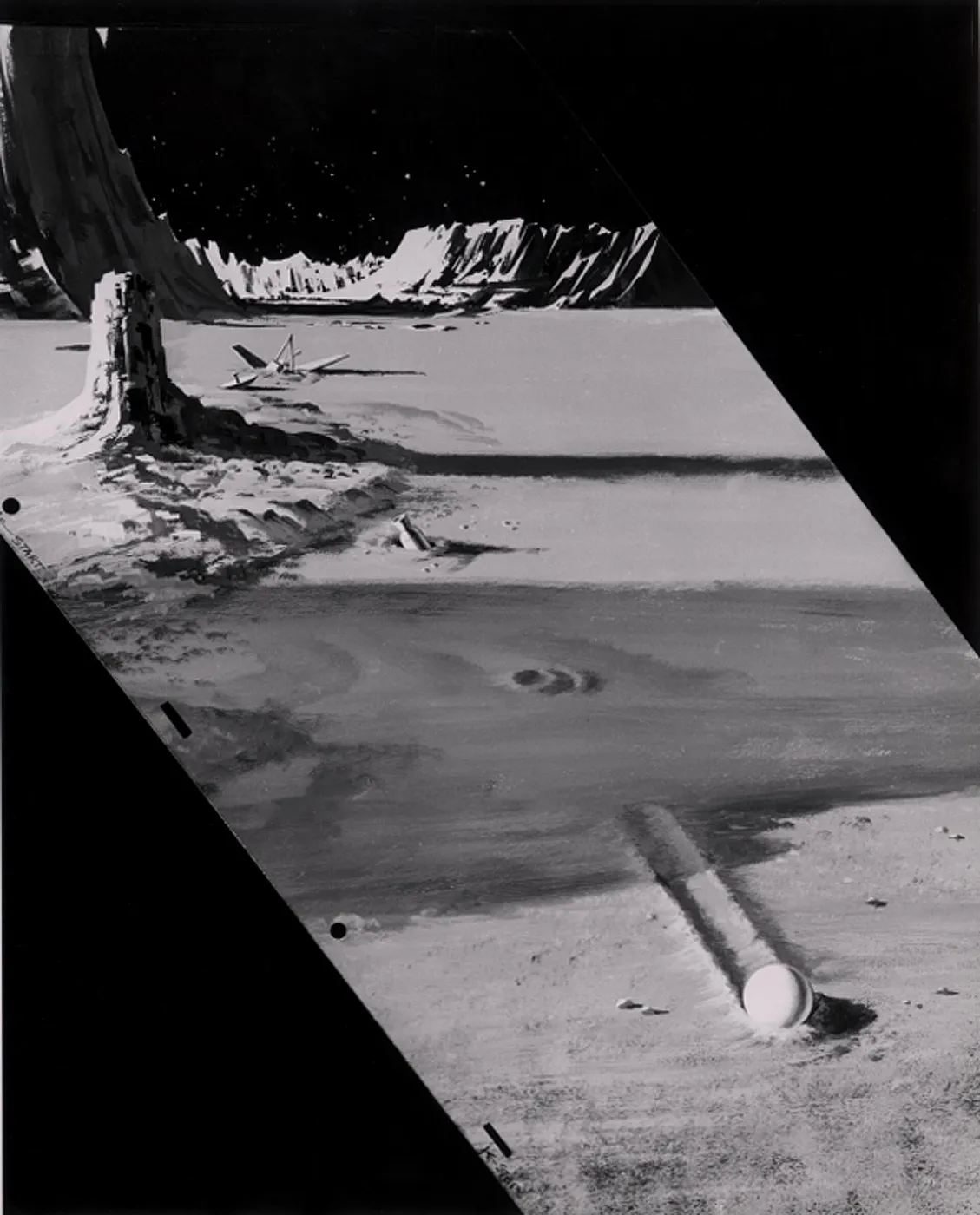

By the time Ranger 5 lifted off on 18 October 1962, the programme's reputation was in real jeopardy, and this flight would help decide whether it continued at all. The spacecraft again carried cameras and a landing capsule, and once more the launch went well, sending it on a true path to the Moon.
Its undoing this time was electrical. A short circuit severed the craft from its solar panels, forcing it onto battery power alone, and within roughly eight hours those batteries were exhausted. Crippled and unresponsive, Ranger 5 drifted past the Moon by about 725 kilometres and joined its predecessors circling the Sun.
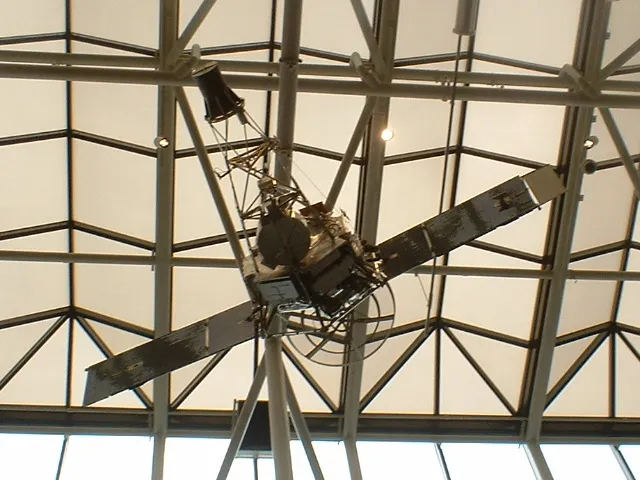
Five launches had now yielded five failures, not one of them returning a single lunar image. NASA stopped the programme for a hard, months-long review that stripped the spacecraft back to essentials, tightened its engineering and shook up its management. It was a humiliating pause — but the discipline it forced would, in time, prove to be the saving of the whole enterprise.

The spacecraft lost power 87 minutes after launch. An unexplained failure — most likely a short circuit — disconnected the solar panels from the batteries, and Ranger 5 ran on reserve power for about nine hours before falling silent.
It missed the Moon by roughly 725 kilometres and entered solar orbit. This was the fifth consecutive failure, and it triggered a formal investigation, a management shake-up at JPL, and a stripping-down of the spacecraft design: the next generation carried cameras and nothing else, on the reasoning that fewer systems meant fewer things to fail.