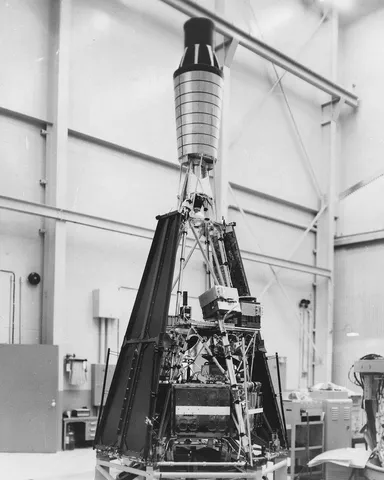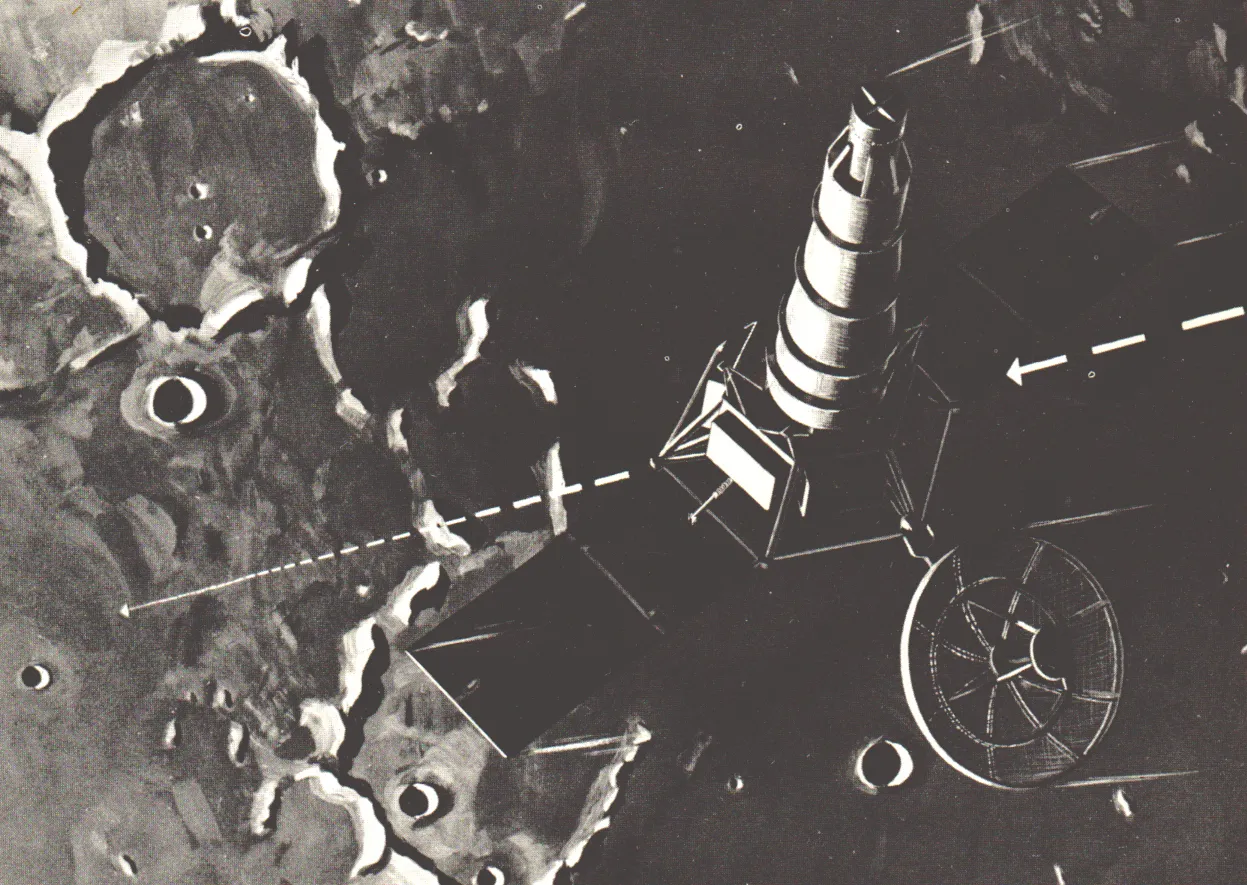
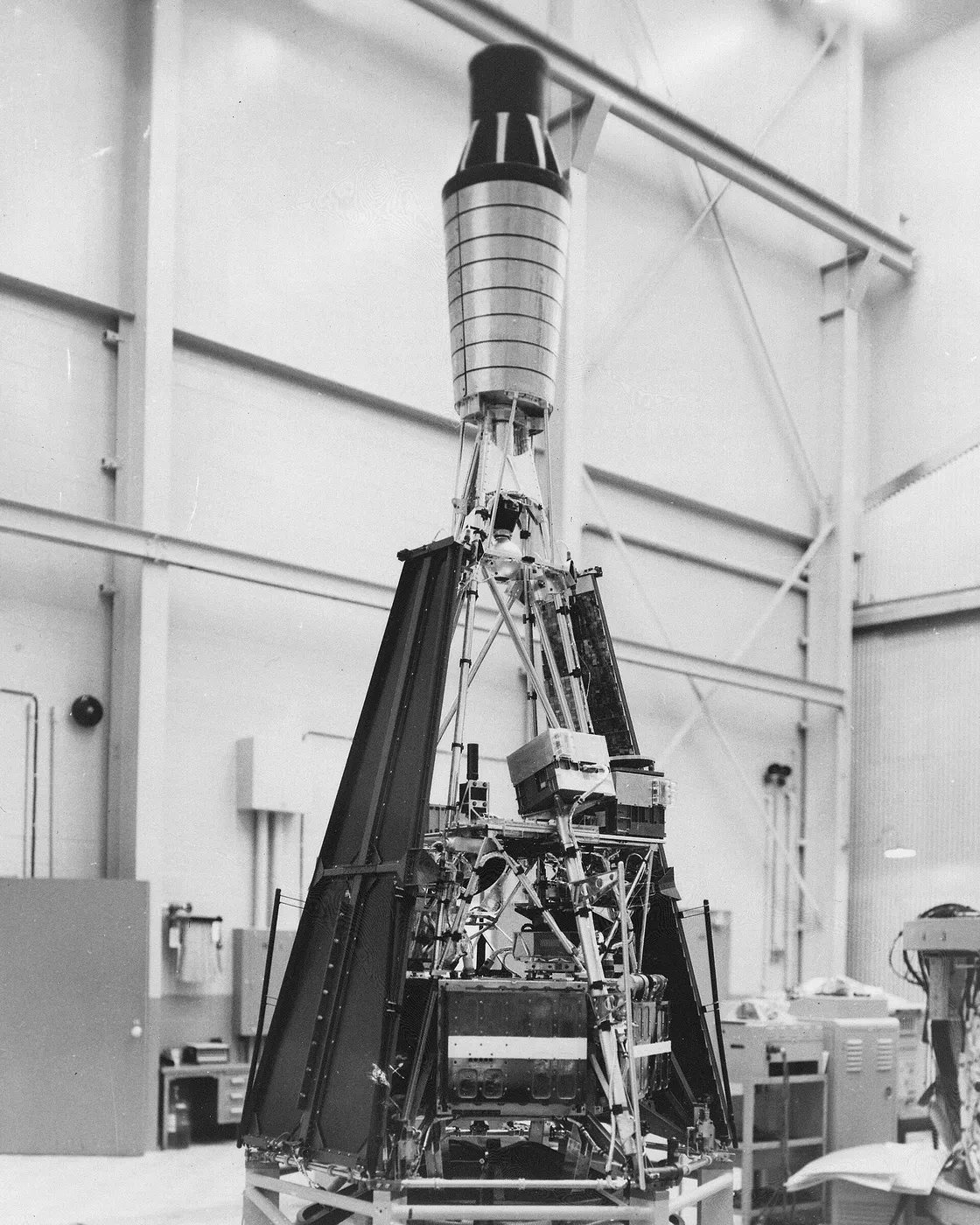

Ranger 2 was a near-twin of the first flight, launched on 18 November 1961 to finish the engineering rehearsal that Ranger 1 had left incomplete. Like its predecessor it carried no lunar target of its own; the aim was simply to reach a high test orbit and wring out the spacecraft's systems before the programme dared point one at the Moon.
History repeated itself with dispiriting precision. The Agena stage once again failed to reignite for its second burn — this time blamed on a dead guidance gyroscope — and Ranger 2 was left circling helplessly in a low orbit that decayed almost at once. Within a couple of days it reentered and was gone.
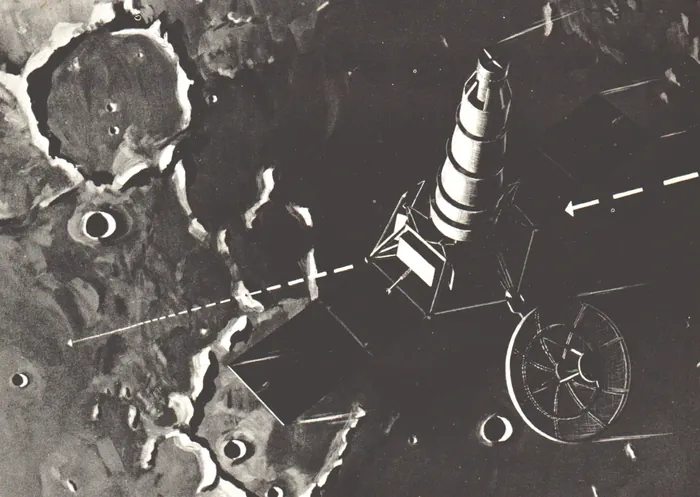
Two flights in, JPL had learned a great deal about the unreliability of its rocket and almost nothing about how its spacecraft would behave on the long fall toward the Moon. The engineers were desperate to finally fly a genuine lunar mission, but the launcher kept denying them the chance even to try.
The identical failure recurred three months later. The Agena upper stage again failed to restart, leaving the spacecraft in a low orbit that decayed after two days, and the mission returned essentially nothing.
Two identical losses in a row concentrated attention on the launch vehicle rather than the spacecraft, and the Agena's restart system was redesigned. The episode is a reminder that in the early 1960s the distinction between a rocket failure and a mission failure was largely academic — most of what went wrong went wrong before the payload had a chance to do anything.