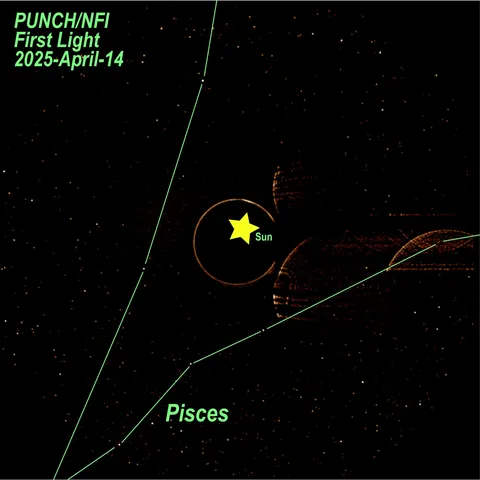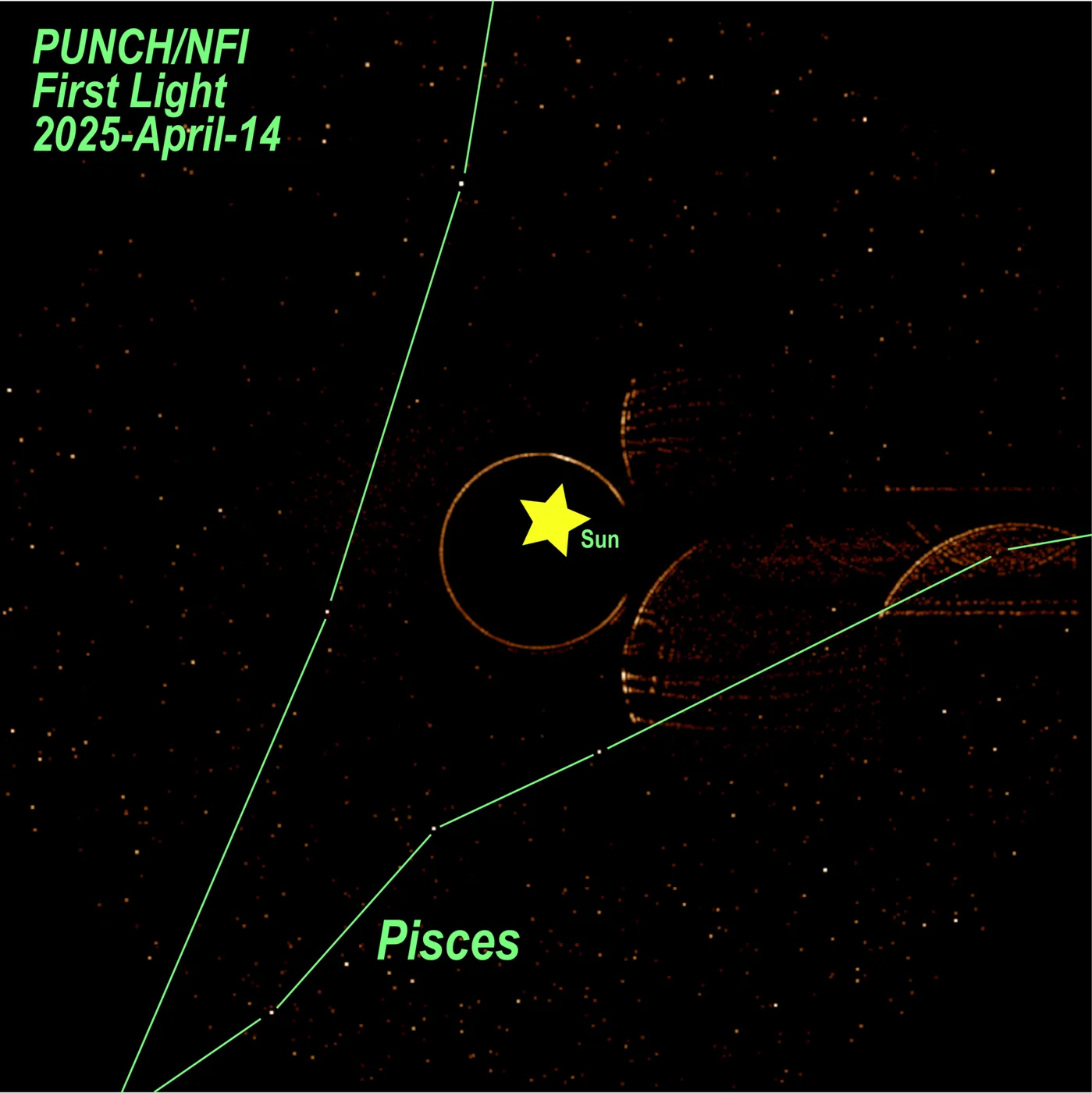


PUNCH addresses a gap in how the Sun is observed. Coronagraphs image the corona close to the Sun; spacecraft at the Lagrange point measure the solar wind as it arrives; and in between there has been essentially nothing, so the transition from structured corona to turbulent wind has been inferred rather than watched.
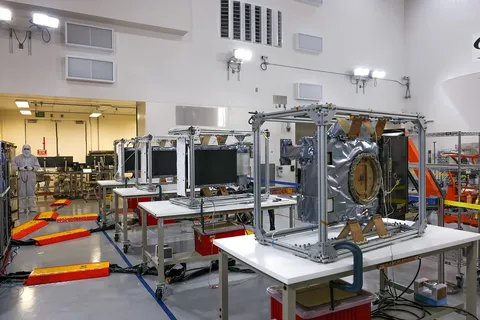
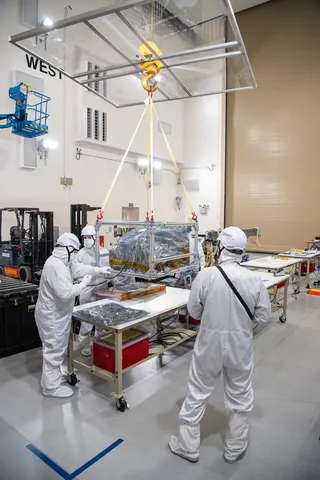
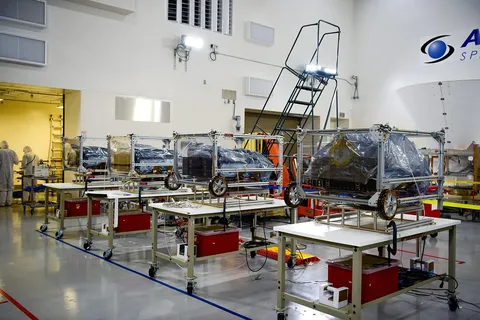
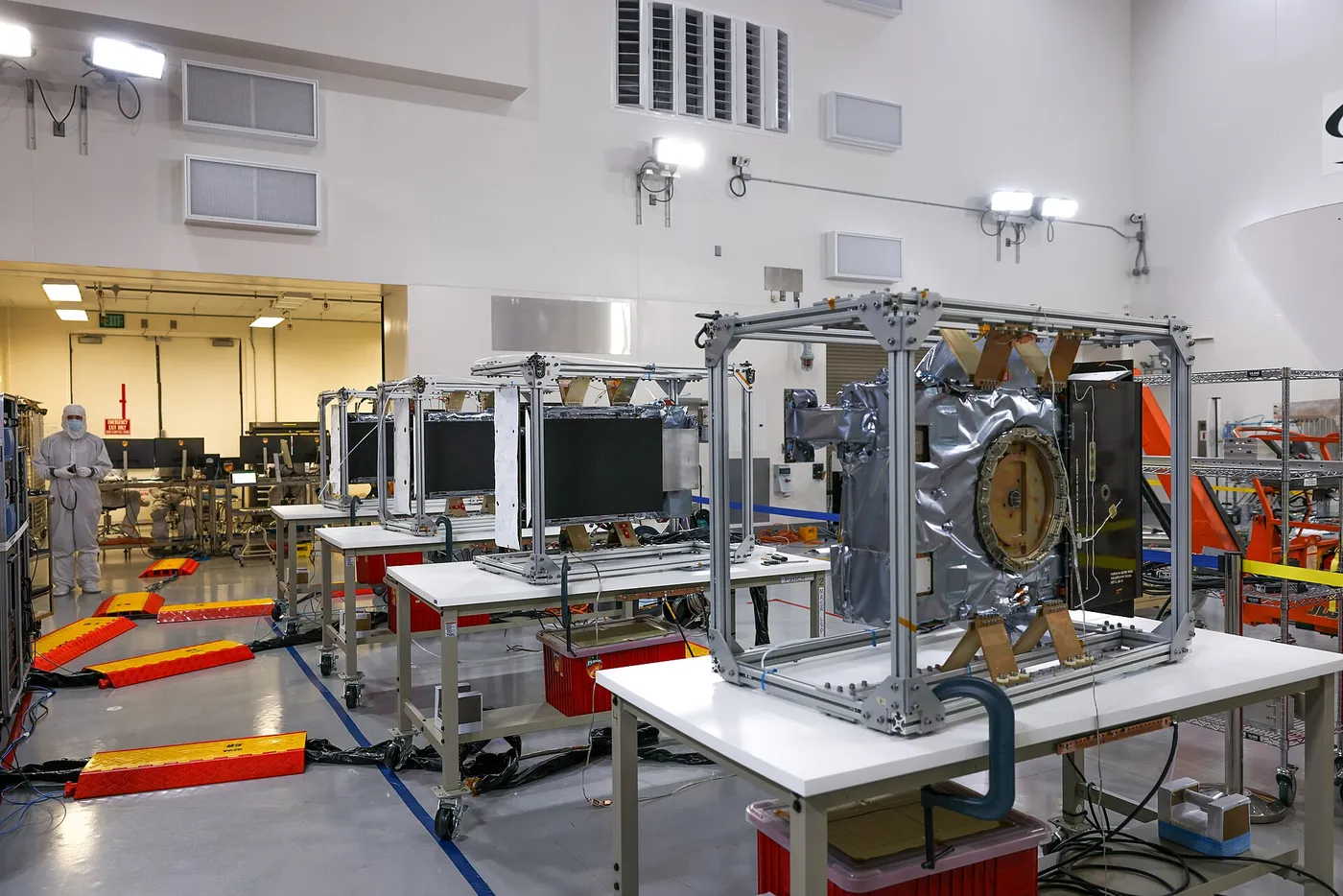
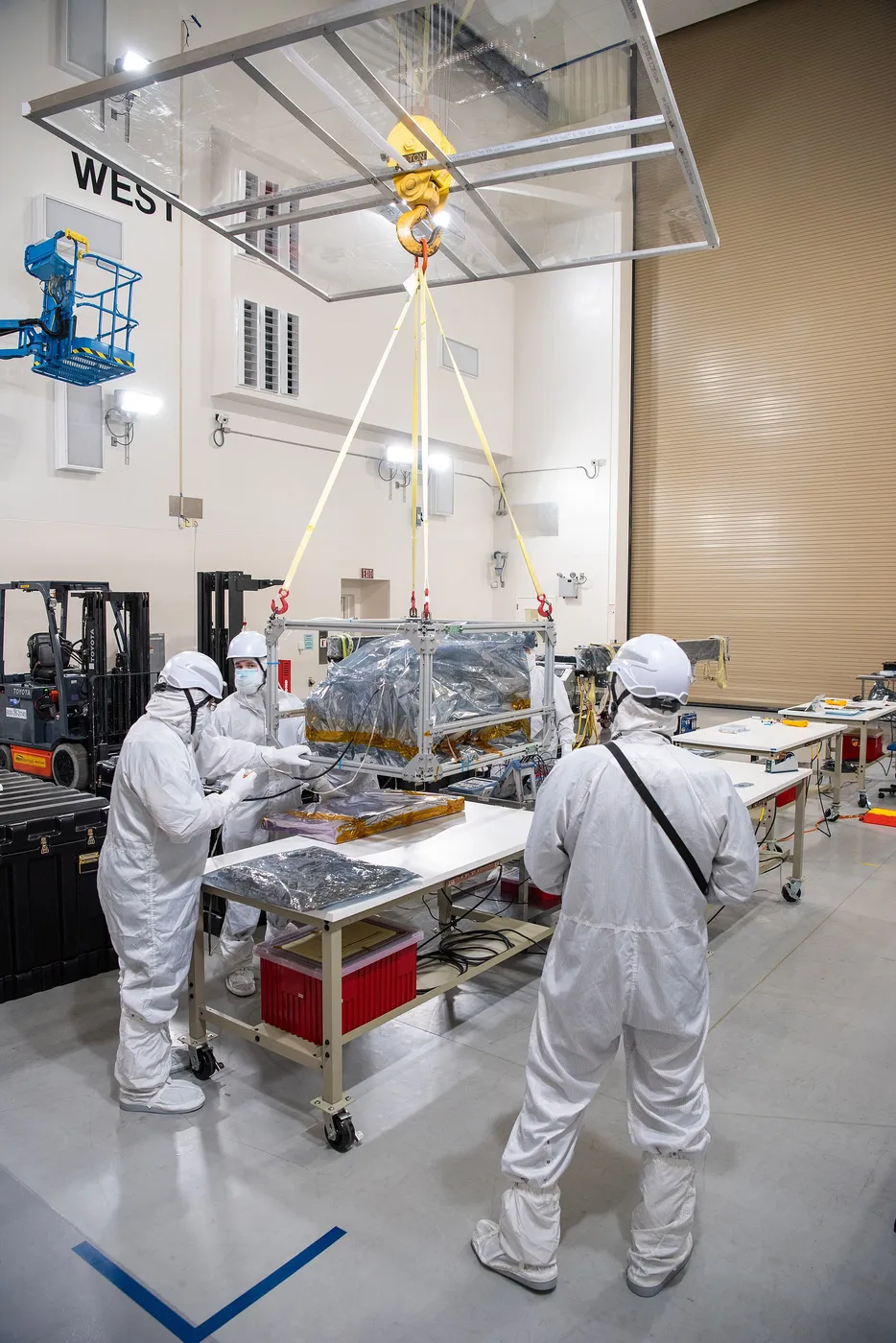
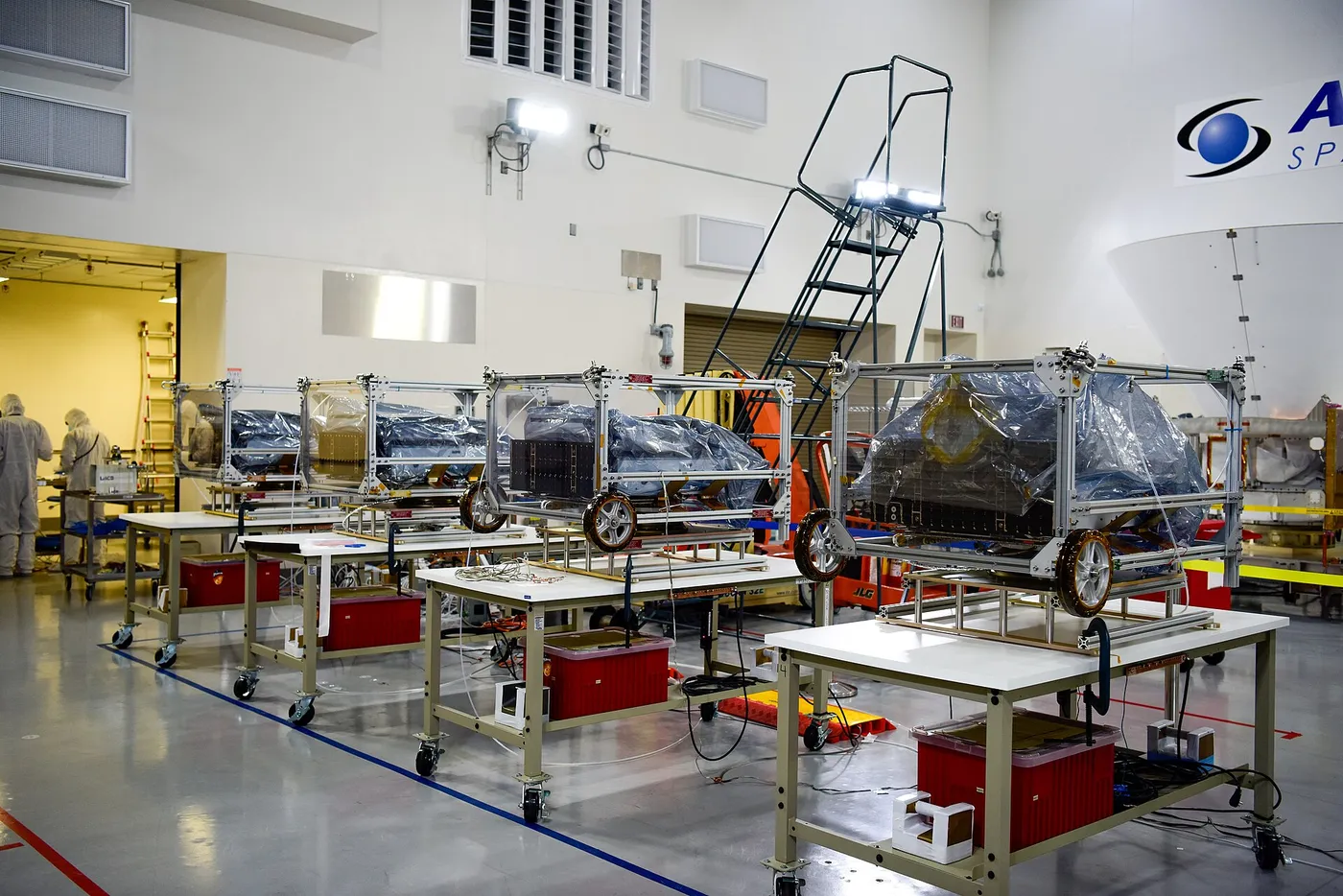
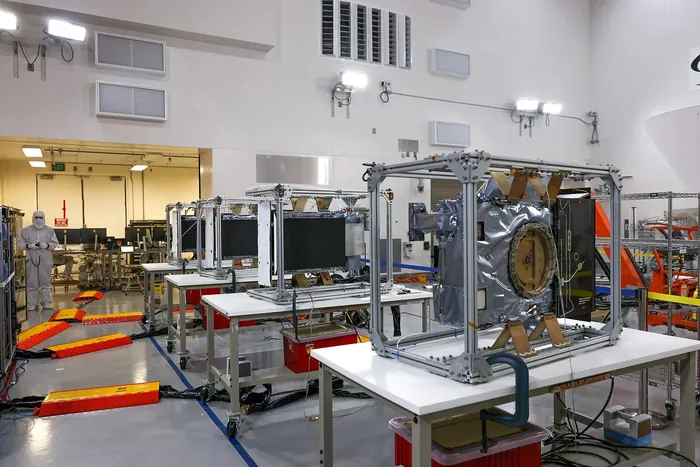
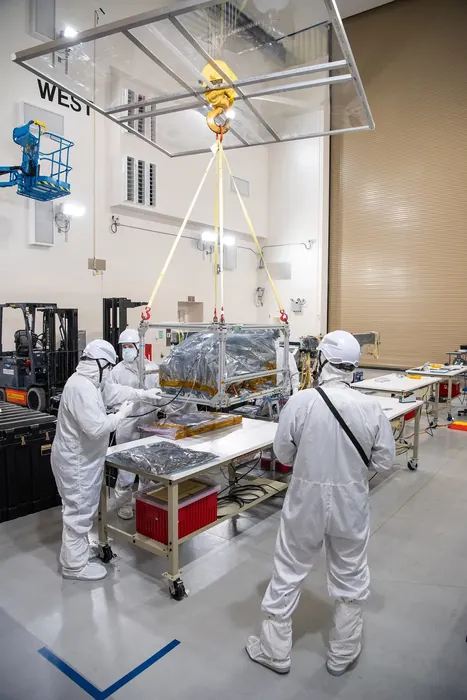
Four small satellites fly in formation, their fields of view stitched together into a single continuous image spanning from the solar corona out past the orbit of Venus. Together they function as one instrument far larger than any of them.
The technique relies on polarisation. Light scattered by electrons in the solar wind is polarised in a way that depends on the scattering angle, which allows the three-dimensional position of a feature to be recovered from a two-dimensional image — turning flat pictures of coronal mass ejections into measurements of where they actually are and where they are heading.
That is directly useful for forecasting. The central difficulty in predicting when a solar storm will arrive, and whether it will hit at all, is that current instruments see eruptions projected onto the sky with no depth information.
It launched in March 2025 alongside SPHEREx, two unrelated missions sharing a rocket — an increasingly common arrangement for small spacecraft, and one that makes missions affordable that could not justify a launch of their own.