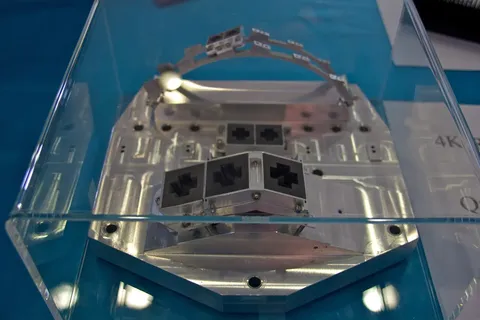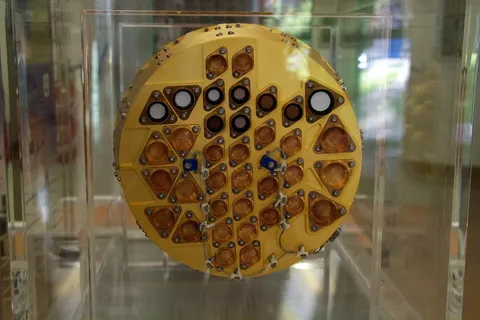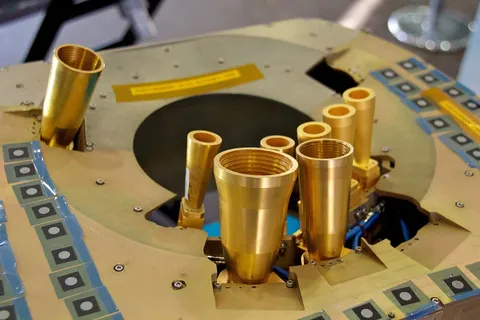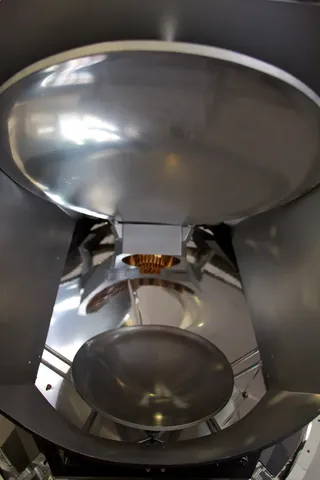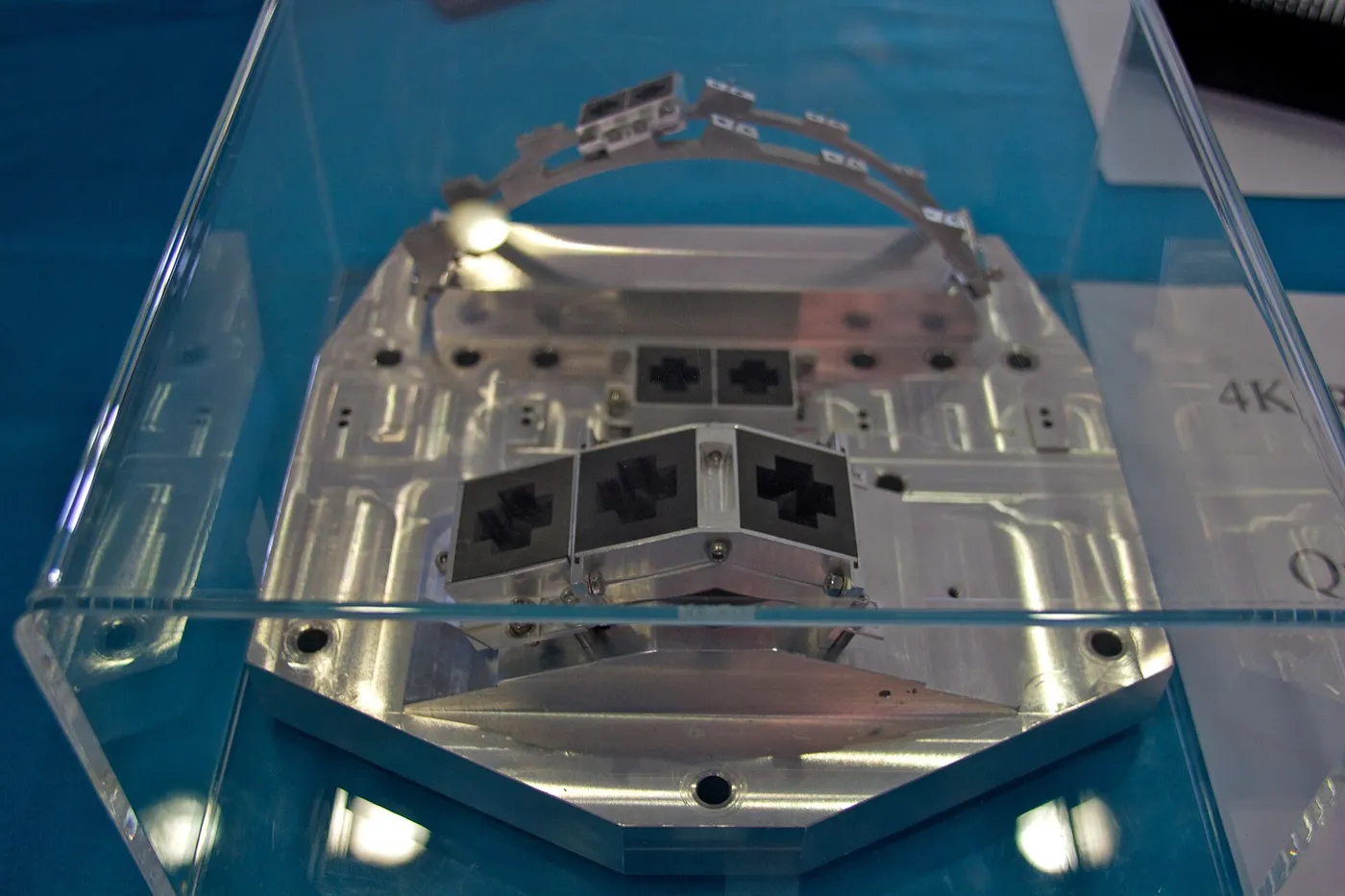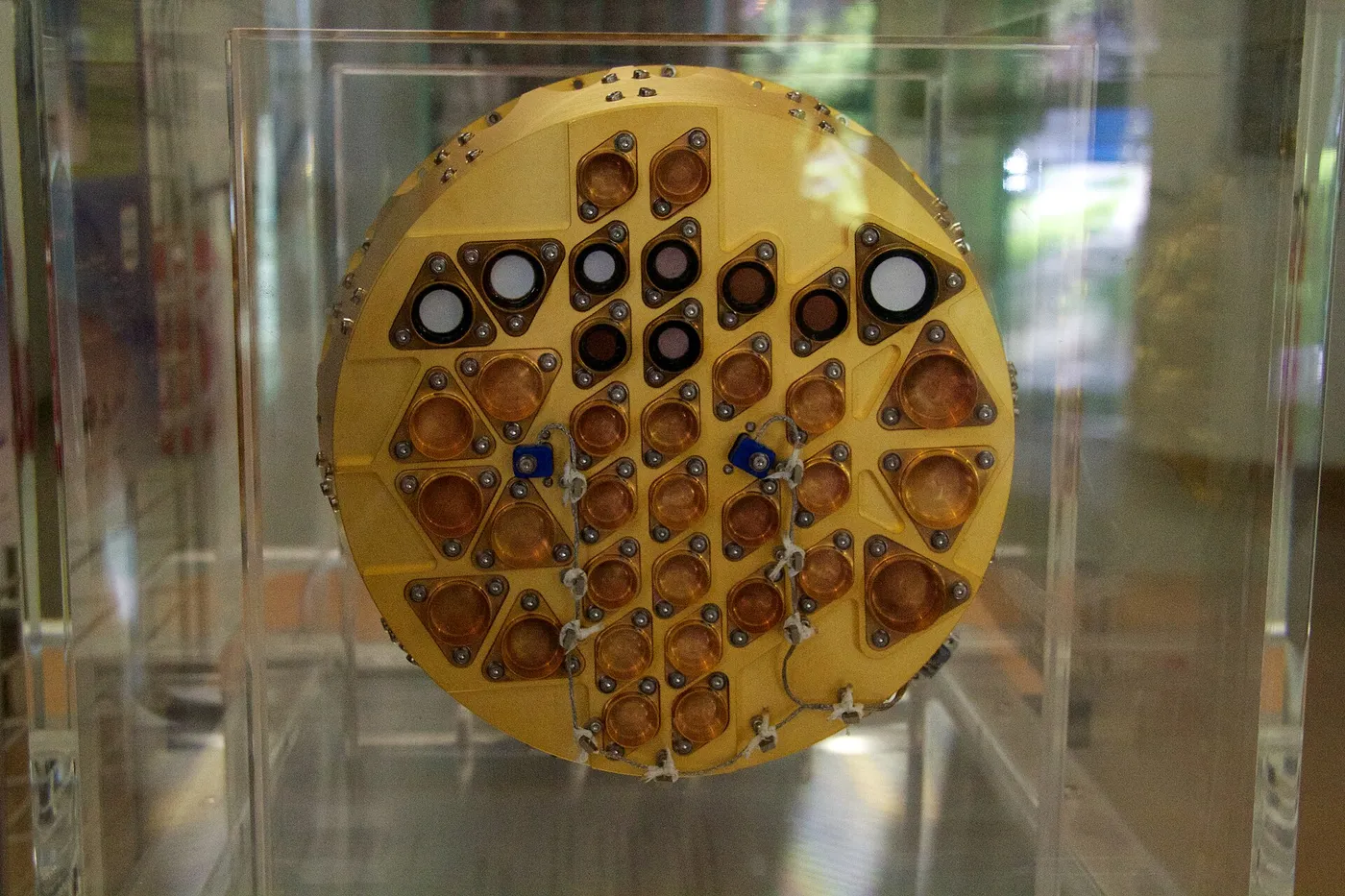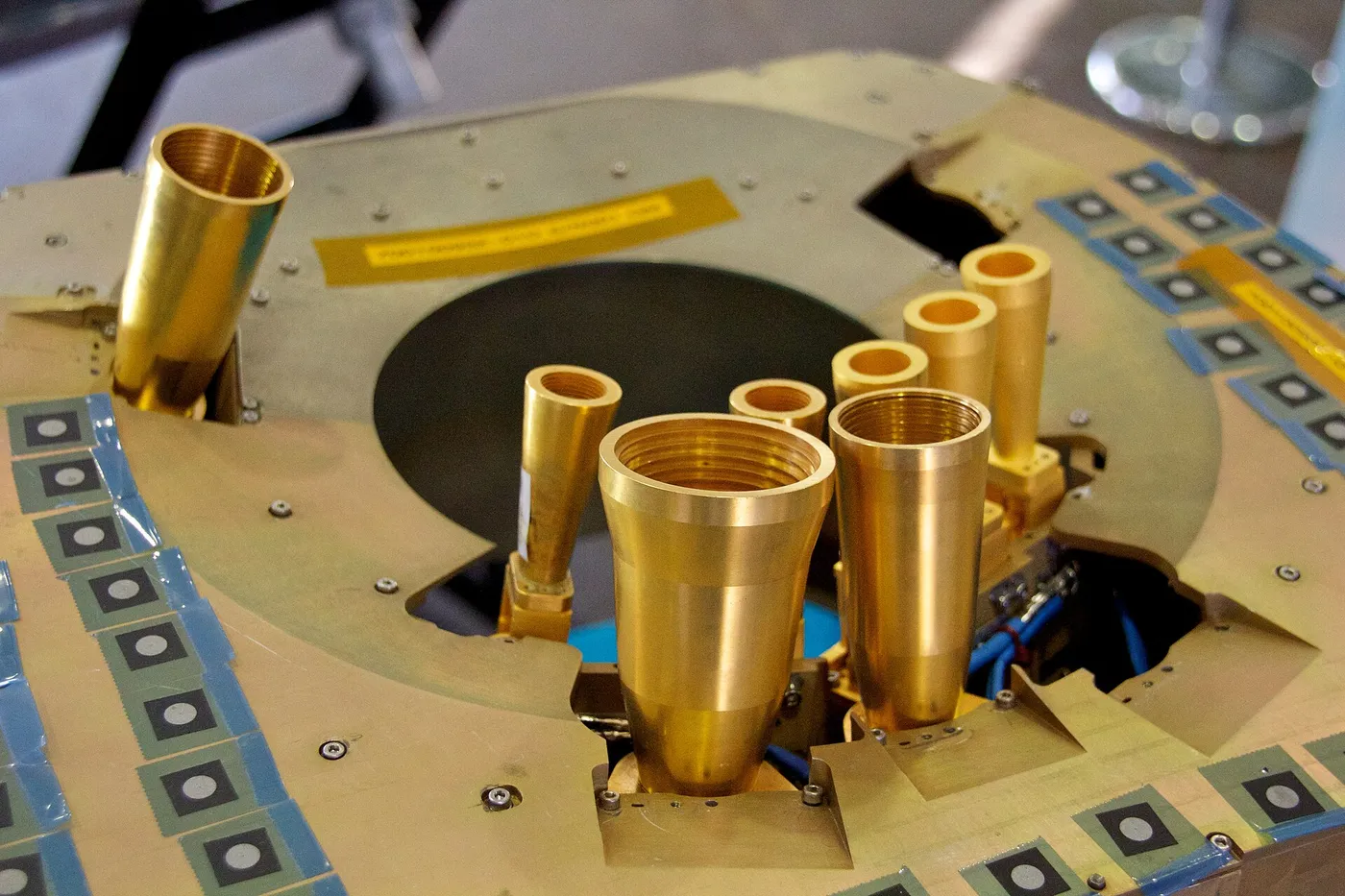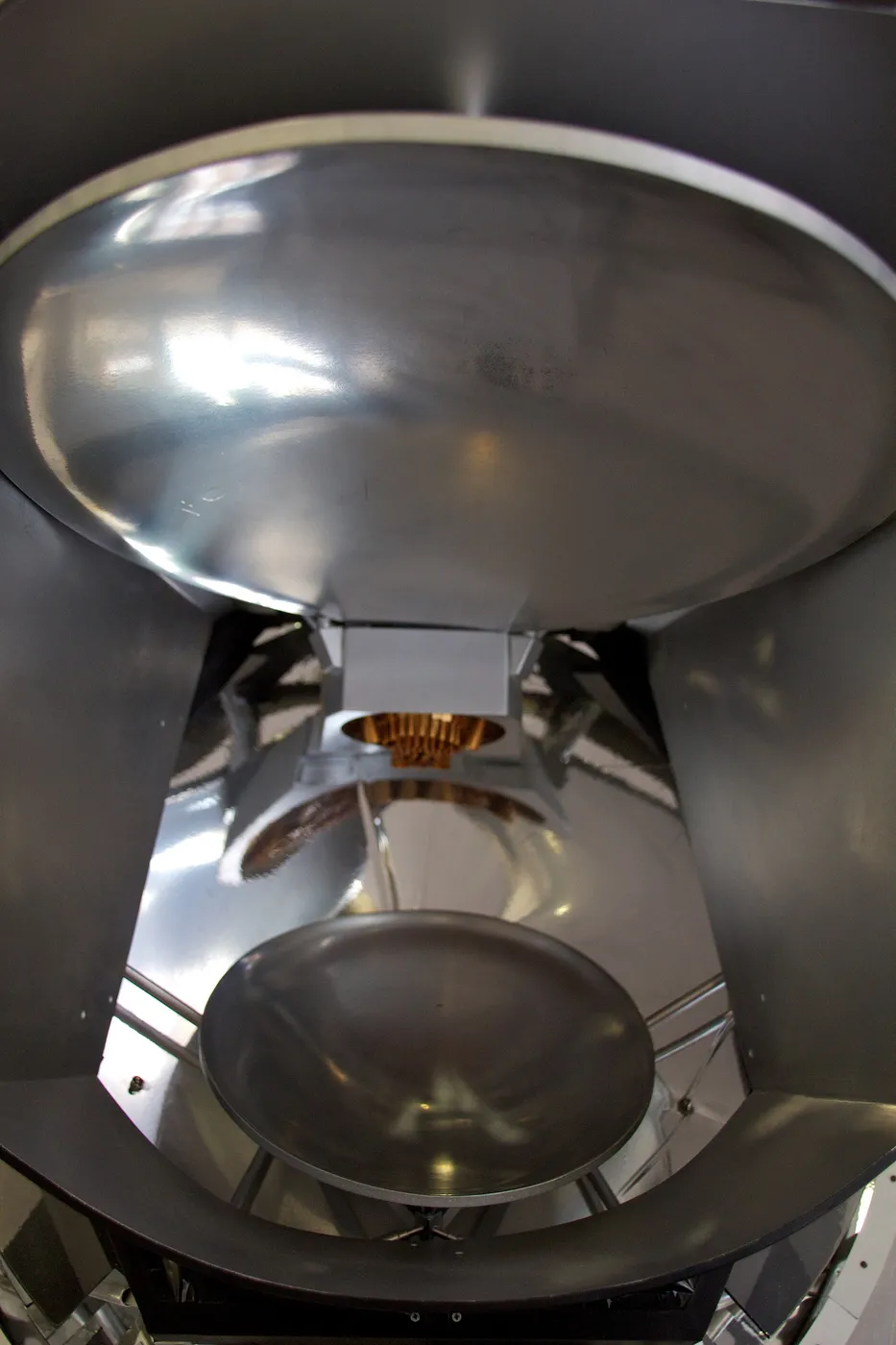

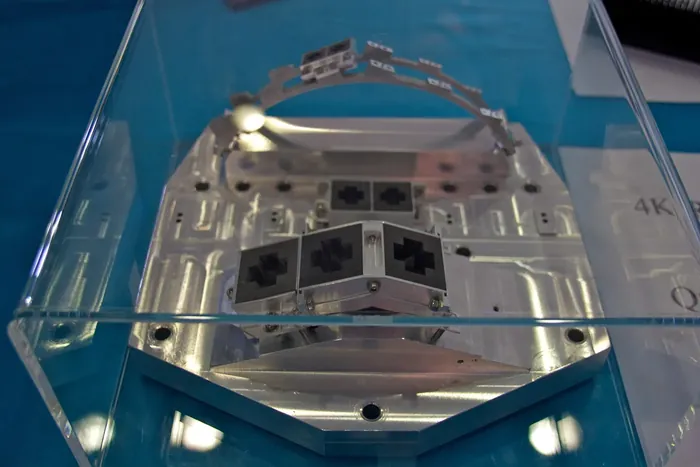
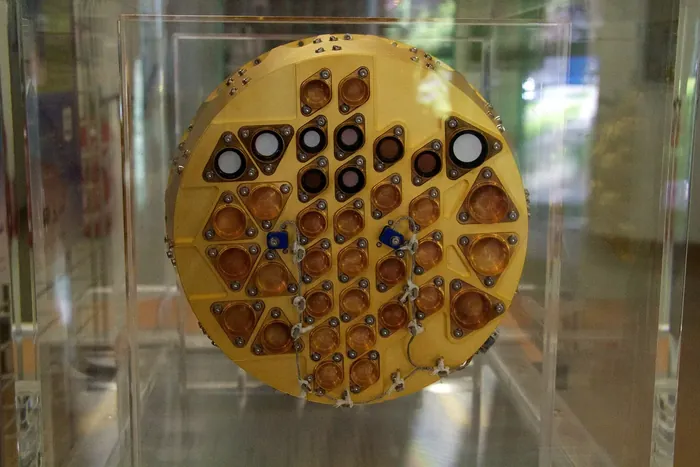
Planck was built to squeeze the last available information out of the cosmic microwave background. Its detectors were cooled to a tenth of a degree above absolute zero — for a time the coldest known objects in space, colder than the surrounding universe — and it mapped the sky in nine frequency bands to separate the primordial signal from the foreground glow of our own galaxy.
Its map of the infant universe is the most precise ever made, and probably close to the theoretical limit of what can be extracted from temperature measurements alone. It refined the age of the universe to 13.8 billion years and the matter and energy budget to sub-percent precision, confirming and tightening the model WMAP had established.
It also produced a genuine problem. Planck's inferred value for the current expansion rate of the universe disagrees with the value measured directly from nearby supernovae and Cepheid variables, by an amount now well beyond the plausible errors of either method. This Hubble tension has resisted resolution for a decade and may indicate physics missing from the standard model.
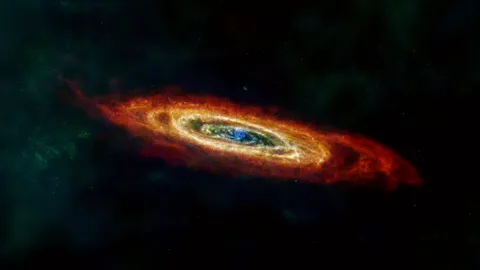
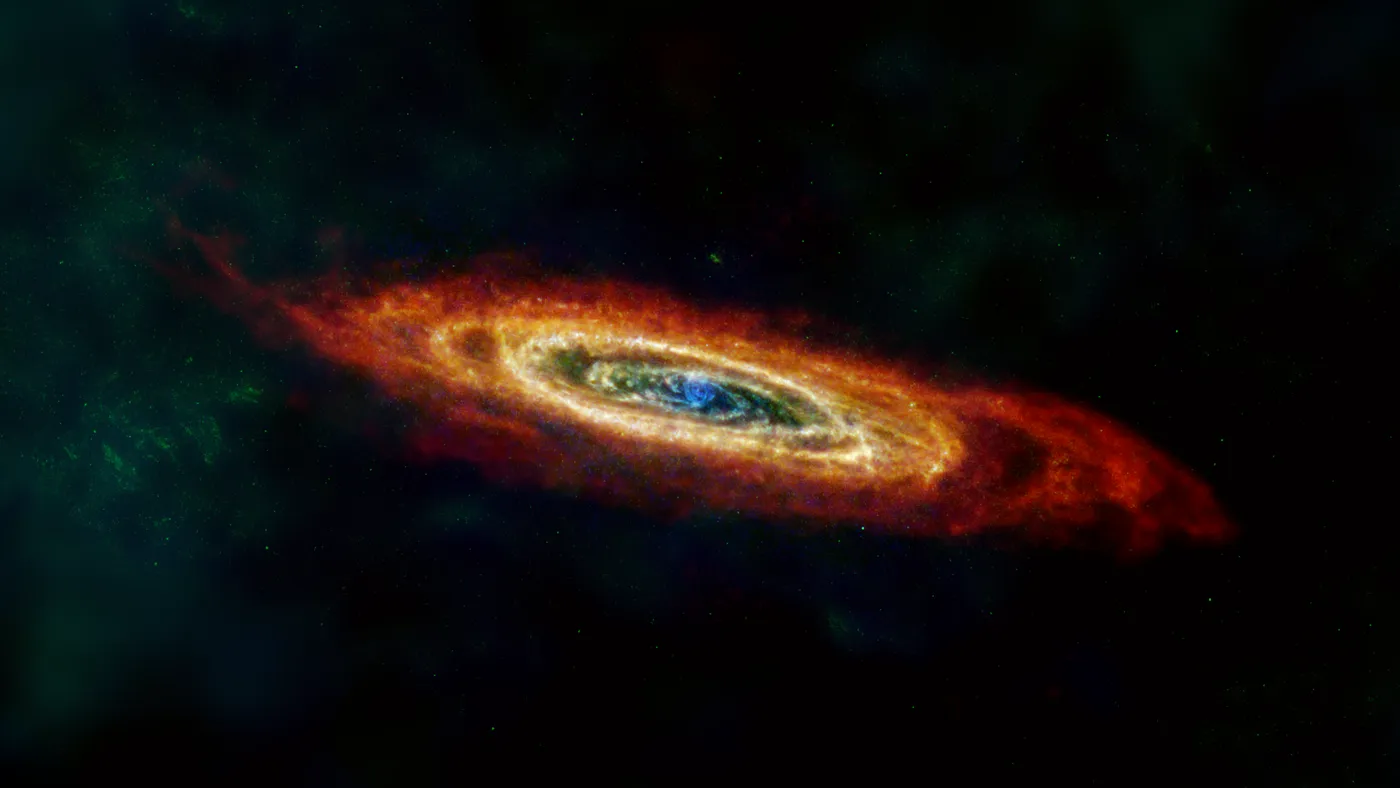
The mission was an ESA project with substantial contributions from several countries, launched together with the Herschel observatory on a single Ariane 5 — two large, cryogenically cooled observatories sharing one ride to the Lagrange point, an unusually efficient piece of programme management.
It ran until its coolant was exhausted in 2013 and was then parked in a graveyard orbit around the Sun. Its data continues to underpin essentially every cosmological analysis published since, and no successor mission of comparable ambition has yet been approved.