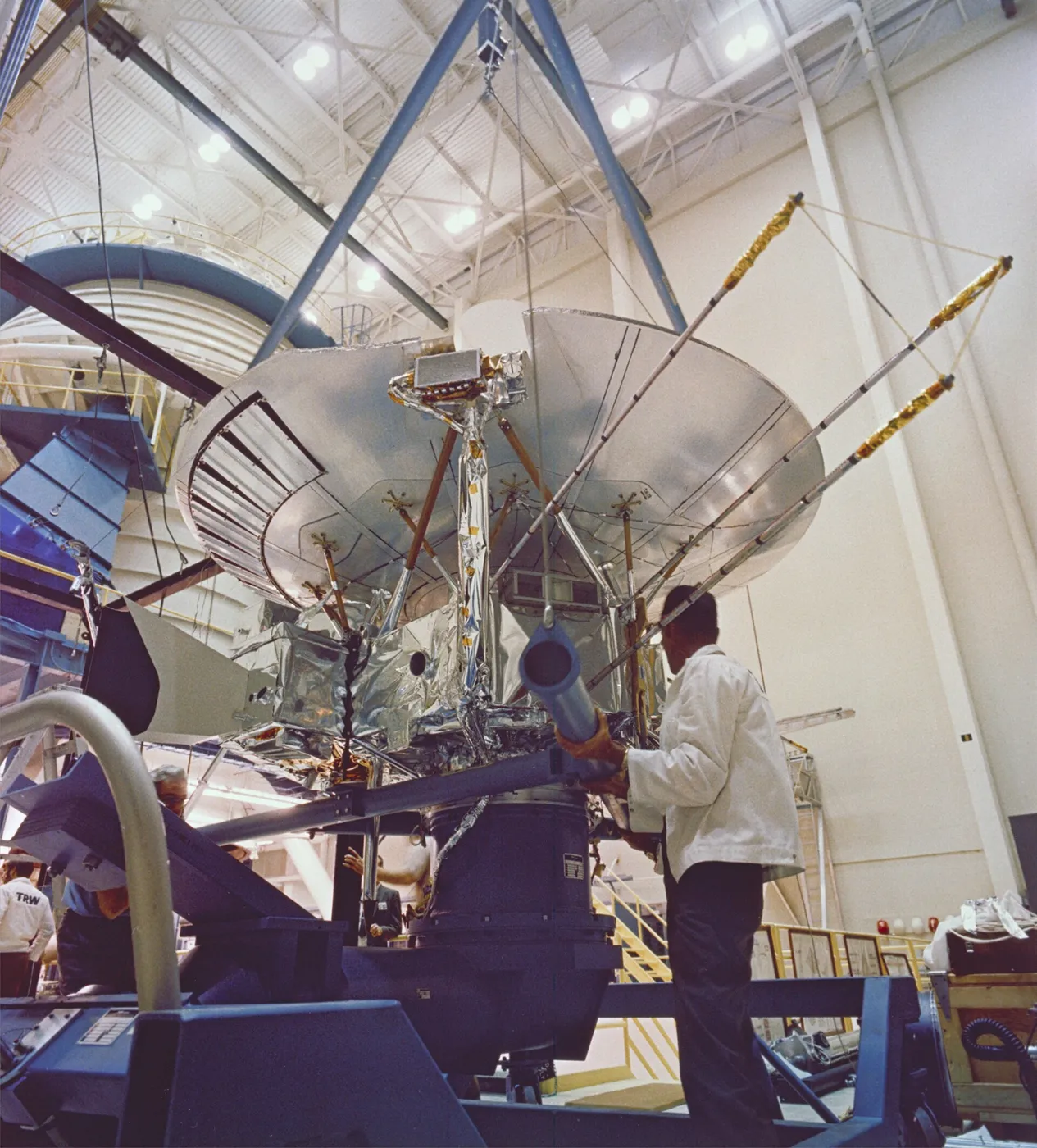
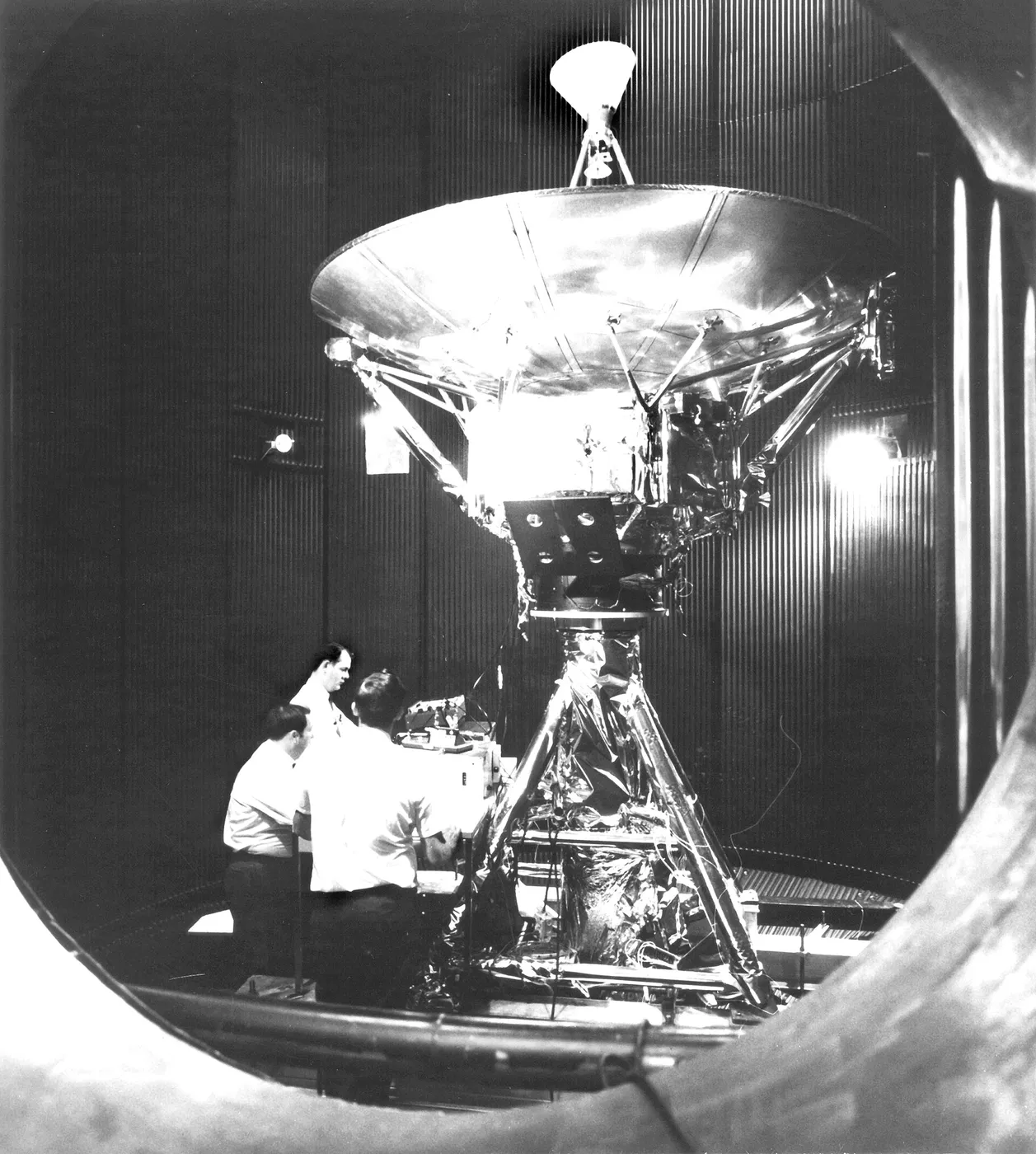

With the Air Force's Thor-Able attempts exhausted, the lunar effort passed to the Army's team at the Jet Propulsion Laboratory, and Pioneer 3 was their first try. Launched on 6 December 1958 atop a Juno II rocket, it was a slender, cone-shaped probe meant to fly past the Moon rather than orbit it.
Once again the rocket came up short. Its engine shut down a fraction too early, and Pioneer 3 lacked the speed to reach the Moon; it coasted out to about 102,000 kilometres before falling back toward the Earth.
Yet the flight earned its place in the record books. As it climbed and fell, its lone radiation counter swept twice through the space around the Earth and revealed that the Van Allen radiation belts were not a single zone but two — an unexpected discovery that stands among the most valuable results of the early Pioneers.
The rocket cut off four seconds early, which was enough to ruin the trajectory. The spacecraft reached about 102,000 kilometres — well short of the Moon — and fell back to burn up over Africa some 38 hours after launch.
It nonetheless made a discovery. Its radiation counters, passing twice through the belts on the way out and back, revealed that the region Explorer 1 had found was not a single zone but two distinct belts of trapped particles. James Van Allen combined this data with the Explorer results to establish the structure that now carries his name — a significant piece of physics extracted from a failed lunar shot.