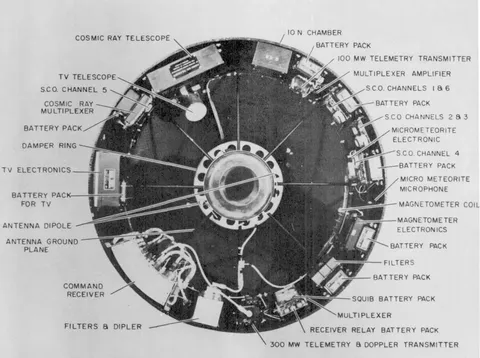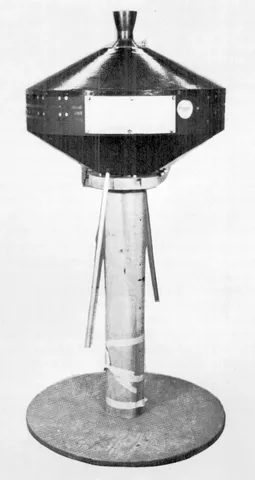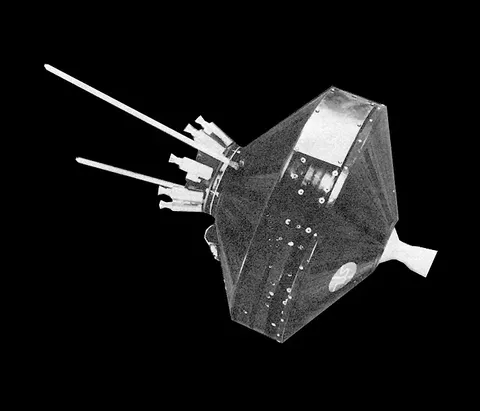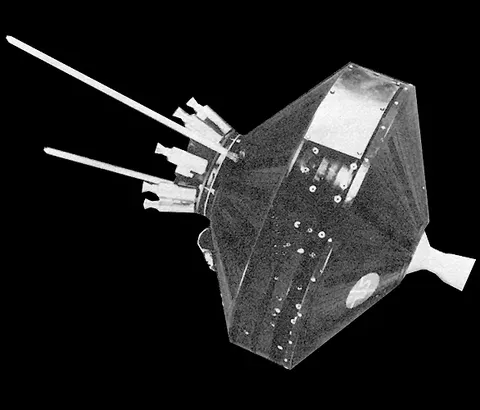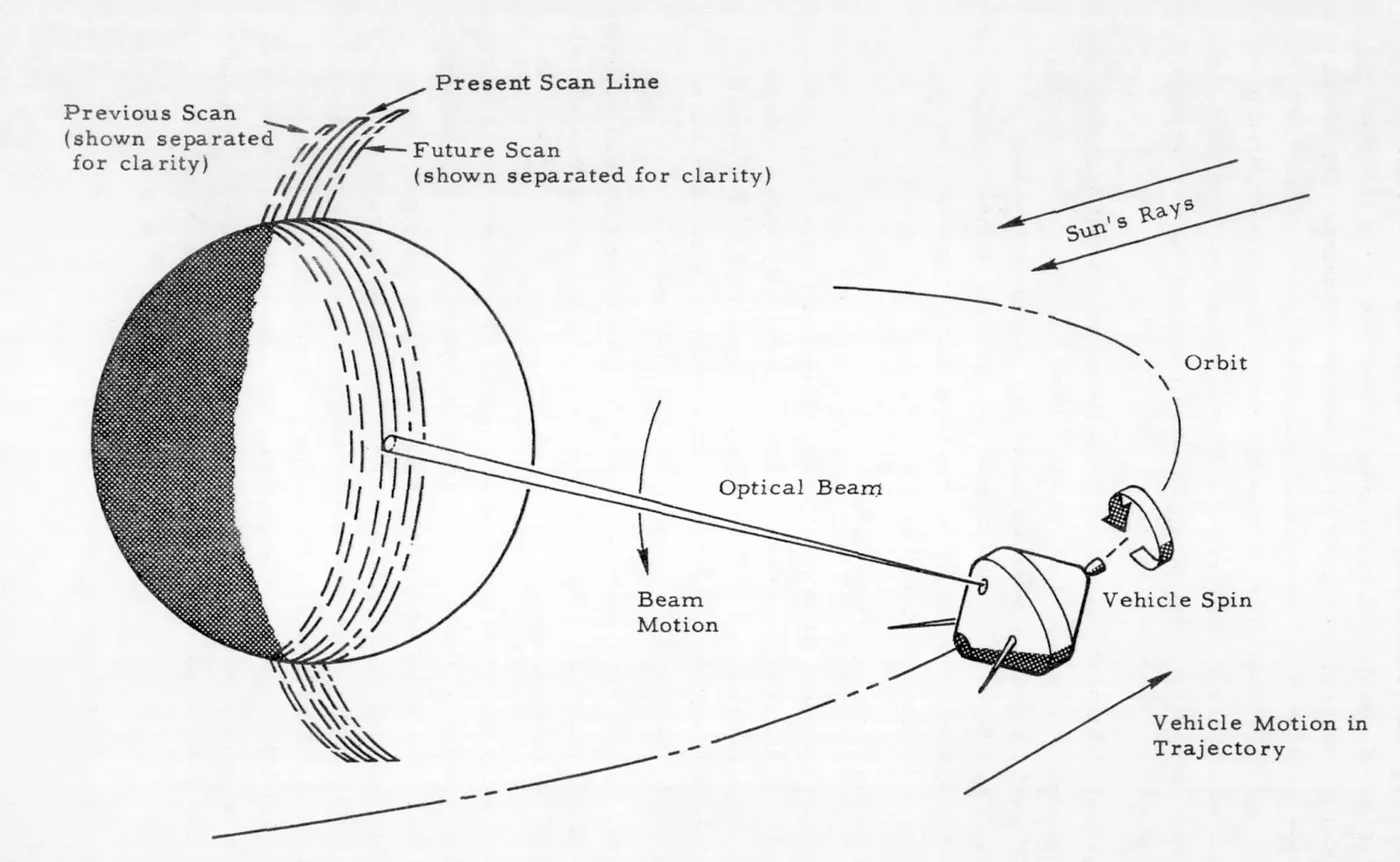
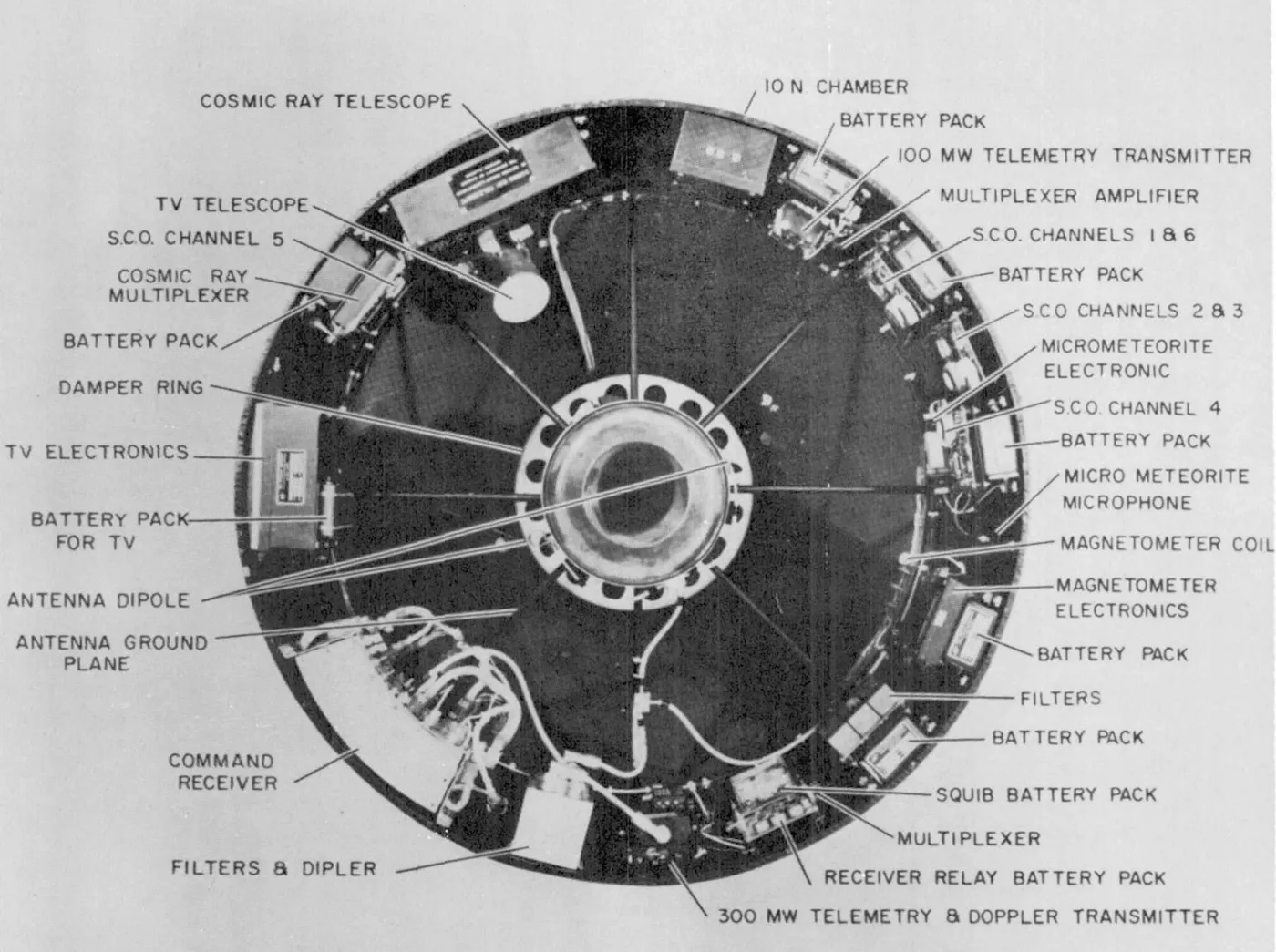

Pioneer 2 was the third and last of the Thor-Able lunar attempts, launched on 8 November 1958 with the same ambition as the two flights before it — to reach the Moon and study the space in between.
This time the failure came at the very end of the climb. The rocket's first two stages fired as intended, but the third stage never ignited, leaving the probe without the speed it needed to break free of the Earth. It rose only a few hundred kilometres before falling back.
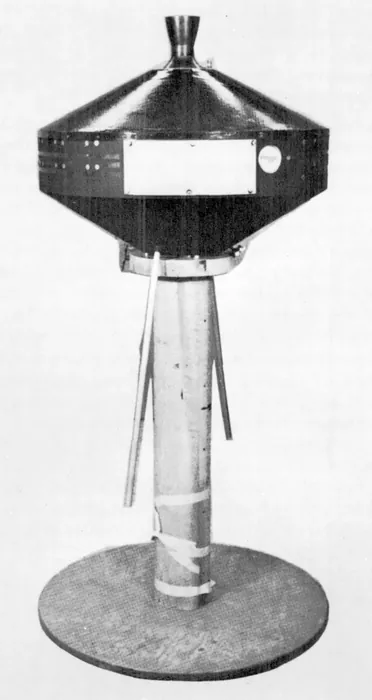
Pioneer 2 burned up in the atmosphere within hours, and with it the first phase of the programme drew to a close — three tries, three failures, and no spacecraft anywhere near the Moon. The next attempts would pass to a different rocket and a different team, but the determination to reach the Moon was undimmed.
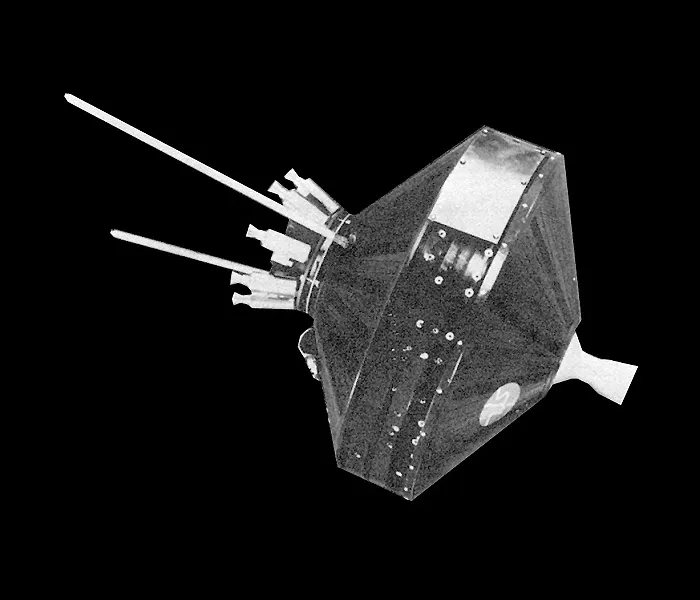
The third stage never lit. Without it the spacecraft had nowhere near the energy to leave Earth, and it reached an altitude of only about 1,550 kilometres before falling back and burning up some three-quarters of an hour after launch.
It returned a little data on the radiation belts and micrometeorite flux in the brief time available. Its more useful legacy was diagnostic: three attempts, three different failure modes, all in the upper stages — a pattern that pushed the emphasis in early rocket development firmly towards ignition reliability at altitude, where nothing could be inspected or repaired.