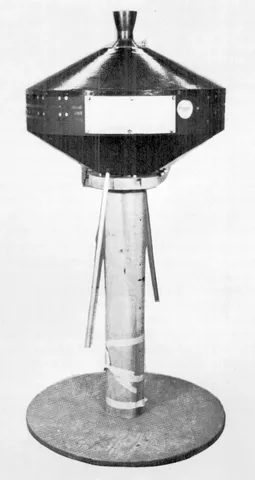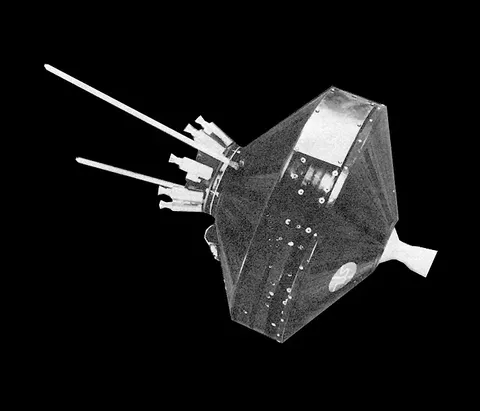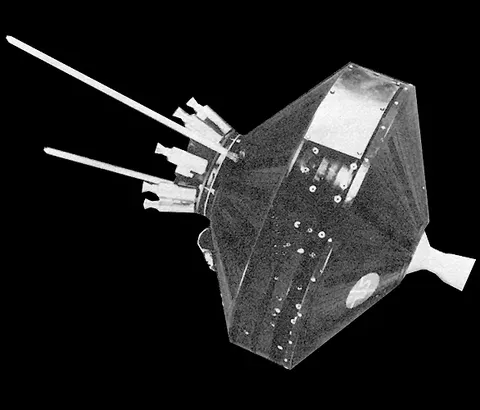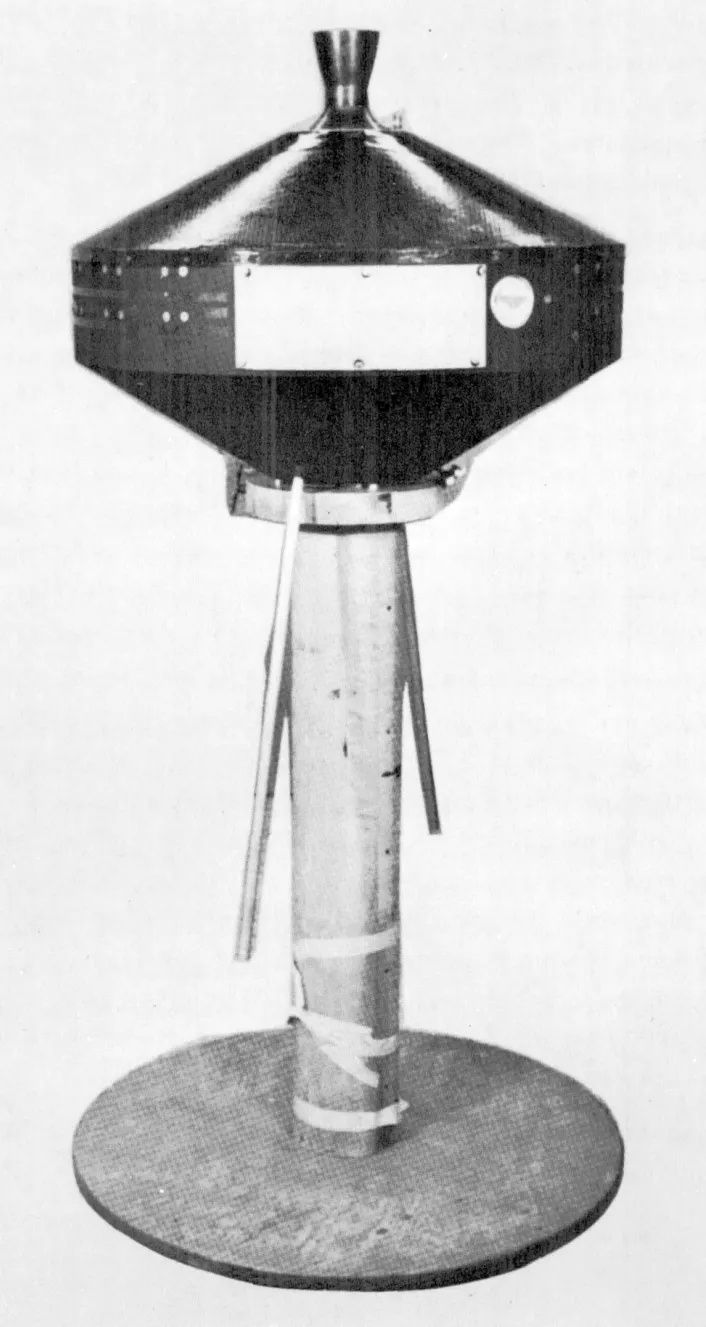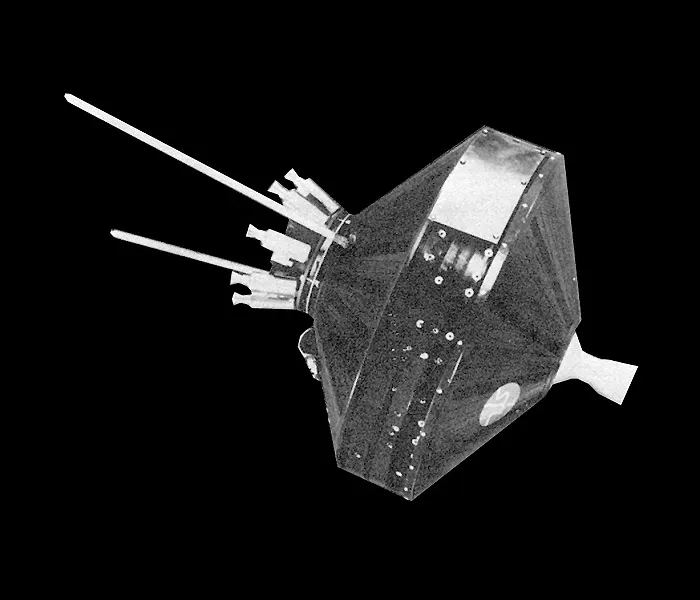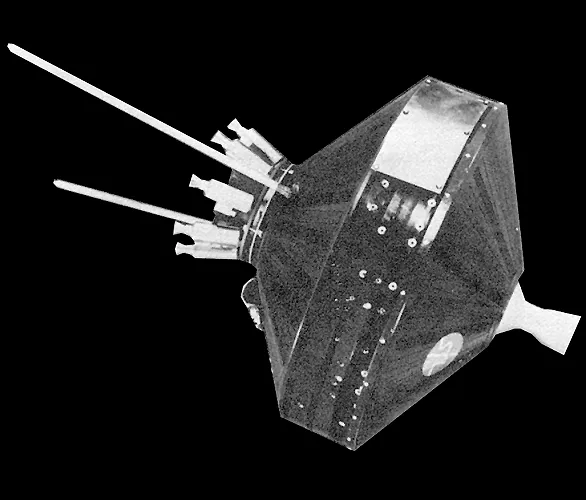

The Pioneer name was first attached to a cluster of hurried attempts to reach the Moon at the very dawn of the space age, launched in the anxious months after Sputnik. Pioneer 0 was the opening shot — an Air Force probe, conceived before NASA even existed, that aimed to swing into orbit around the Moon and radio home from lunar distance.
It never got the chance. On 17 August 1958 the Thor-Able rocket carrying it tore itself apart barely a minute into the flight, when a turbopump in the first stage failed and the booster exploded. The little probe was destroyed with it, far short of space.
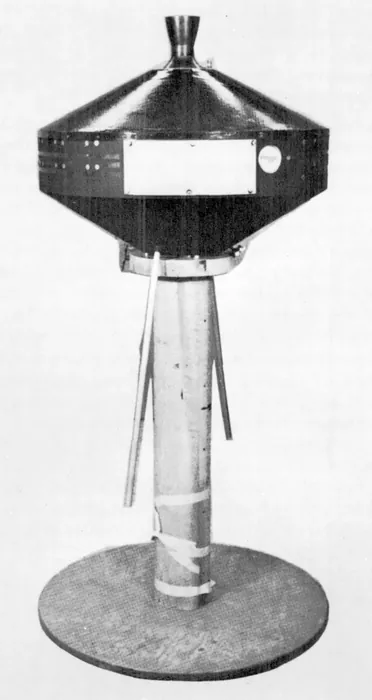
The loss was almost total, but the attempt itself mattered: it was among the first efforts by any nation to send a spacecraft beyond the Earth, and it set the pattern of ambition outrunning the reliability of the rockets of the day — a pattern the early Pioneers would repeat again and again.
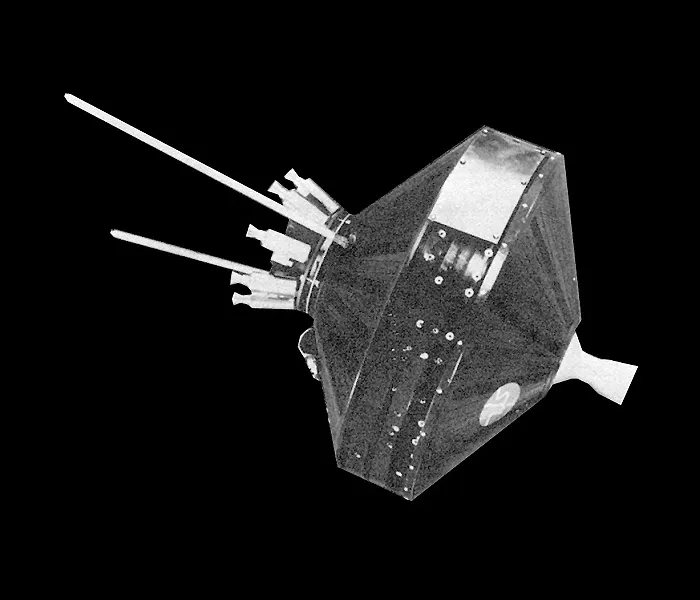
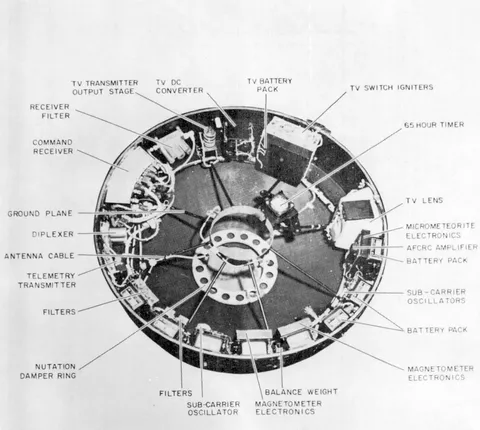
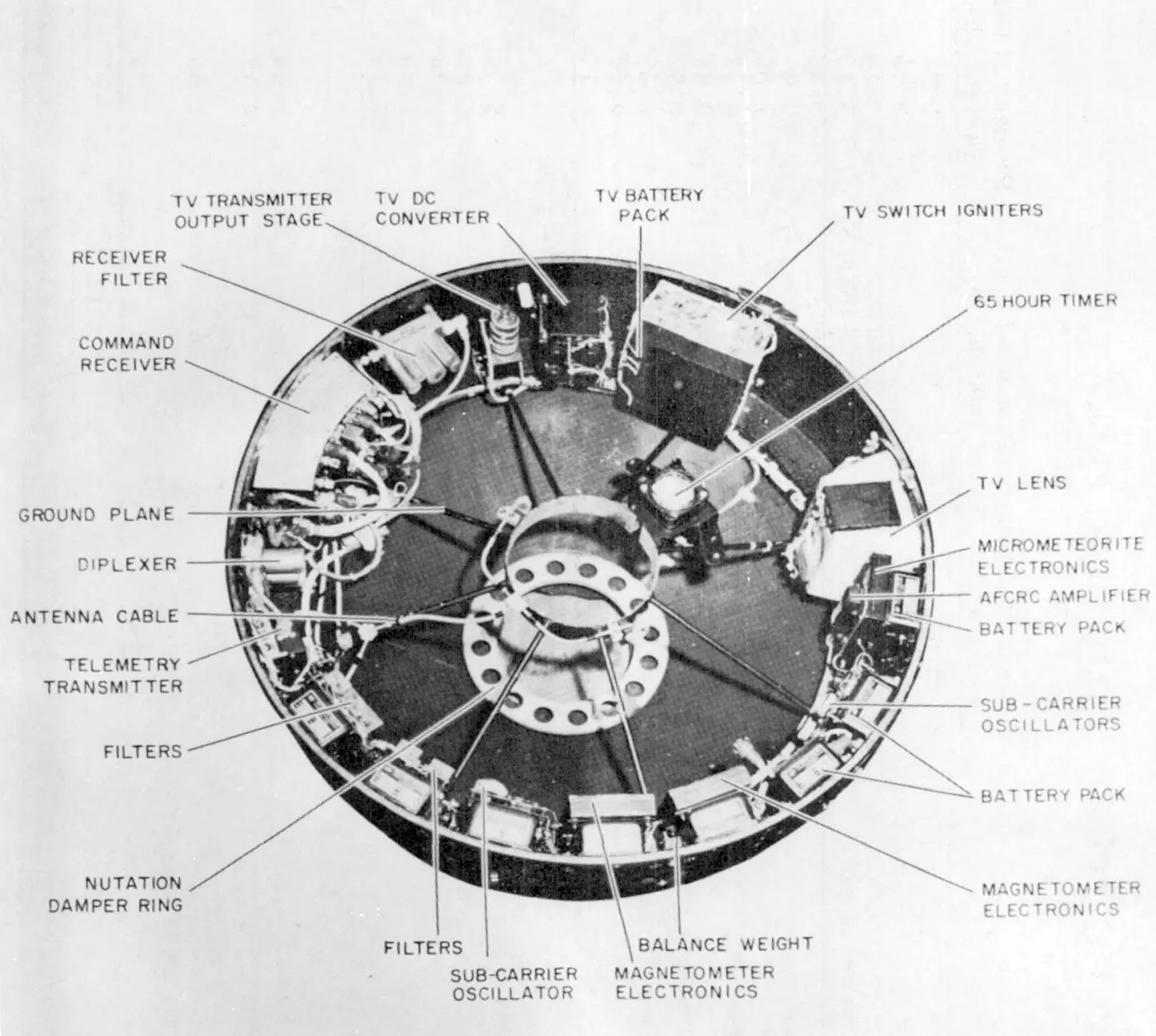
The probe was ambitious for something built in a hurry. It carried a television camera intended to photograph the lunar surface, a micrometeorite detector and a magnetometer, and had it worked it would have become the first spacecraft to orbit another world — an objective not actually achieved by anyone for another eight years.
It also belonged to nobody, briefly. Conceived by the Air Force before NASA existed and managed by the newly formed advanced projects agency, it was among the missions transferred to the civilian agency when NASA opened for business two months after the launch failed. The early lunar programme was in effect handed over as a set of unfinished attempts.