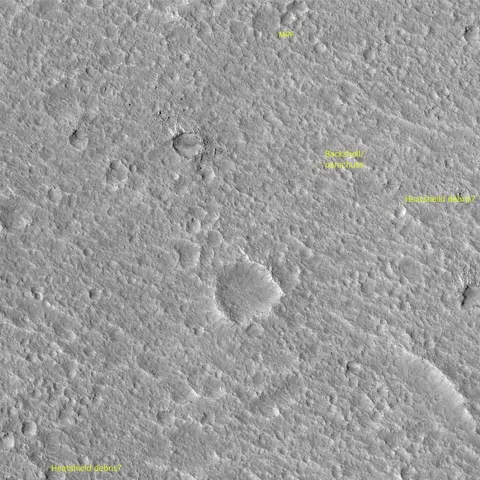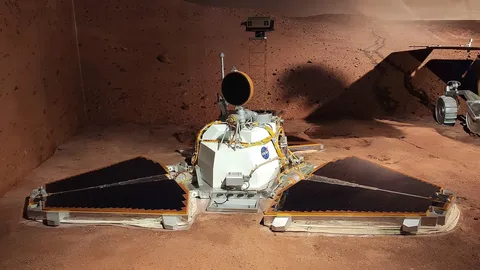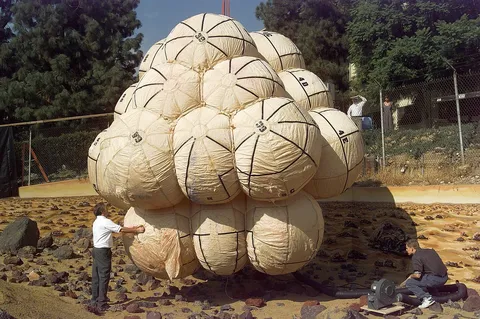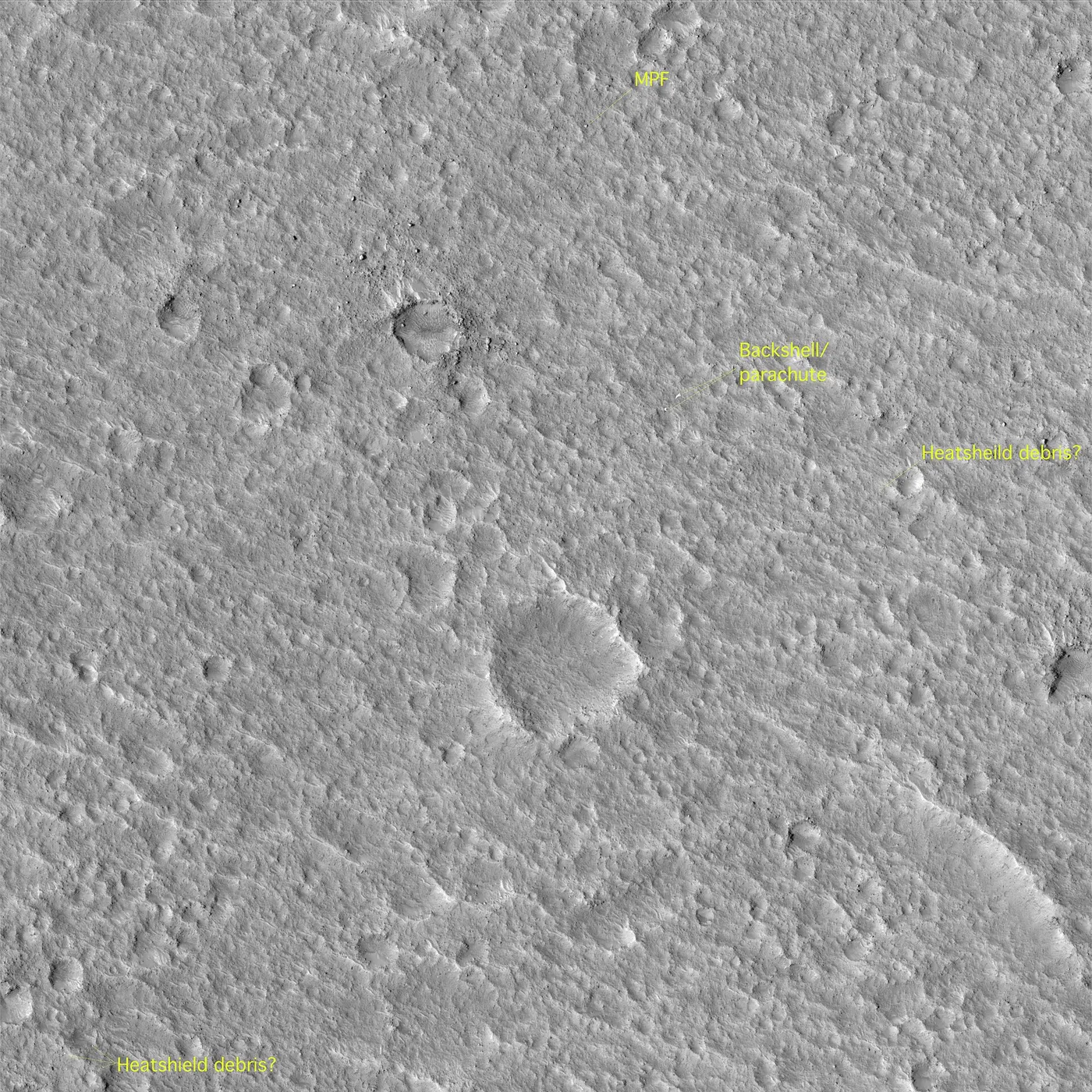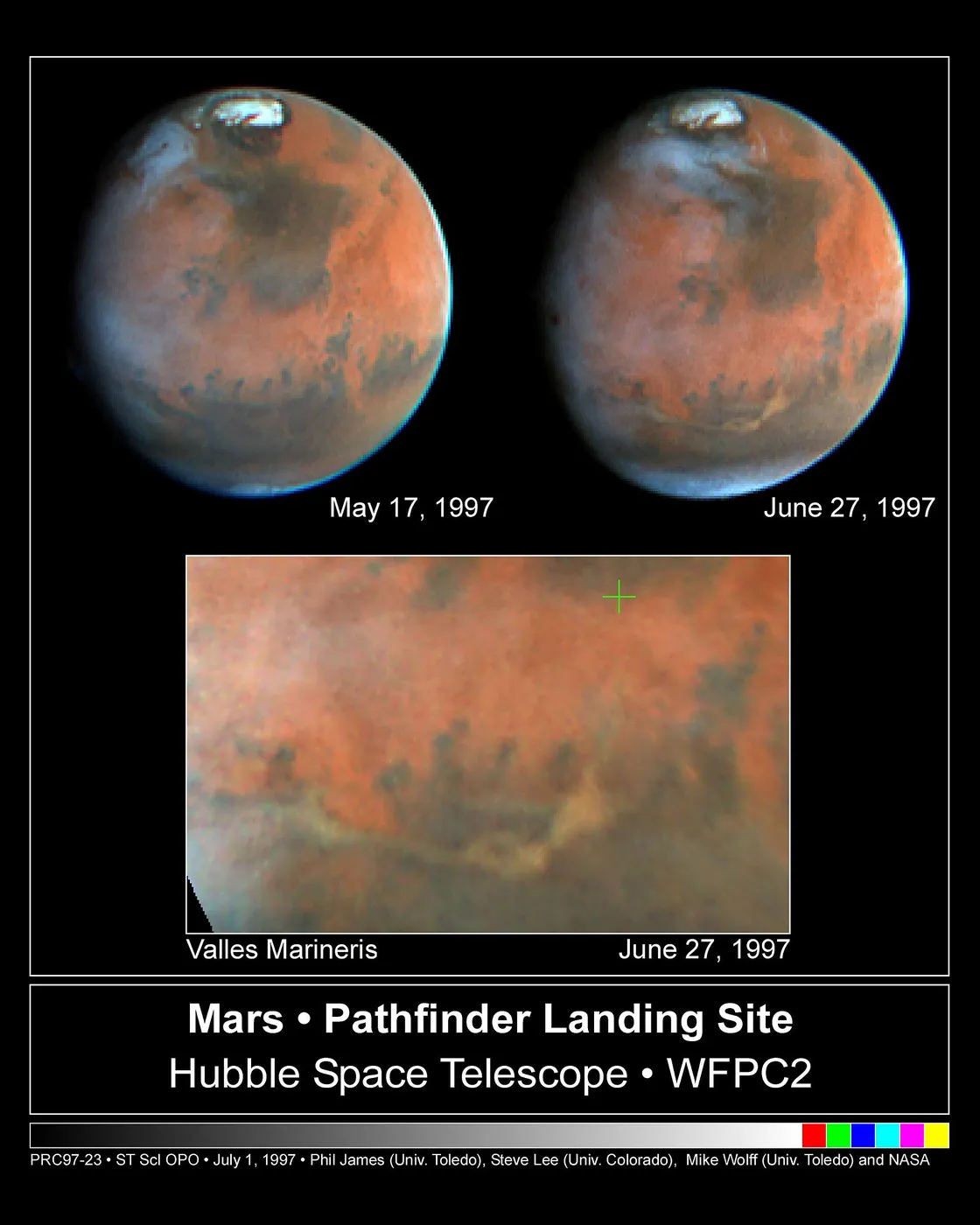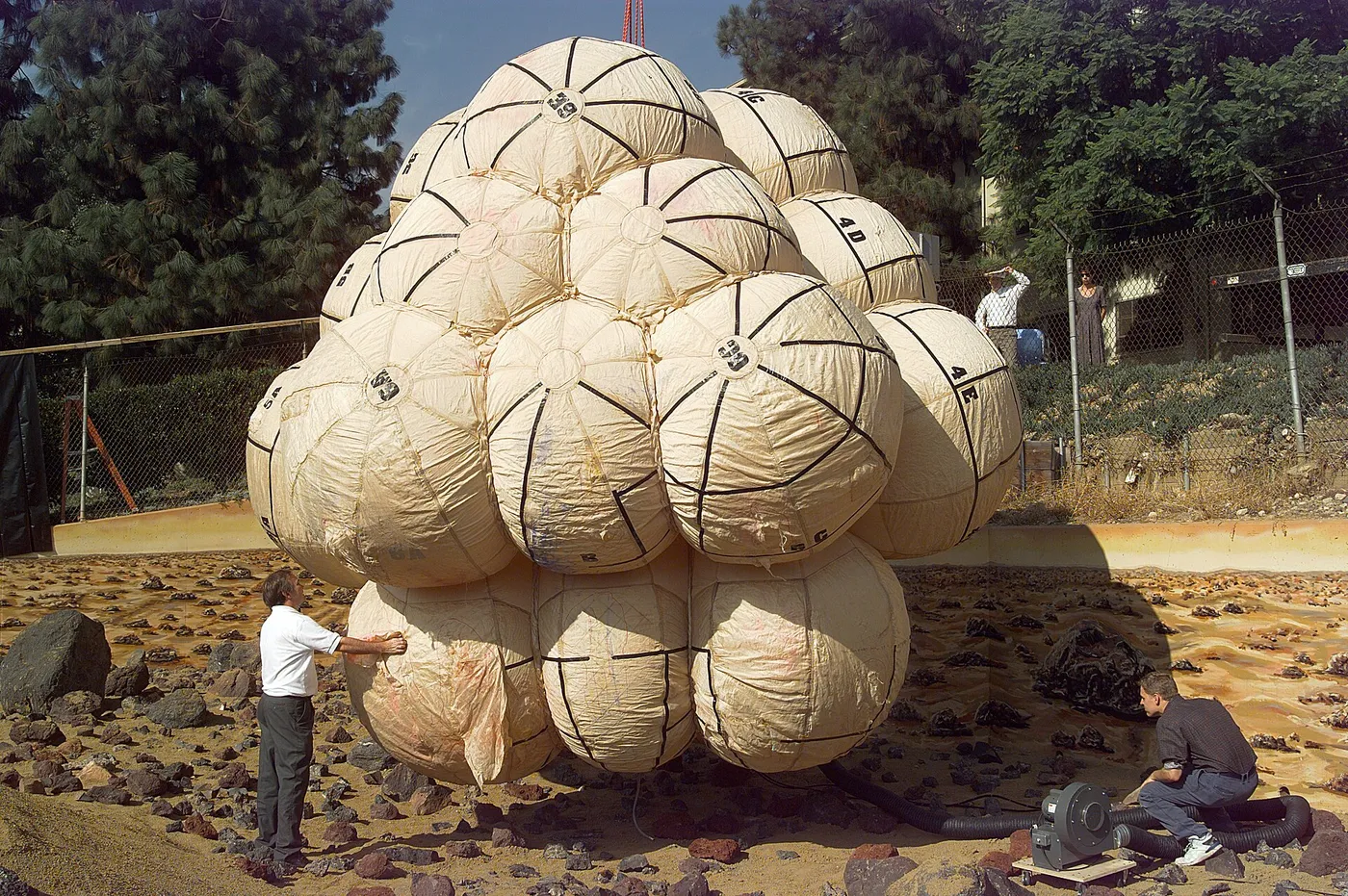

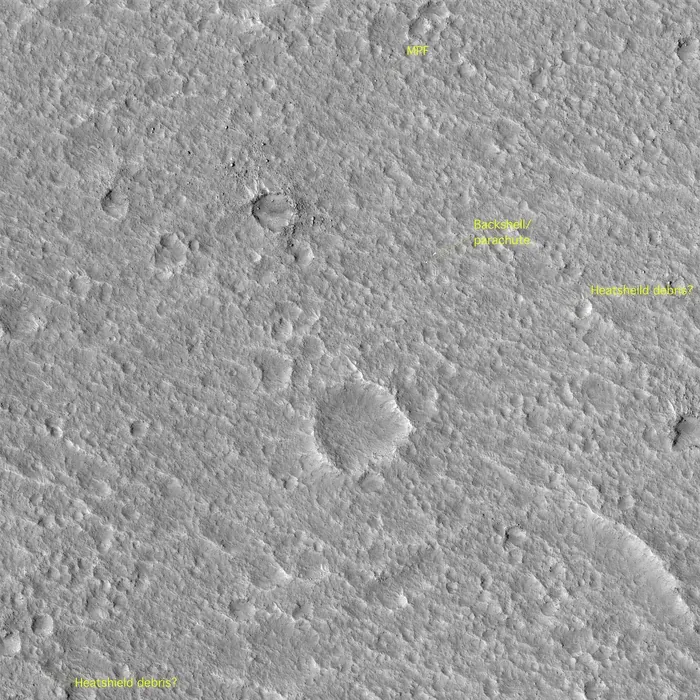
Mars Pathfinder landed on 4 July 1997 by bouncing. Rather than the expensive rocket-braked descent the Vikings had used, it inflated a cocoon of airbags and simply dropped, striking the surface at around 50 kilometres per hour and rebounding some fifteen metres into the air, bouncing at least fifteen times across Ares Vallis before rolling to a stop.
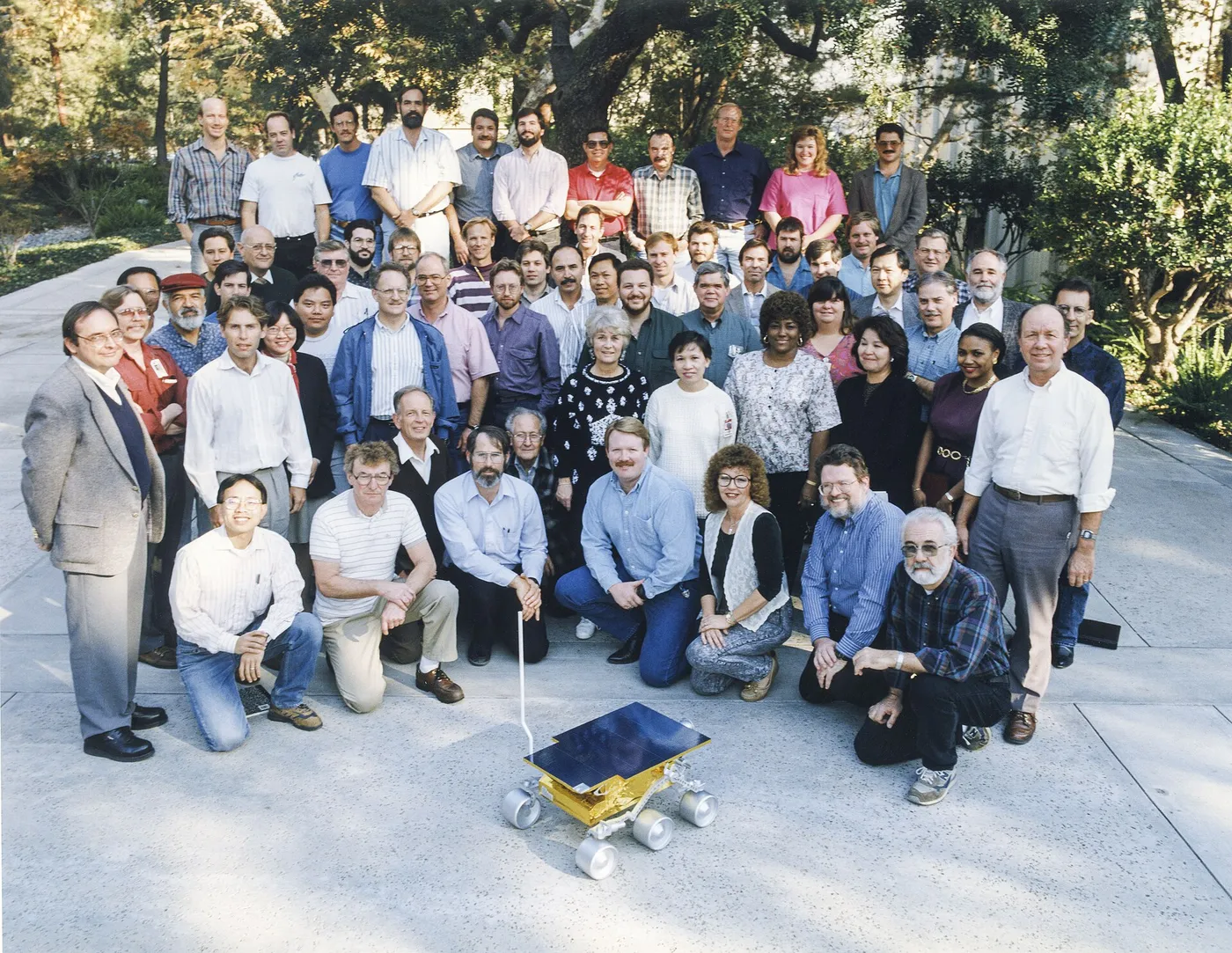
It was the flagship of NASA's faster, better, cheaper doctrine — built in under four years for roughly a quarter of a billion dollars, a fraction of what a Viking had cost. The gamble was that several inexpensive missions would deliver more than one expensive one, and here it paid off spectacularly.
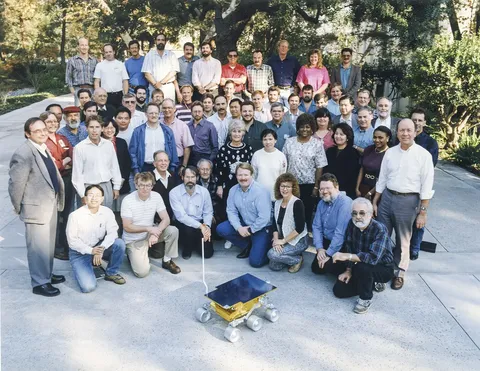
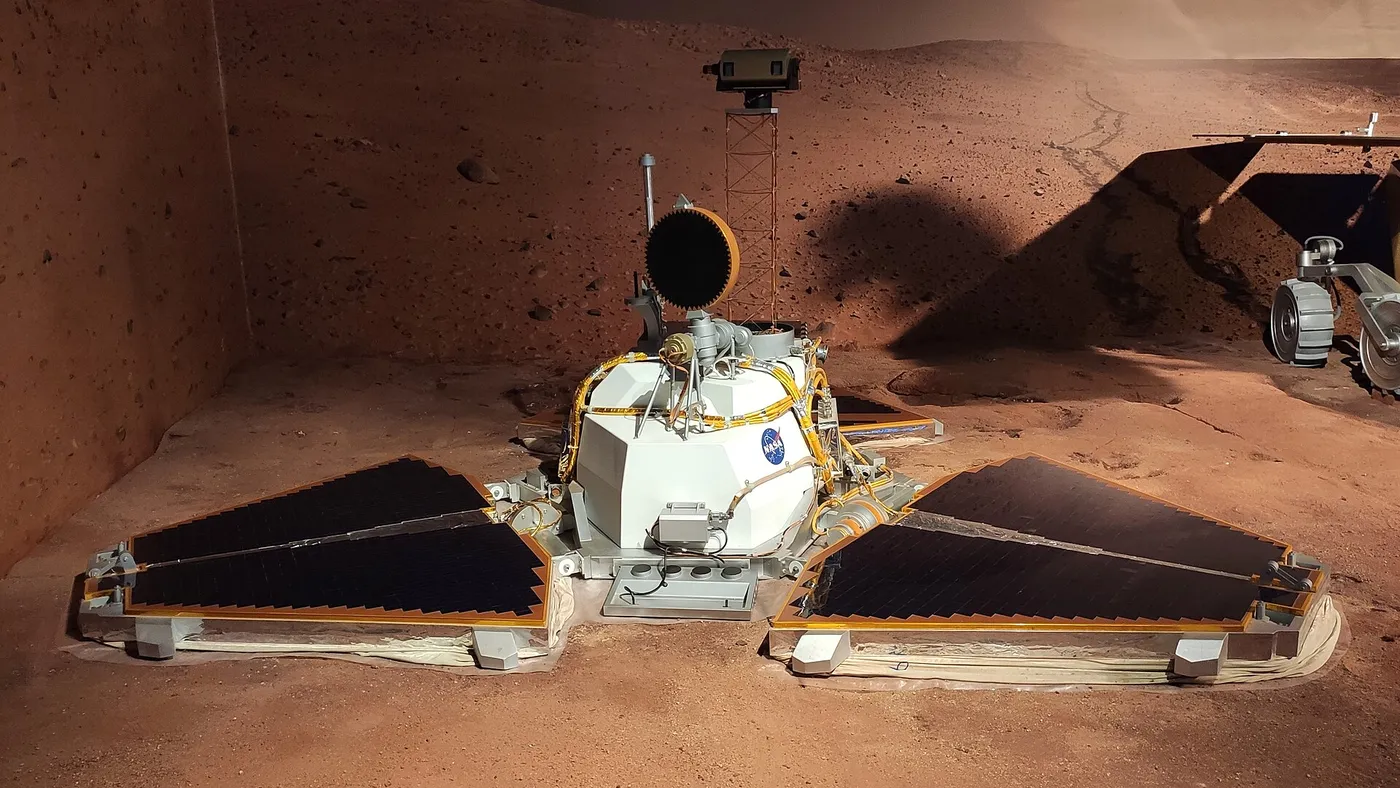
The lander carried a rover the size of a microwave oven. Sojourner weighed 10.5 kilograms, moved at about a centimetre per second, and was named by a twelve-year-old girl from Connecticut after Sojourner Truth. It was the first wheeled vehicle to operate on another planet, and it spent 83 days nudging up against rocks that the team gave names like Barnacle Bill and Yogi.
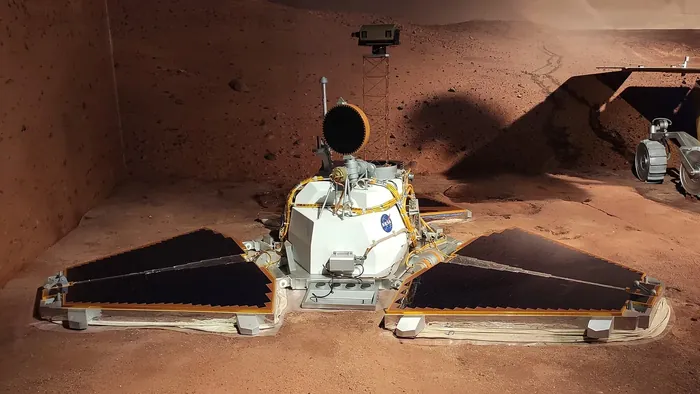
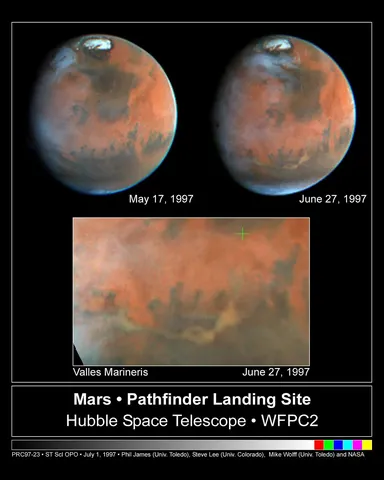
Its chemical analyses, combined with the lander's images of rounded pebbles and what looked like conglomerate rock, supported the interpretation of Ares Vallis as an ancient flood plain — debris washed down by catastrophic outflows of water. The site had been chosen precisely because orbital images suggested a flood had deposited rocks from many different terrains in one convenient place.
The mission also happened to coincide with the arrival of the public internet, and NASA's servers recorded what were then astonishing traffic figures — tens of millions of hits a day from people following a small robot around Mars. The lander was renamed the Carl Sagan Memorial Station, and the enthusiasm it generated is a large part of why the far more ambitious rovers were funded.