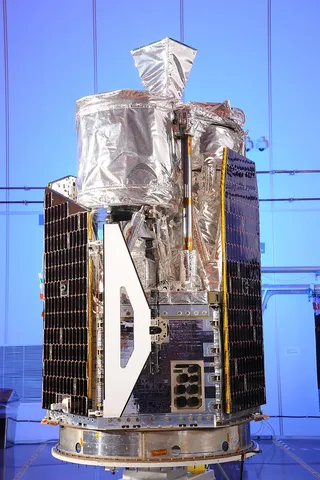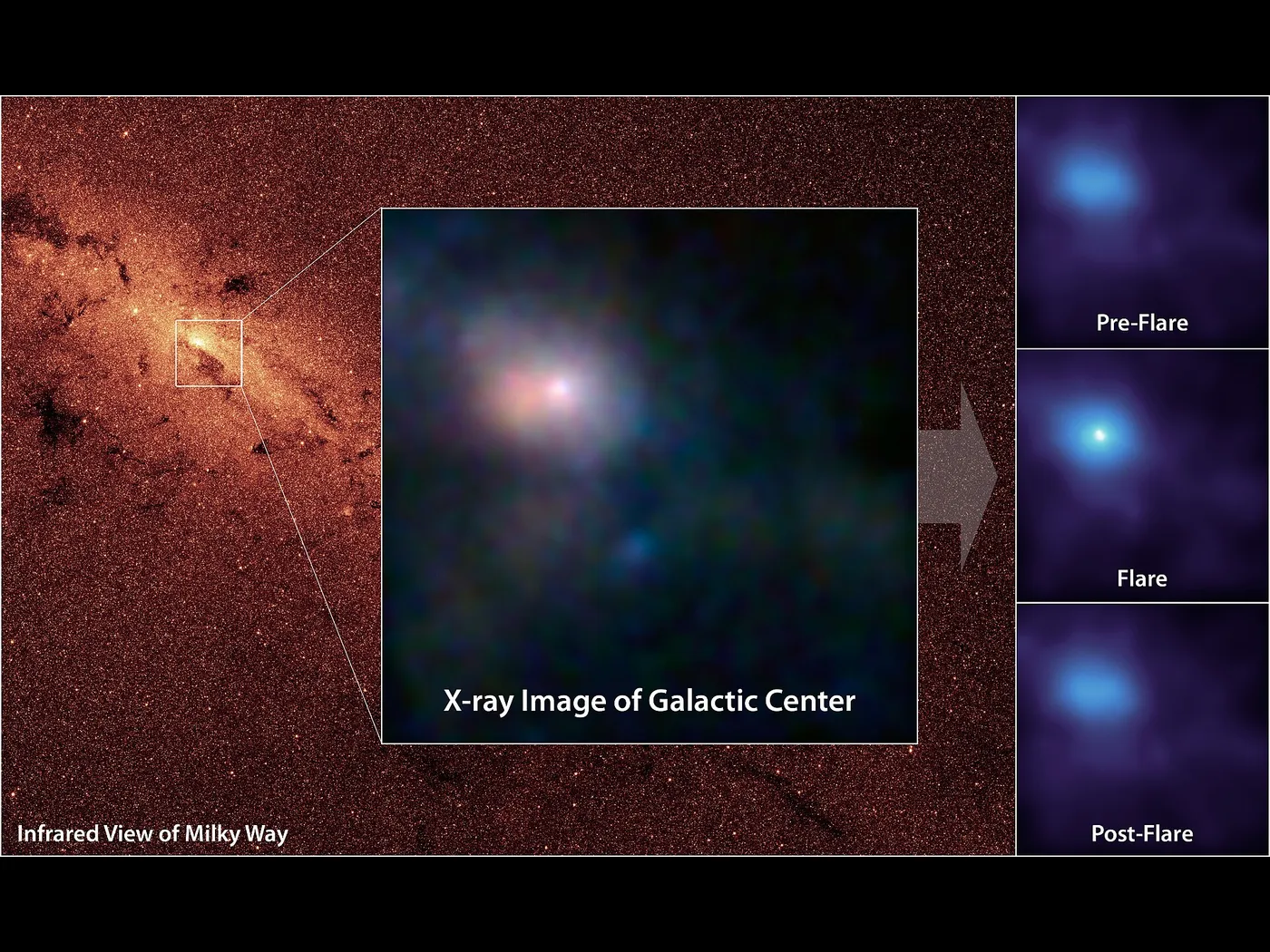

NuSTAR was the first telescope able to focus hard X-rays. Softer X-rays can be deflected by grazing-incidence mirrors, but the higher-energy photons punch straight through, and until 2012 observations at those energies had to use collimators that could not form an image.
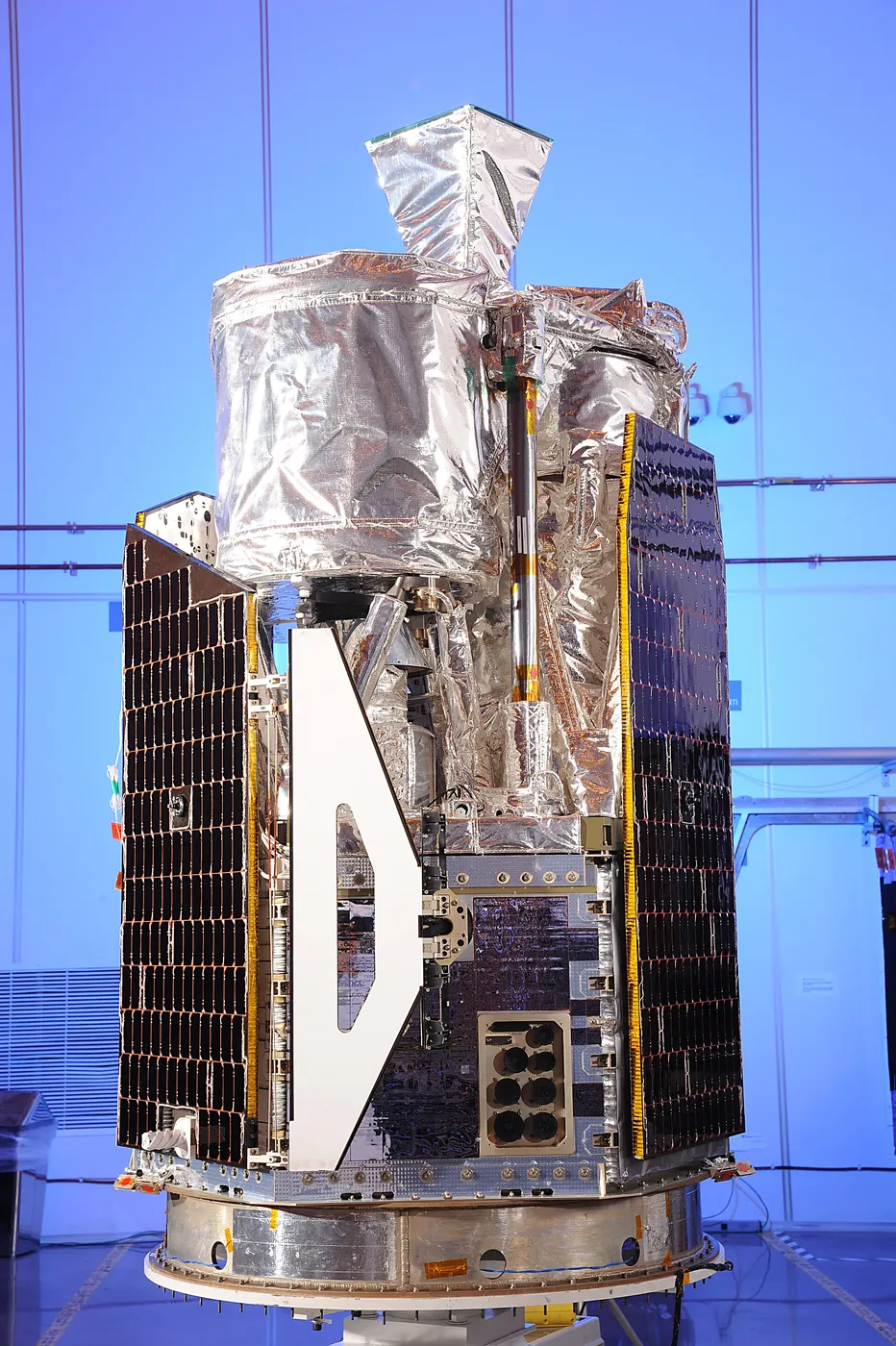
The solution was multilayer coatings — mirrors built from hundreds of alternating atomic-scale layers that reflect hard X-rays through constructive interference. The optics needed a focal length of ten metres, far longer than the rocket, so the telescope launched folded and extended a mast in orbit.
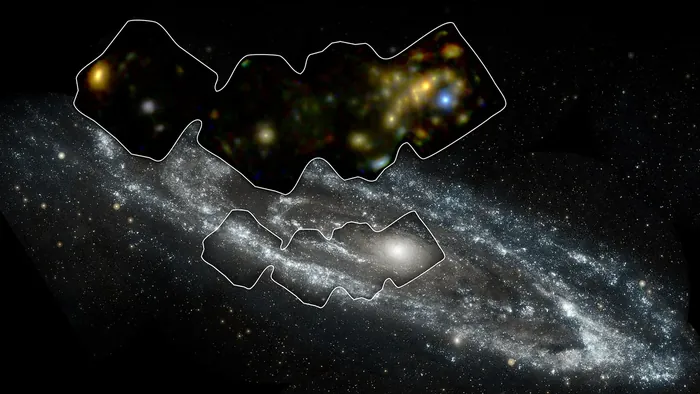
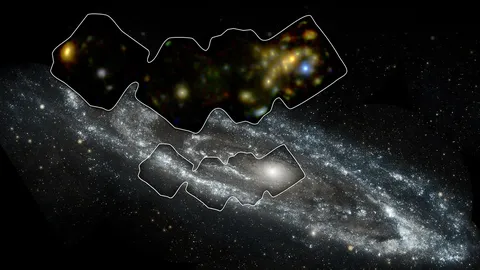
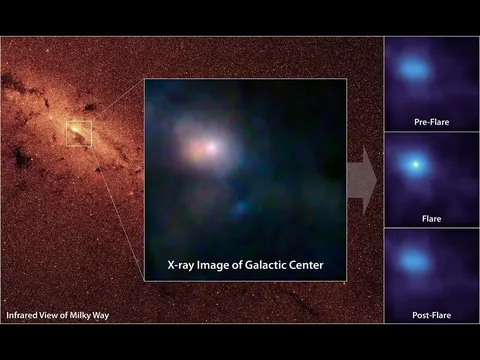
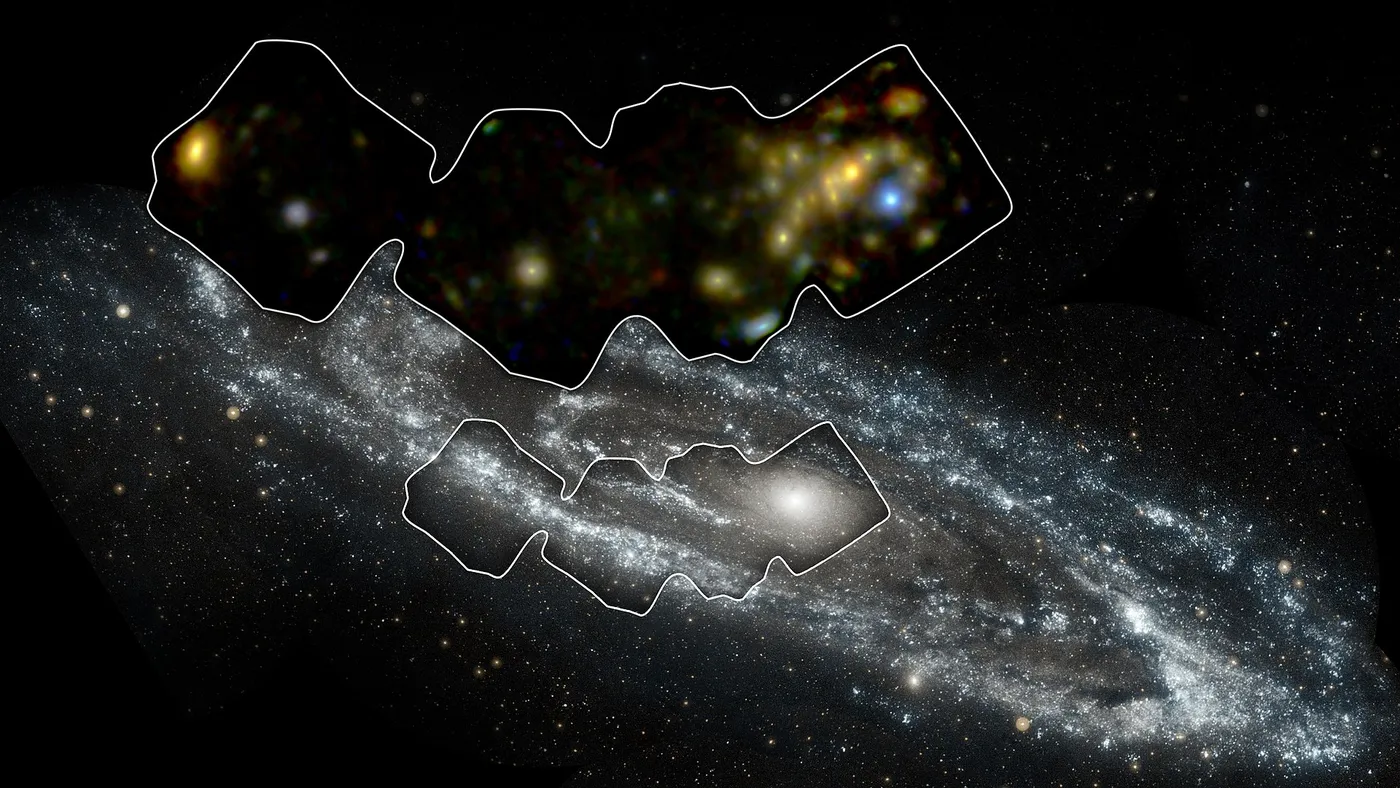
The improvement was dramatic: roughly a hundredfold better sensitivity and ten times better resolution than anything before it in that band. Hard X-rays penetrate the obscuring dust and gas that hides many black holes, so NuSTAR could find the heavily buried population that softer surveys had missed.
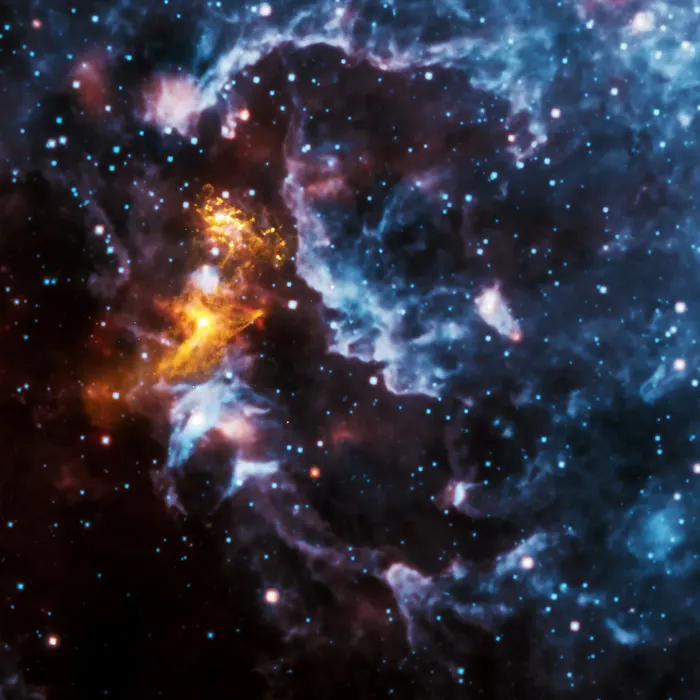
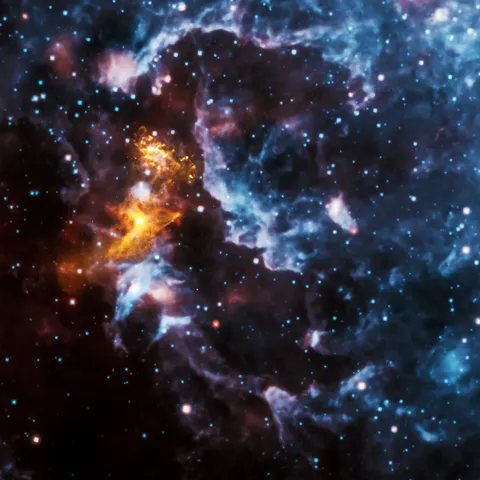
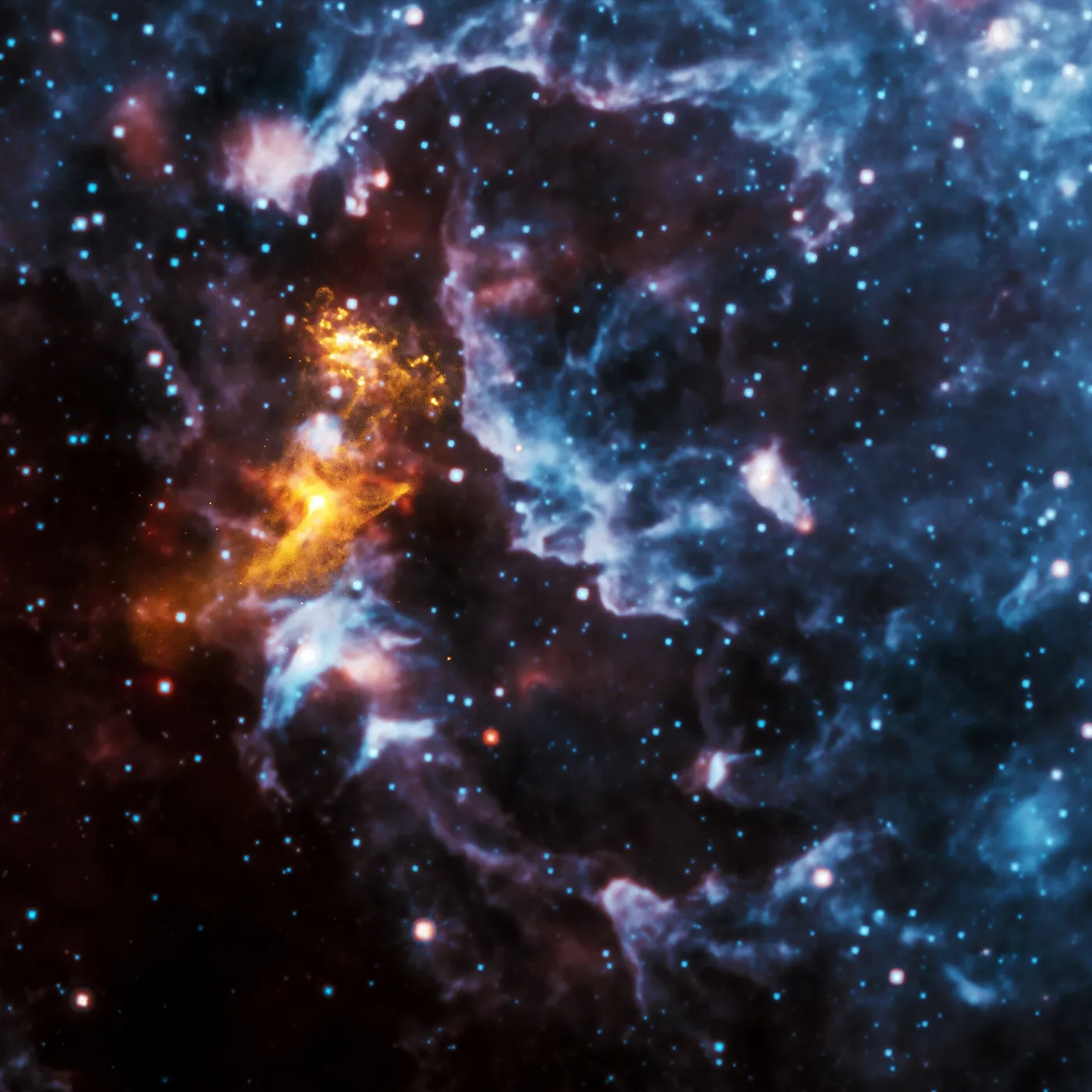
Its most striking single result mapped radioactive titanium-44 in the supernova remnant Cassiopeia A, tracing material forged in the explosion itself. The distribution was distinctly asymmetric, supporting the idea that massive stars explode through a sloshing, lopsided instability rather than a symmetric collapse.
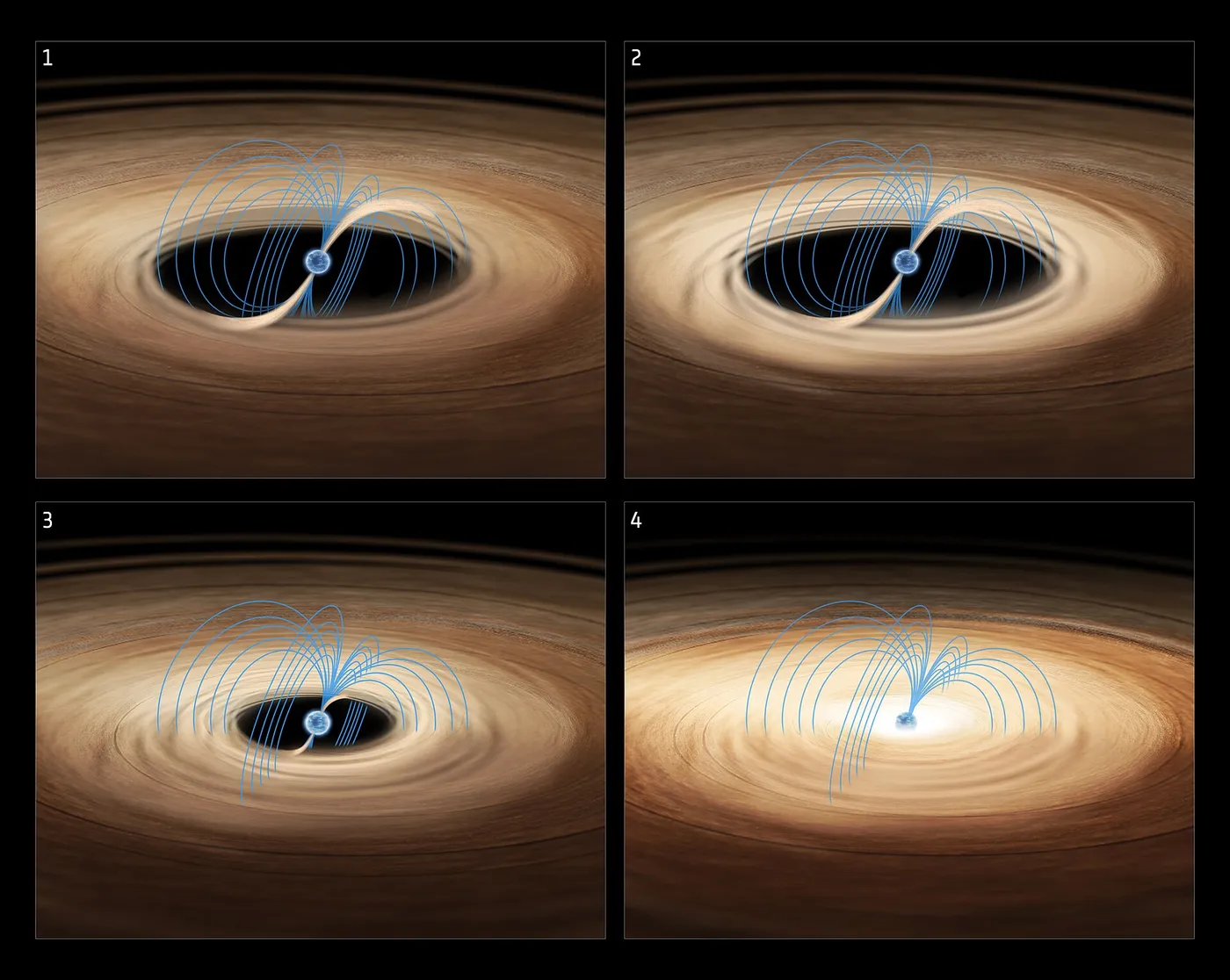
It also measured black-hole spins and observed the corona of hot electrons above accretion disks, and it has operated well past its two-year baseline as a workhorse for high-energy astronomy, often observing jointly with Chandra, XMM-Newton and ground-based facilities.