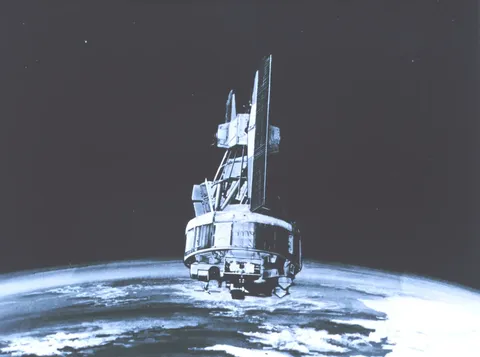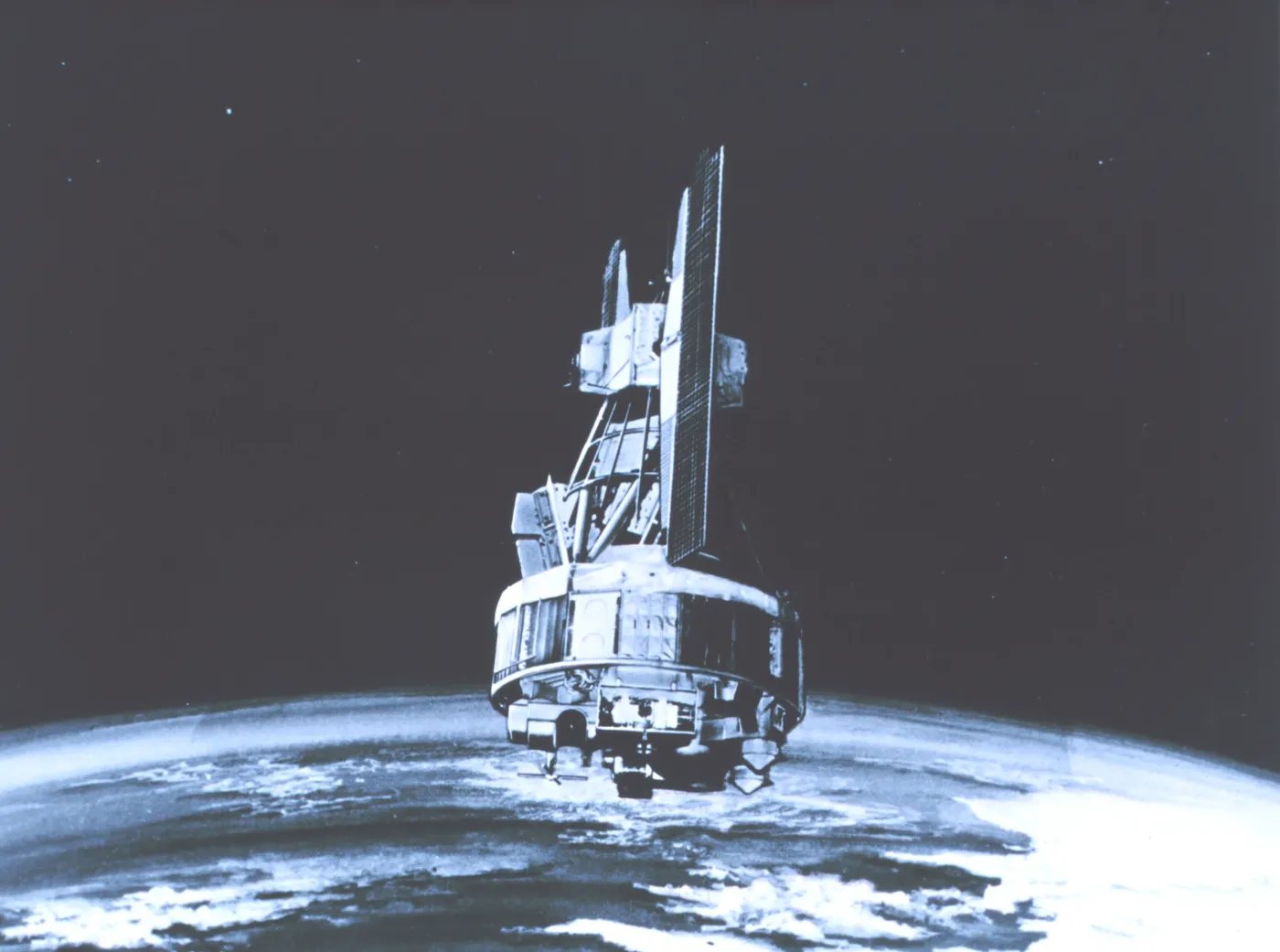

Nimbus-4 began the measurement of ozone from space. Its backscatter ultraviolet instrument observed sunlight scattered from the atmosphere at wavelengths ozone absorbs, from which the total column amount and its vertical distribution could be derived.
The importance of that record was not obvious at the time. Concern about ozone depletion from chlorofluorocarbons was first raised in 1974, four years after launch, by which point a global baseline was already being accumulated by a satellite flown for entirely general purposes.
That baseline proved essential. Detecting a decline requires knowing what the concentration was beforehand, and the satellite record — later extended by instruments on Nimbus-7 and its successors — is what allowed the Antarctic ozone hole to be characterised and its recovery subsequently tracked.
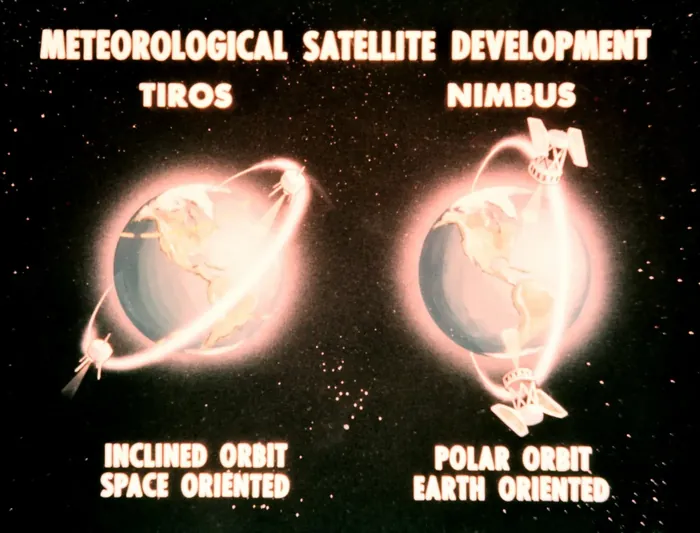
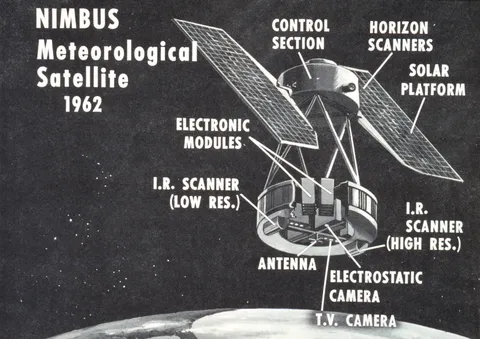
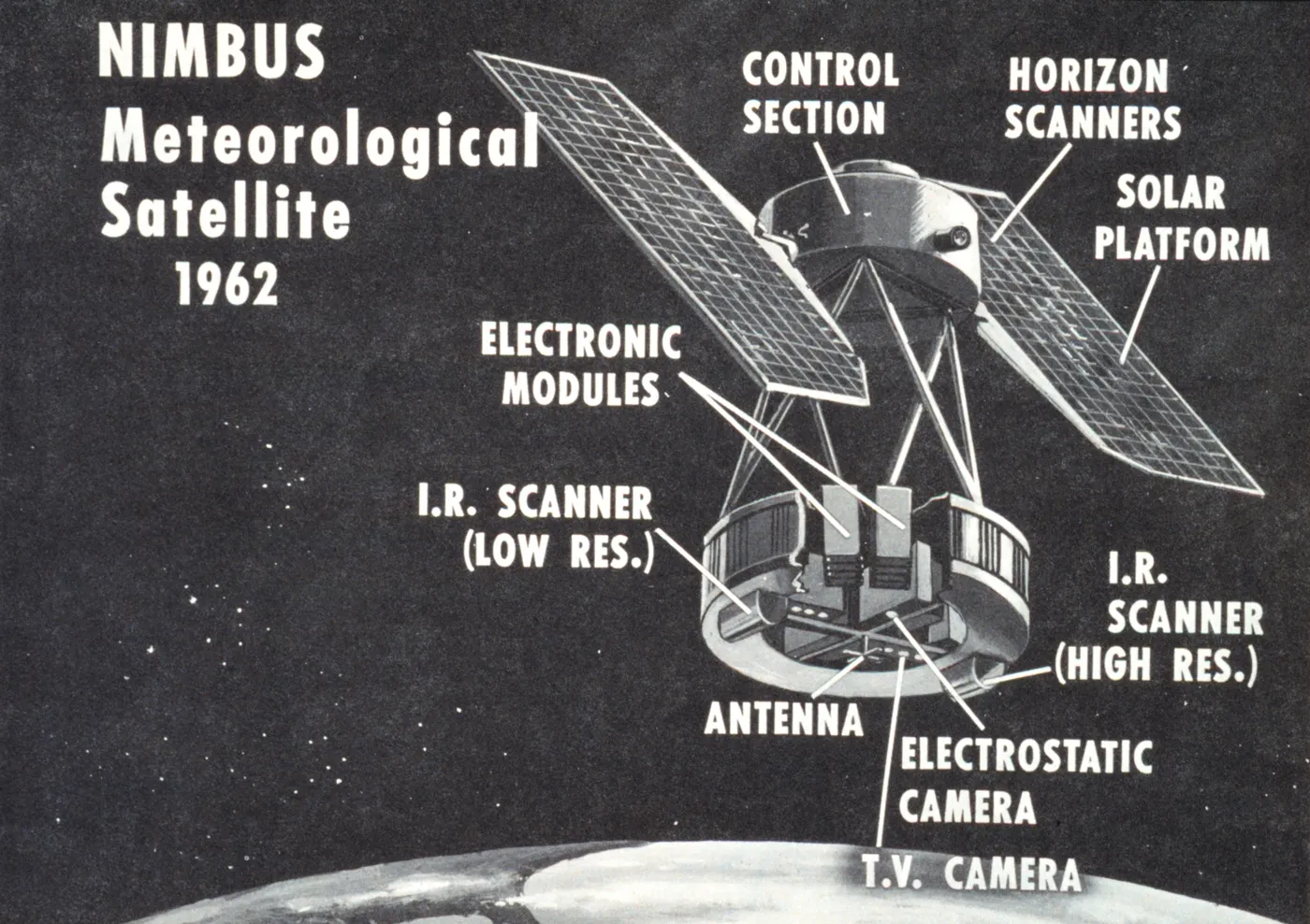
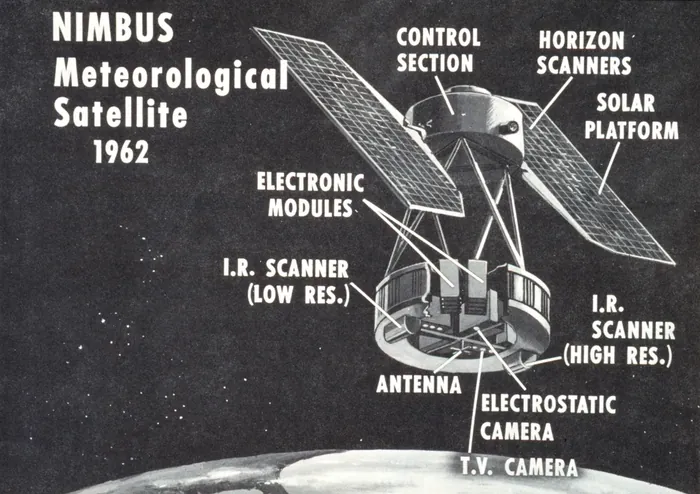
The spacecraft also carried infrared sounders continuing the temperature profiling begun by its predecessor, and instruments measuring water vapour and the properties of the middle atmosphere.
It operated for a decade, an exceptional lifetime for its era, and its data continues to be reprocessed with modern algorithms to extend the ozone record backwards — an example of a mission's value increasing long after it has ended.