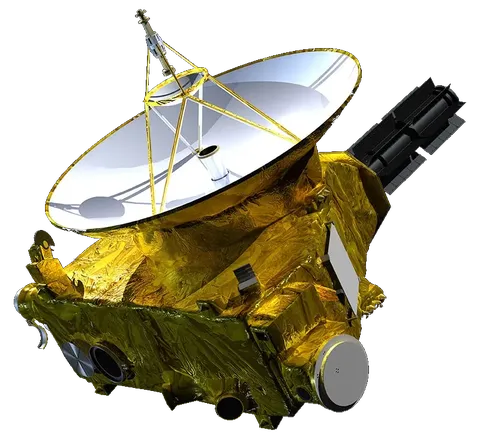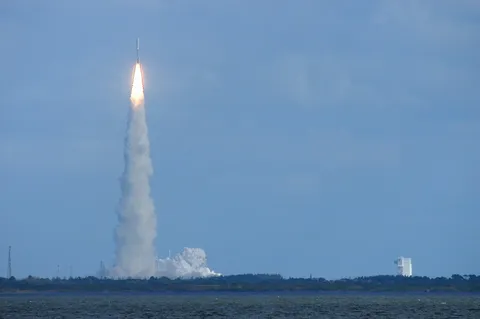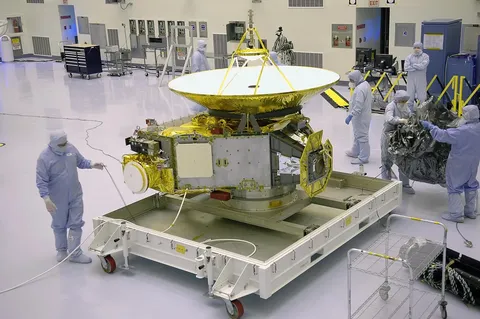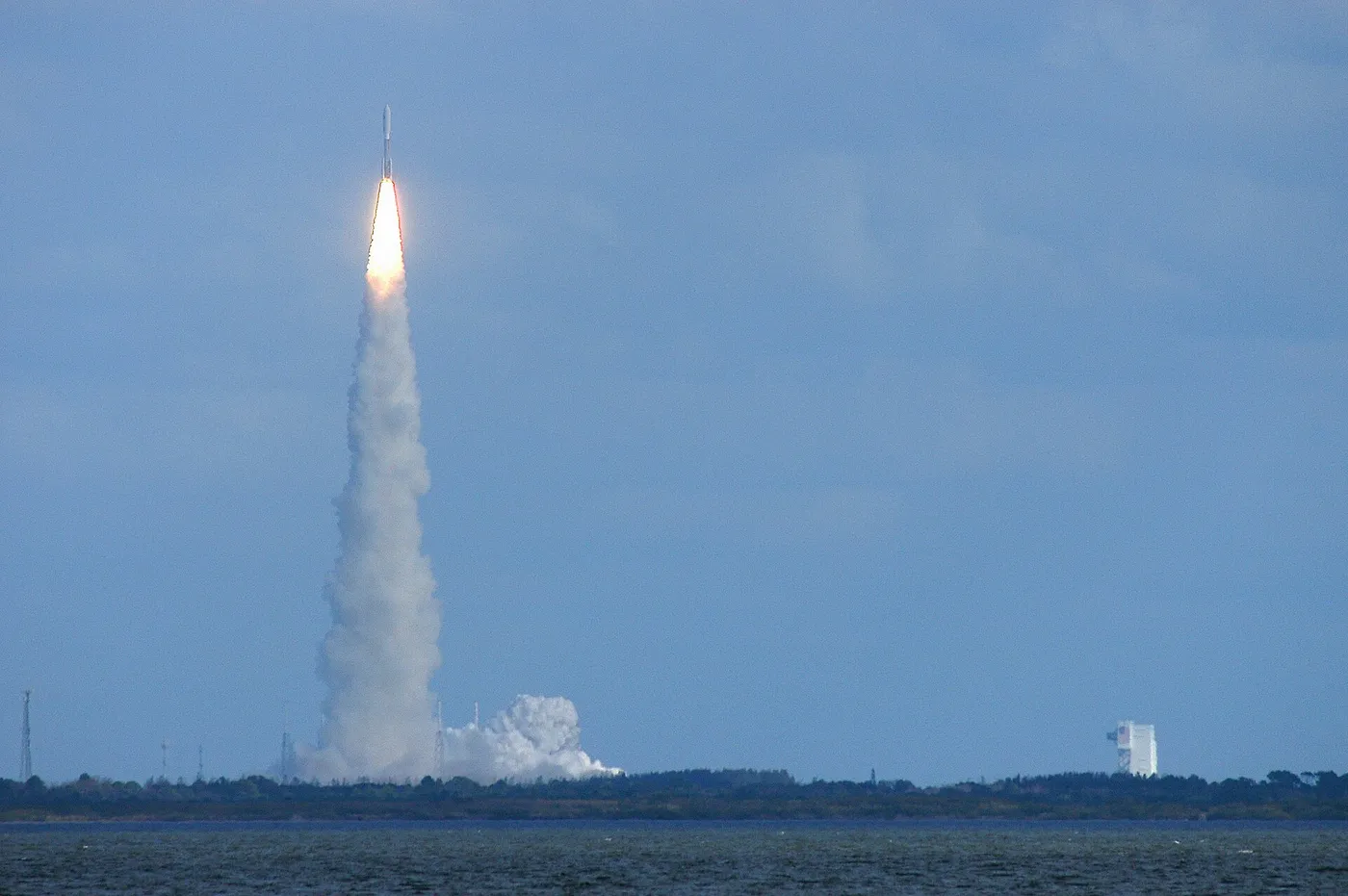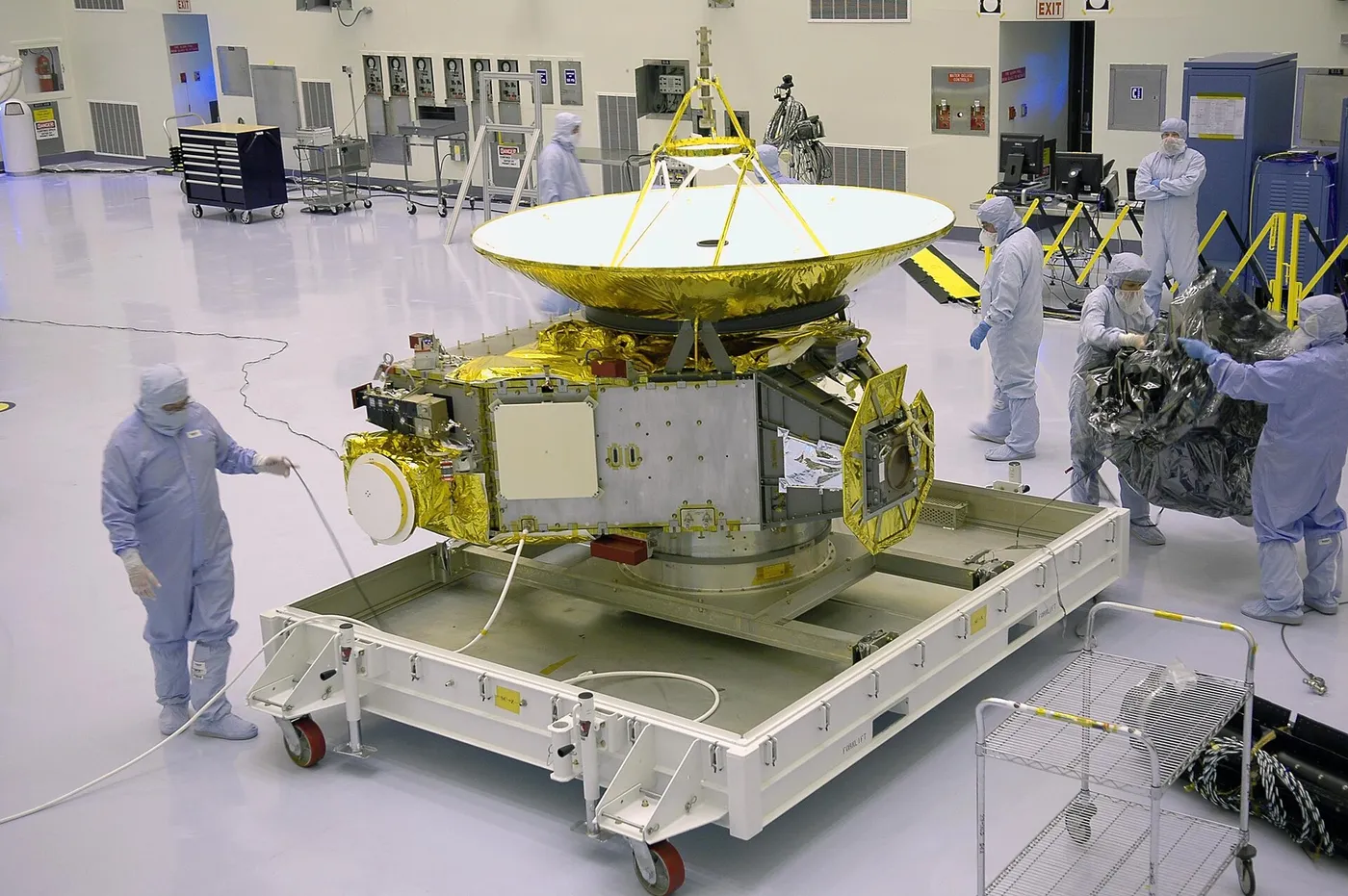
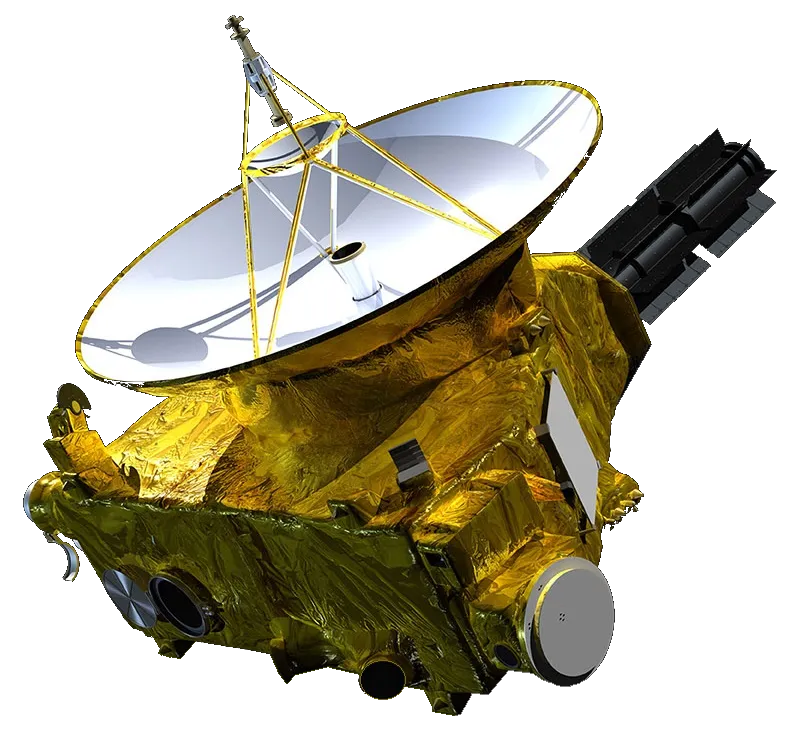

New Horizons left Earth faster than anything before it — some 58,500 kilometres per hour — and still needed nine and a half years to reach Pluto. It launched in January 2006, when Pluto was a planet, and arrived in July 2015, by which time it was not, a reclassification the mission's principal investigator has never accepted with much grace.
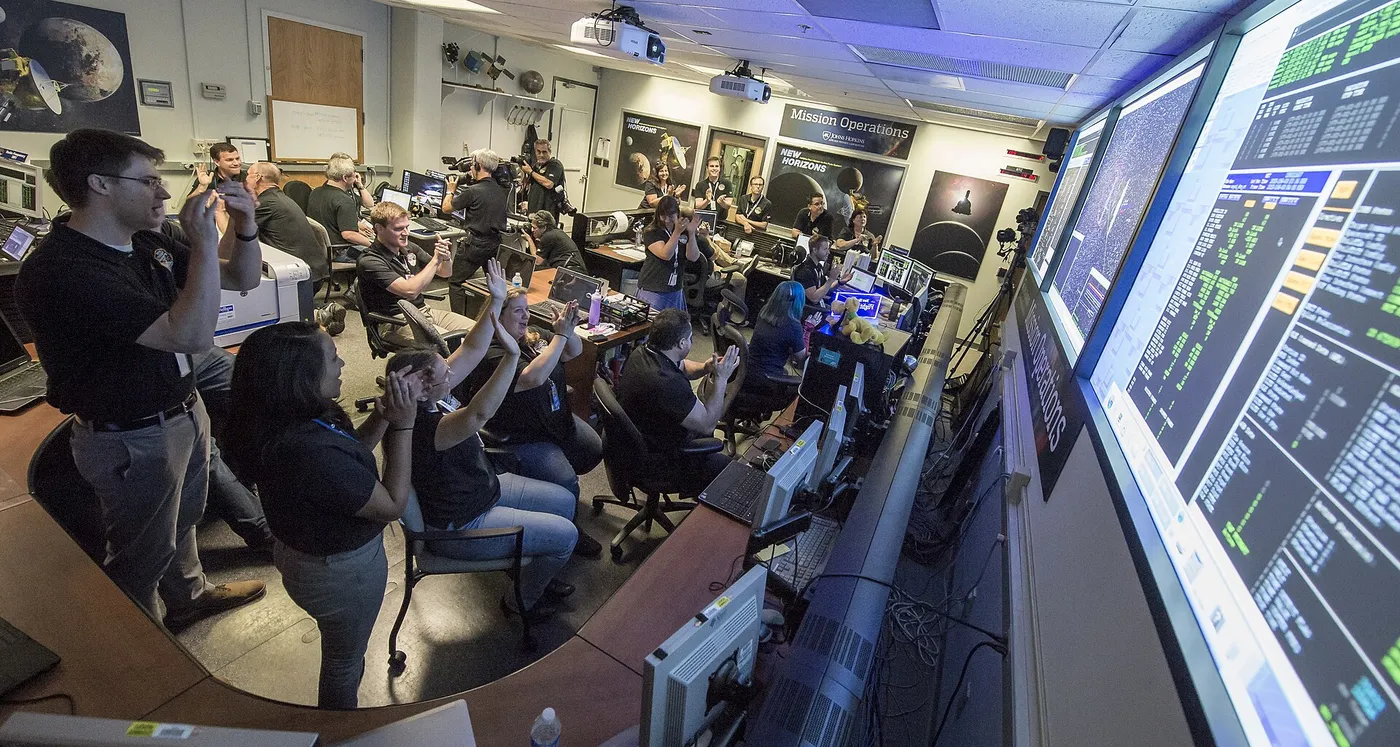
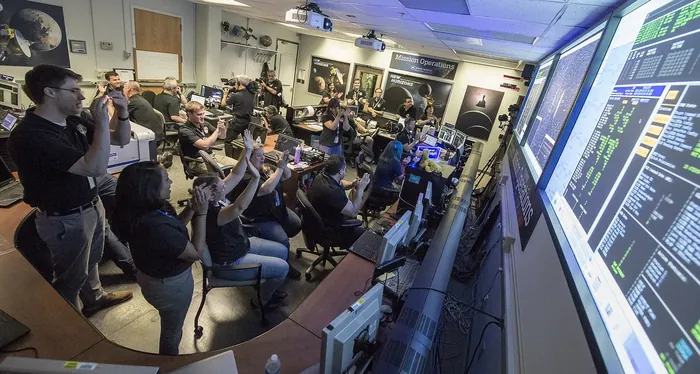
The flyby was a single pass at nearly 50,000 kilometres per hour with no possibility of a second attempt, and the spacecraft had to execute a choreographed sequence of hundreds of observations autonomously, out of contact, storing everything for transmission over the following sixteen months at a data rate slower than a dial-up modem. Ten days before arrival its computer overloaded and rebooted, and the team recovered it with three days to spare.
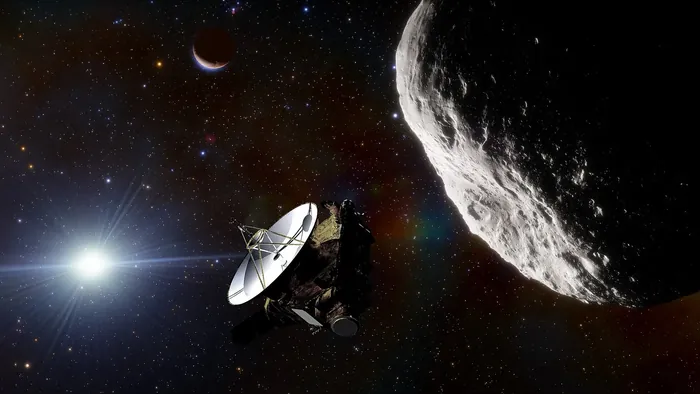
What it found demolished the expectation of a frozen, inert relic. Pluto has mountains of water ice several kilometres high, a vast basin of nitrogen ice — Sputnik Planitia — churning in slow convection cells tens of kilometres across, apparent cryovolcanoes, and a blue-hazed atmosphere in dozens of distinct layers. A small body that should have cooled long ago is geologically active.
It carried a small container of Clyde Tombaugh's ashes, the astronomer who discovered Pluto in 1930 at the age of 24 and died in 1997 — a quiet piece of symmetry, sending the discoverer past the discovery.
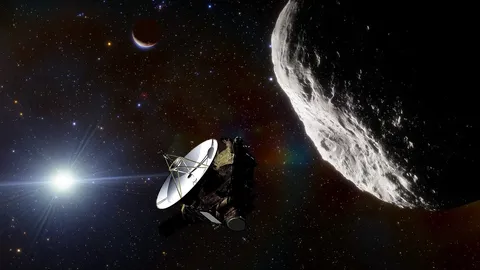
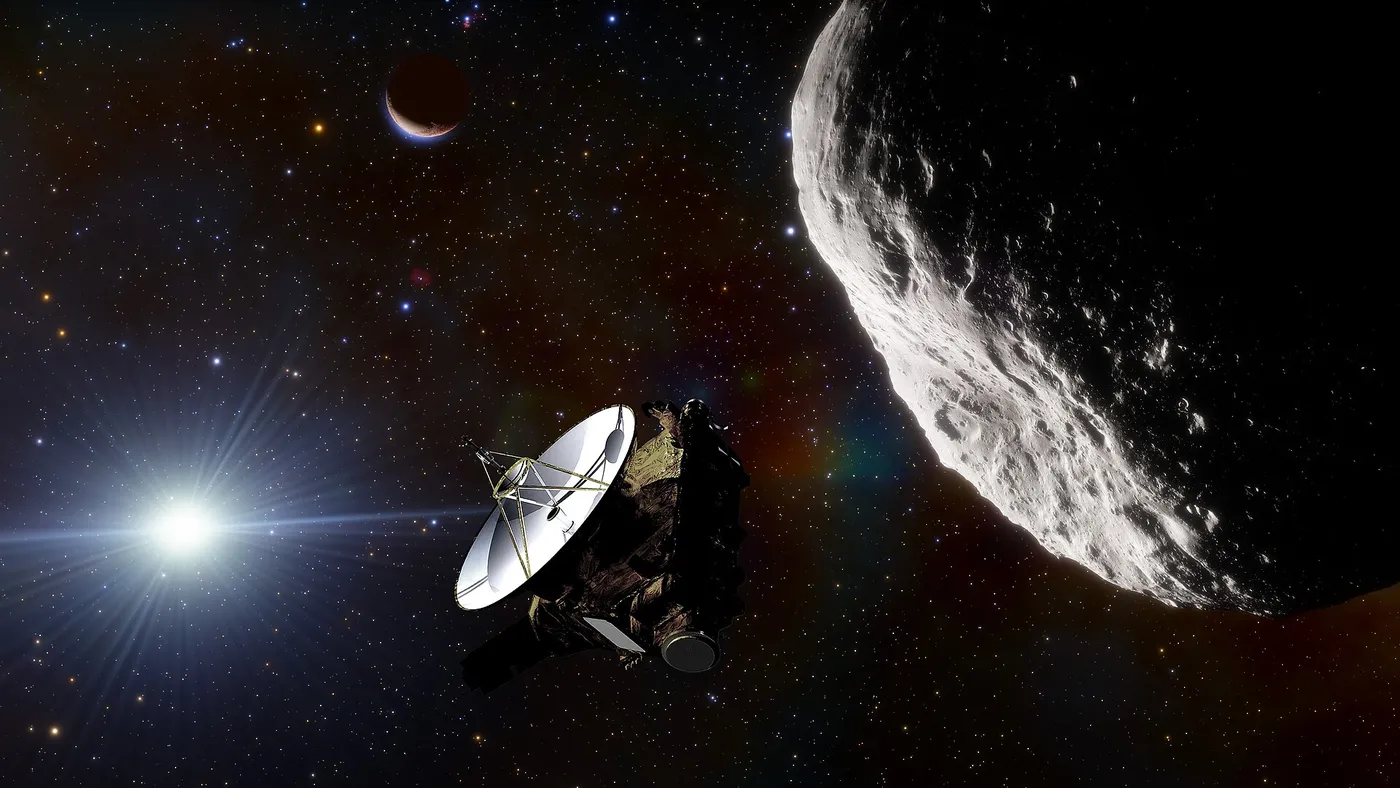
In January 2019 it flew past a far smaller object in the Kuiper Belt, later named Arrokoth: two rounded lobes gently joined, the most pristine planetary building block ever seen, and the most distant object ever visited by a spacecraft. It continues outward, still healthy, still returning particle and dust measurements from the outer solar system.