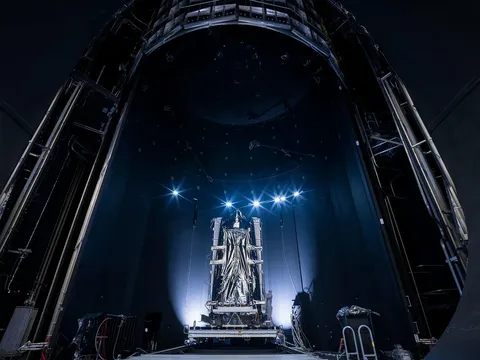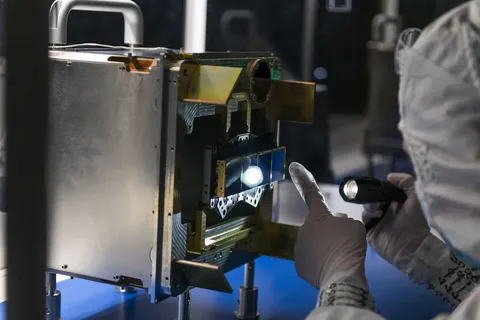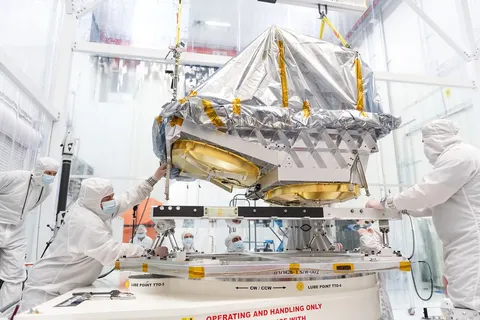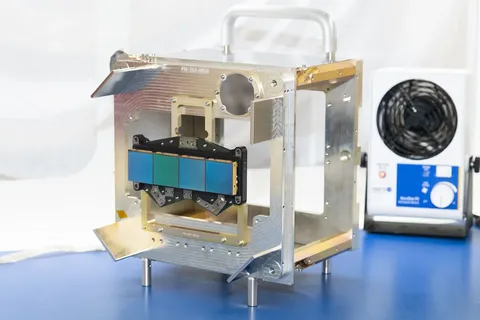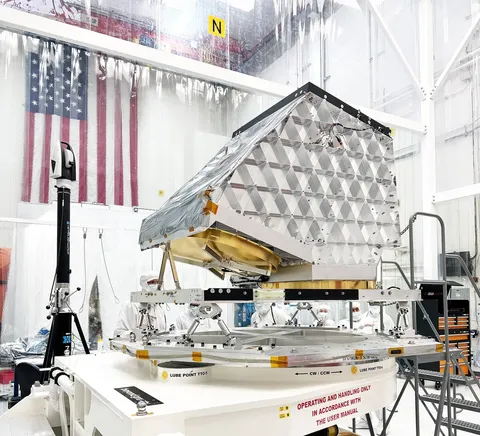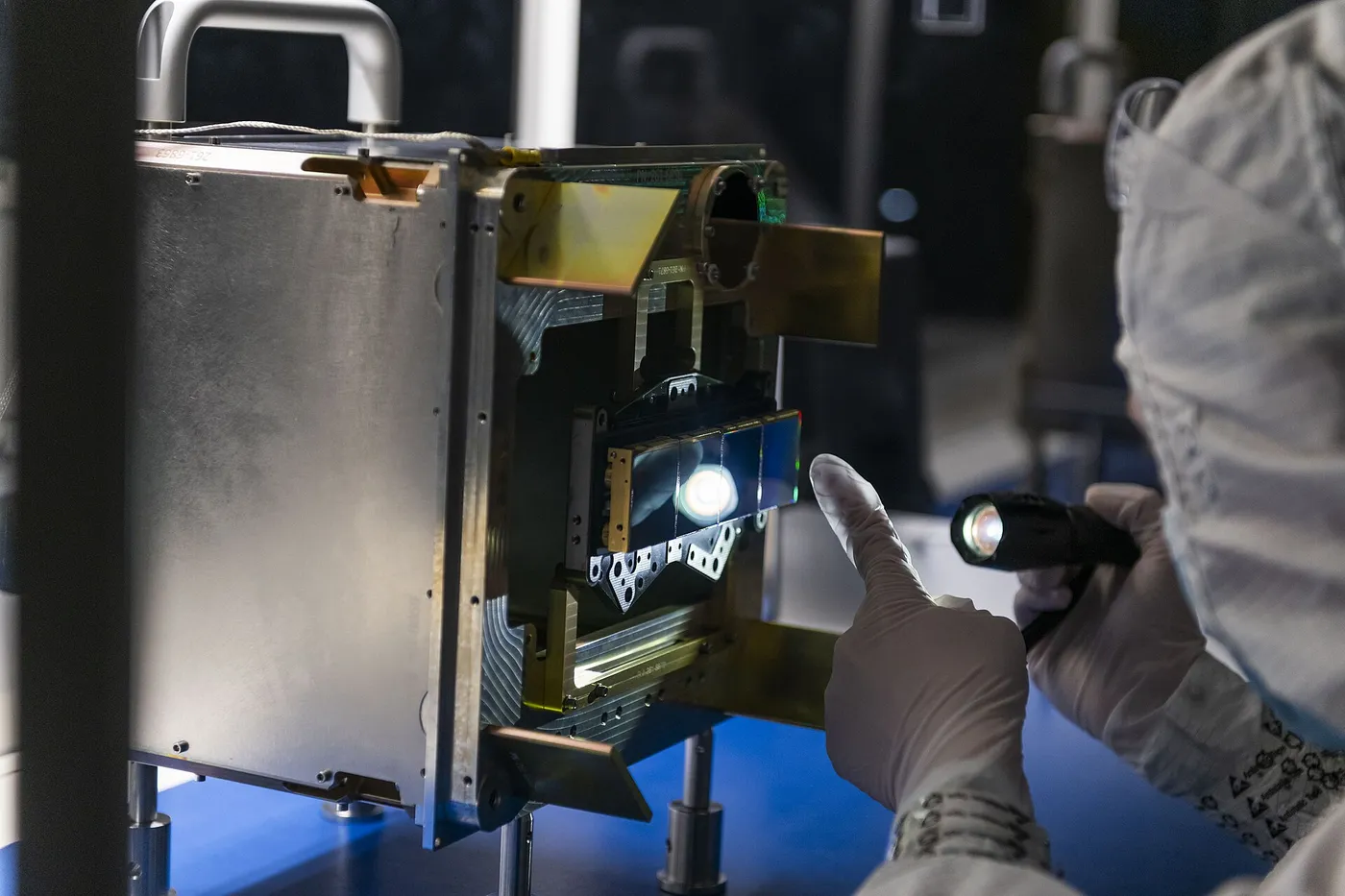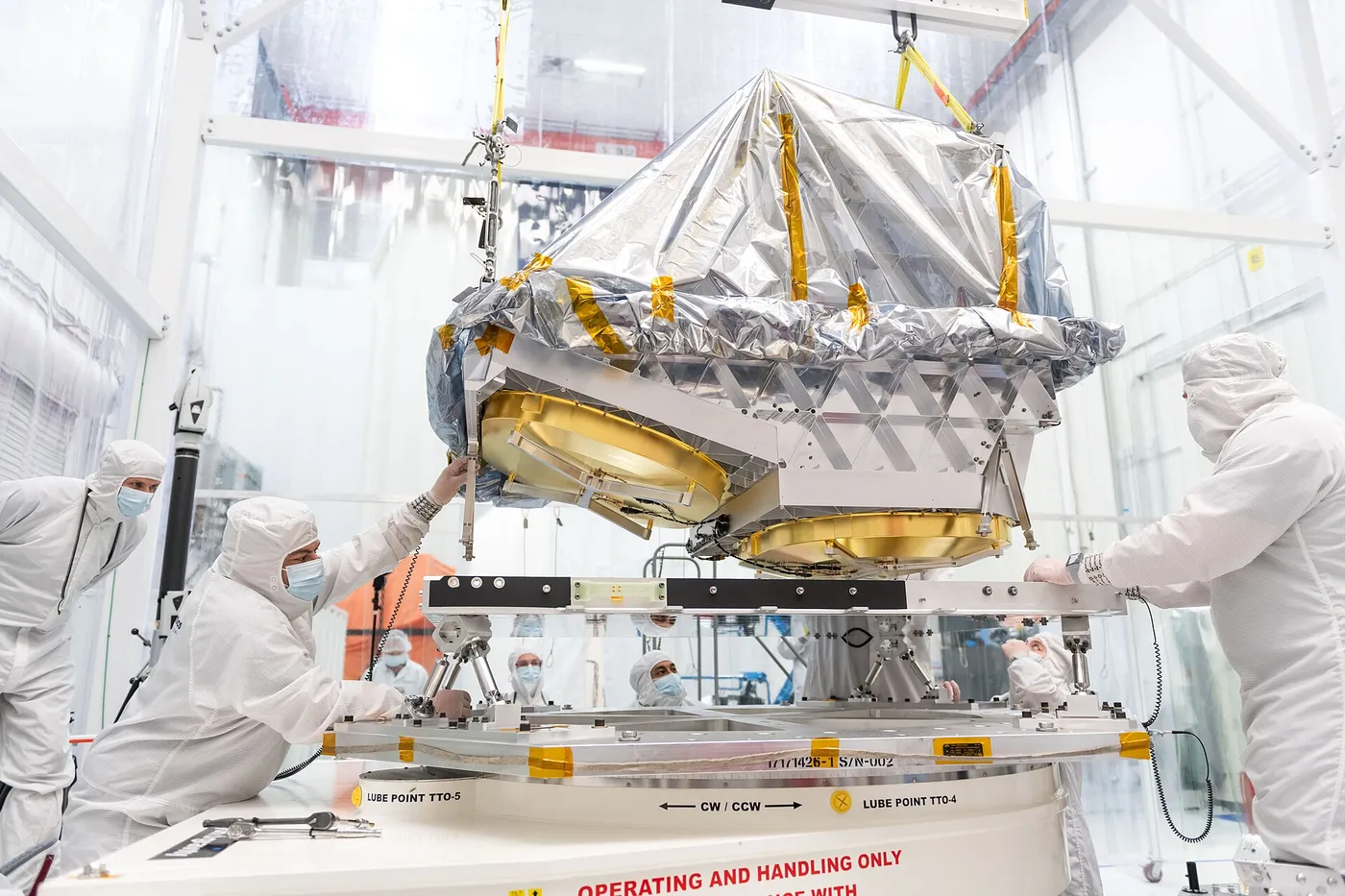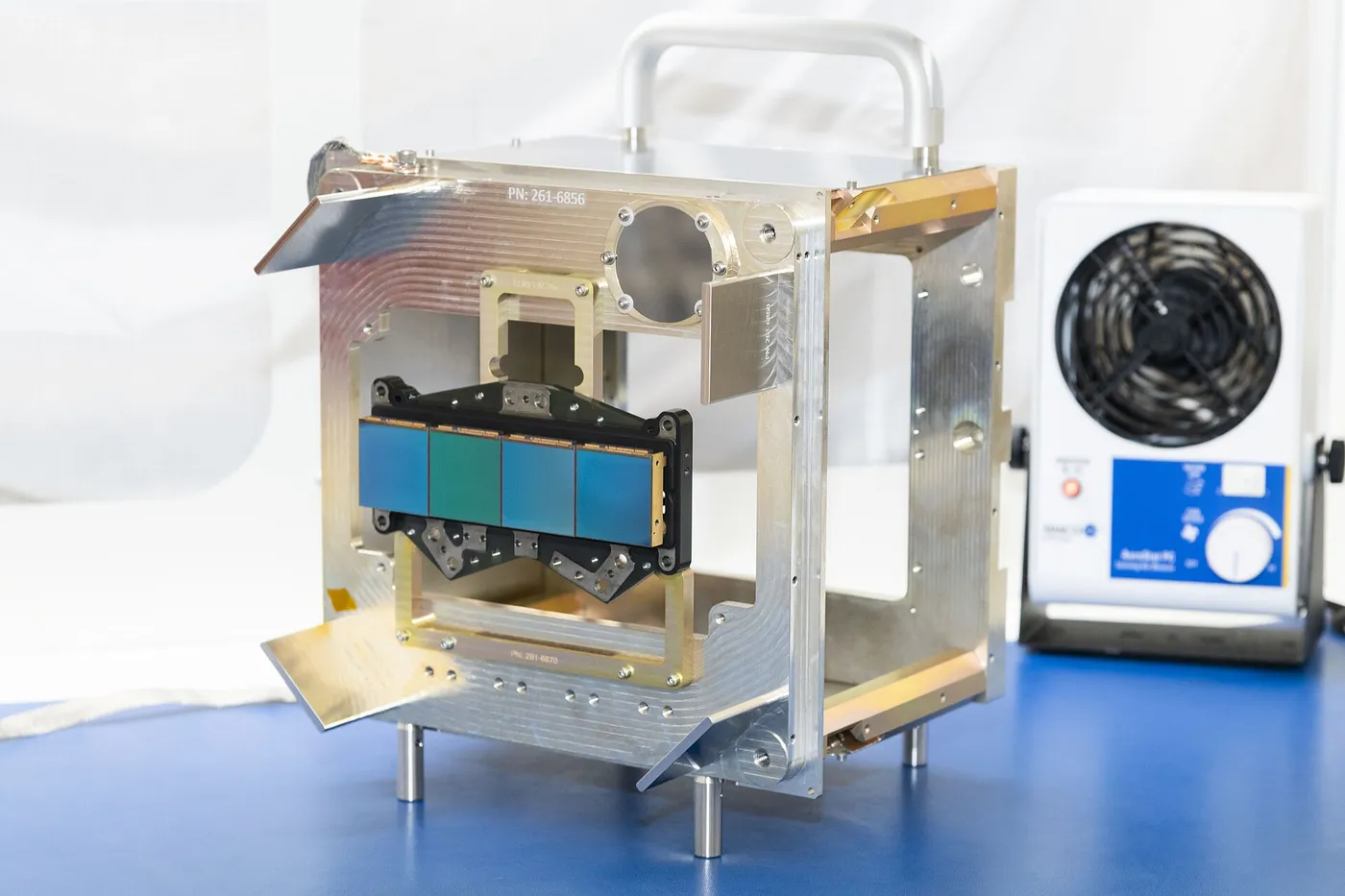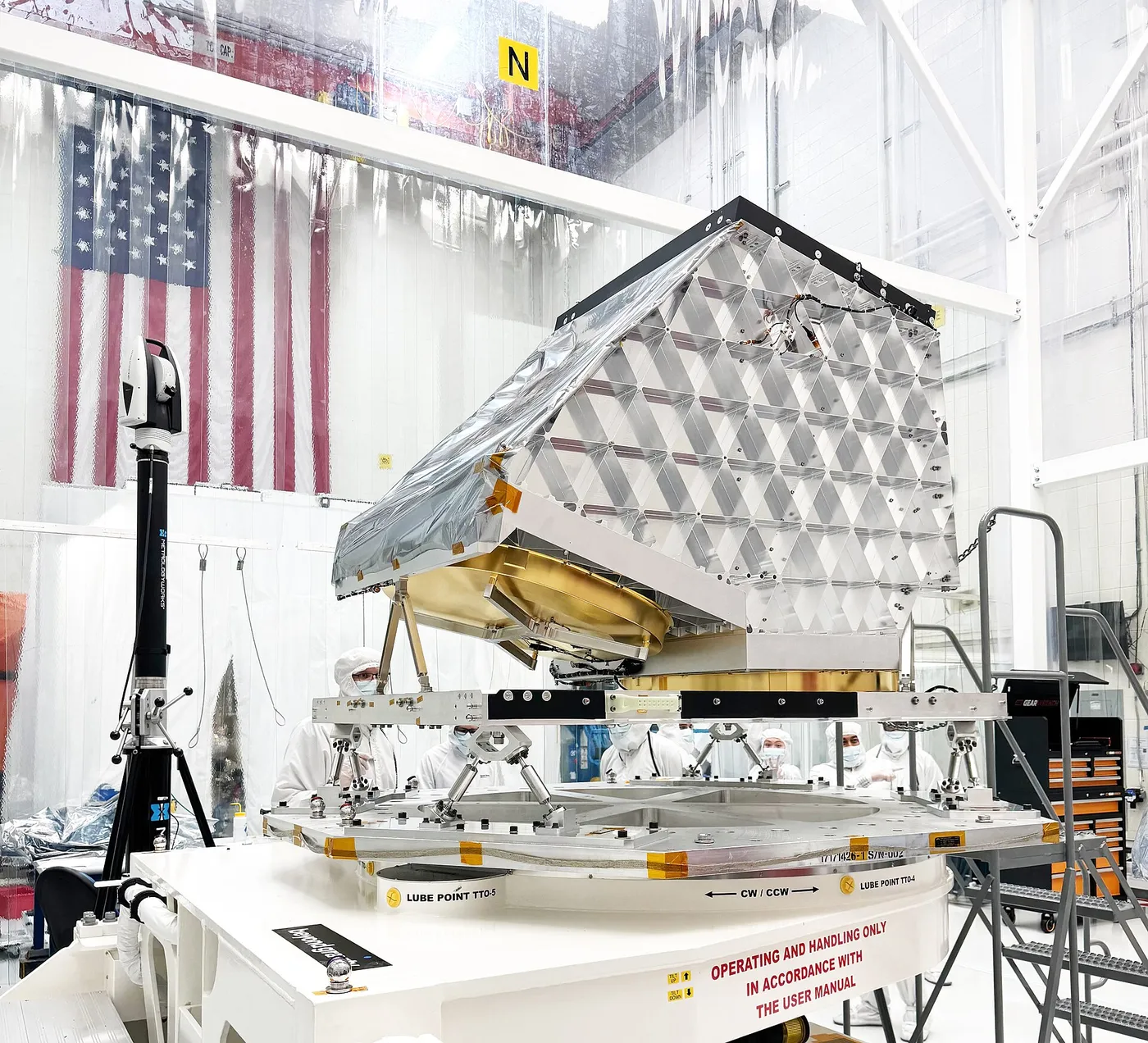
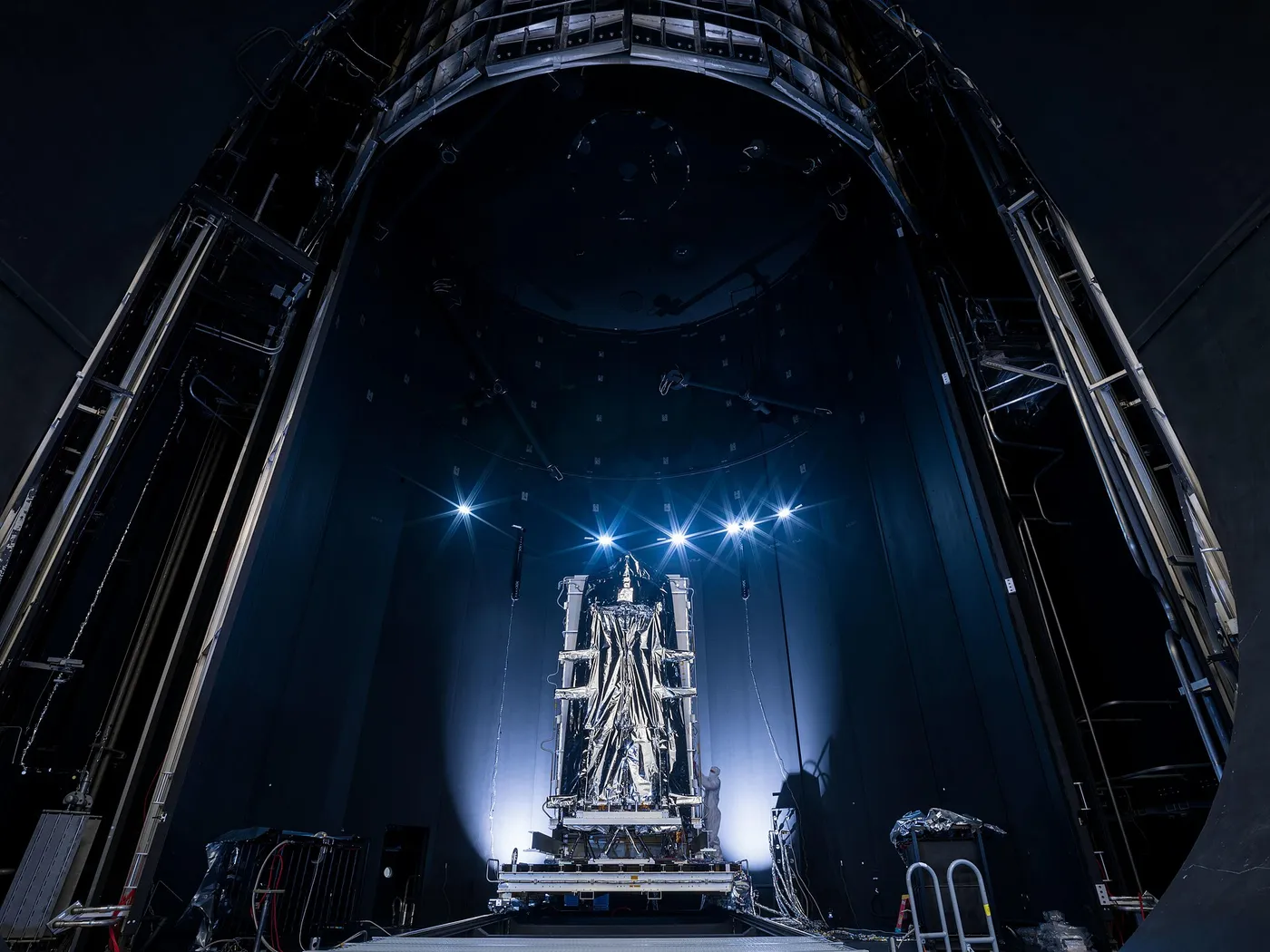

NEO Surveyor exists because Congress told NASA to find the asteroids that could hit us. A 2005 act directed the agency to catalogue 90 per cent of near-Earth objects larger than 140 metres — big enough to devastate a region — and two decades later the survey is well under half complete, because finding dark objects against a dark sky from the ground is extremely difficult.
The solution is to look in infrared rather than visible light. An asteroid's brightness in visible light depends on how reflective it is, so a large dark rock and a small bright one look identical; in the infrared, both glow according to their size and temperature, which makes the measurement far less ambiguous.
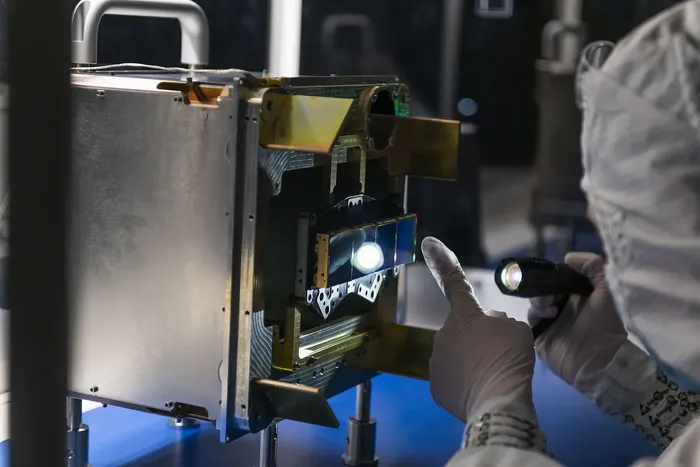
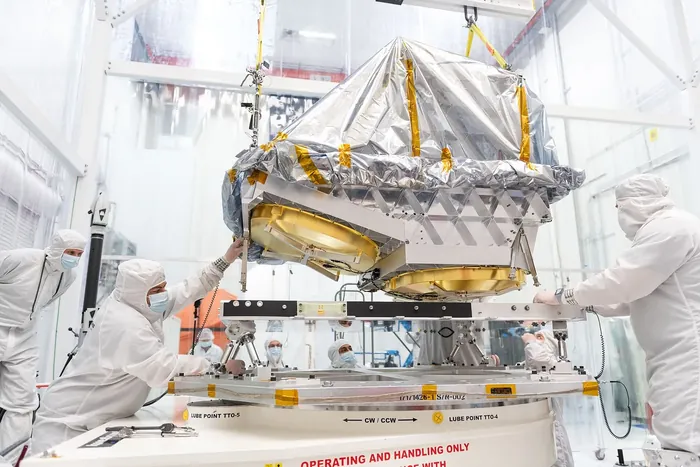
The telescope will operate from the Lagrange point sunward of Earth, looking outward and sideways at regions of sky that ground telescopes cannot survey effectively — particularly the objects that approach from the direction of the Sun, which are essentially invisible from the ground and which have produced more than one unannounced arrival.
The most recent reminder was the Chelyabinsk airburst in 2013, when an object roughly twenty metres across exploded over Russia, injuring some 1,500 people, having approached from the daytime sky entirely undetected. It was small by the standards this mission is built to catalogue.
The project has been repeatedly delayed by budget pressure and rescoped, with launch now planned for the late 2020s. Planetary defence is an unusual field in that its success is measured by nothing happening, which makes it a persistently difficult case to fund.