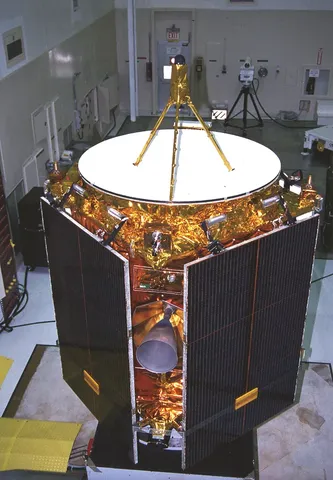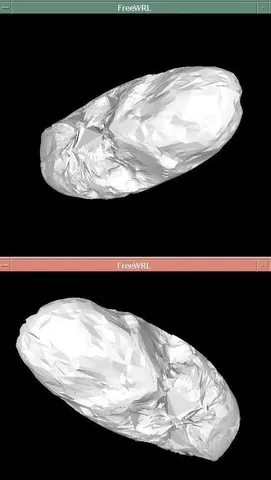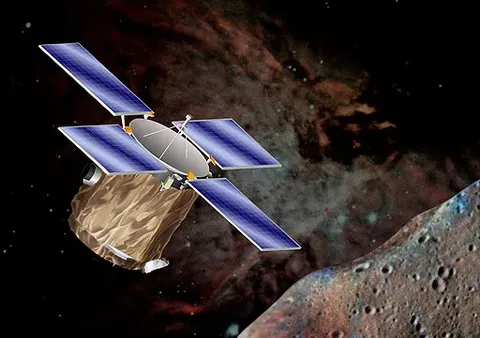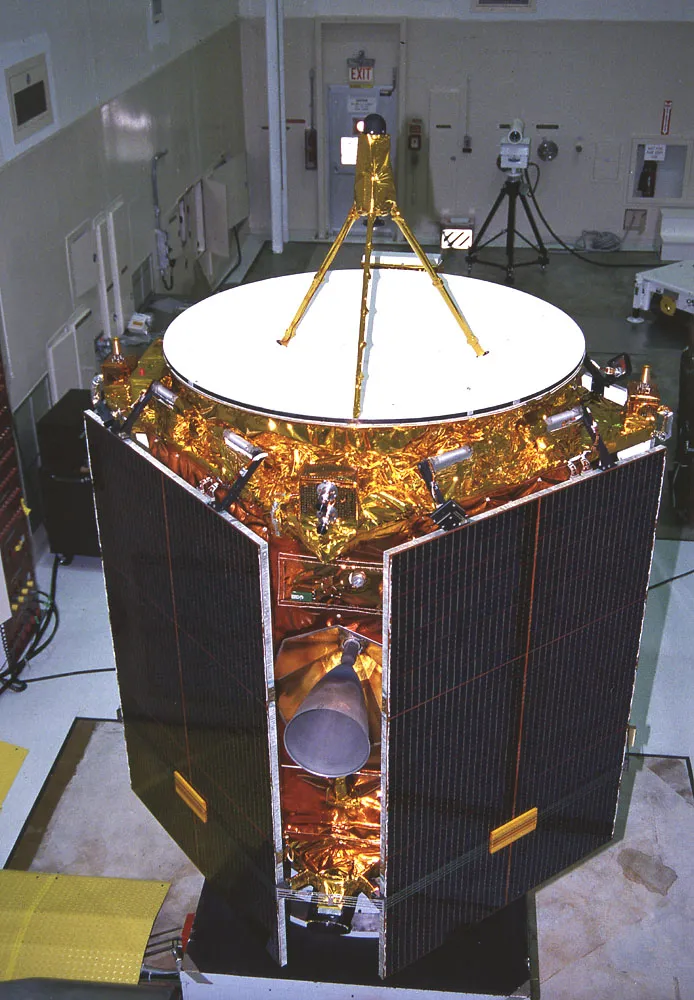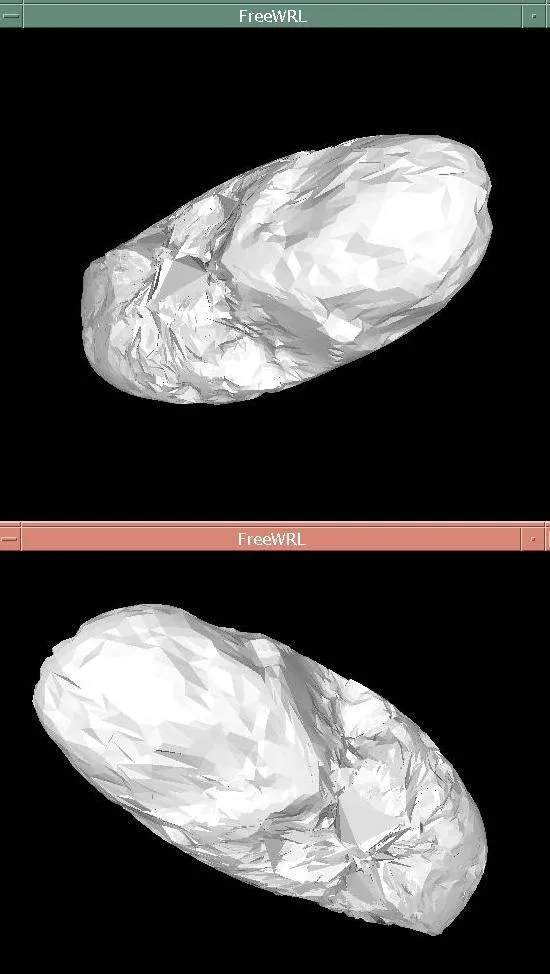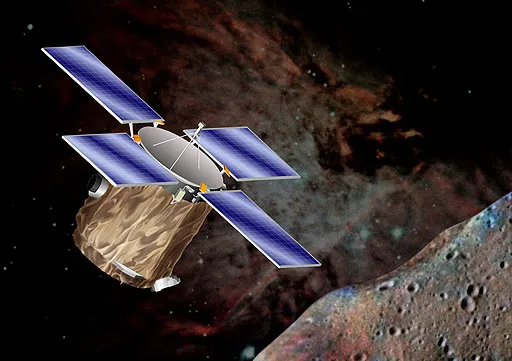
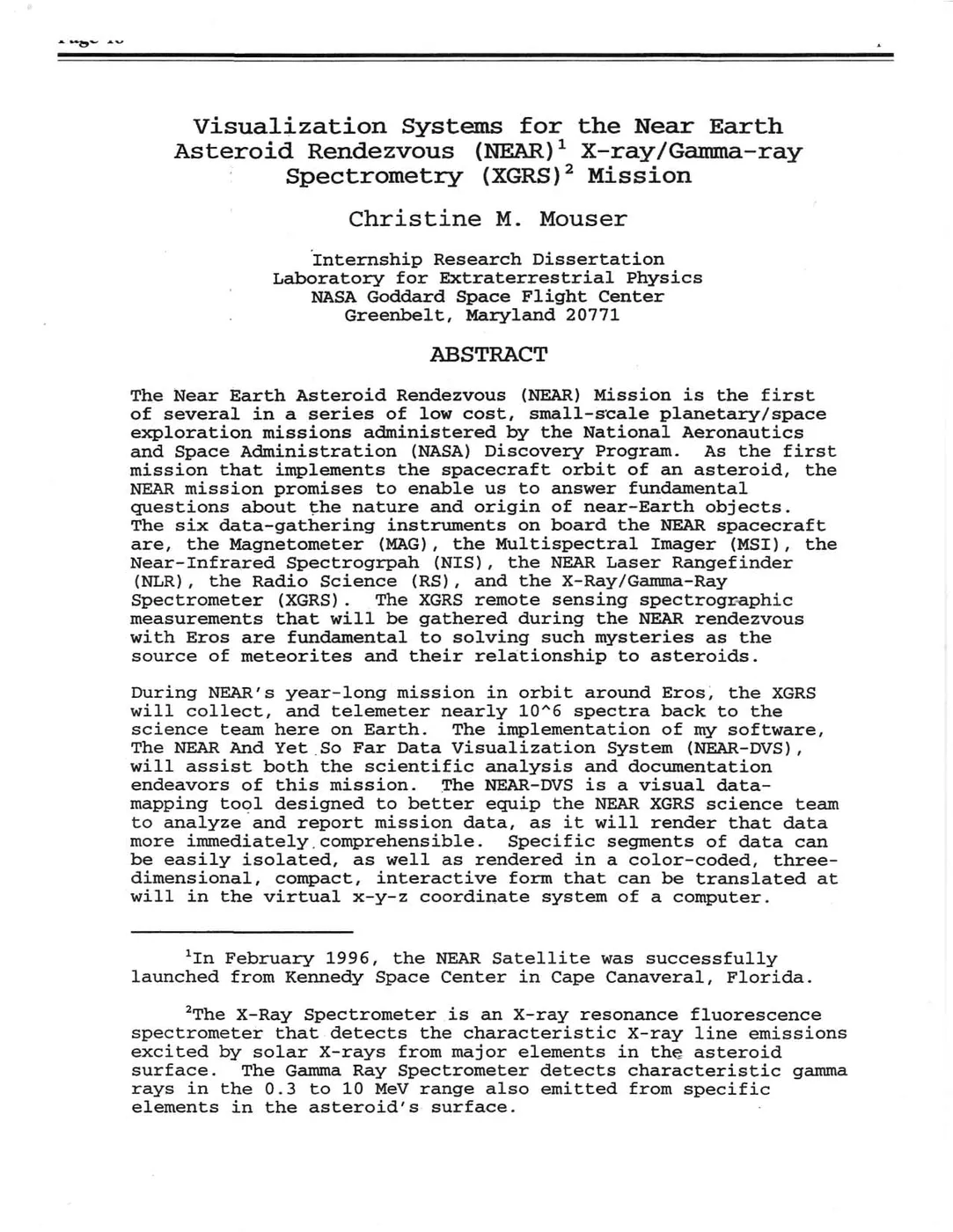

NEAR was the first of NASA's Discovery-class missions — small, focused, cost-capped — and it was sent to orbit the near-Earth asteroid Eros, a potato-shaped body 34 kilometres long. Nobody had ever orbited a small object whose gravity is so weak and so lumpy that conventional orbital mechanics barely applies.
It very nearly failed at the first attempt. In December 1998 the main engine burn aborted a fraction of a second after ignition, the spacecraft began tumbling, its thrusters fired wildly, and controllers lost contact for 27 hours while it burned about 29 kilograms of fuel doing nothing useful. It survived, but the rendezvous was lost and the mission had to loop around for thirteen months before trying again.
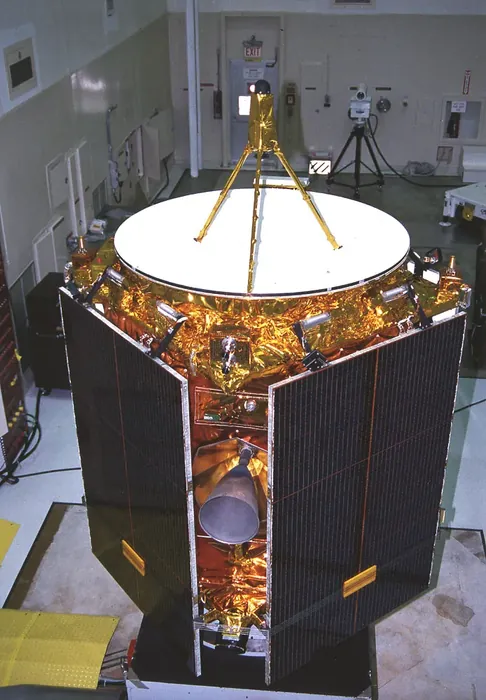
It settled into orbit in February 2000 and spent a year mapping Eros in detail, finding a surprisingly undifferentiated body — a primitive remnant of the early solar system rather than a fragment of something larger — covered in regolith, boulders and strange flat-floored craters. It was renamed for Gene Shoemaker, the geologist who founded impact science and had died in 1997.
Then the team decided to land it, which it had never been designed to do. With the mission ending and nothing to lose, controllers brought it down in a series of braking burns on 12 February 2001, expecting it to be destroyed. It touched down at around 1.6 metres per second — walking pace — and kept transmitting.
It became the first spacecraft to land on an asteroid, and it operated from the surface for over a fortnight, its gamma-ray spectrometer pressed against the regolith returning better composition data from the ground than it ever had from orbit. It was finally shut down on 28 February, and it is presumably still sitting there.