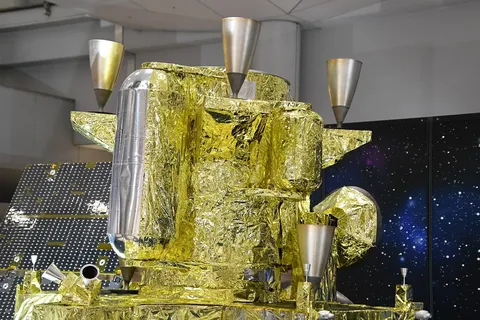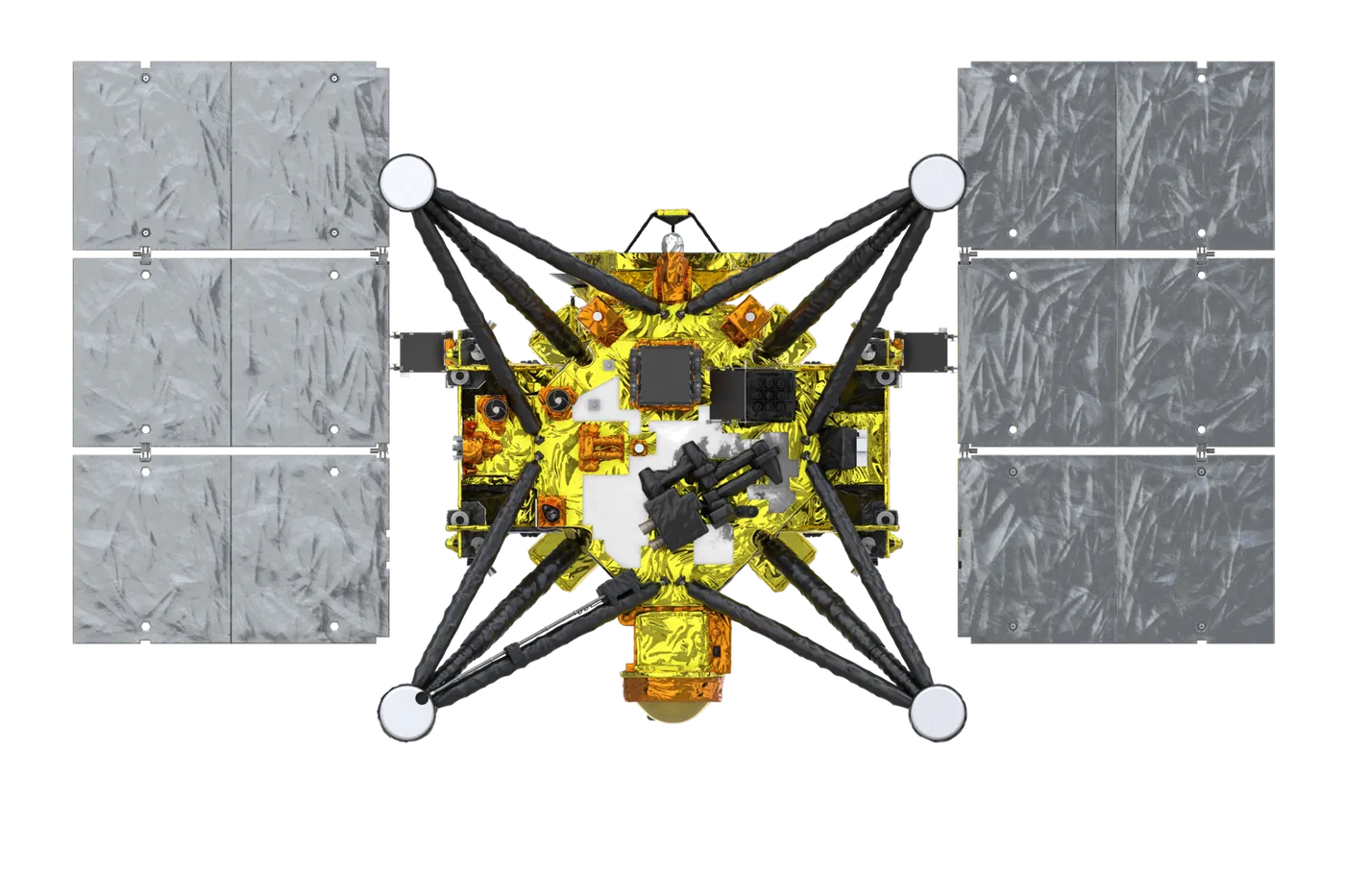
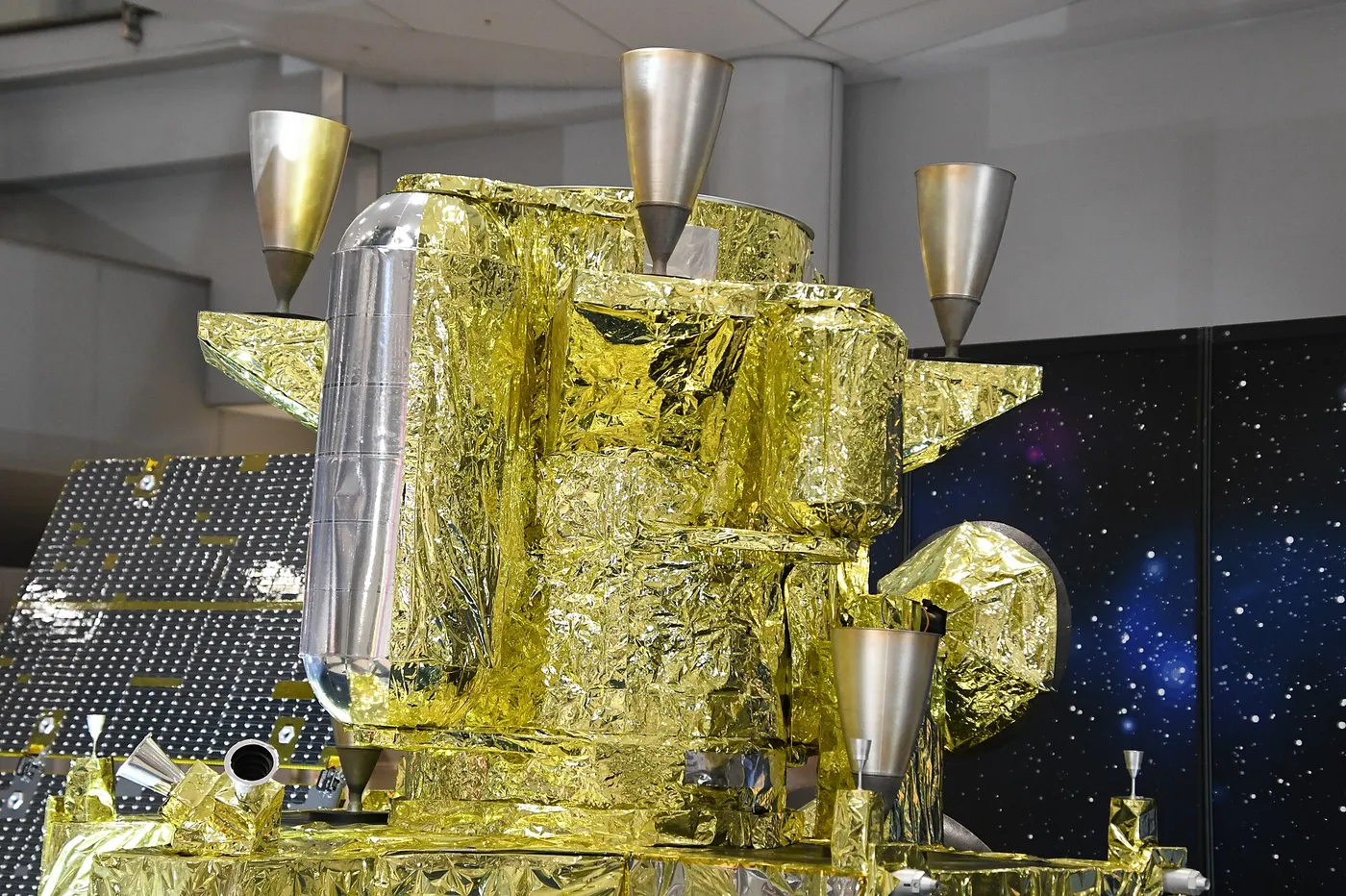

Japan's Martian Moons eXploration mission is a sample return from Phobos, and it is aimed squarely at settling where the Martian moons came from. Phobos and Deimos look like captured asteroids — dark, irregular, spectrally similar to primitive outer-belt bodies — but their near-circular equatorial orbits are very difficult to explain by capture.
The competing hypothesis is that they formed from debris thrown up by a giant impact on Mars, in which case they are made of Martian material and a sample of Phobos would be, in part, a sample of Mars. The two possibilities predict entirely different compositions, so a few grams of regolith would resolve a decades-old argument in a single analysis.
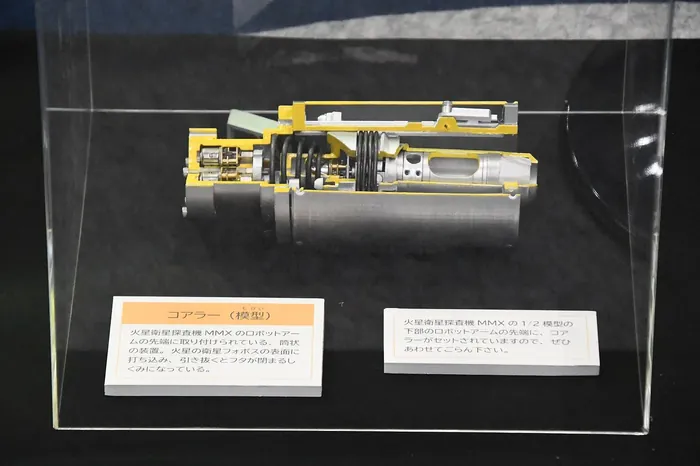
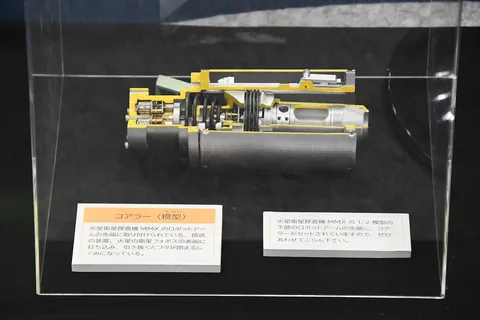
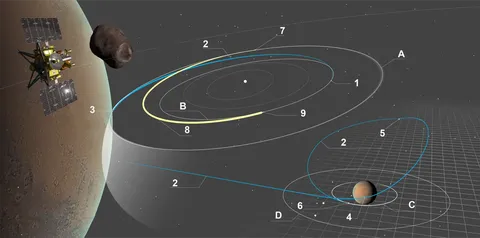
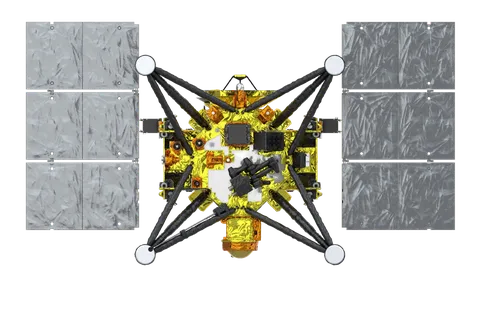
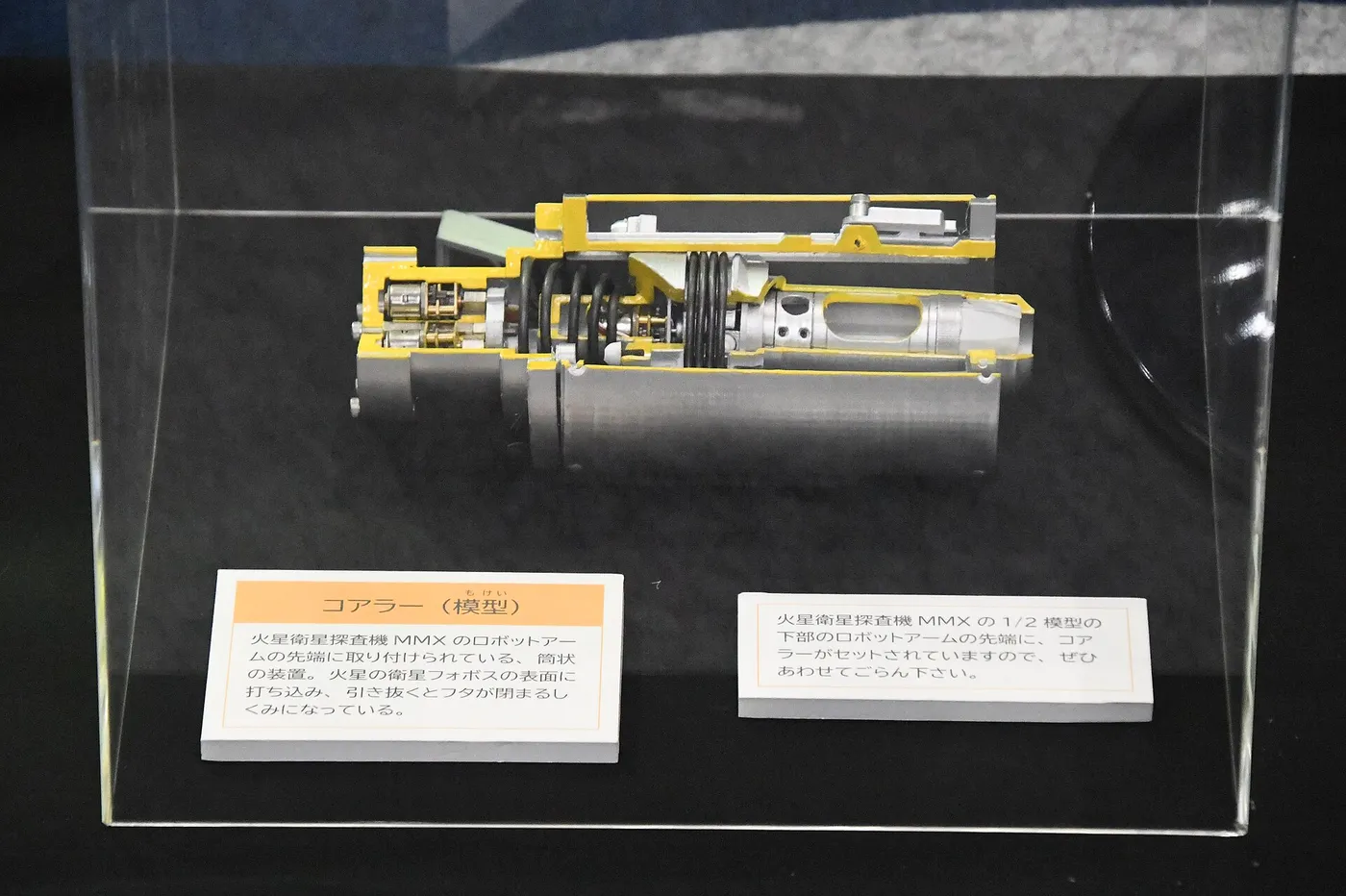
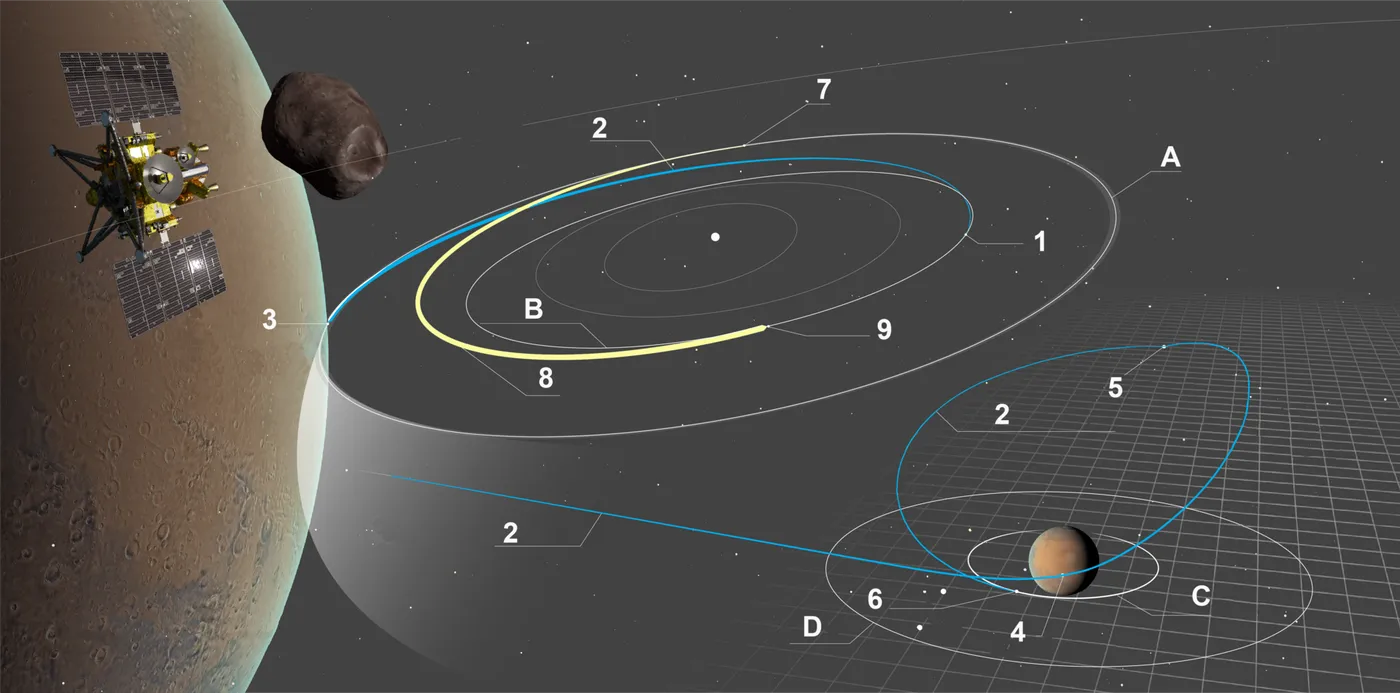
The spacecraft will orbit Mars, spend months surveying Phobos from close range, land on it — no trivial matter on a body 22 kilometres across with almost no gravity — and collect at least ten grams using a coring device, before observing Deimos and returning to Earth.
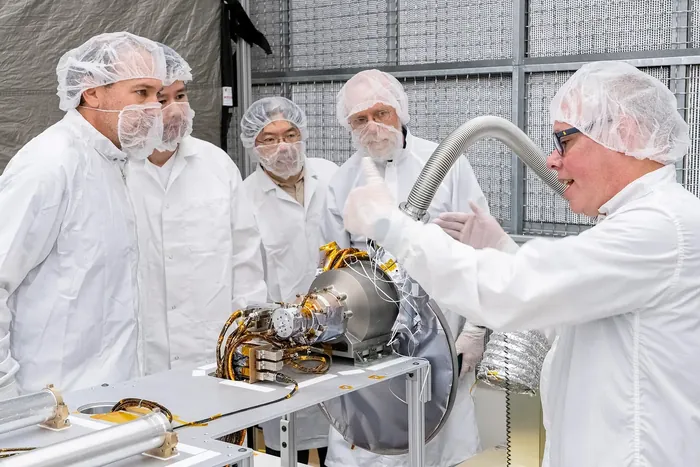
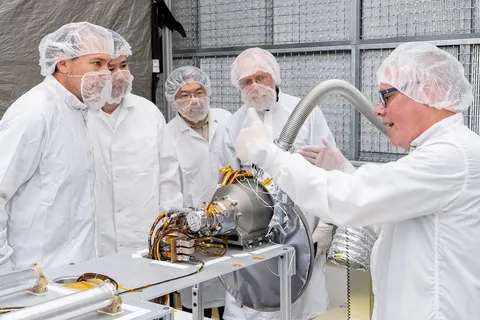
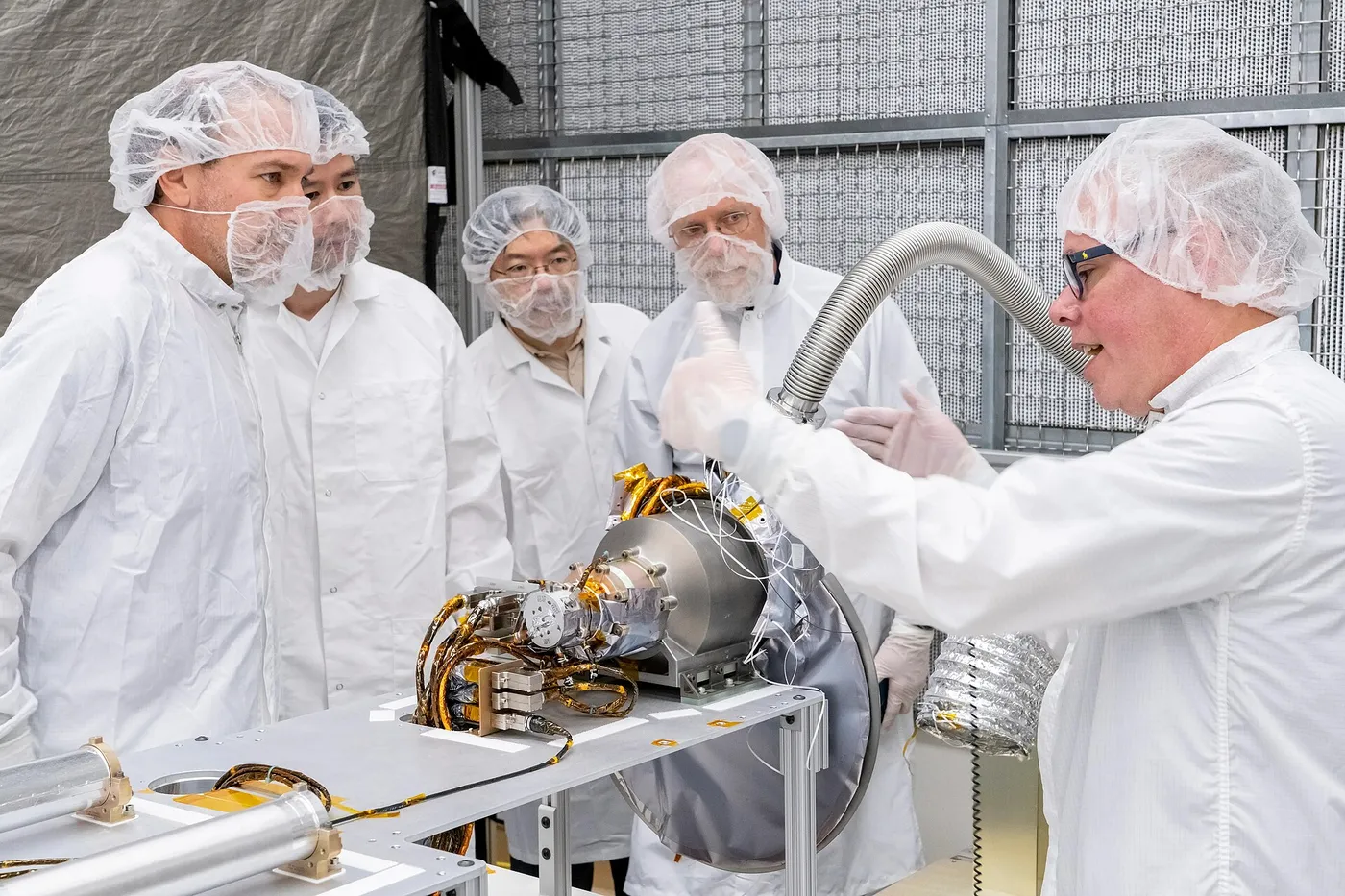
It carries a small German-French rover that will be dropped to the surface to move by crawling in the negligible gravity, along with instruments from NASA and ESA — a continuation of the international collaboration that has characterised Japanese sample return since Hayabusa.
The launch slipped from 2024 to 2026 after problems with the H3 rocket it depends on, pushing the sample's return to the early 2030s. If it succeeds, JAXA will have returned material from an asteroid, a carbonaceous asteroid and a Martian moon — a record no other agency approaches.