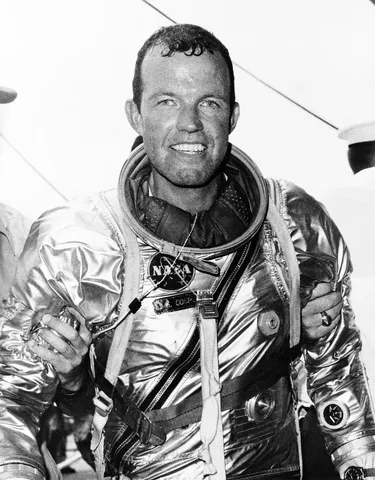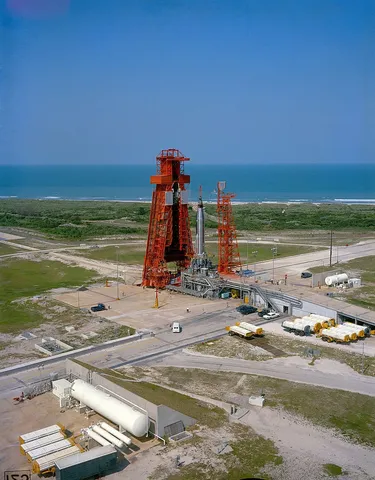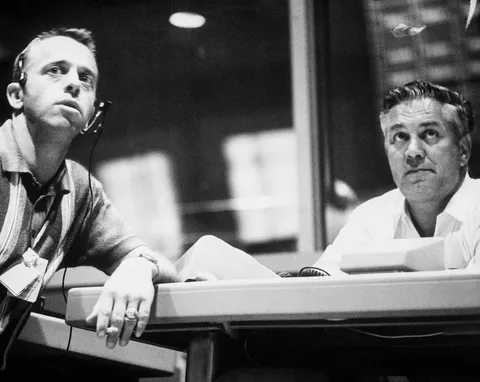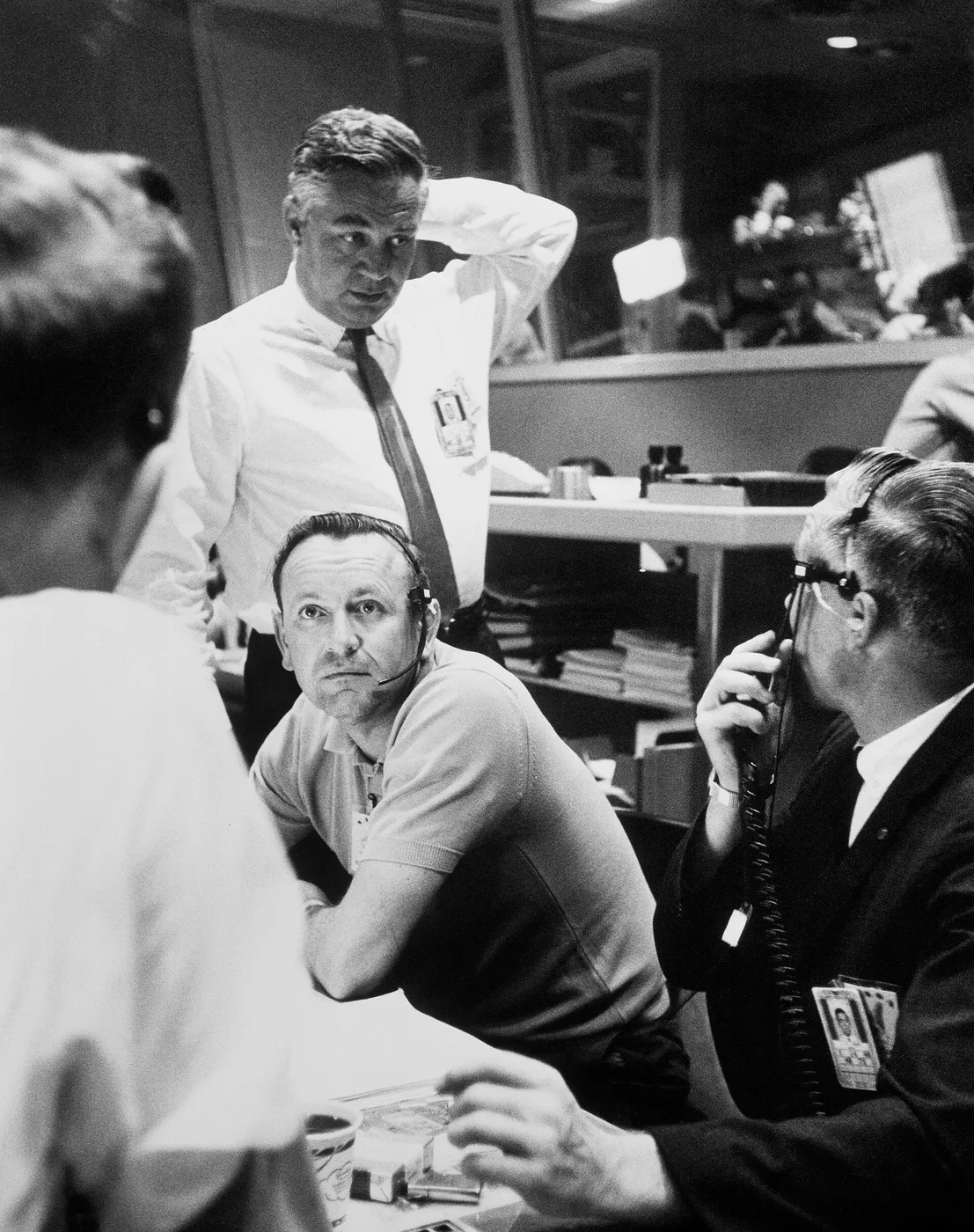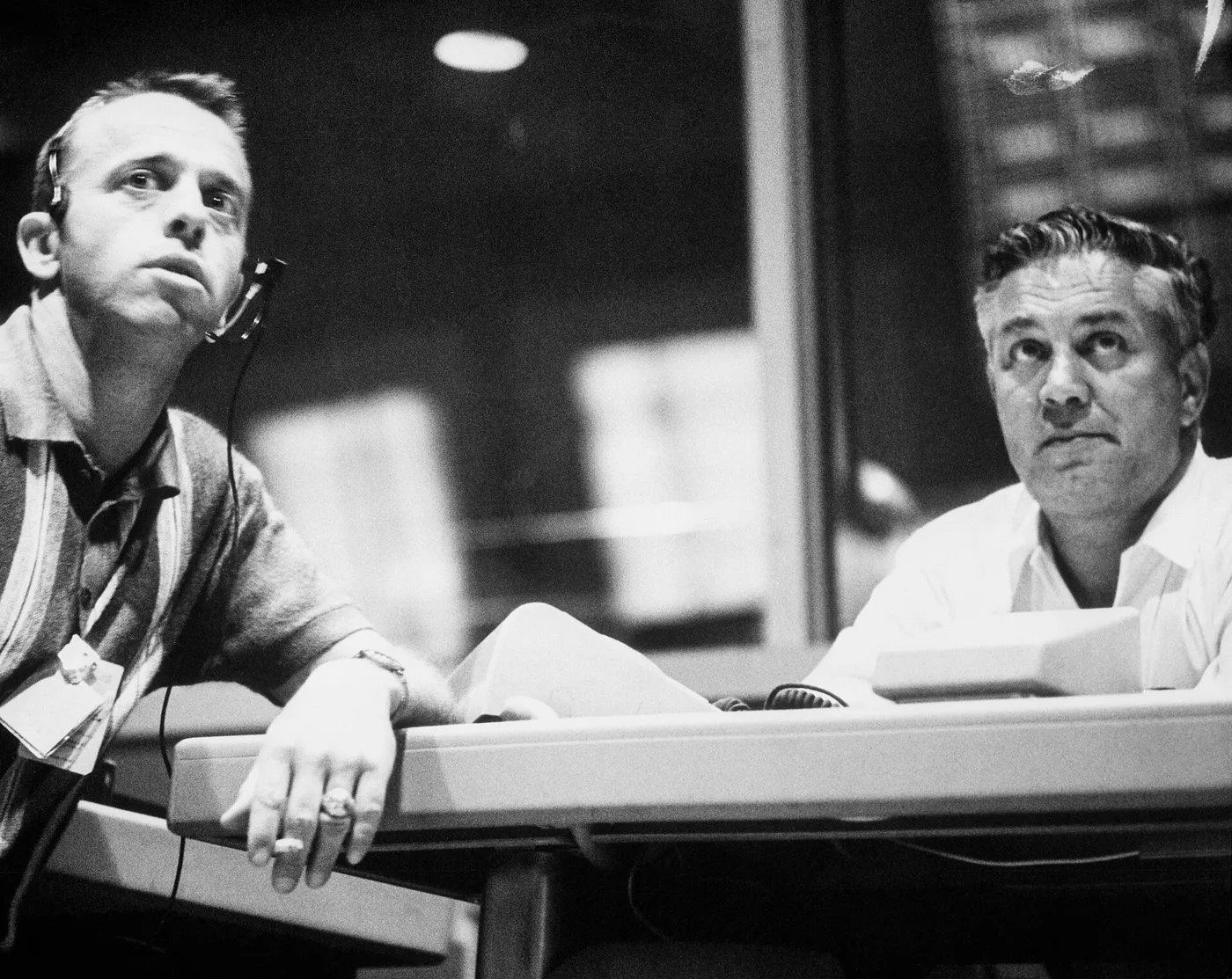
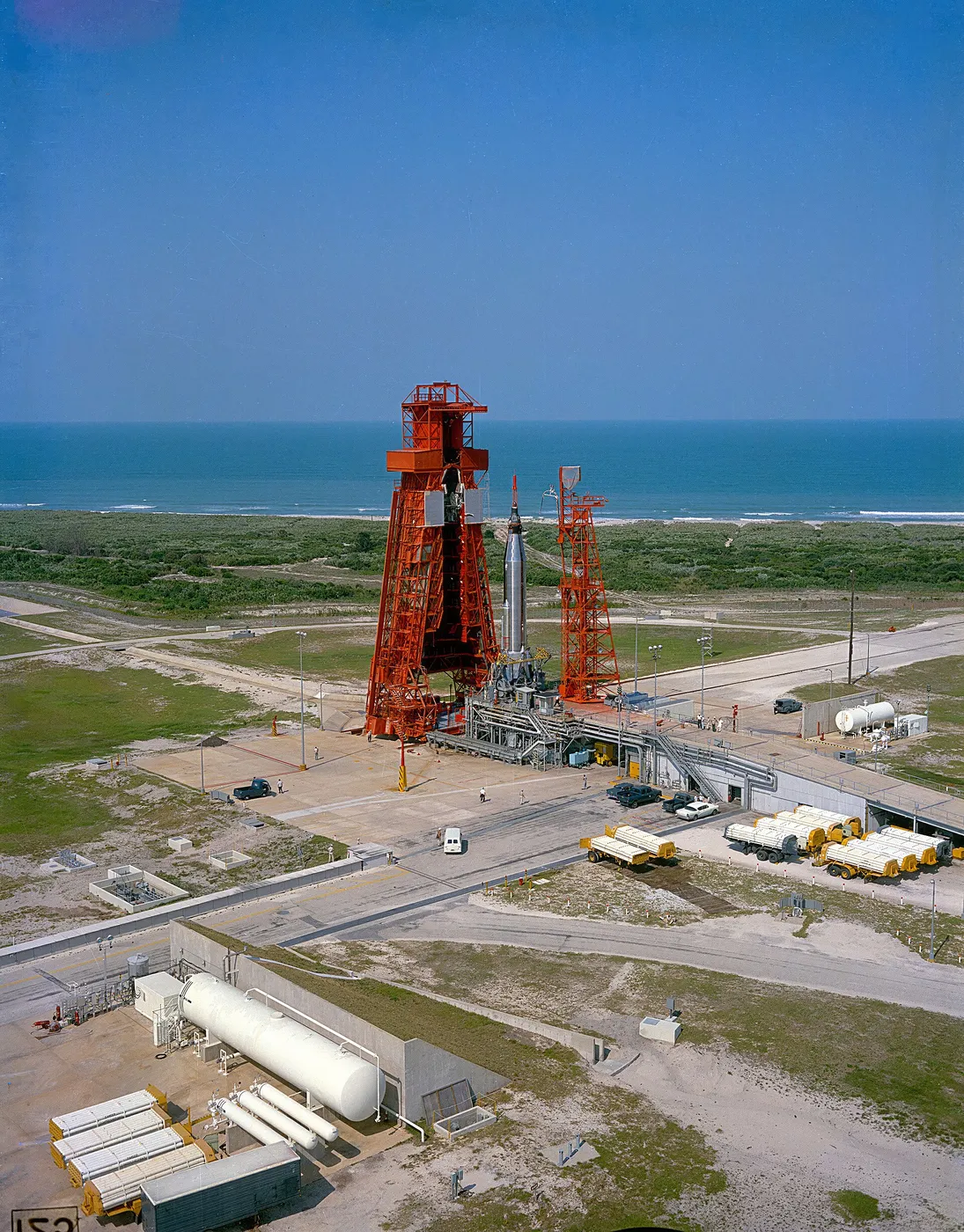
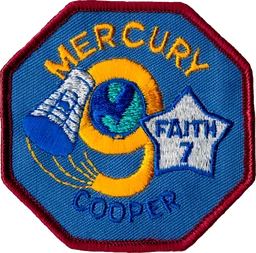
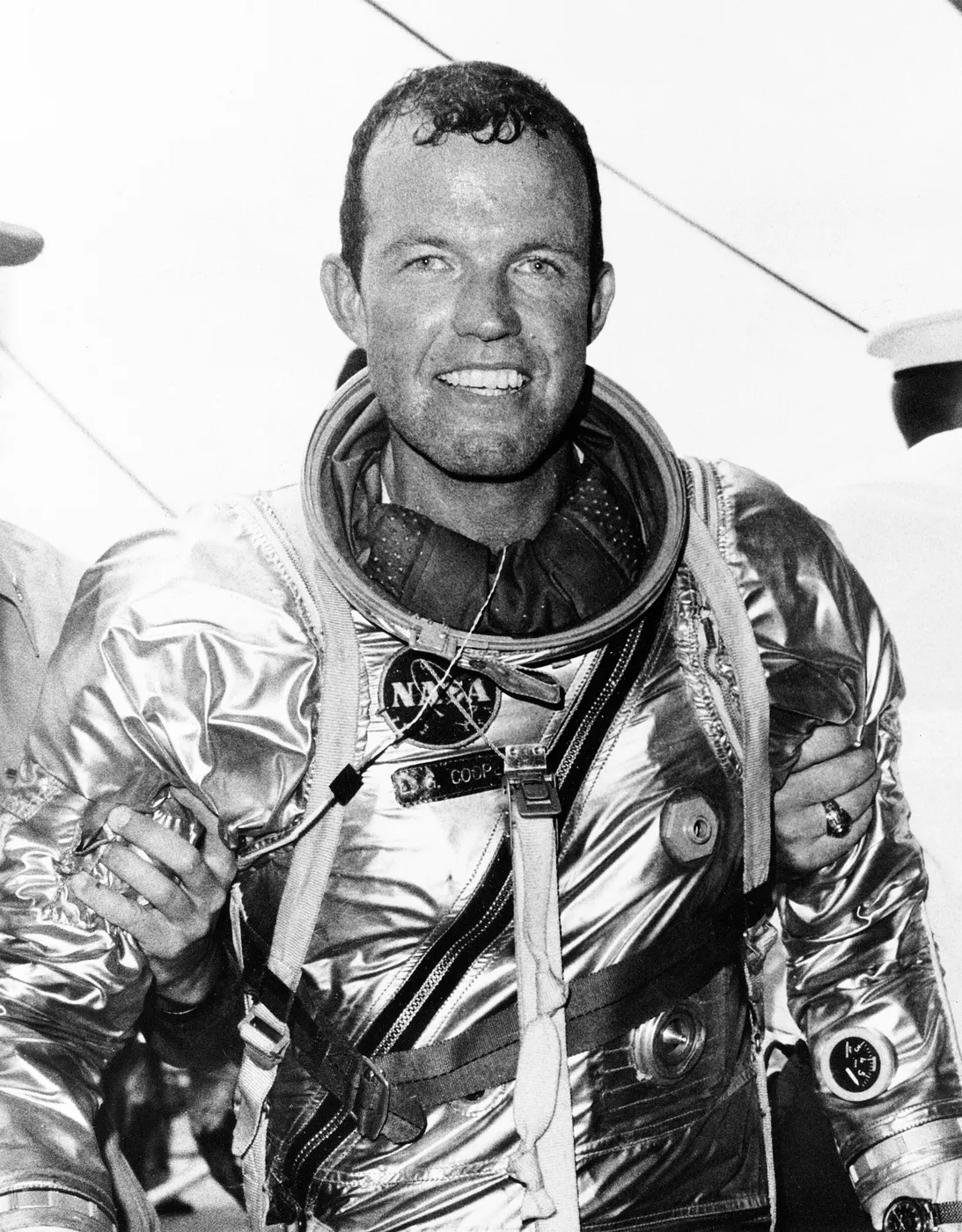
The last flight of Project Mercury was also its most ambitious. On 15 May 1963 Gordon Cooper lifted off in Faith 7 — a name chosen, in the spirit of the earlier crews, to express his faith in the machine, the team and himself — for a marathon of twenty-two orbits and more than thirty-four hours in space, far longer than any American had yet flown. So unruffled was Cooper that he reportedly dozed off atop the fuelled rocket while waiting to launch.
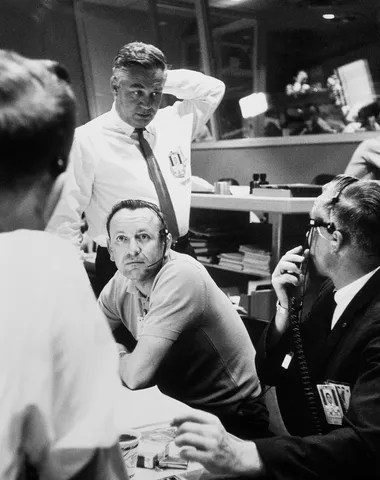
That calm was tested near the end. Over the final orbits Faith 7 began to fail: an electrical short killed the automatic stabilisation system, carbon dioxide crept up in the cabin and suit, and Cooper was left to bring his capsule home by hand. Using lines he had marked on the window and timing the burn with his wristwatch, he fired his retro-rockets manually and flew the re-entry himself — then splashed down in the Pacific closer to his target, and to the waiting recovery ship, than any Mercury pilot before him.
“So unruffled was Cooper that he reportedly dozed off atop the fuelled rocket while waiting to launch.”
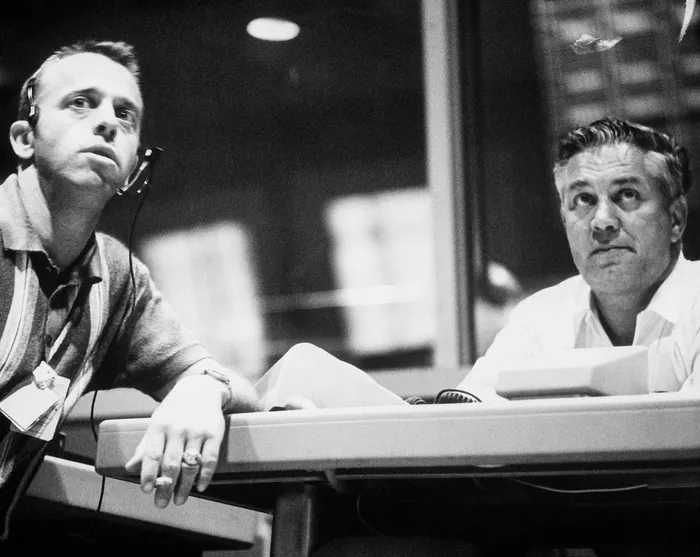
It was a fitting finale: proof that a steady pilot could save a crippled spacecraft, and the last time an American would fly in space alone. Faith 7 closed a programme that in barely two years had carried the United States from a fifteen-minute hop to a full day in orbit. Cooper came home to a hero's welcome, and Mercury handed off to the two-man Gemini flights that would rehearse the techniques needed to reach the Moon.
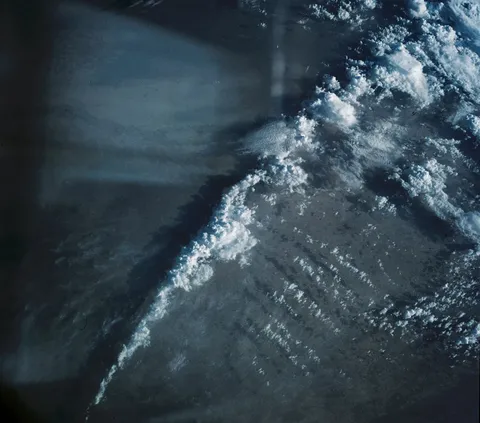
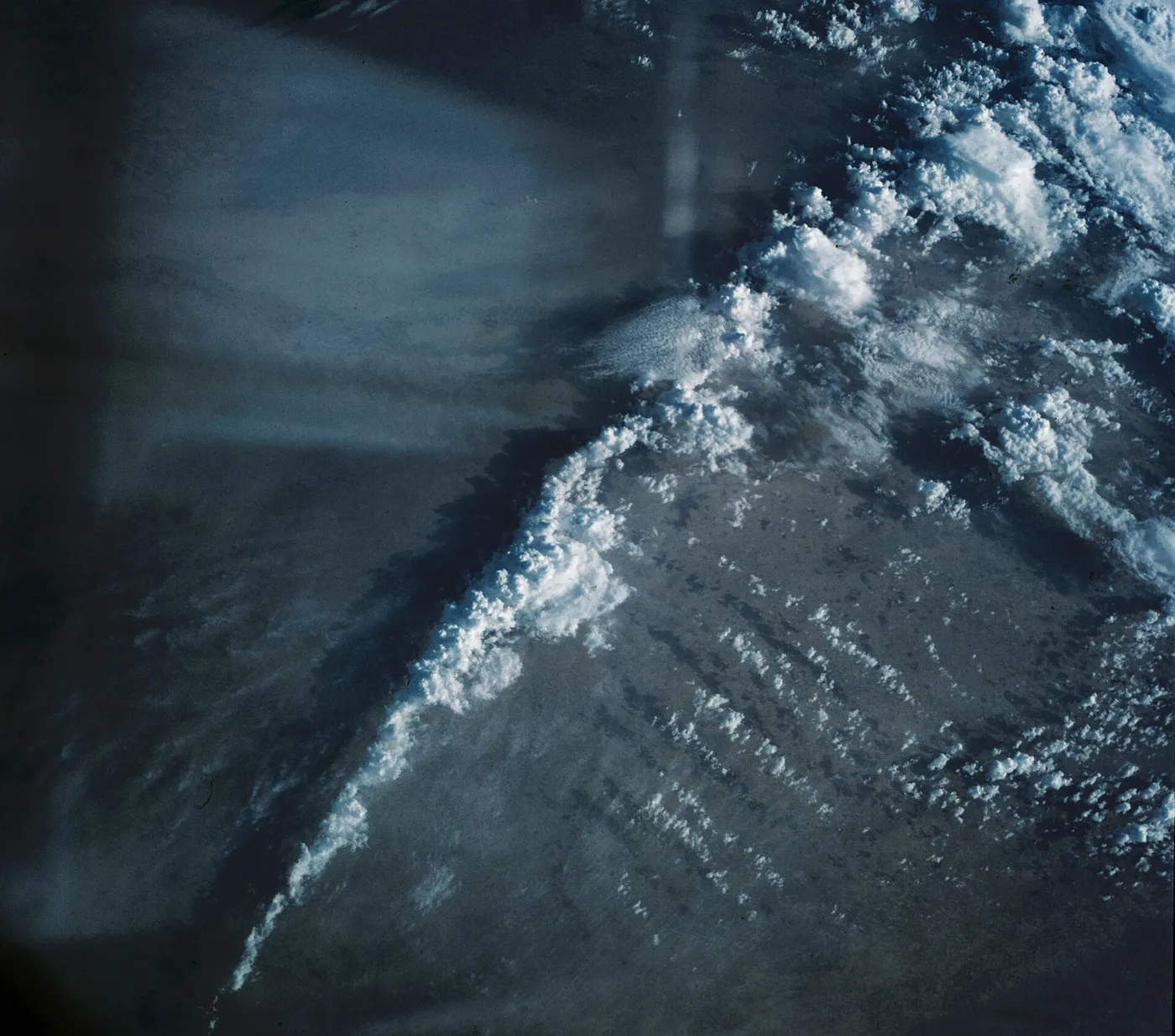
Cooper wore the ordeal lightly, in keeping with his reputation as the most unflappable of the Seven. Over the long flight he became the first American to sleep in orbit and the first to spend a full day in space, drifting between chores, releasing a small flashing beacon to track by eye, and insisting he could pick out roads, buildings and even smoke on the ground far below — detail the experts had sworn was impossible from orbit.
Two years later he was back, commanding Gemini 5 with Pete Conrad on an eight-day endurance run that proved a crew could last long enough to reach the Moon and return. Faith 7 marked the end of an era — the last time an American would fly in space alone — and the little capsule, retired to a museum, closed a programme that in barely two years had carried the country from a fifteen-minute hop to a full day in orbit and pointed it toward the Moon.