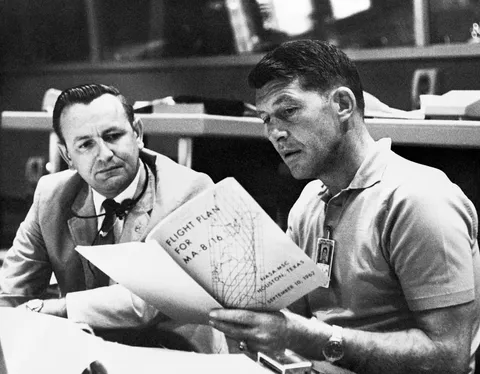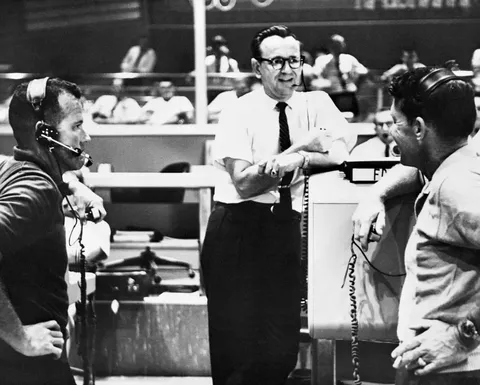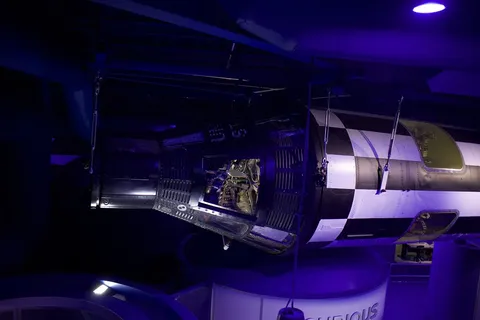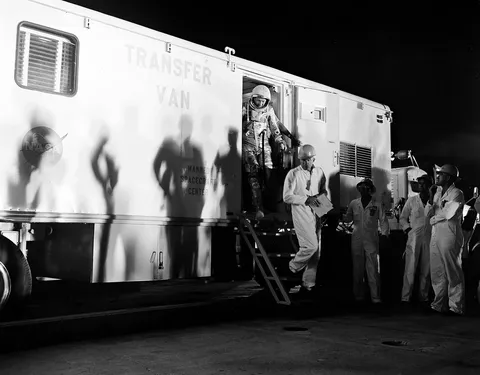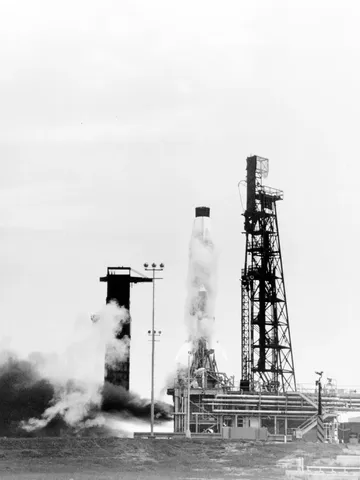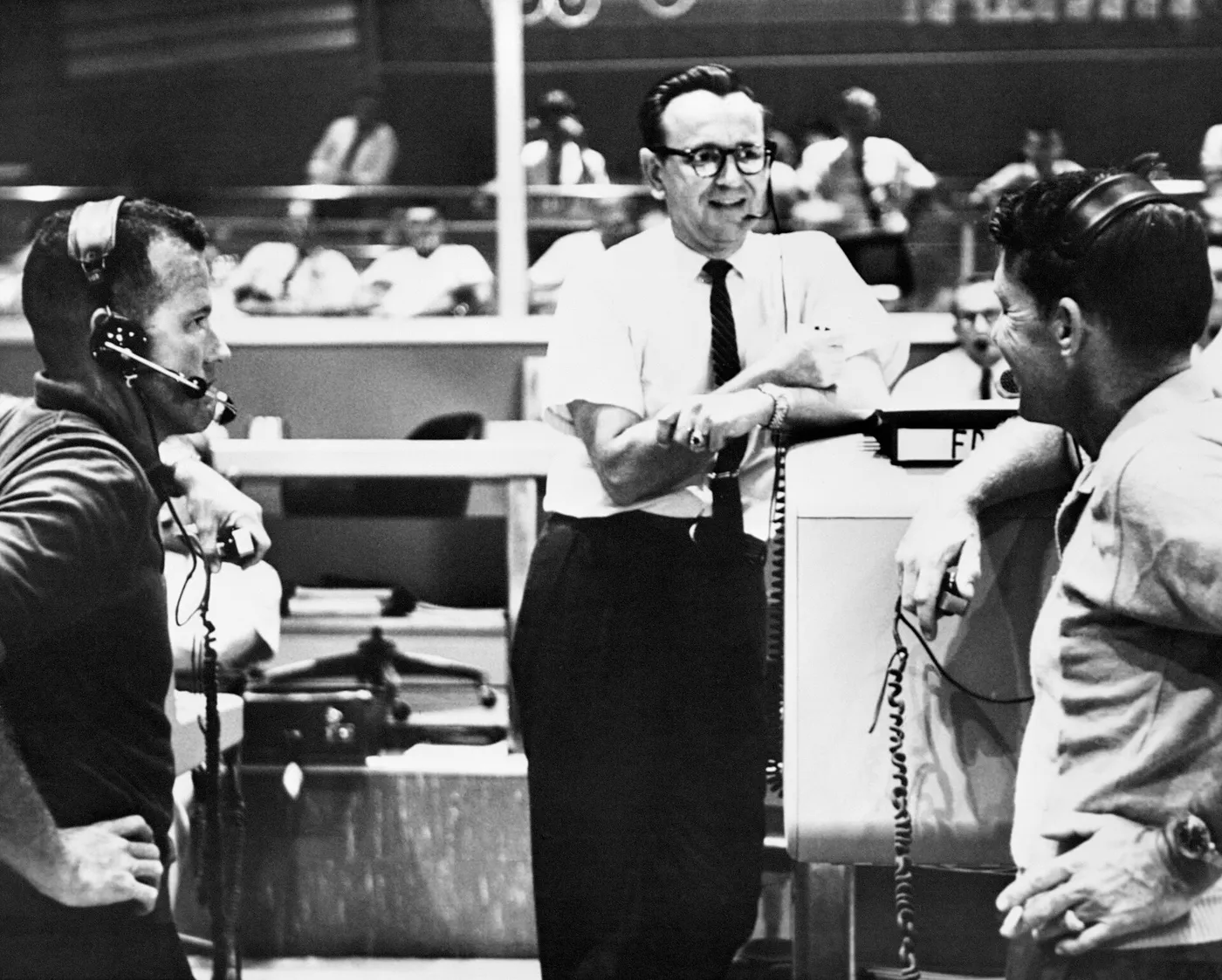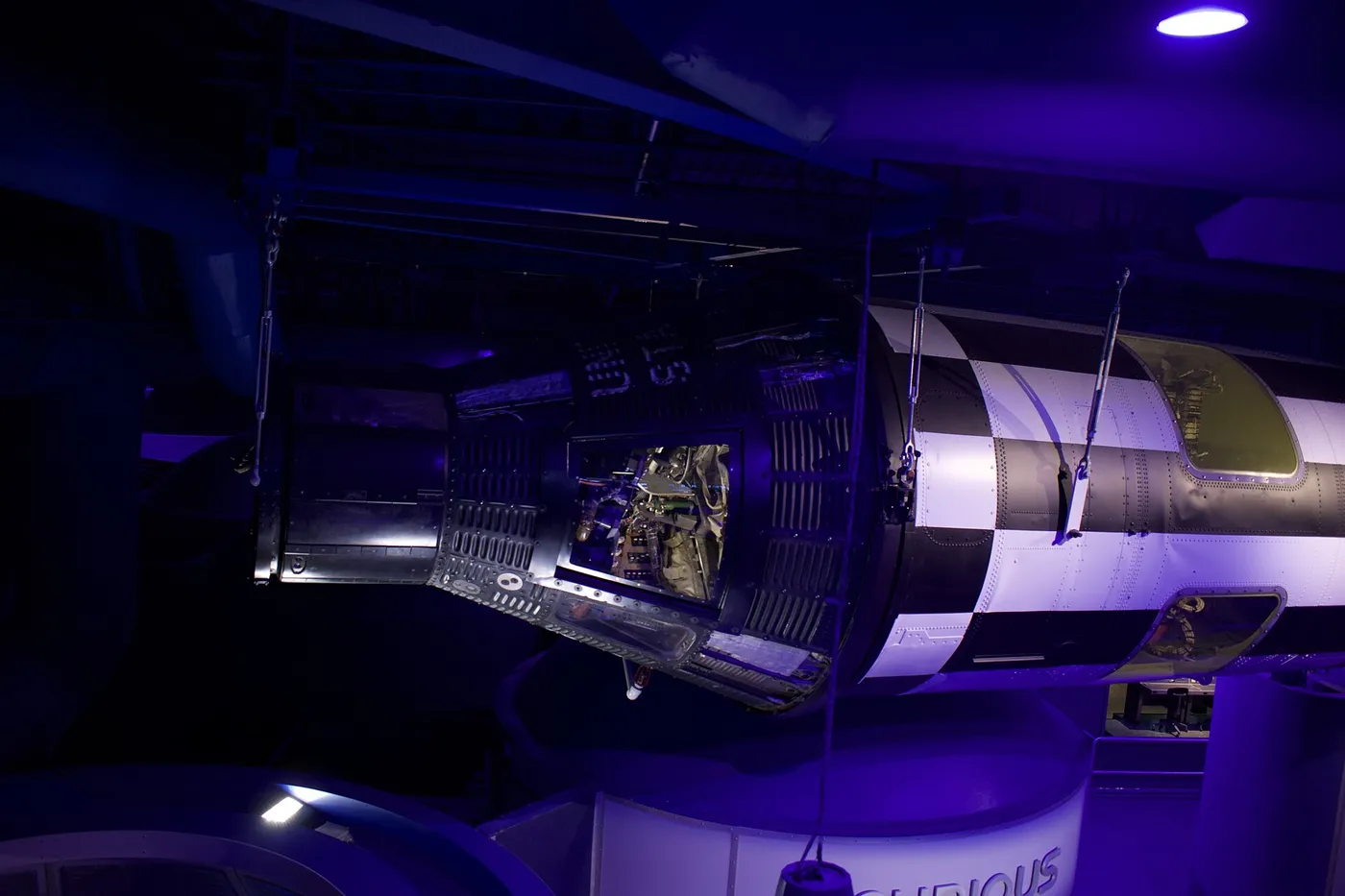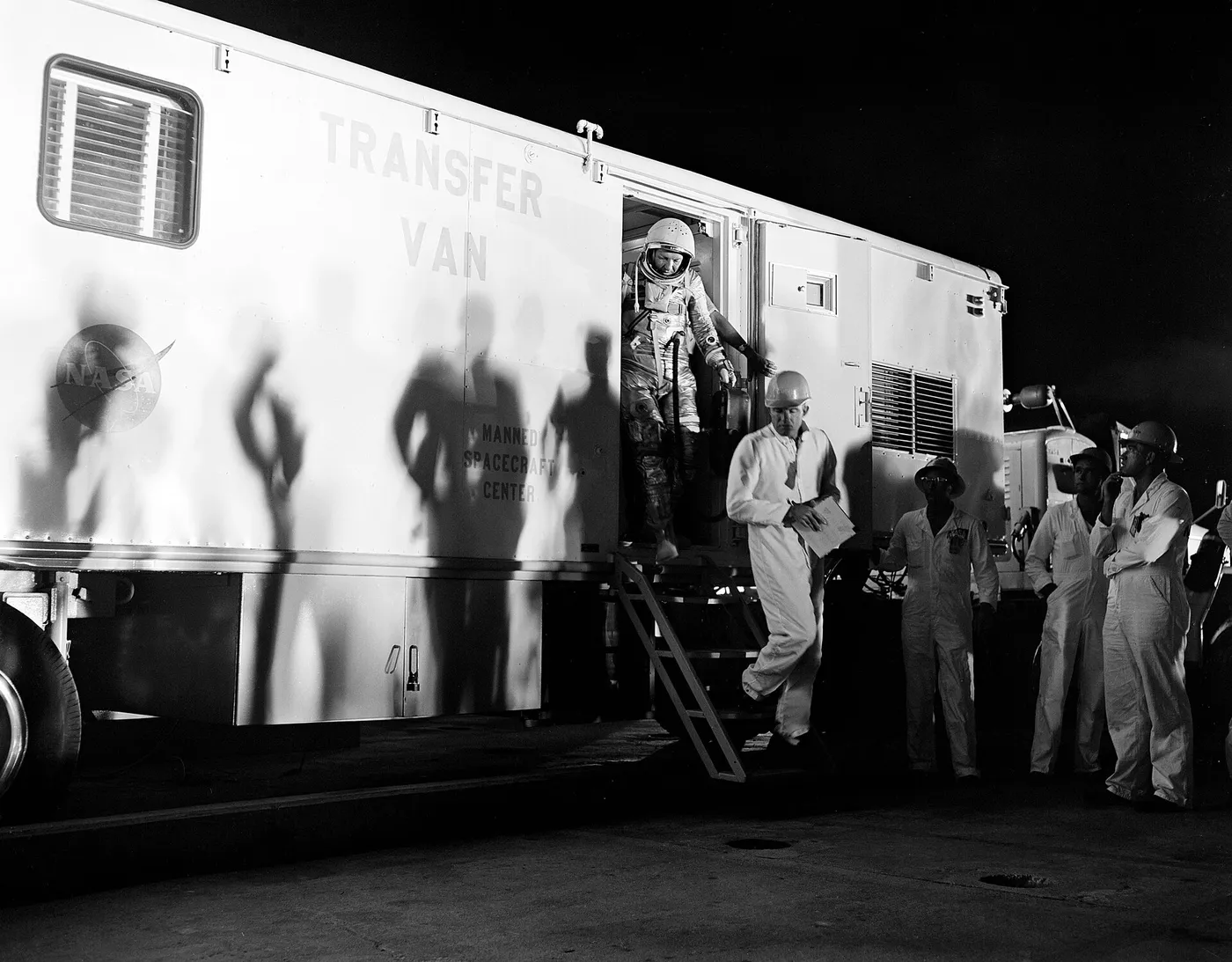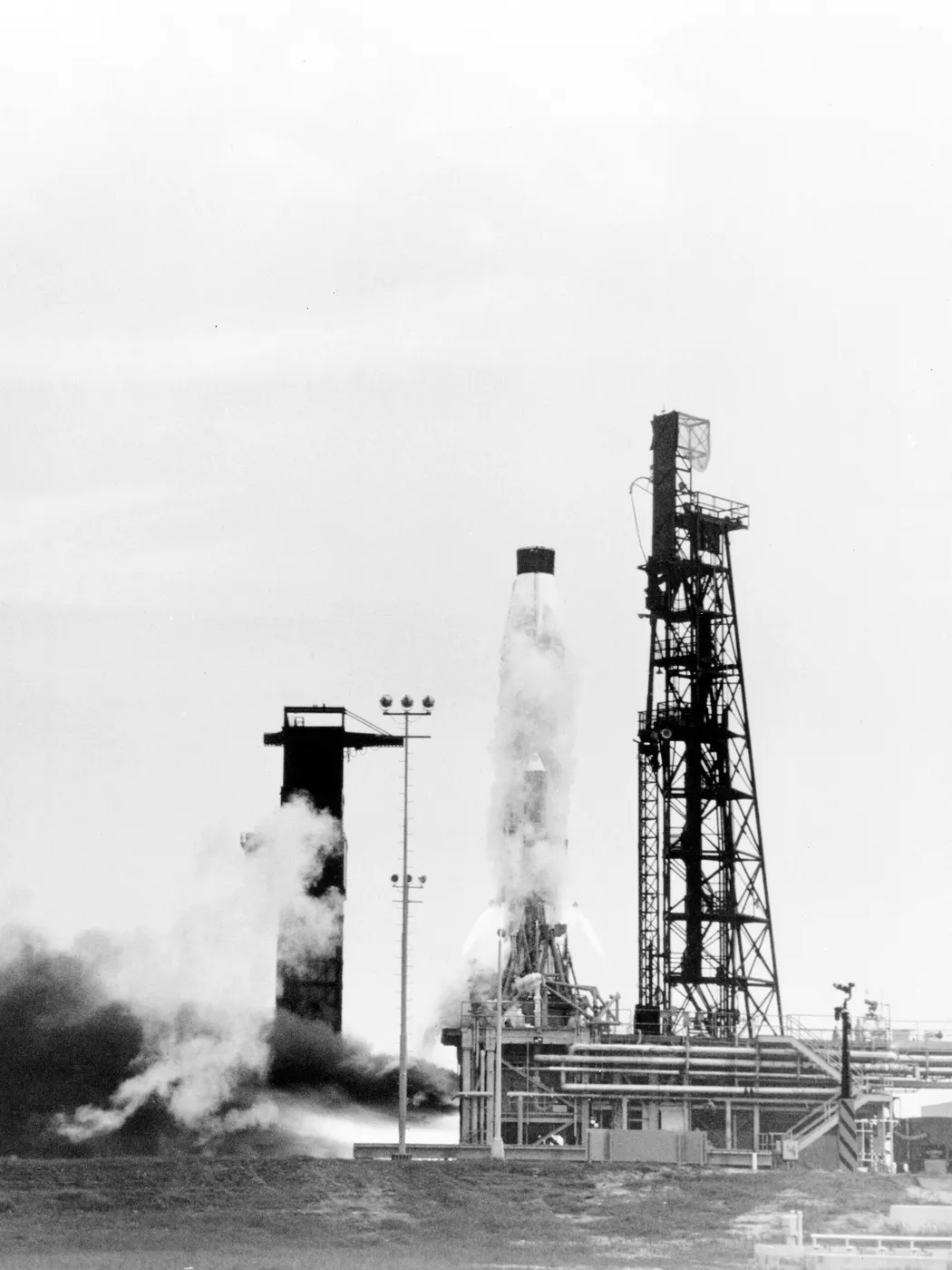
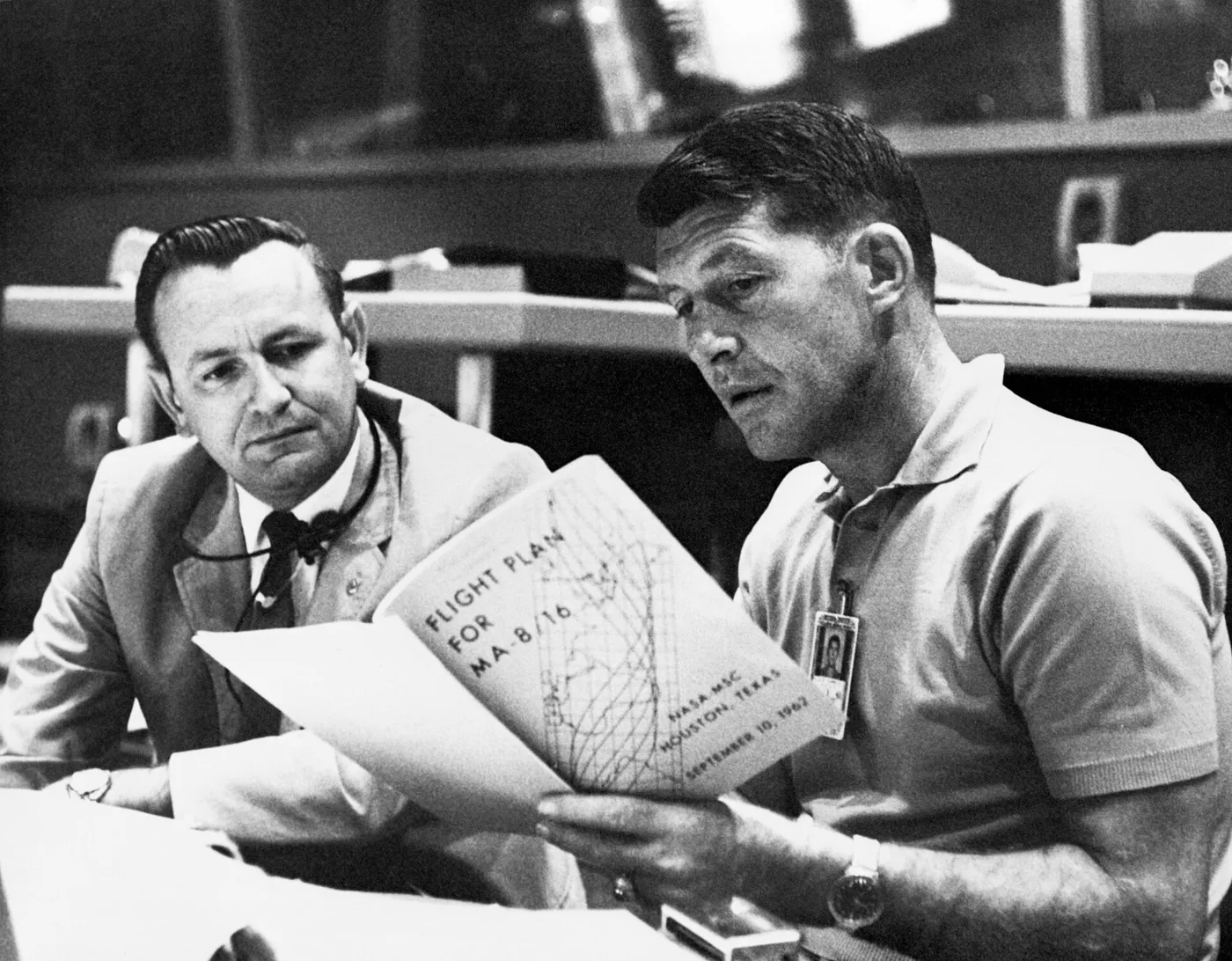
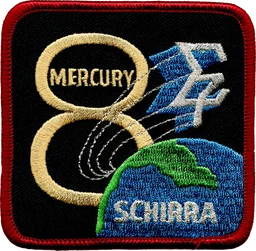
After Carpenter's costly overshoot, NASA wanted a flight that went exactly to plan, and Wally Schirra delivered one. Launched on 3 October 1962 for six orbits — twice as many as any American before him — his was above all an engineering mission, a disciplined test of the Mercury spacecraft over a longer flight. Schirra made the point with the name he chose: Sigma 7, after the mathematical symbol for a sum, a salute to the collective engineering behind the programme rather than to any drama in the sky.
Where Carpenter had run his tanks low, Schirra treated fuel like treasure. For long stretches he let Sigma 7 simply drift — powered down and coasting — hoarding propellant so carefully that he came home with plenty to spare. It was spaceflight as accountancy, and it worked beautifully: after nine hours aloft he splashed down in the Pacific, the first American recovered there, only a few miles from his target and within sight of the waiting carrier.
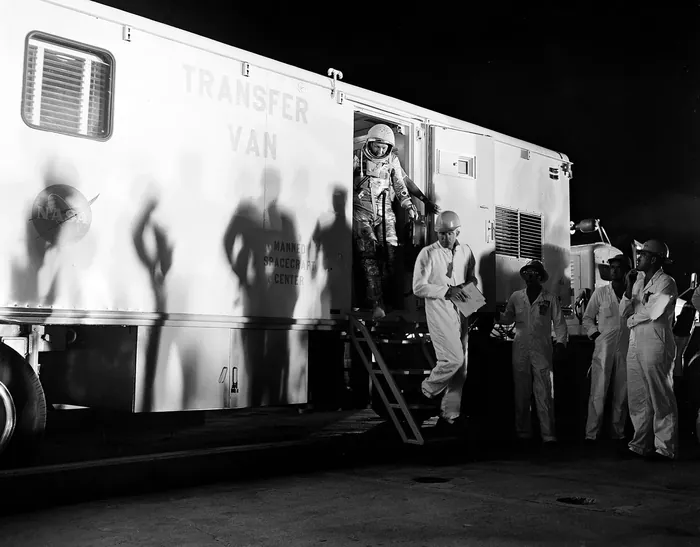
The nearly flawless flight was exactly the reassurance NASA needed. It showed the Mercury capsule could keep a man safe and steady for the better part of a day, cleared the way for one last, longer Mercury mission, and built confidence for the two-man Gemini flights to come. Schirra would go on to a singular career as the only person to fly in Mercury, Gemini and Apollo.
“The nearly flawless flight was exactly the reassurance NASA needed”
Schirra's watchword was discipline, and Sigma 7 read like a checklist ticked off in perfect order. Where Carpenter had chased science and run his tanks dry, Schirra husbanded every drop of fuel and worked every switch with a test pilot's exactness, coining the phrase “textbook flight” for the kind of unshowy competence he prized. It was precisely the confidence-builder a bruised programme needed.
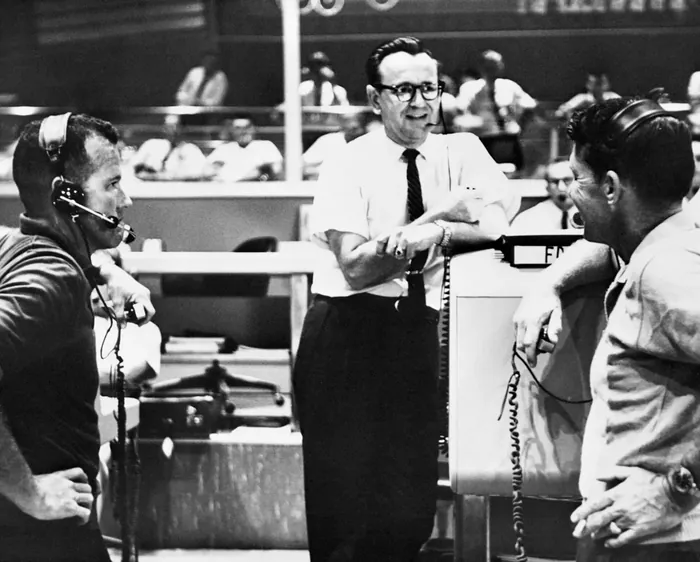
That precision defined the rest of his career. In 1965 he flew Gemini 6 and, easing to within a foot of Gemini 7, achieved the first true rendezvous of two crewed spacecraft — then, coasting through orbit near Christmas, he and Tom Stafford solemnly reported an object “in a red suit” before playing Jingle Bells on a smuggled harmonica and sleigh bells, the first music broadcast from space. He closed his flying days commanding Apollo 7, the mission that restored crewed flight after the Apollo 1 fire, nursing a head cold and a famously short temper the whole way.