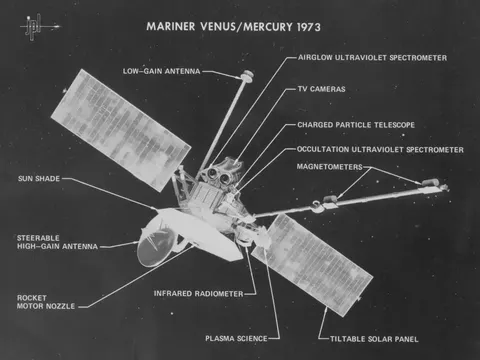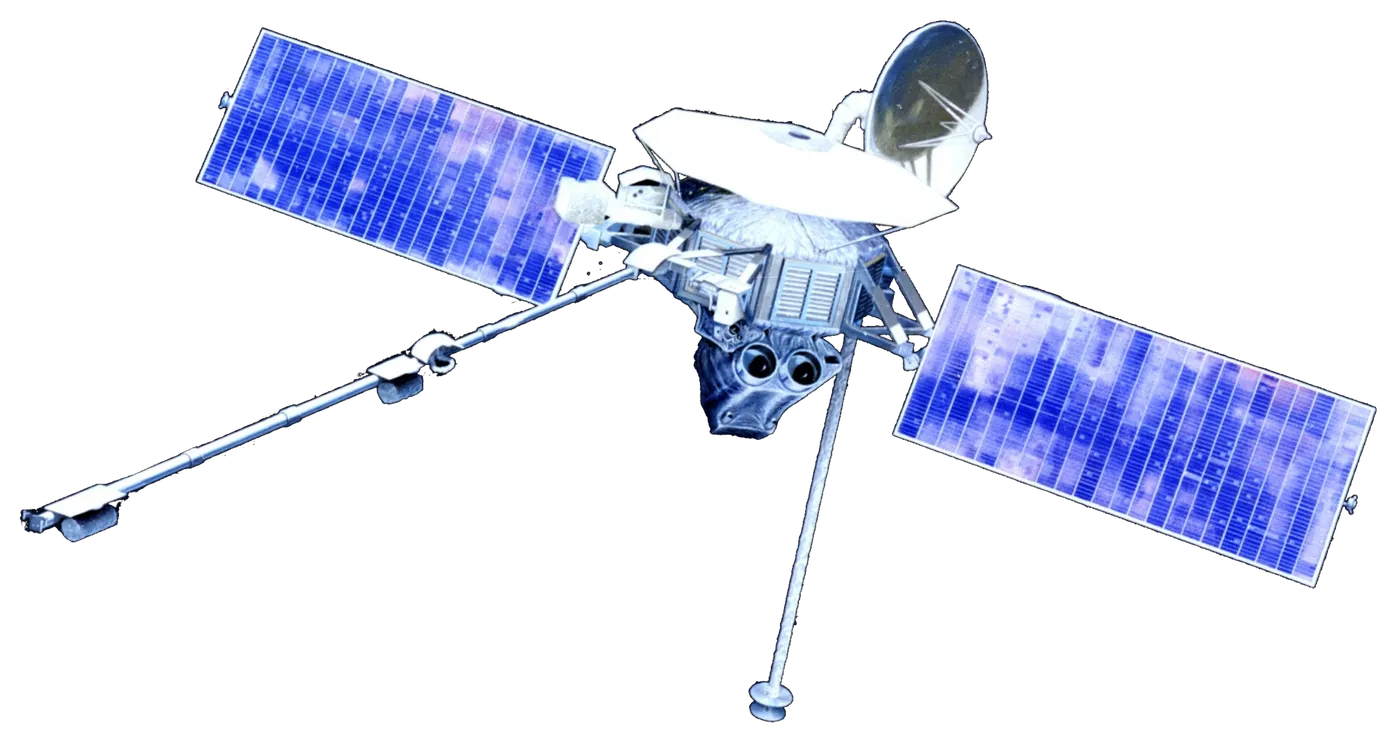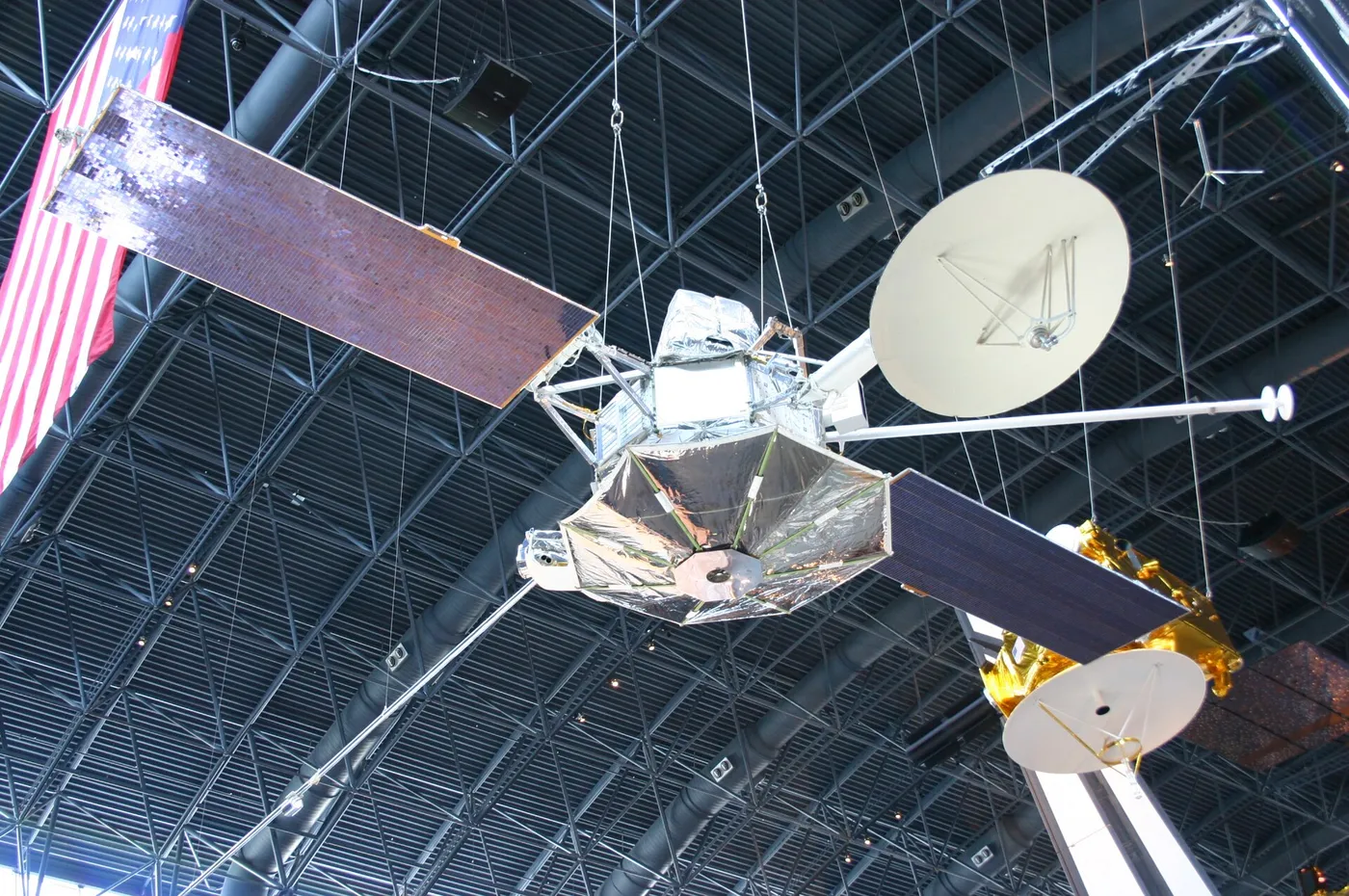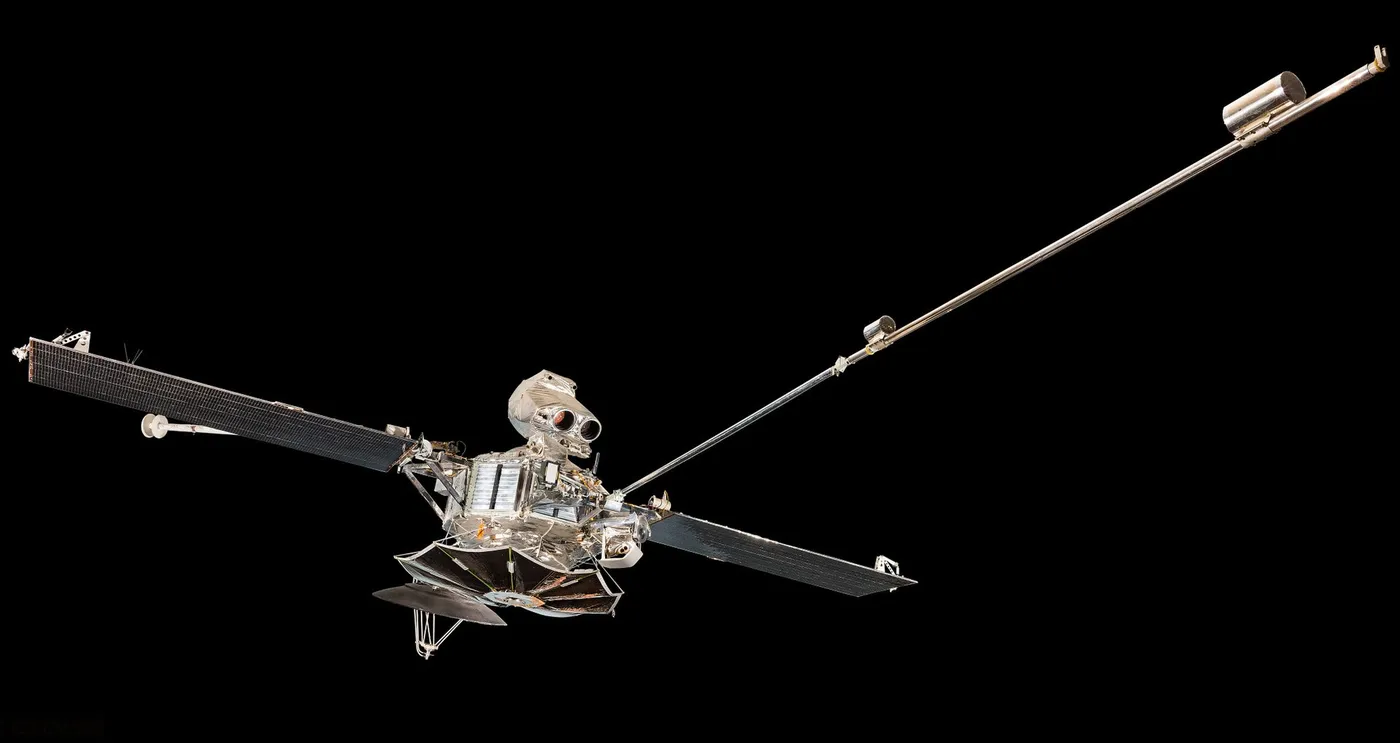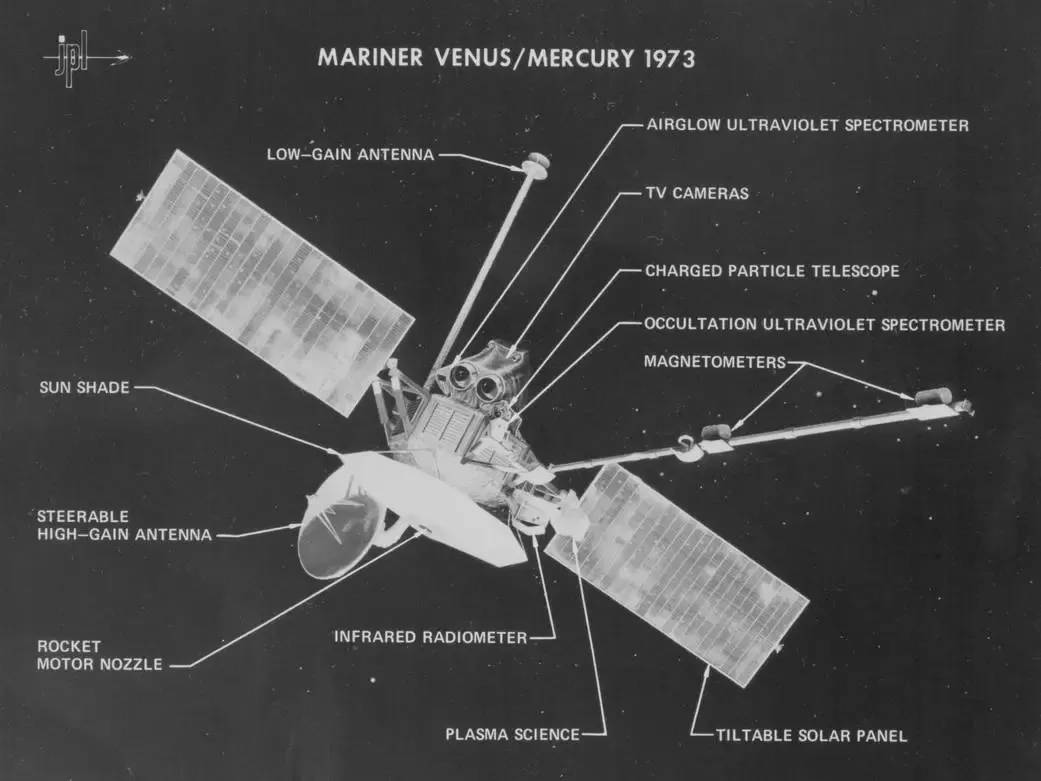
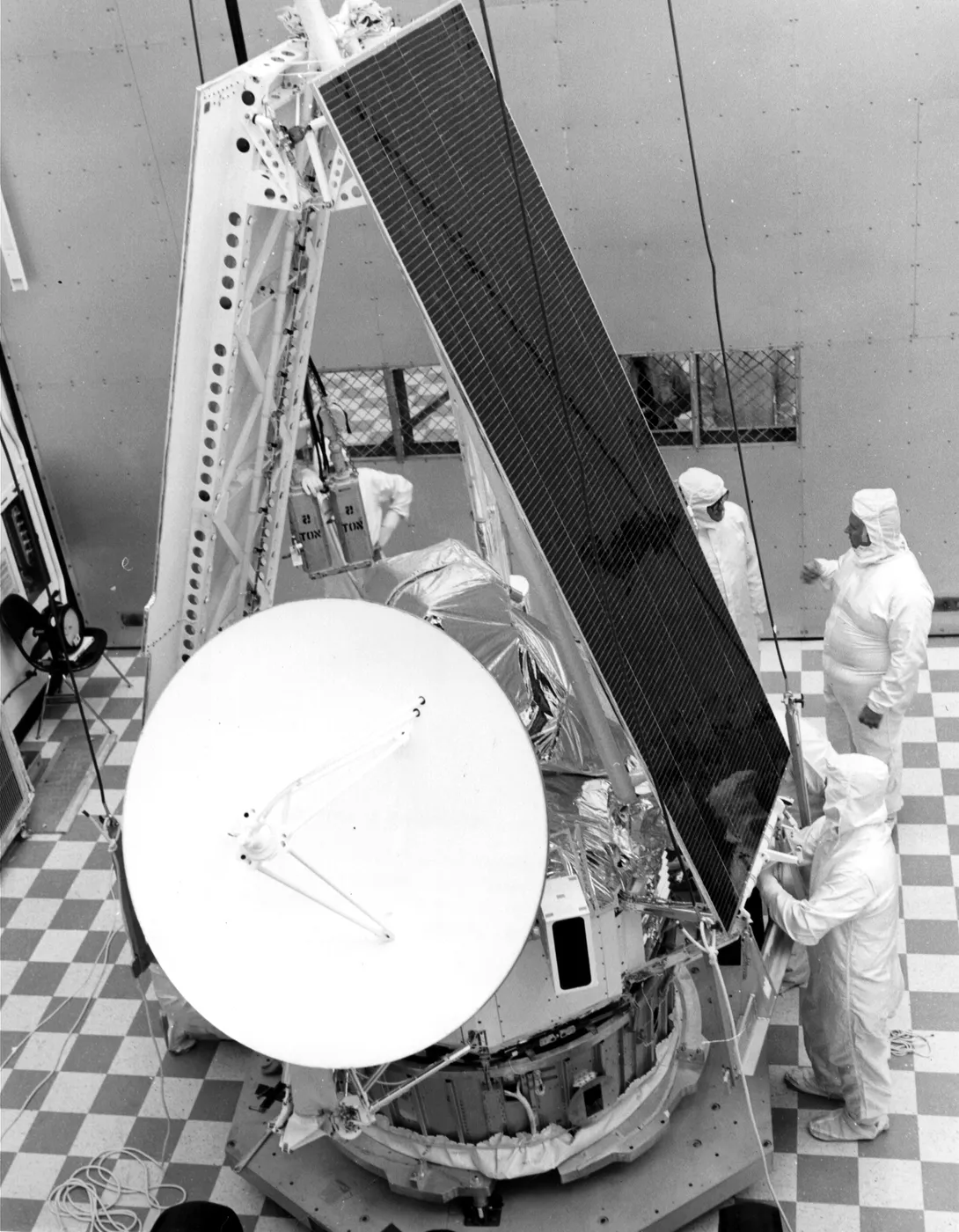

Mariner 10 invented a technique that made the rest of planetary exploration affordable. To reach Mercury directly requires shedding an enormous amount of orbital energy, far beyond the rockets of the early 1970s; the Italian mathematician Giuseppe Colombo pointed out that a carefully aimed pass by Venus could bend the trajectory and do the work for free.
It worked, and the spacecraft became the first to use a gravity assist and the first to visit two planets. Colombo then noticed something further: the resulting orbit around the Sun took exactly twice Mercury's year, so the probe would return to the planet again and again. It made three flybys in 1974 and 1975.
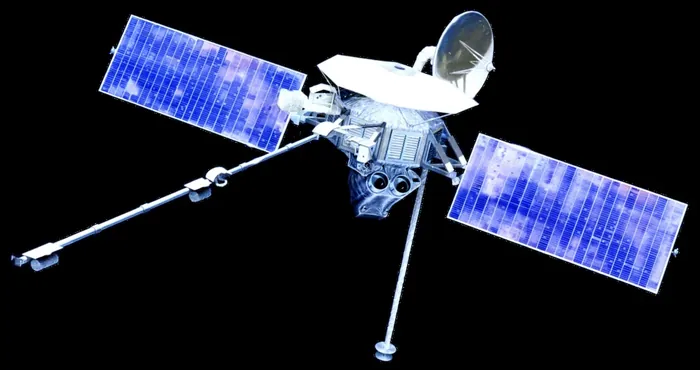
Mercury proved to be a heavily cratered world superficially like the Moon, with one enormous impact basin — Caloris, some 1,500 kilometres across — and strange rumpled terrain on the exact opposite side, apparently produced by seismic waves converging after the impact. The genuine surprise was a magnetic field, which a small, slowly rotating, supposedly cold planet should not have had, implying a molten core.
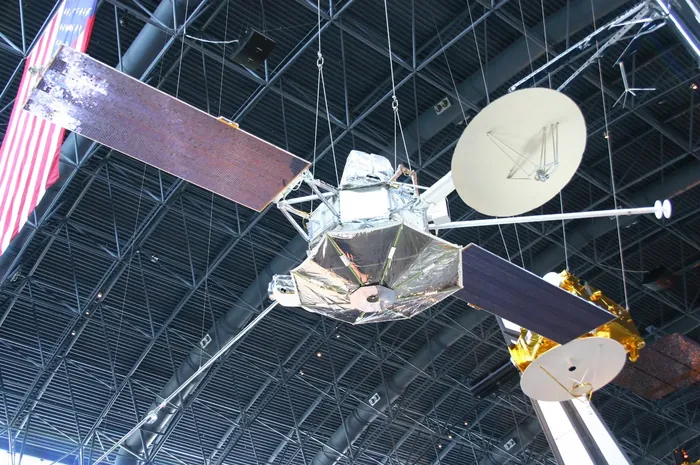
Because the three passes each occurred at the same point in Mercury's long day, the same hemisphere was sunlit every time, and Mariner 10 imaged only about 45 per cent of the surface. The rest remained unseen for more than three decades until MESSENGER arrived.
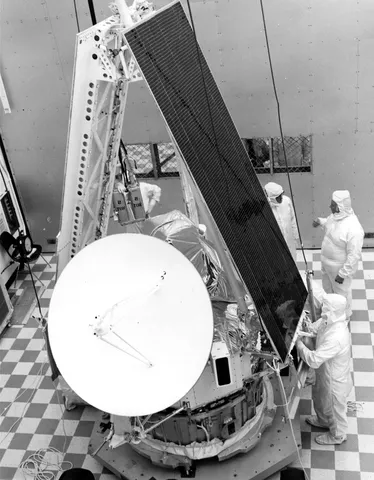
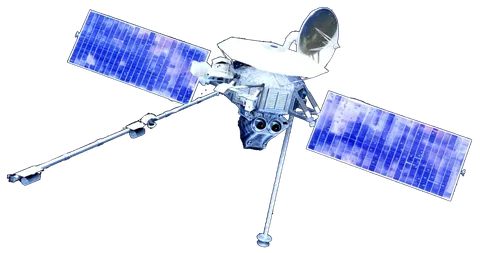
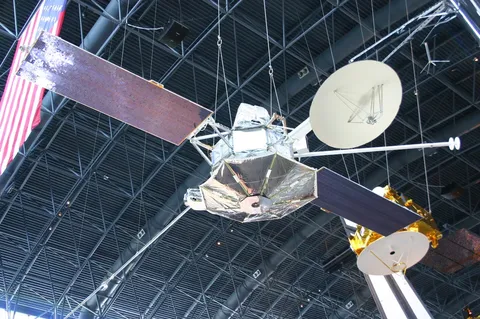
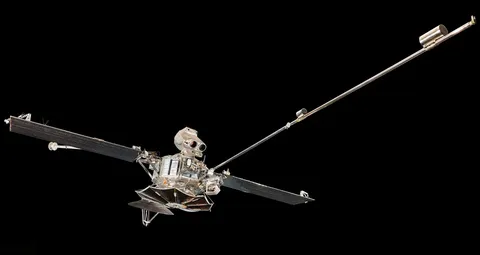
The spacecraft also improvised. Running low on attitude-control gas, engineers turned its solar panels and high-gain antenna into sails and used the faint pressure of sunlight to hold it steady — the first practical use of solar sailing. It ran out of fuel in March 1975 and is still orbiting the Sun, presumably still passing Mercury every 176 days.