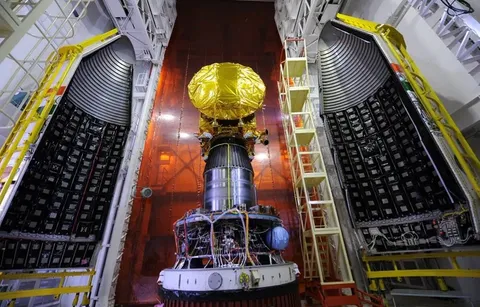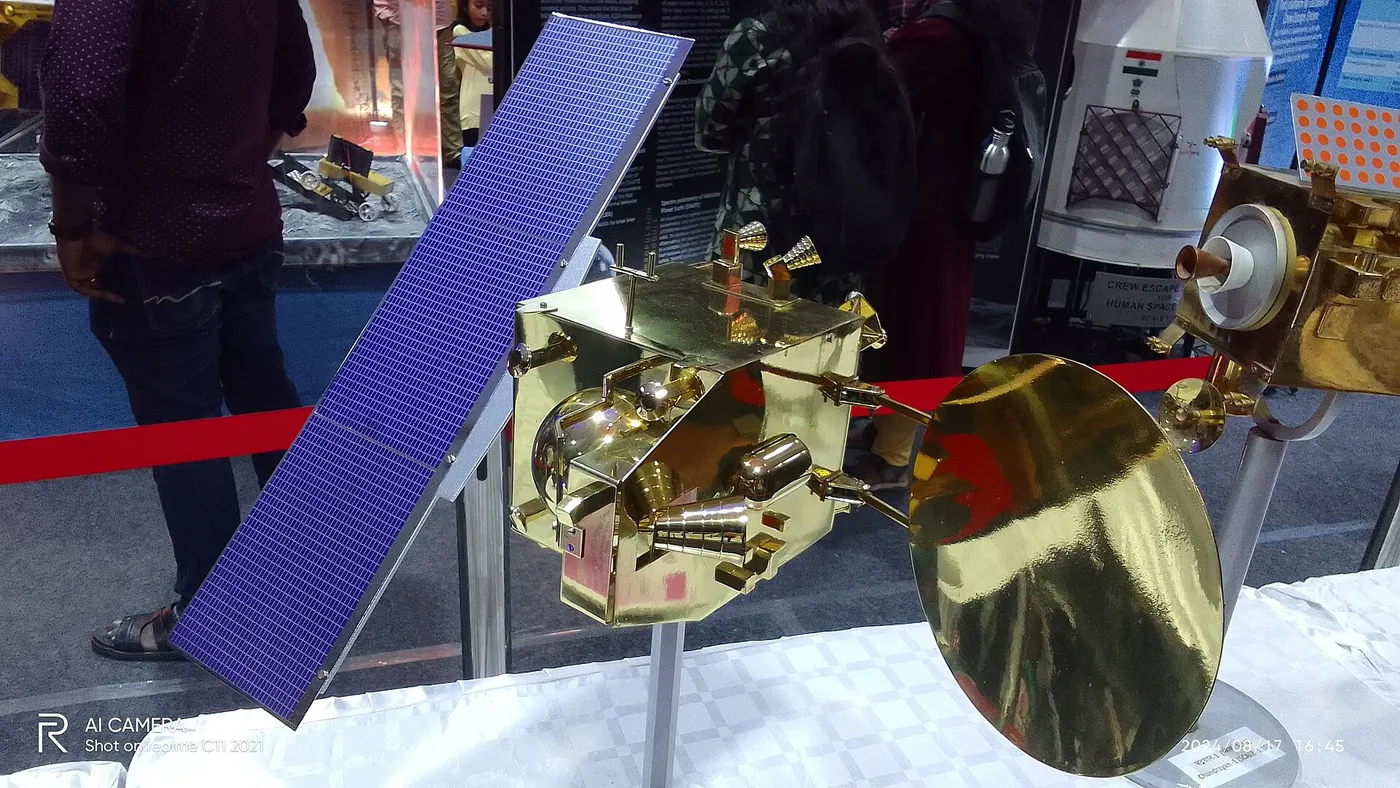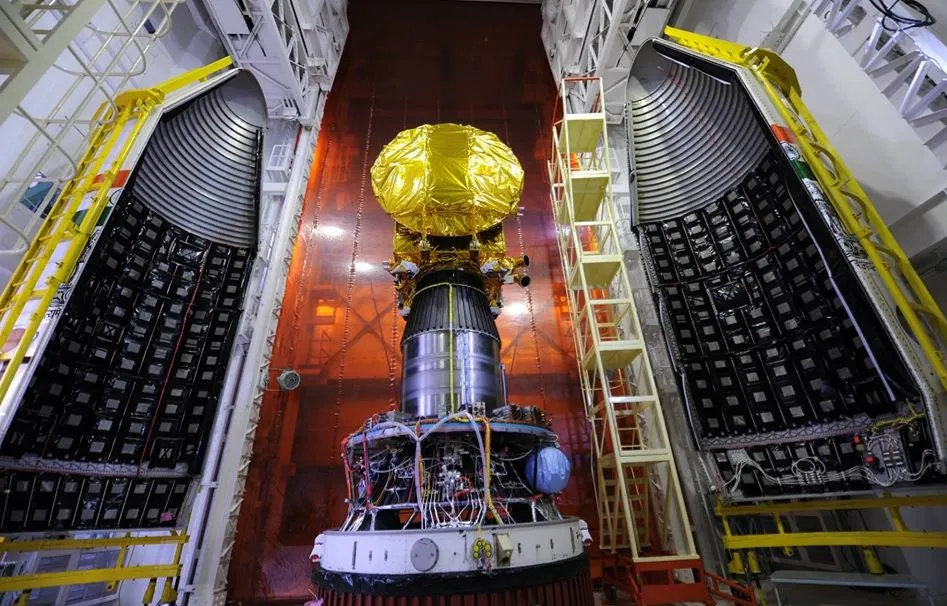
India reached Mars on its first attempt, which no other nation or agency has managed. The Mars Orbiter Mission arrived in September 2014 after a journey that had begun with a spacecraft too heavy for the rocket available: ISRO's PSLV could not throw it directly, so the probe raised its own orbit around Earth in six successive engine burns over a month before slipping free.
It cost about $74 million, less than many Hollywood films and roughly a tenth of the contemporaneous American mission to Mars. The savings came from a small spacecraft, modest instruments, an existing launcher, low domestic labour costs, and a compressed development schedule of some fifteen months — an approach that drew both admiration and warnings about how much science was sacrificed.
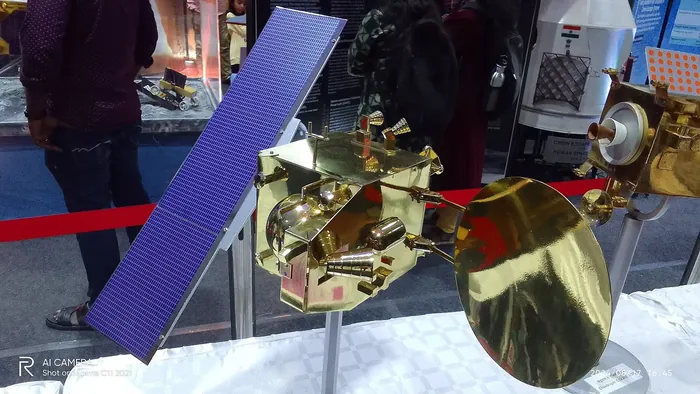
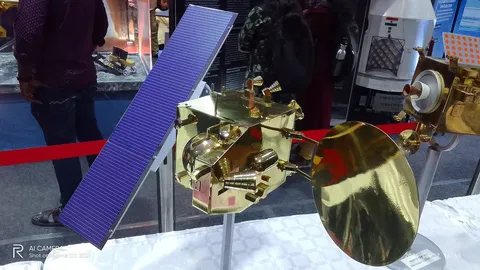
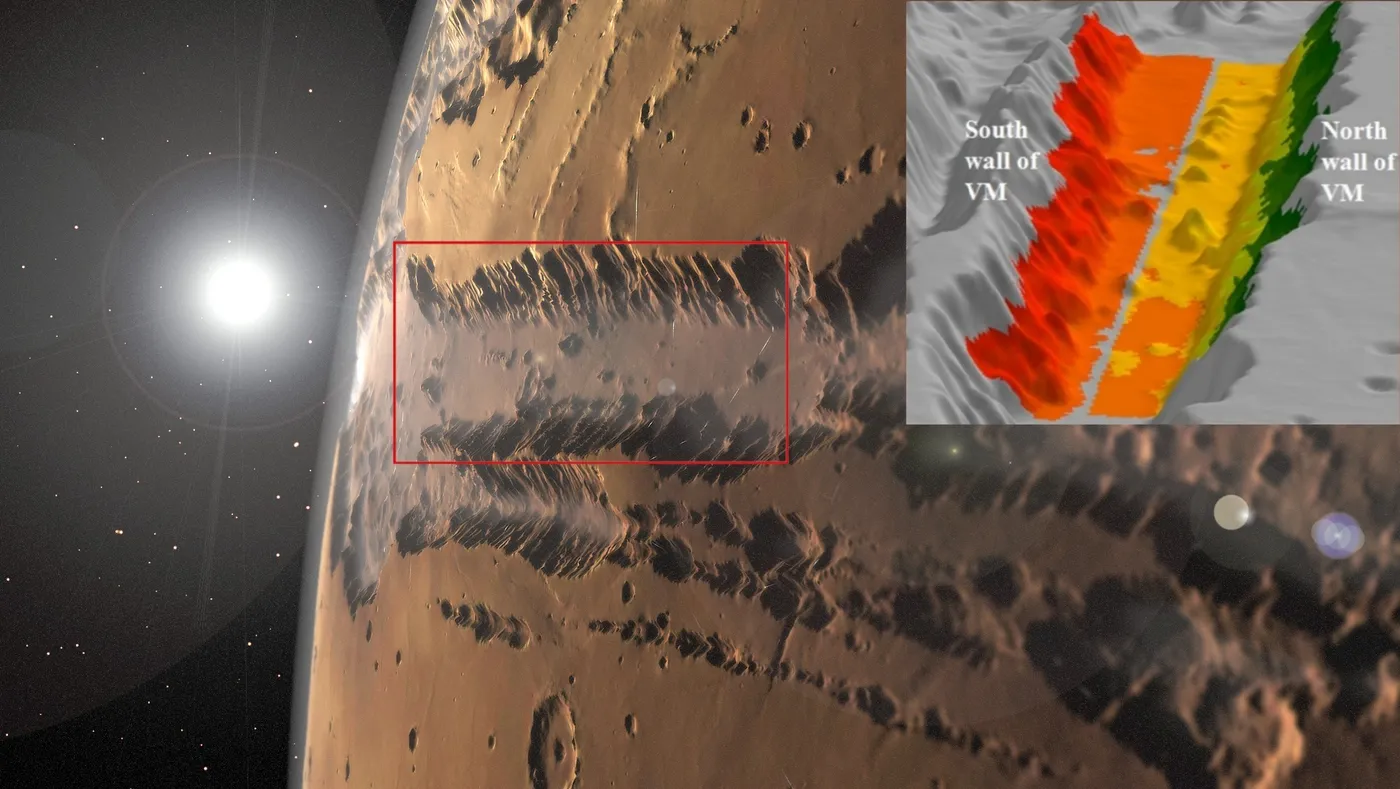
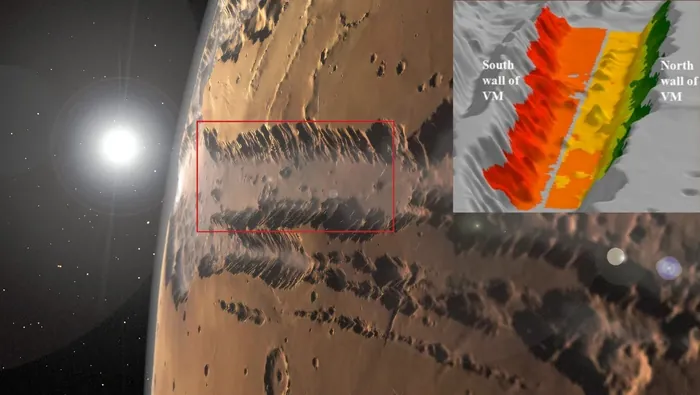
The science was genuinely modest: five instruments totalling fifteen kilograms, studying the atmosphere, surface composition and the escape of hydrogen. Its most valuable contribution was probably its highly elliptical orbit, which let its camera photograph the full disc of Mars — a viewpoint most orbiters, flying low and close, never obtain.
The image that travelled furthest was taken on Earth. A photograph of women scientists at the ISRO control centre in Bengaluru, in saris, celebrating the orbital insertion, was reproduced worldwide and became shorthand for a space programme that looked nothing like the ones people were used to seeing.
Designed for six months, it operated for eight years, finally losing contact in 2022 when its propellant and battery ran out during a long eclipse. It made India the fourth entity to reach Mars, after the Soviet Union, the United States and Europe, and it did so on a budget that changed how ambitious a national space programme is assumed to need to be.