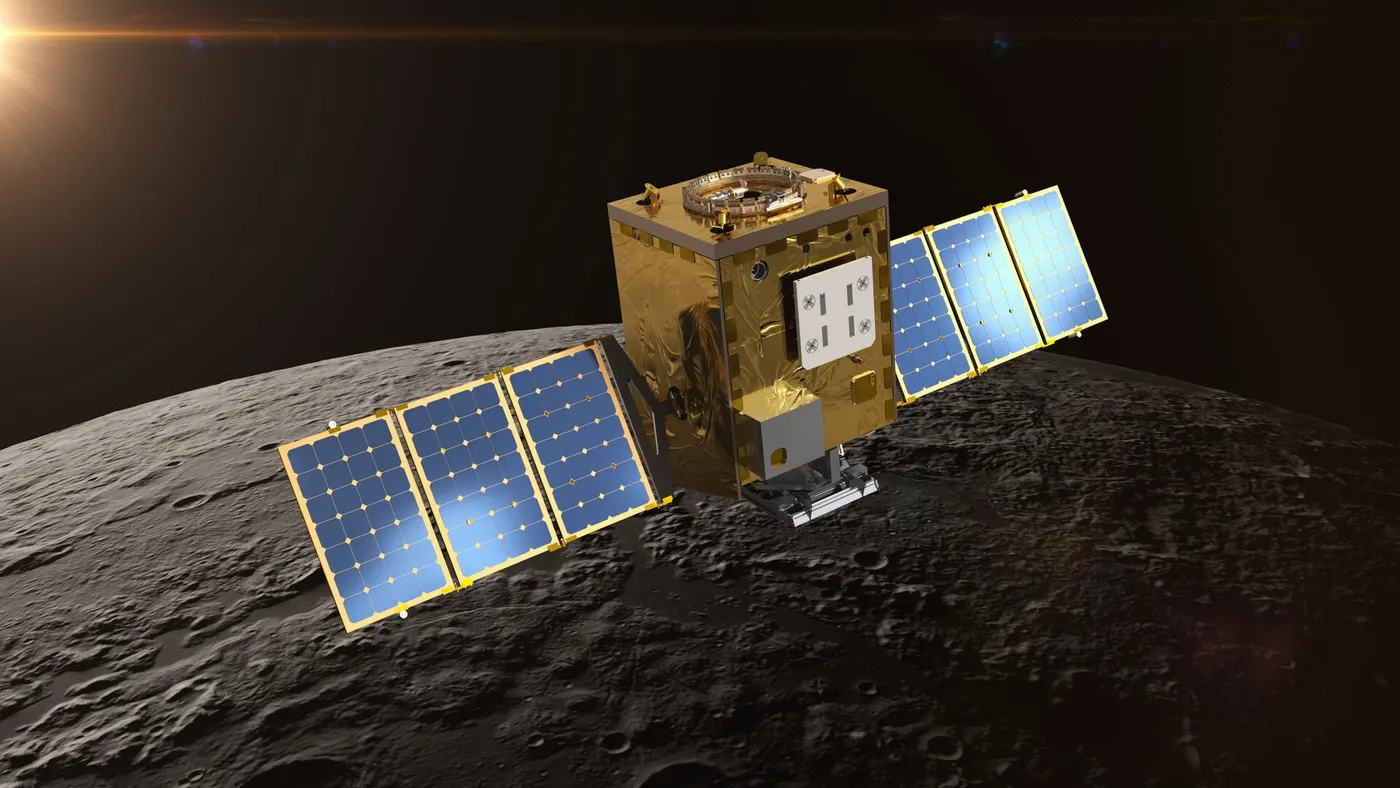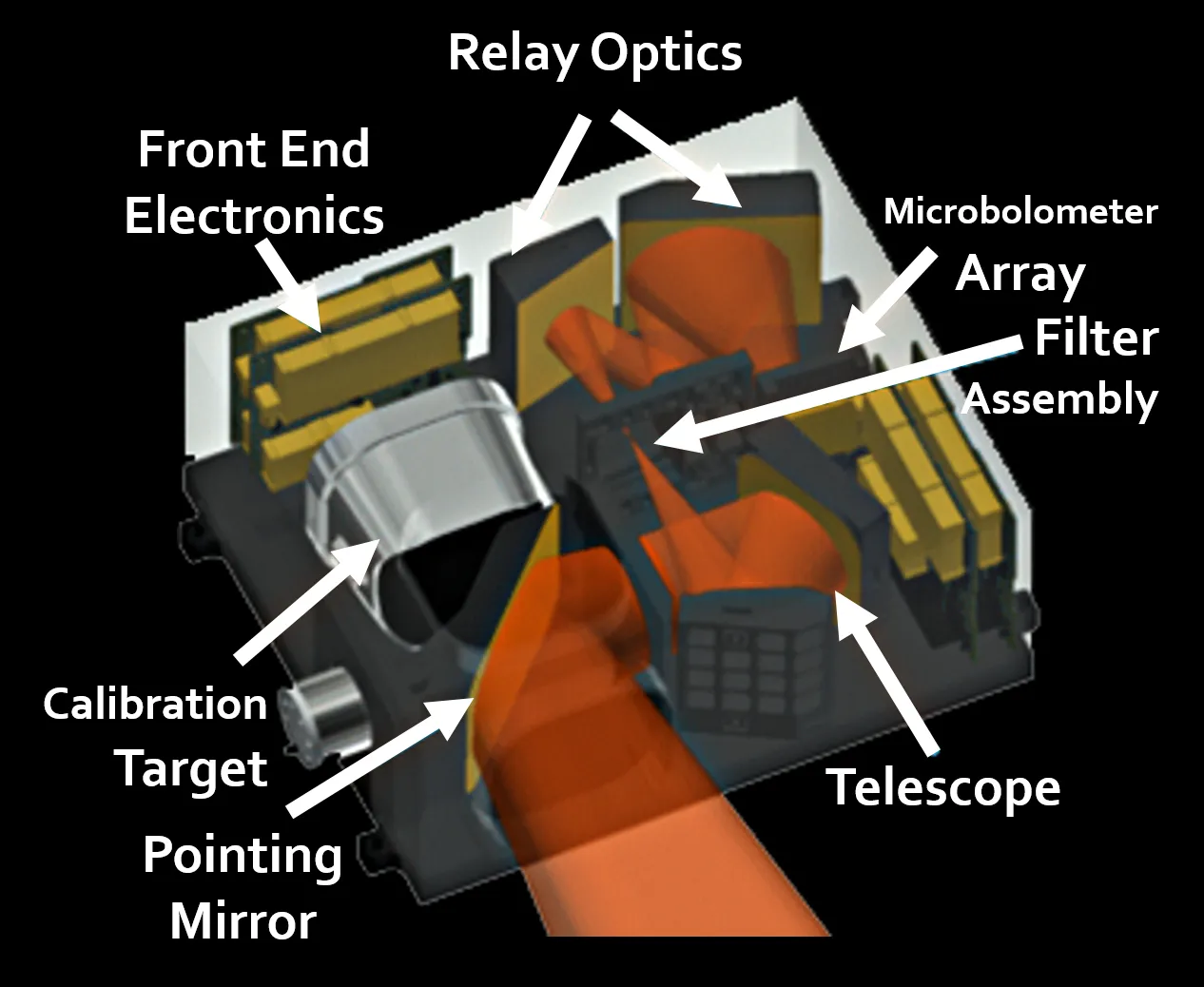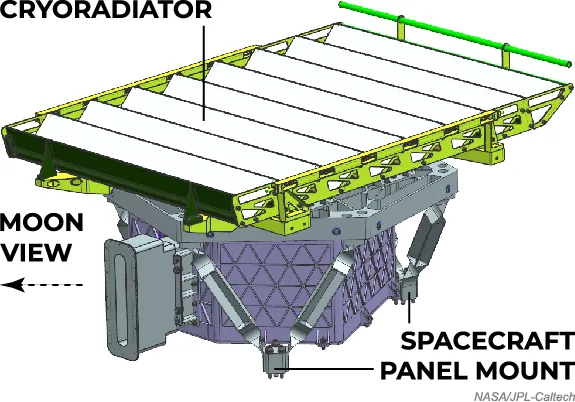
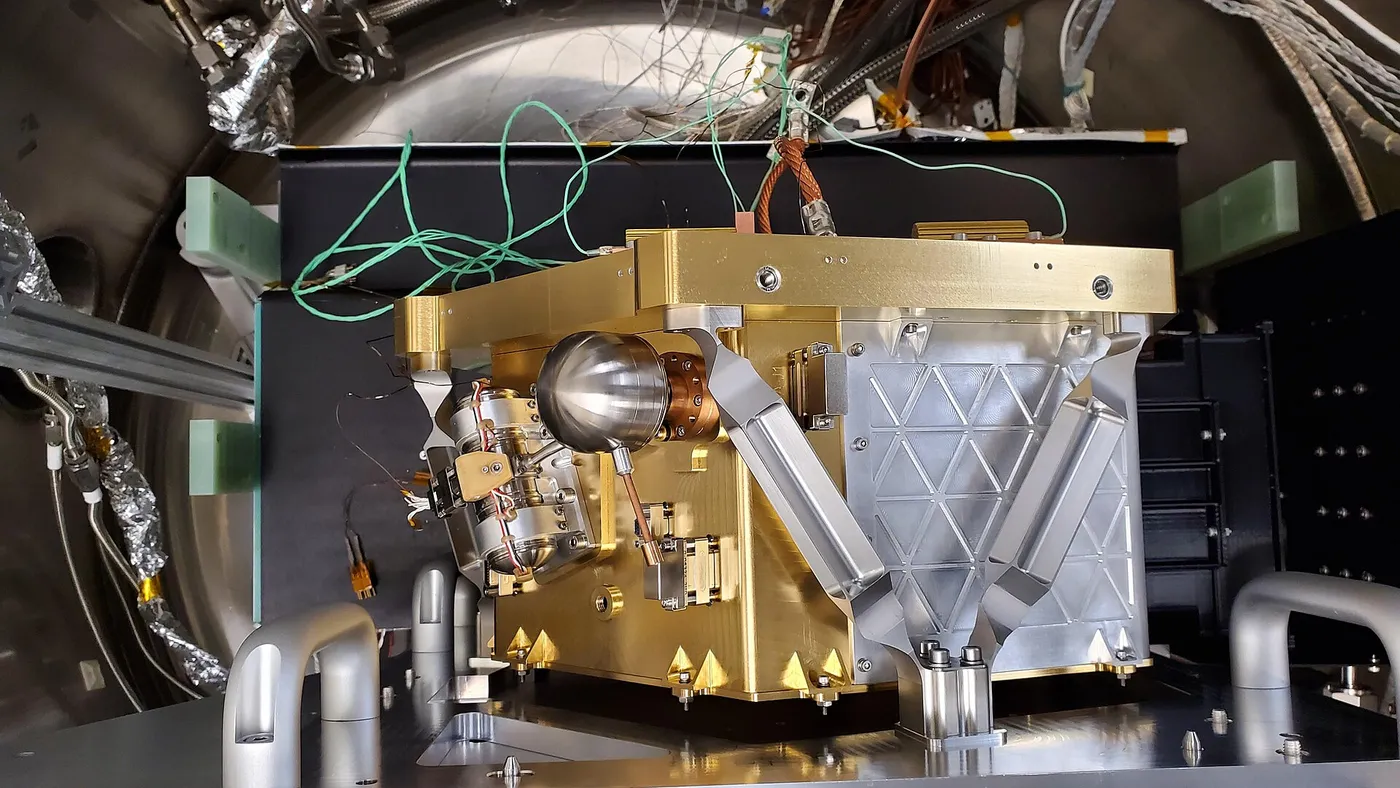

Lunar Trailblazer was small, cheap and aimed at a specific question: where exactly is the water on the Moon, in what form, and how does it move? Chandrayaan-1 had found hydroxyl and water signatures across the surface, and later work suggested the amounts vary through the lunar day, implying an active cycle nobody has mapped.
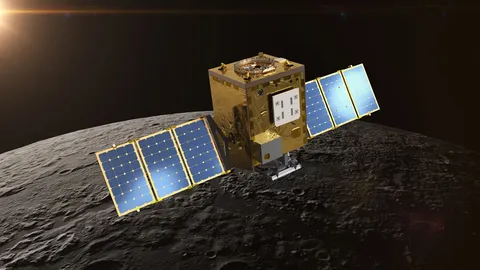
The spacecraft weighed about 200 kilograms and cost under $100 million, flying as a secondary payload on a launch whose primary mission was a commercial lunar lander — the model NASA has been pushing hard, in which small science missions ride along cheaply and accept the corresponding risk.
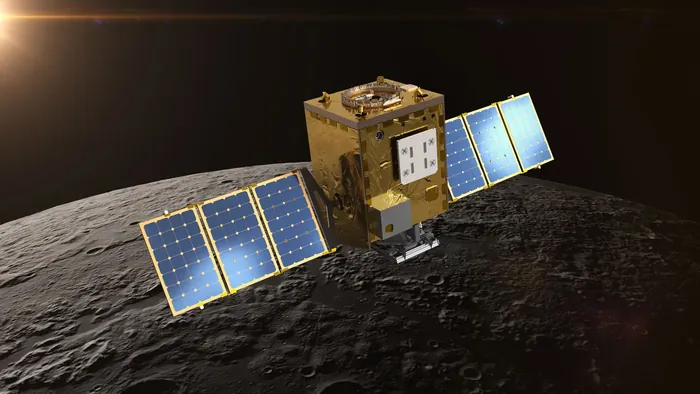
It launched in February 2025 and was lost almost immediately. Contact became intermittent within hours, telemetry indicated a power problem, and tracking suggested the spacecraft was tumbling slowly and unable to keep its solar arrays pointed at the Sun. Efforts to re-establish control continued for weeks.
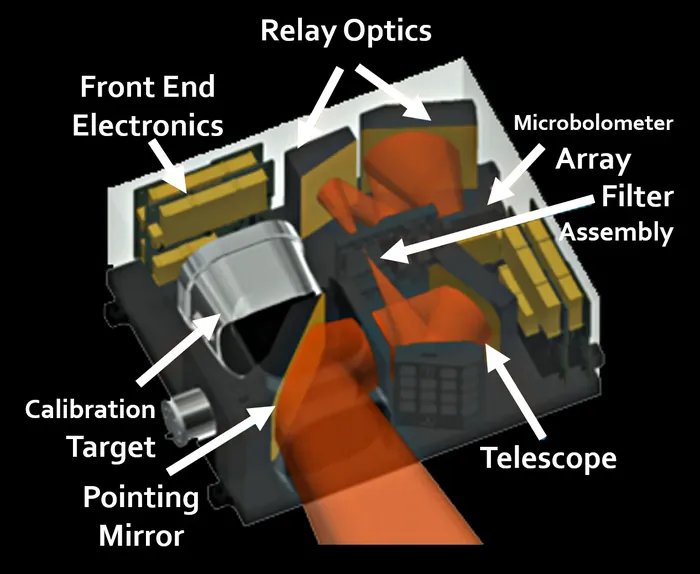
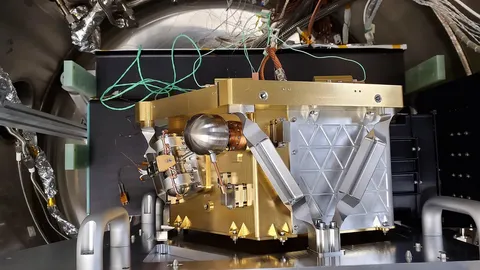
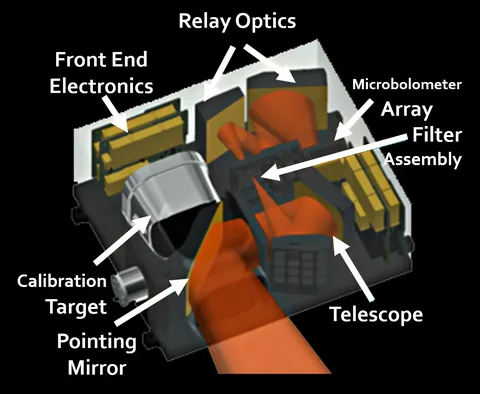
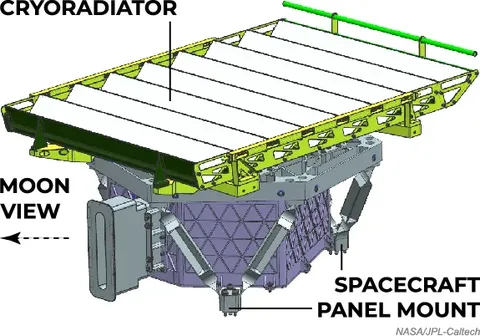
The mission was declared lost in March 2025 without having reached the Moon. Its two instruments, built to map water at high spatial resolution in a way no previous mission had managed, never returned data.
The loss illustrates the trade-off in the low-cost model honestly. Missions of this class are flown with less redundancy, less testing and thinner margins than flagship spacecraft, on the reasoning that several cheap attempts beat one expensive one — a reasoning that only holds if the failures are affordable and the science eventually gets done.