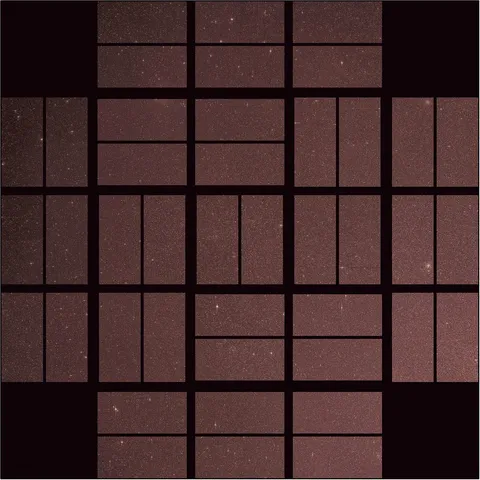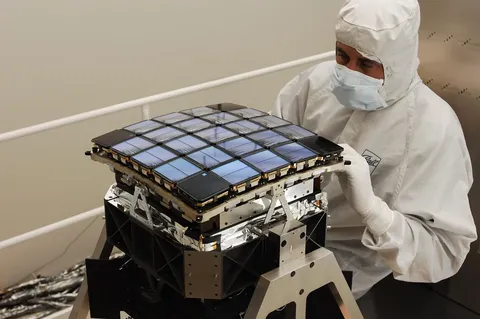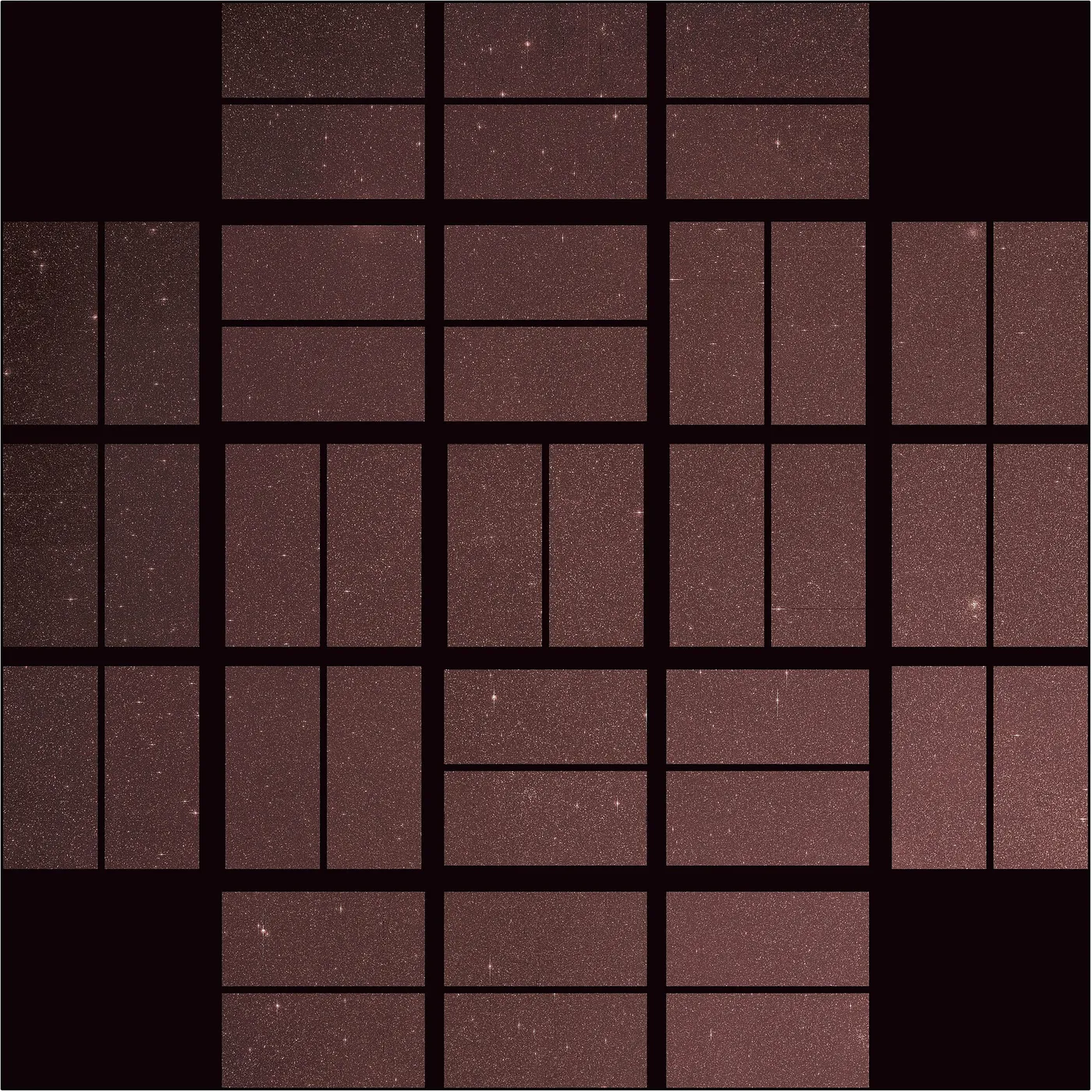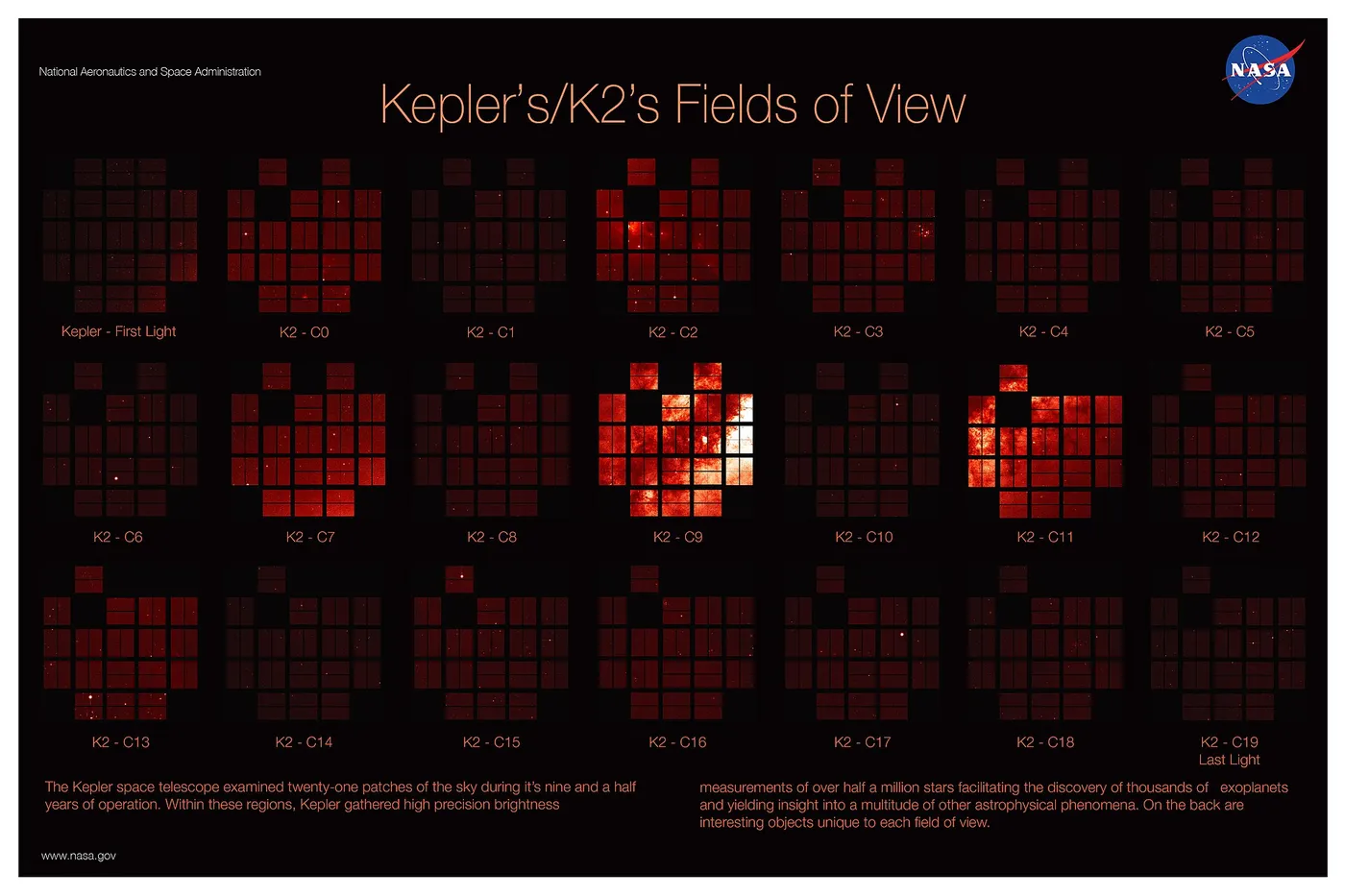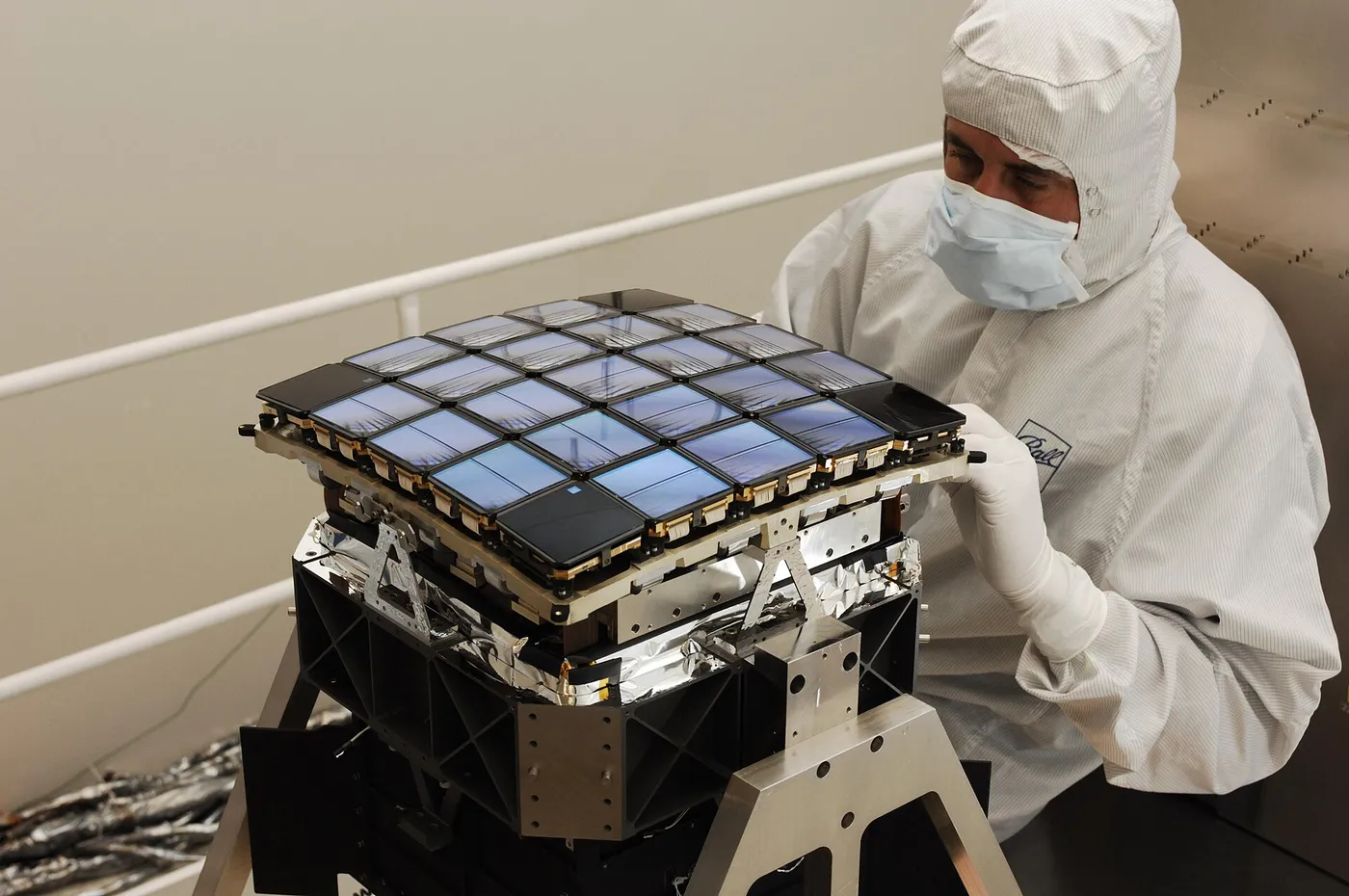

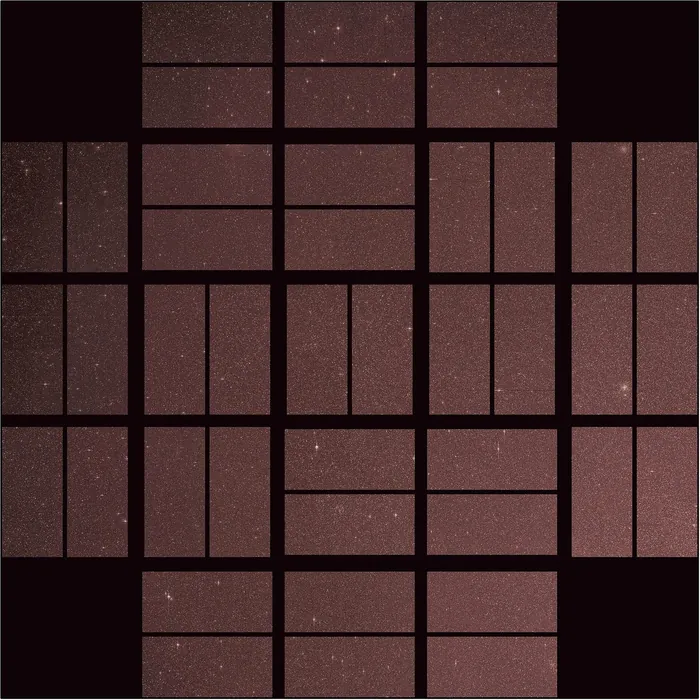
Kepler answered a question humans had asked for millennia by staring fixedly at one patch of sky for four years. It watched about 150,000 stars in the constellation Cygnus continuously, measuring their brightness with enough precision to detect the roughly one-part-in-ten-thousand dip caused by an Earth-sized planet crossing in front.
The technique demands extraordinary stability and a great deal of patience, because a planet in a year-long orbit produces one measurable event per year and three are needed for confidence. It also demands luck: only planets whose orbits happen to be edge-on from our viewpoint ever transit, which is a small fraction of those that exist.
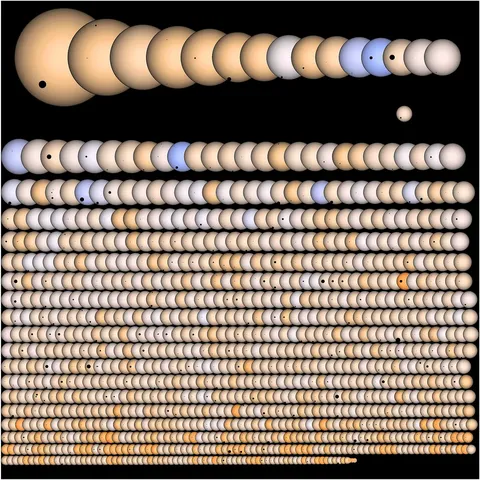
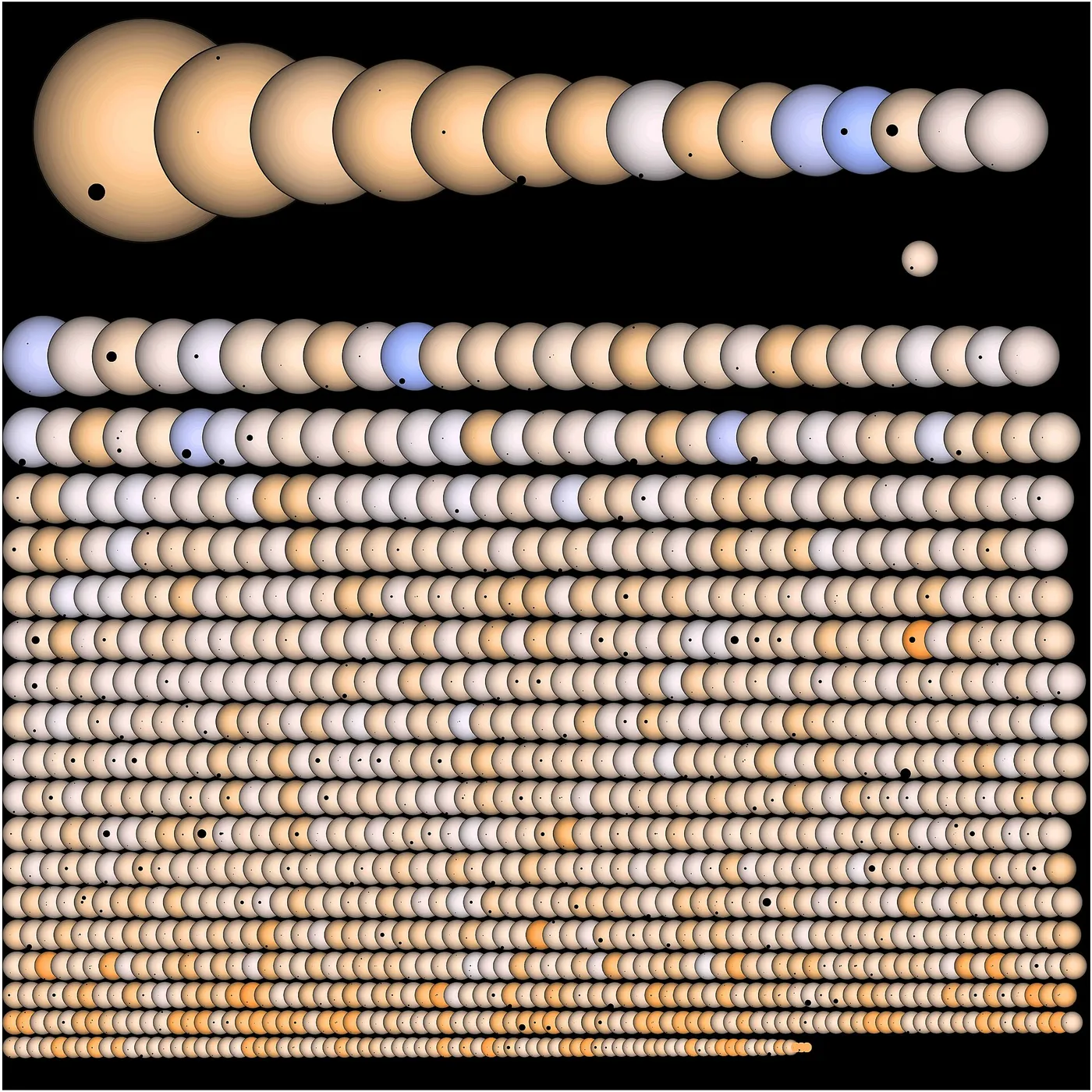
It found more than 2,600 confirmed planets and established the statistical result that matters more than any individual discovery: planets are common. Most stars have them, small rocky worlds outnumber giants, and planets between Earth and Neptune in size — a category absent from our own solar system — are the most abundant of all.
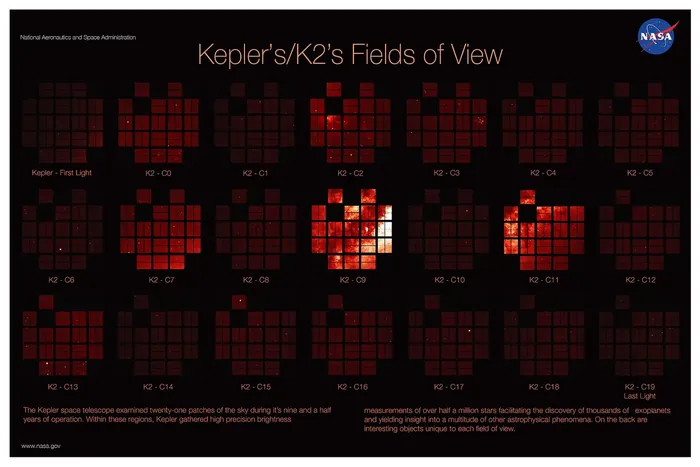
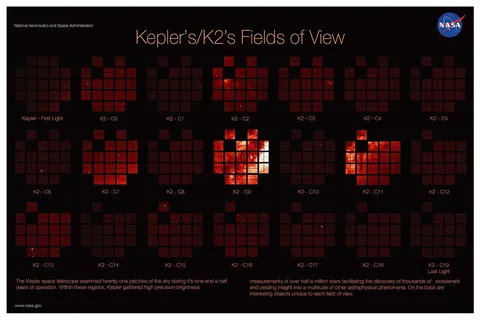
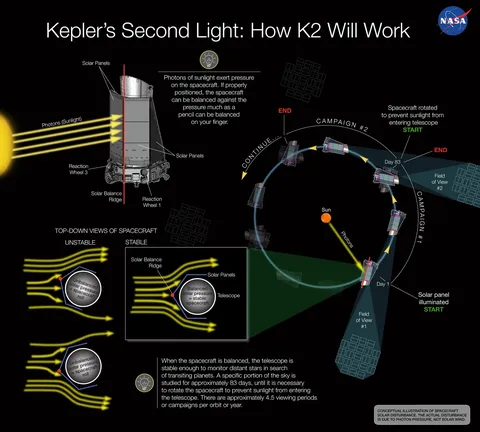
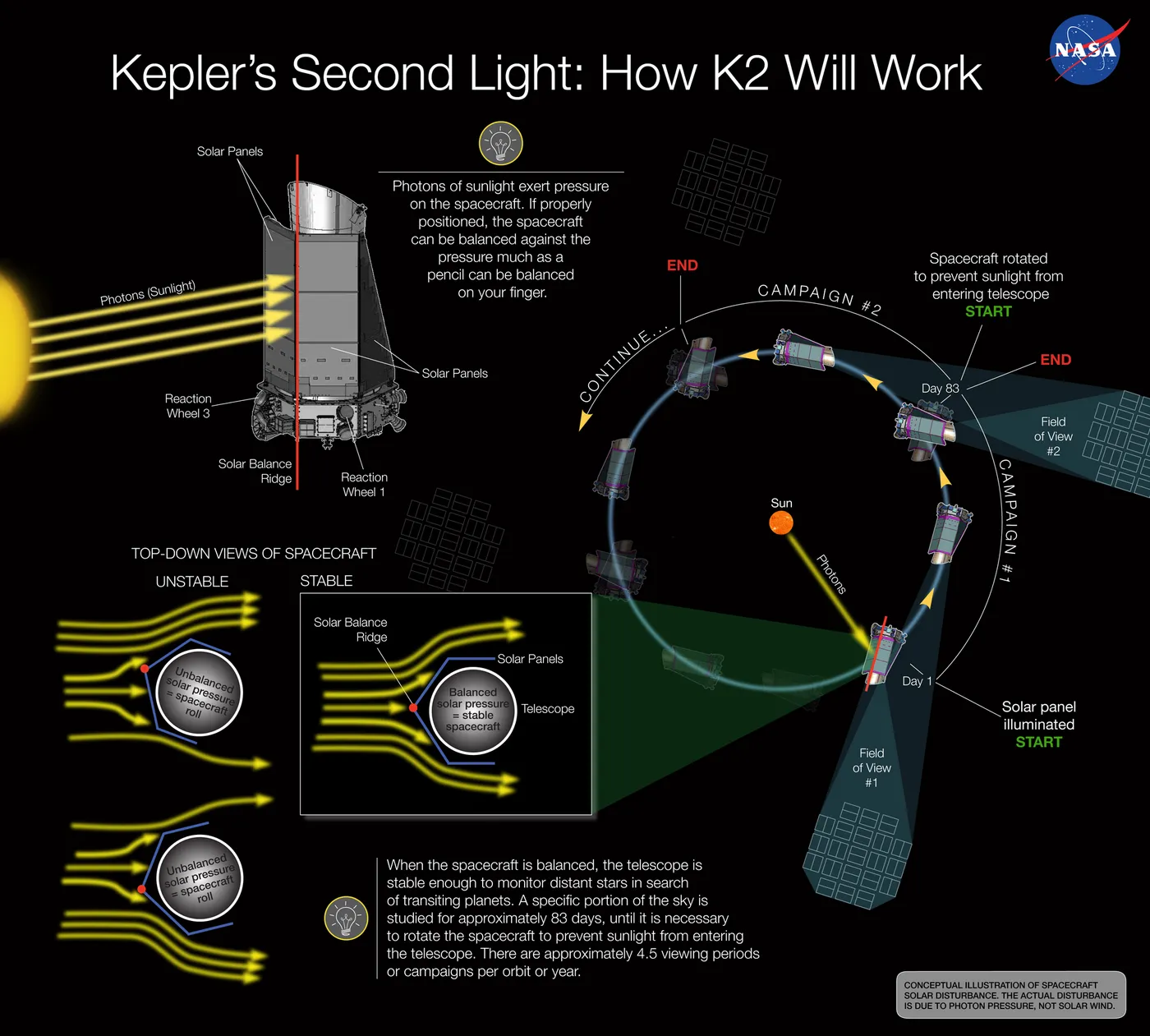
Then it broke. Two of its four reaction wheels failed in 2012 and 2013, leaving the spacecraft unable to hold its gaze steady. Engineers devised a solution of some ingenuity: by orienting the telescope so that the faint pressure of sunlight pushed evenly against it, they used the Sun itself as a third wheel, and the K2 mission observed for another four years along the ecliptic.
It ran out of fuel in 2018 and was shut down. Its legacy is that the question of whether planets are rare is settled, and the field has moved on to characterising their atmospheres — work now being done by instruments Kepler's results helped justify.