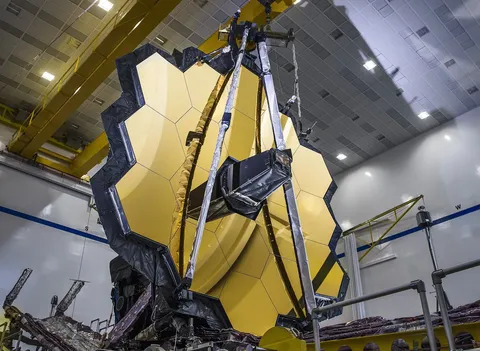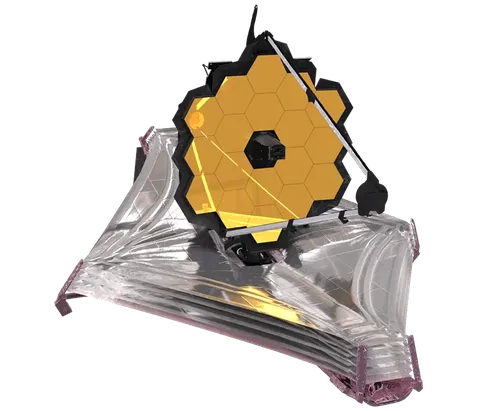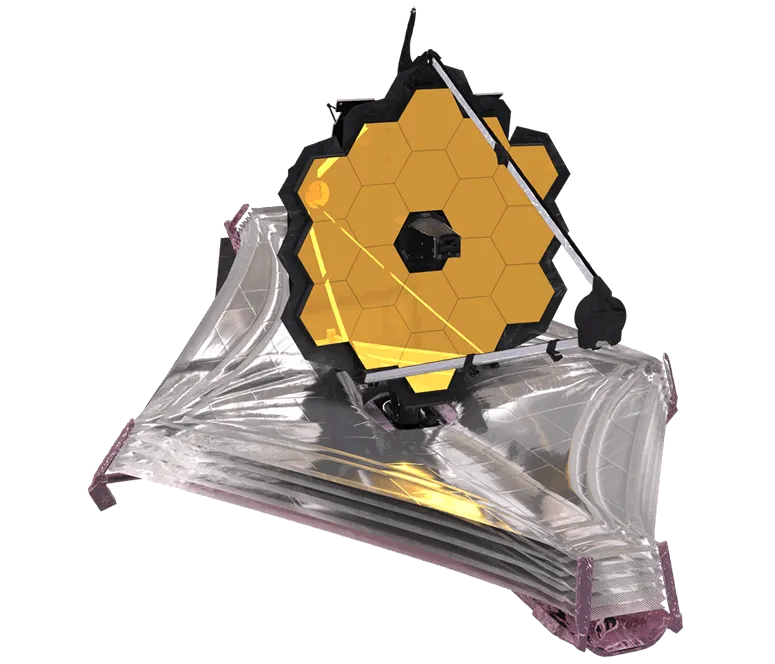
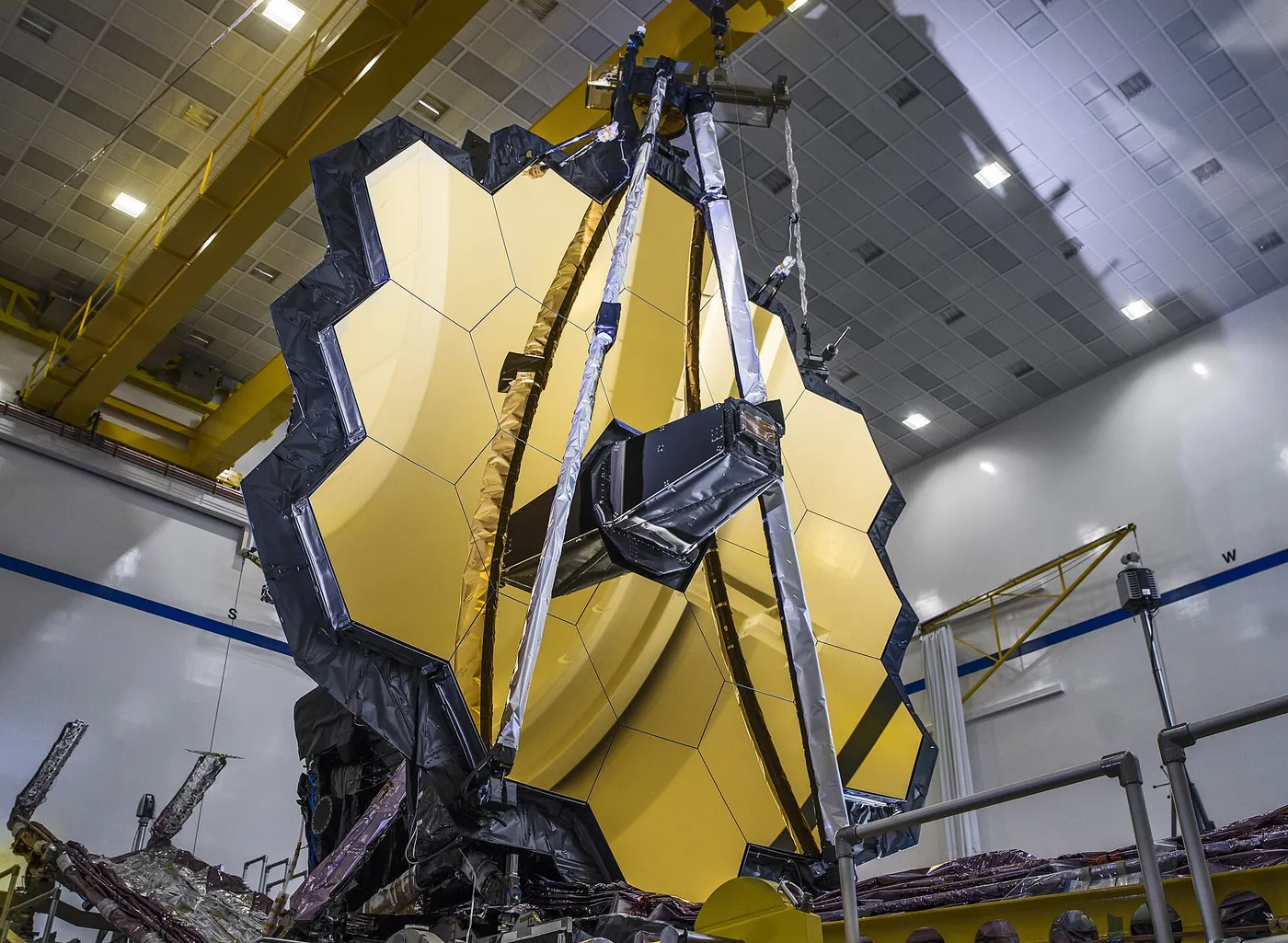

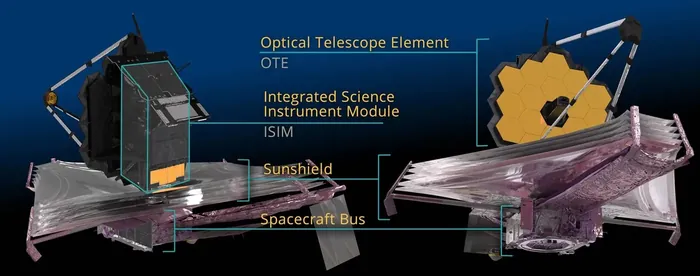
The James Webb Space Telescope took about a quarter of a century to build and cost roughly ten billion dollars, surviving cost overruns, schedule slips measured in years, and at least one serious attempt at cancellation by Congress in 2011. Its mirror is 6.5 metres across, far too large for any rocket fairing, and therefore had to fold.
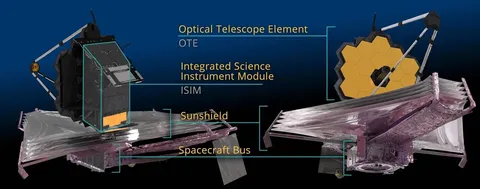
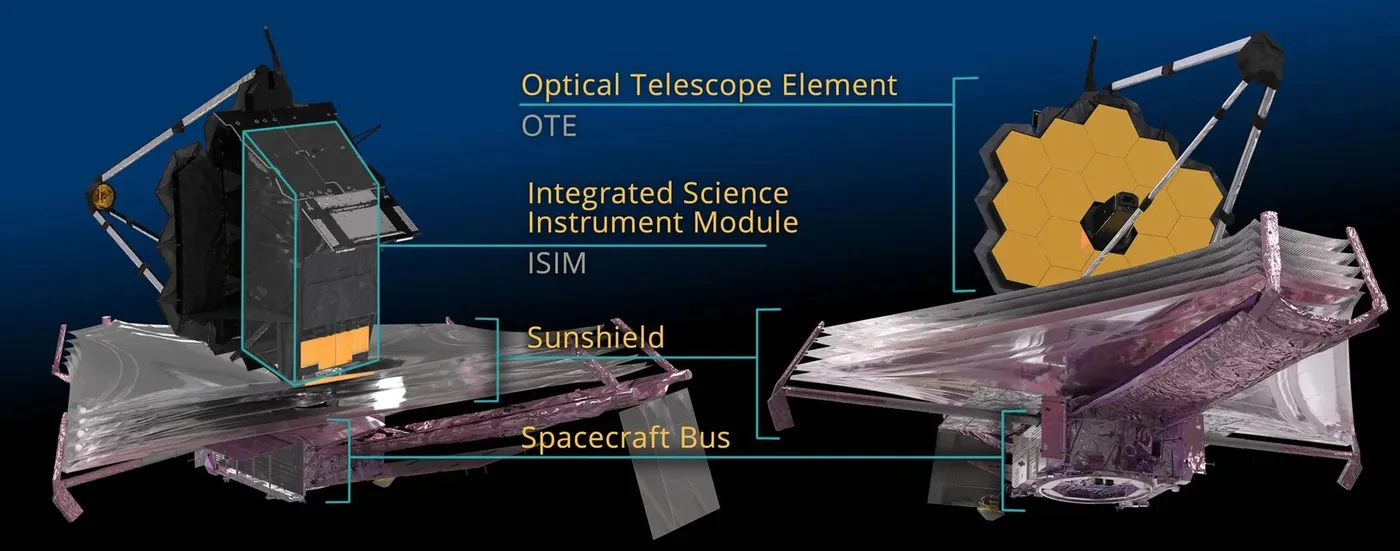
That folding was the terrifying part. The deployment sequence involved 178 release mechanisms, a five-layer sunshield the size of a tennis court unfurling on cables and pulleys, and eighteen mirror segments unfolding and aligning to a precision of nanometres — with, by NASA's own count, some 344 single-point failures where one jam would have ruined a decade of work. It sits 1.5 million kilometres away, where no repair is possible.
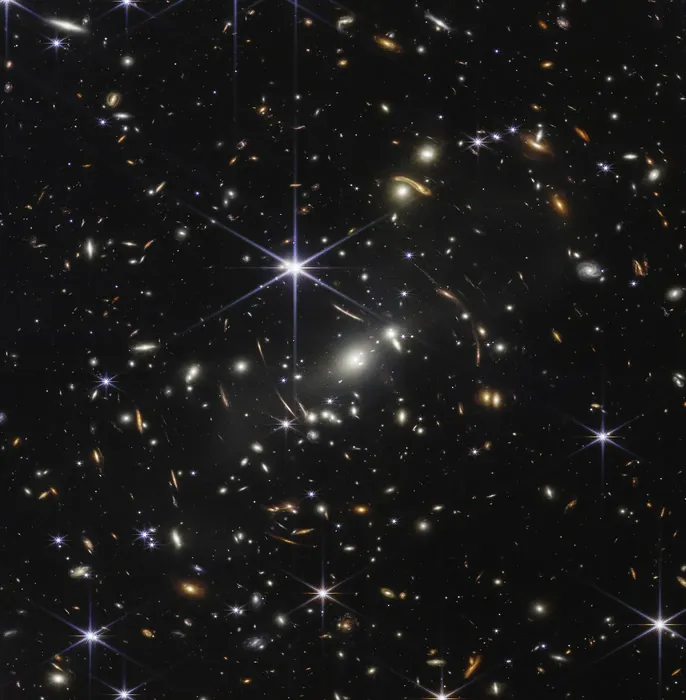
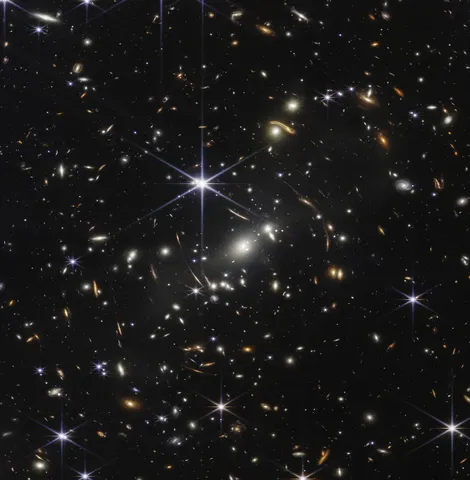
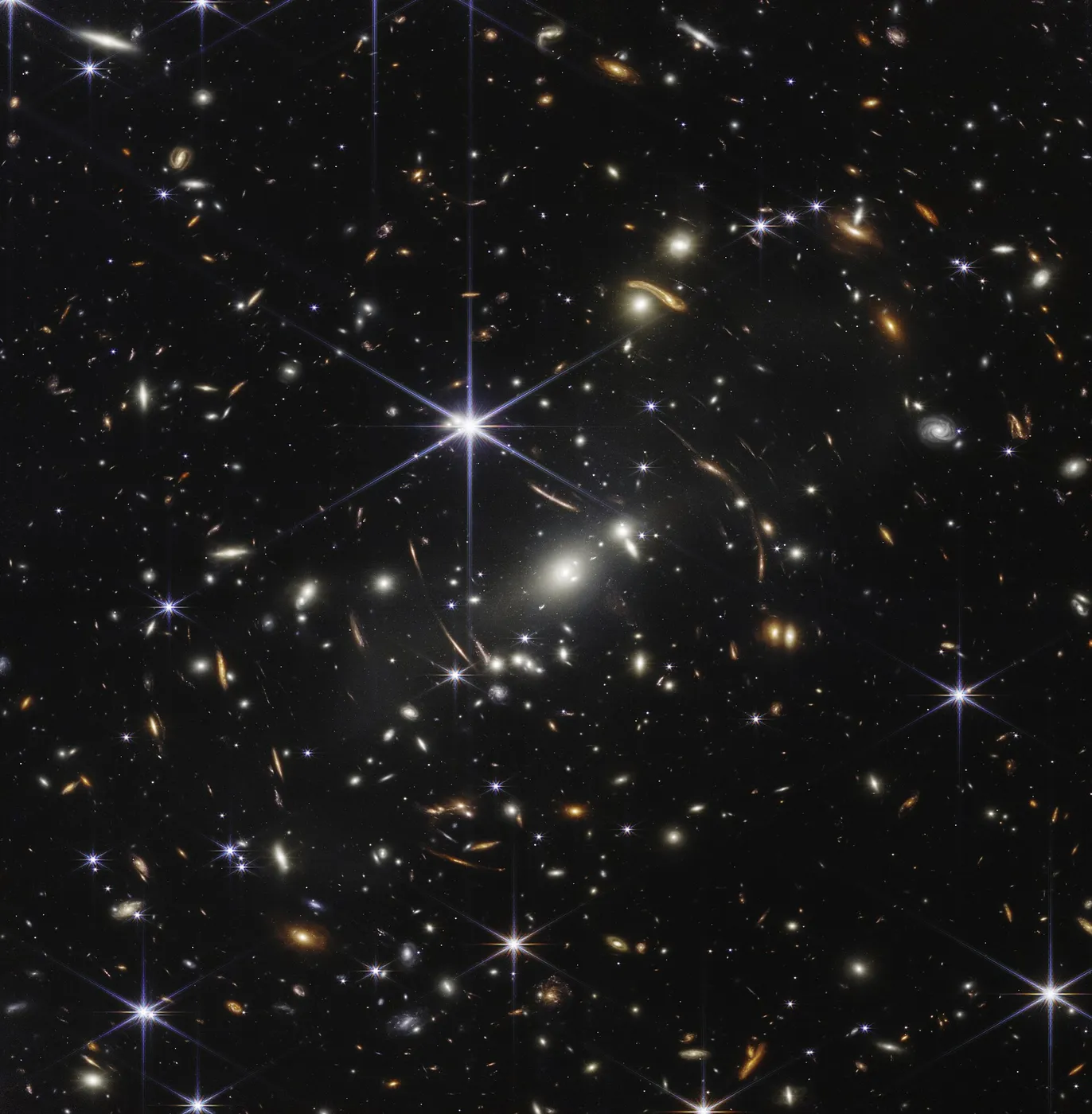
Everything worked. The launch in December 2021 was so accurate that the telescope saved enough propellant to roughly double its expected operating life, and the first images released in July 2022 showed the instrument performing better than specification.
It observes in infrared, which lets it see through dust and, crucially, detect light from the first galaxies — whose ultraviolet emission has been stretched by cosmic expansion into wavelengths no optical telescope can reach. It has found galaxies that appear more massive and more mature at early times than models predicted, which is currently one of the more interesting problems in cosmology.
It also analyses exoplanet atmospheres by watching starlight filter through them, detecting carbon dioxide, water and sulphur compounds on worlds trillions of kilometres away. Where Hubble changed the public's sense of scale, Webb is changing the professional sense of what the early universe was like — and it is doing it with an instrument nobody will ever be able to service.