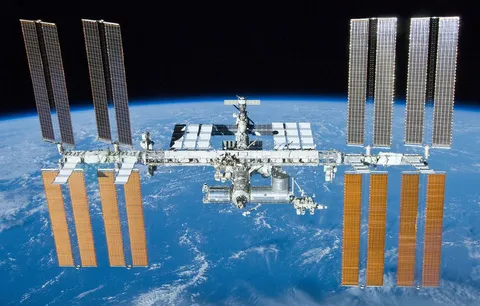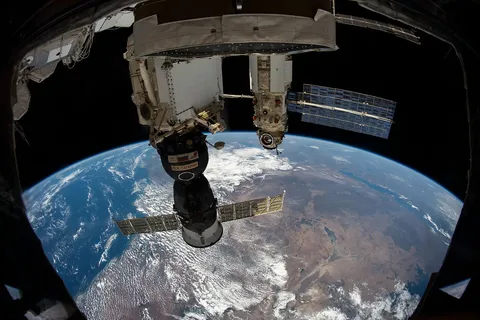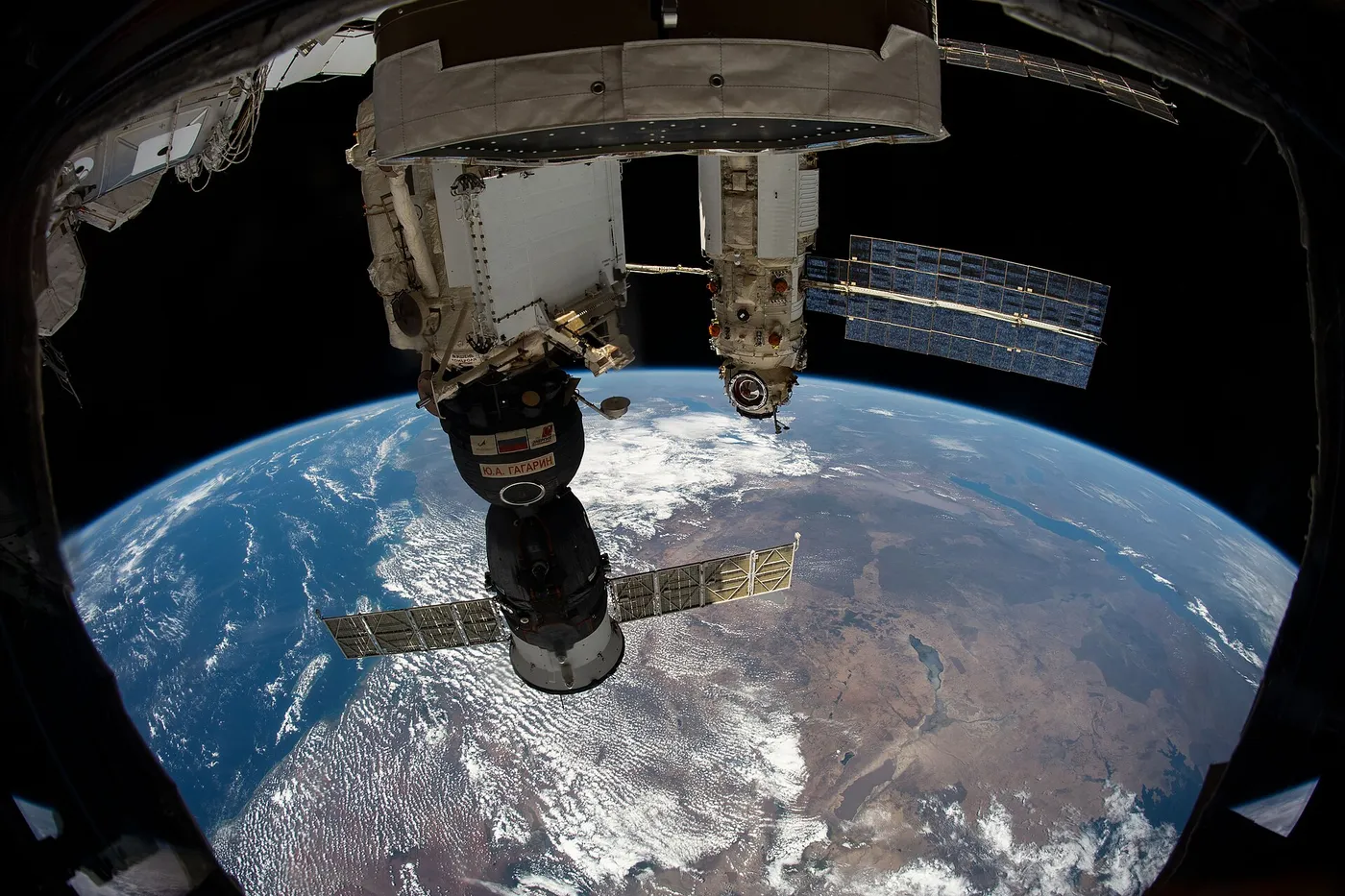
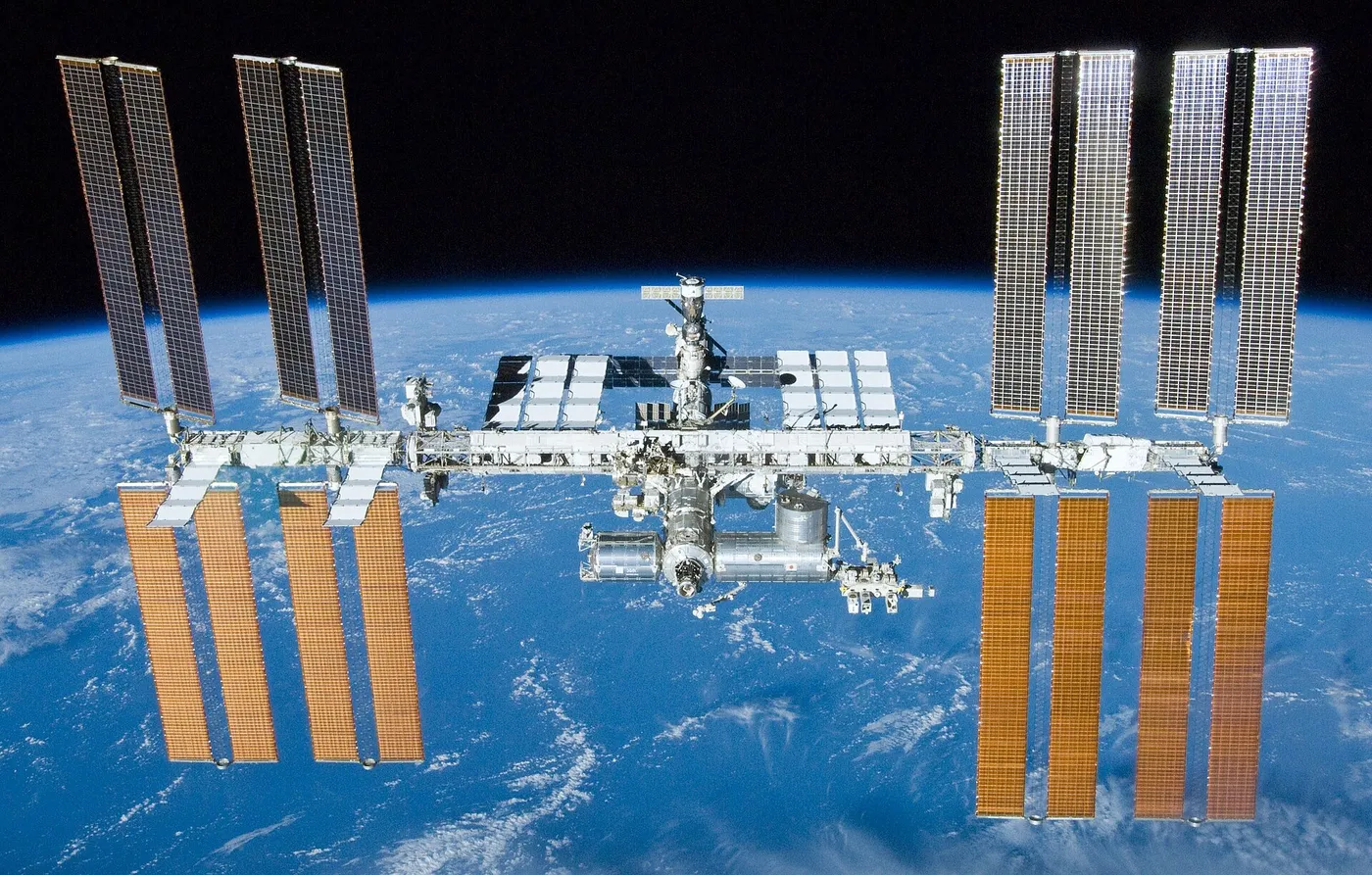

The International Space Station is the largest structure ever built off the Earth and the most expensive object ever constructed anywhere: roughly 420 tonnes, a truss 109 metres across, and a price tag usually estimated at around $150 billion across all partners.
It began as two rival programmes. The American Space Station Freedom and the Russian Mir-2 were both struggling — Freedom redesigned repeatedly and nearly cancelled by a single vote in Congress in 1993, Mir-2 unaffordable after the Soviet collapse — and merging them solved both problems while giving Russian aerospace engineers something to do other than sell their expertise elsewhere. It was as much a foreign-policy instrument as a laboratory.
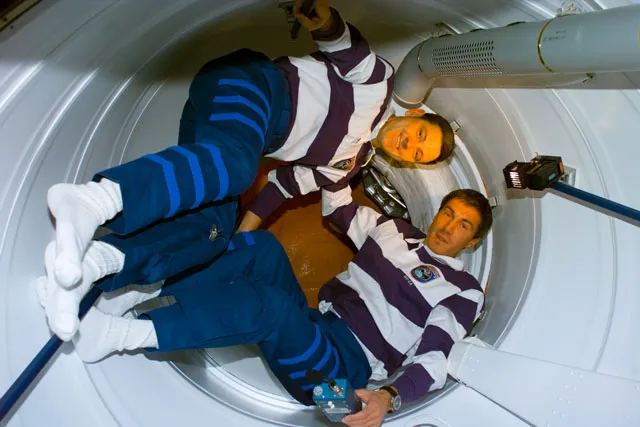
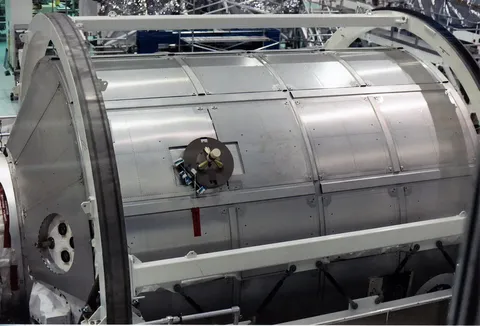
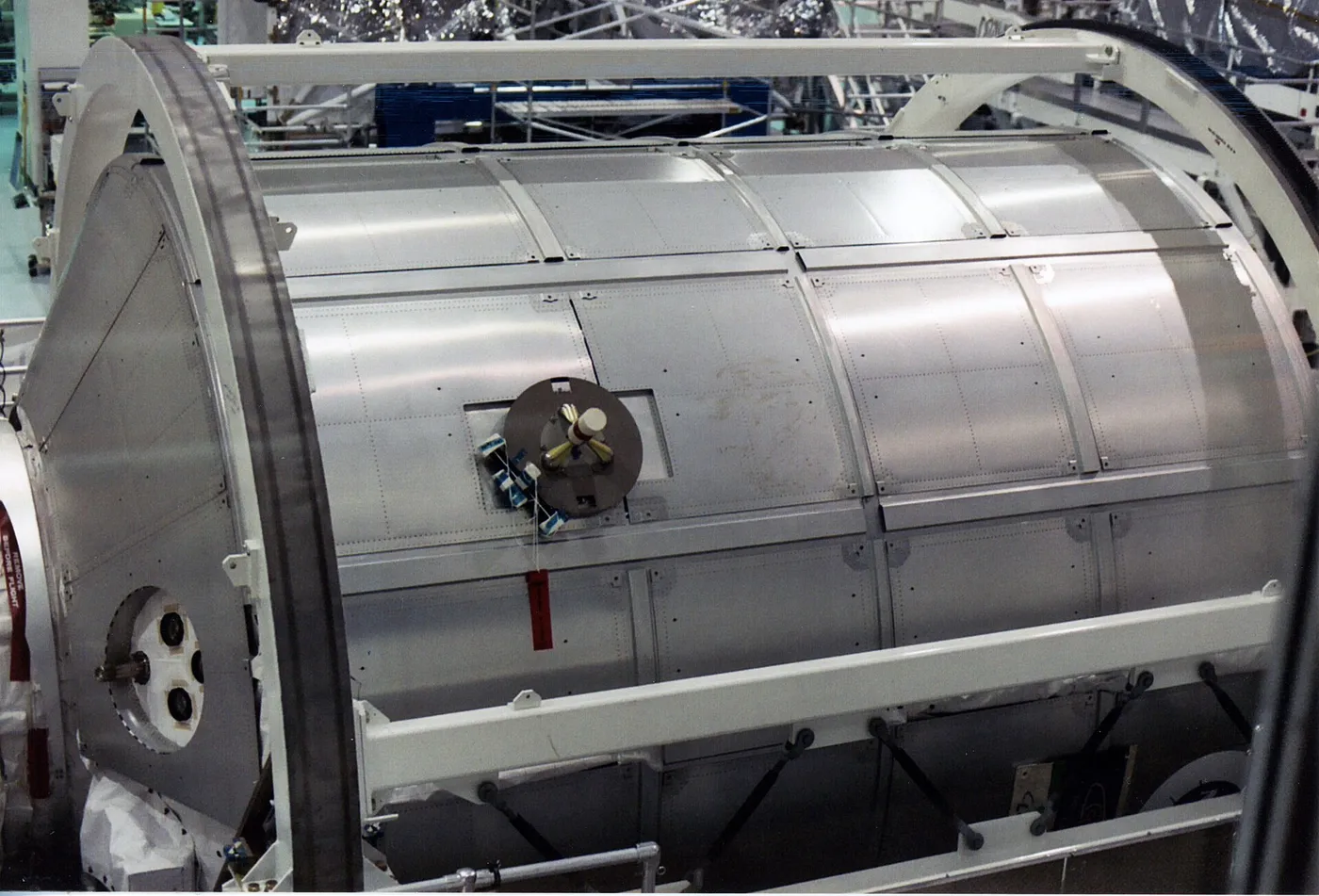
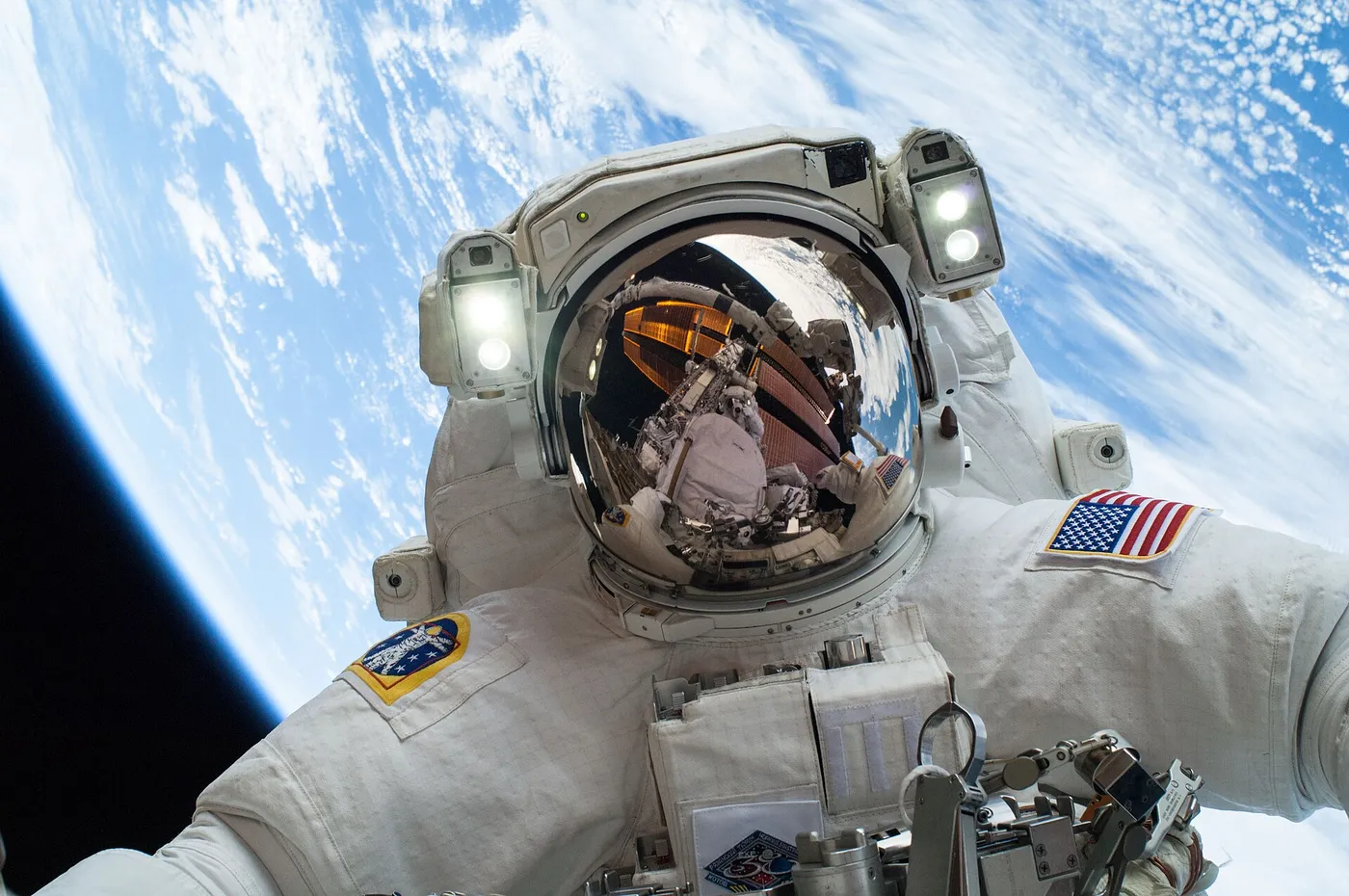
Construction took more than a decade and around 40 assembly flights, most of them Shuttle missions, plus some 270 spacewalks. Fifteen nations contributed hardware: American and Russian segments, a European laboratory, a Japanese laboratory with its own external porch, and Canadian robotics without which none of it could have been bolted together.
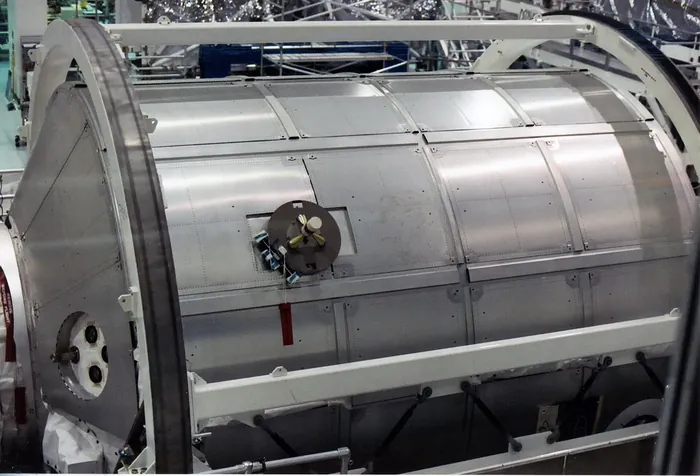
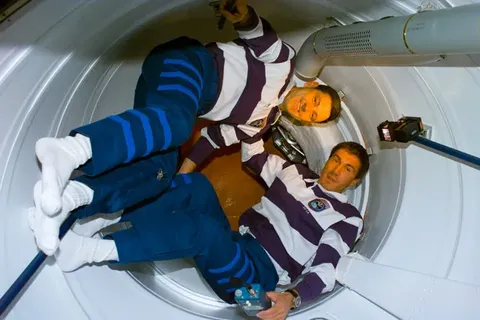
It has been continuously inhabited since November 2000 — the longest unbroken human presence away from Earth, now past a quarter of a century, sustained through the loss of Columbia, the retirement of the Shuttle and a period of severe political tension between its two largest partners. More than 280 people from over twenty countries have lived aboard.
Its scientific output runs to thousands of experiments, though its defenders and critics still argue about whether the results justify the cost. Its less arguable legacy is operational: the world now knows how to keep people alive in space indefinitely, and how to run a programme that no single nation could afford. Operations are funded to 2030, after which a purpose-built vehicle will bring it down over the Pacific.