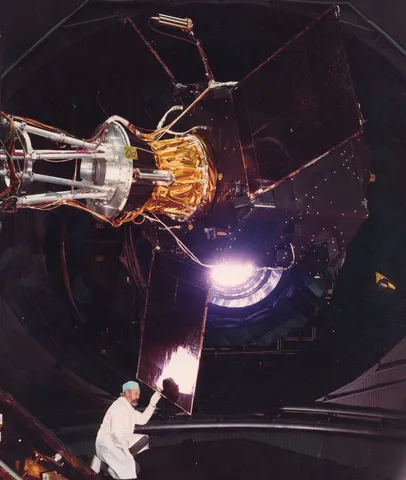
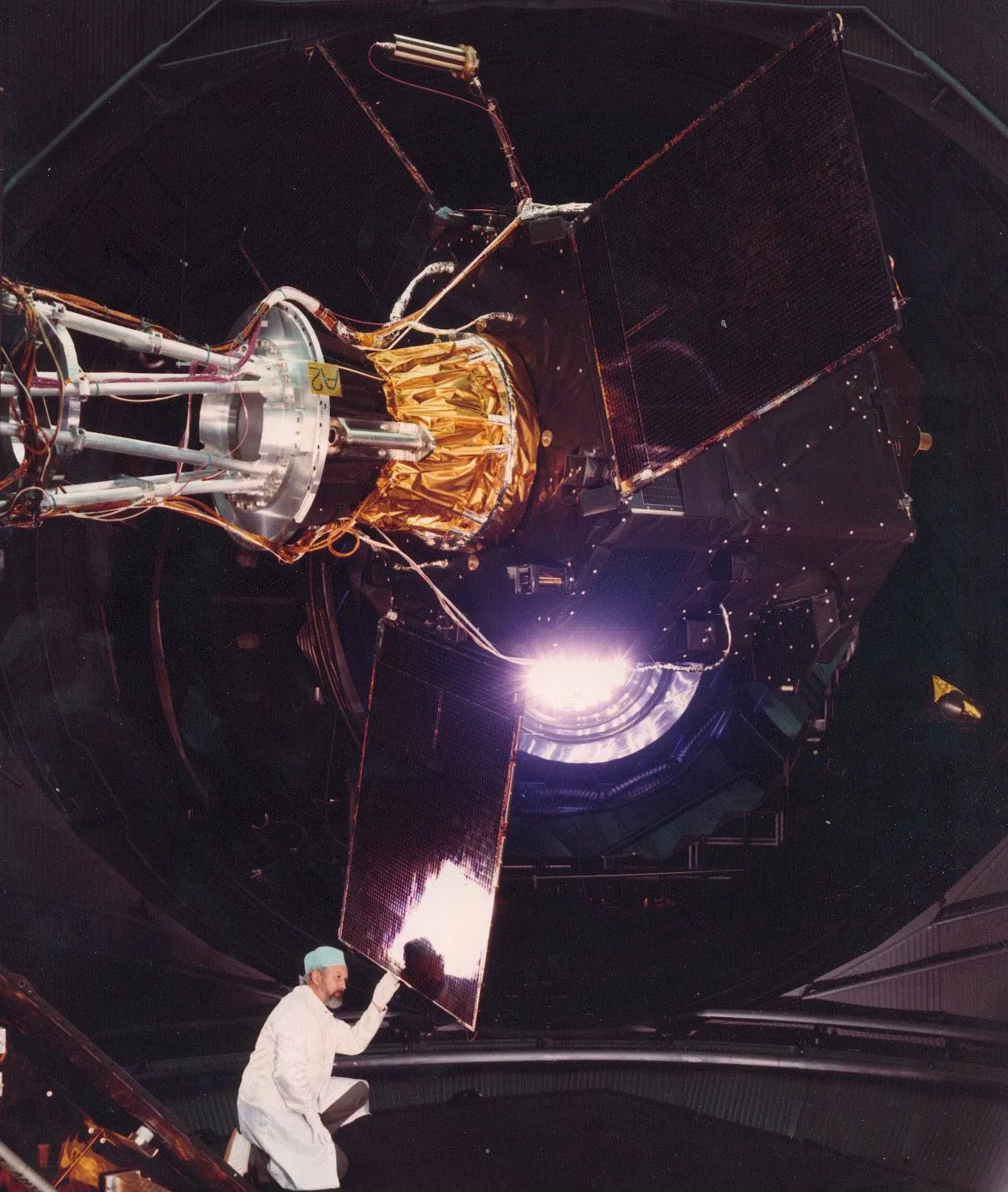

Hipparcos was built to measure star positions from space, where the atmosphere cannot blur them, and it very nearly failed before it started. The apogee boost motor that should have circularised its orbit did not fire, leaving the spacecraft in a highly elliptical path that swept repeatedly through the radiation belts — an environment it had not been designed to survive.
The mission was rescued by rewriting it. Ground stations were added, the observing strategy was rebuilt around the awkward orbit and its interruptions, and the data analysis was reworked to handle the irregular sampling. It ultimately achieved essentially its full scientific objectives.
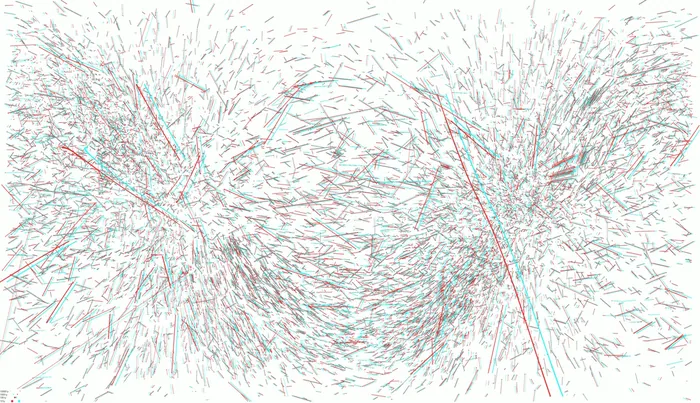
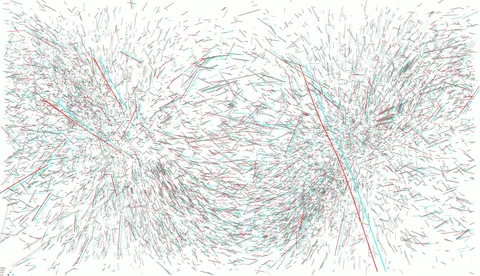
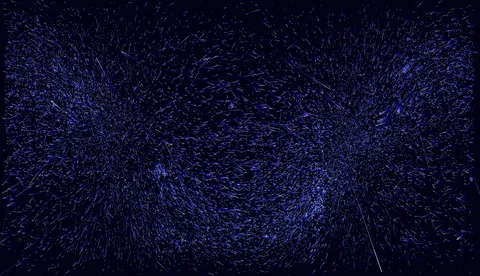
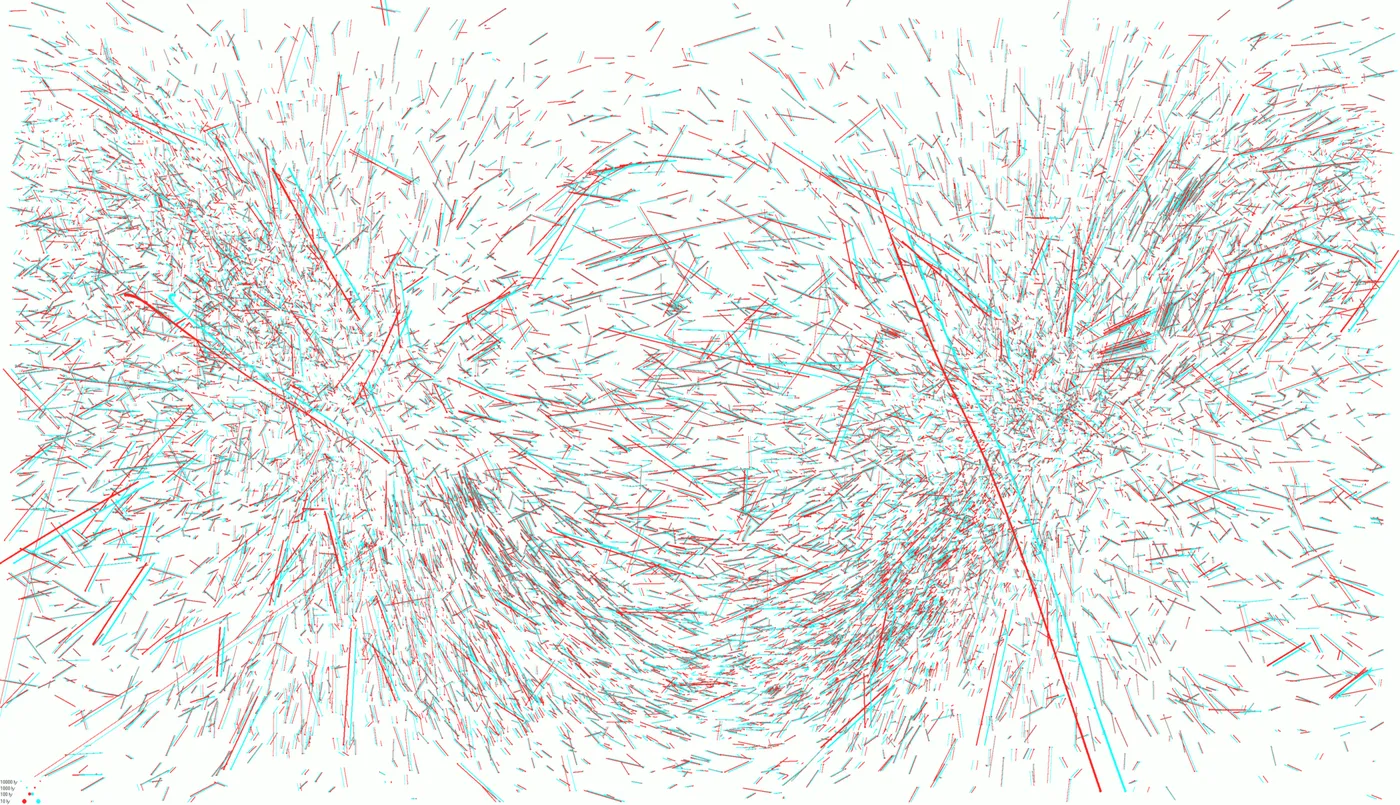
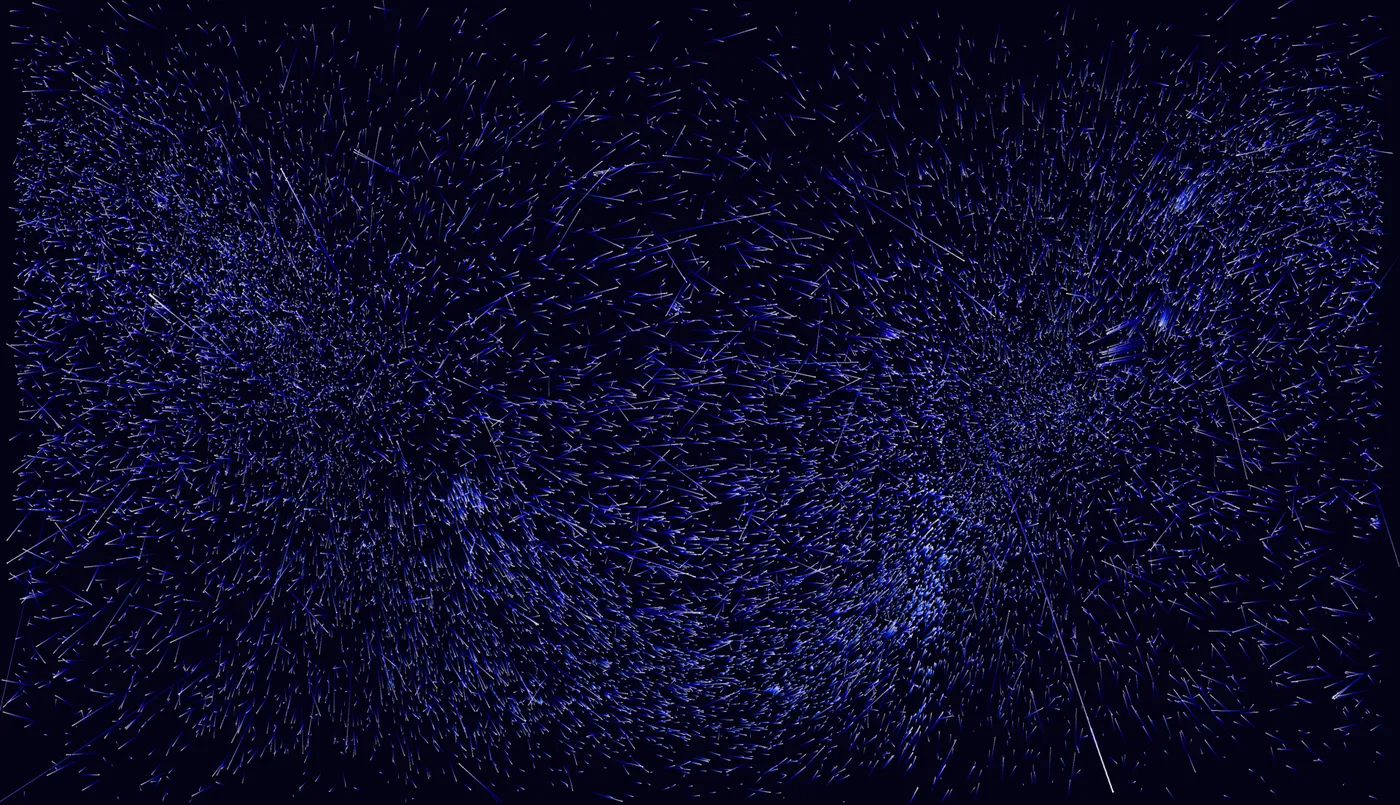
It measured precise positions, distances and motions for about 118,000 stars, with a lower-precision catalogue of over two million — the first substantial improvement in stellar distances since photographic parallax work of the nineteenth century, and by a factor of roughly a hundred.
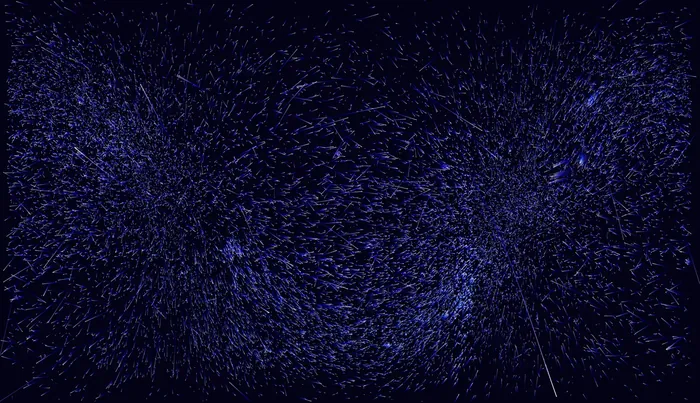
The consequences propagated through all of astronomy. Distances to star clusters were revised, the calibration of Cepheid variables — the rung of the distance ladder used to measure the expansion of the universe — was improved, and the ages of the oldest stars were recomputed, resolving an embarrassing period in which some stars appeared older than the cosmos.
It operated for four years and its catalogue remained the standard for two decades until Gaia, its direct successor, improved on it by another factor of a hundred and extended the sample from a hundred thousand stars to two billion.