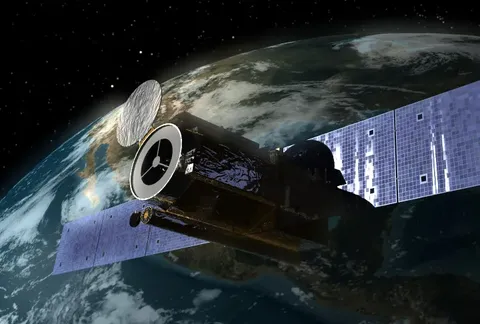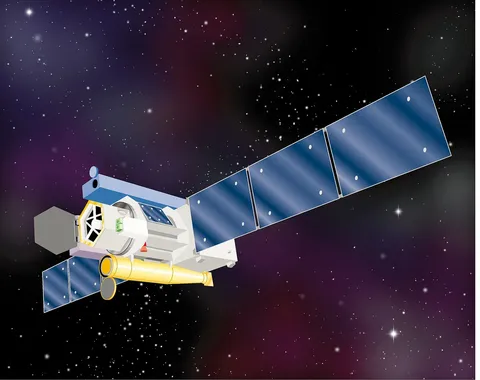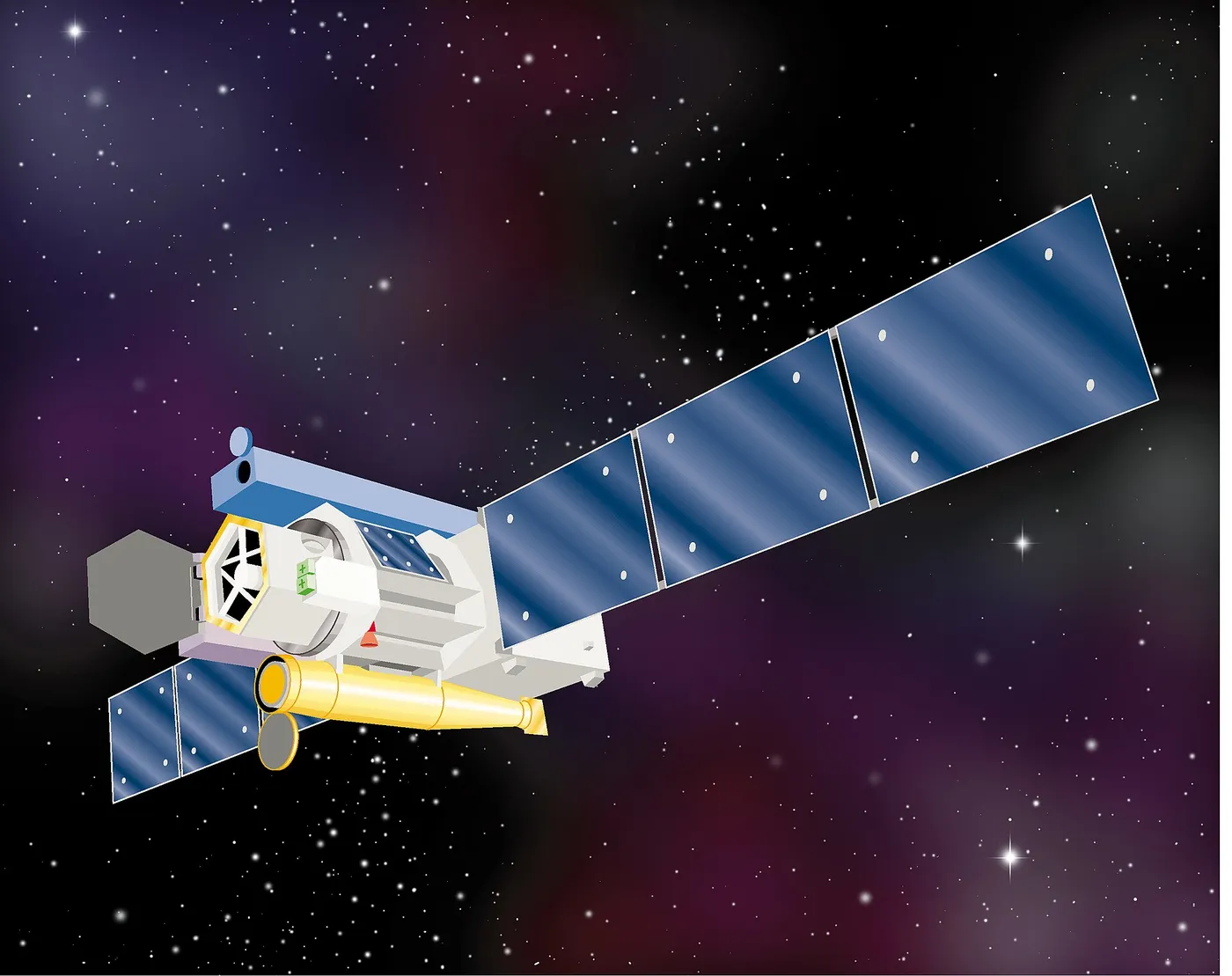
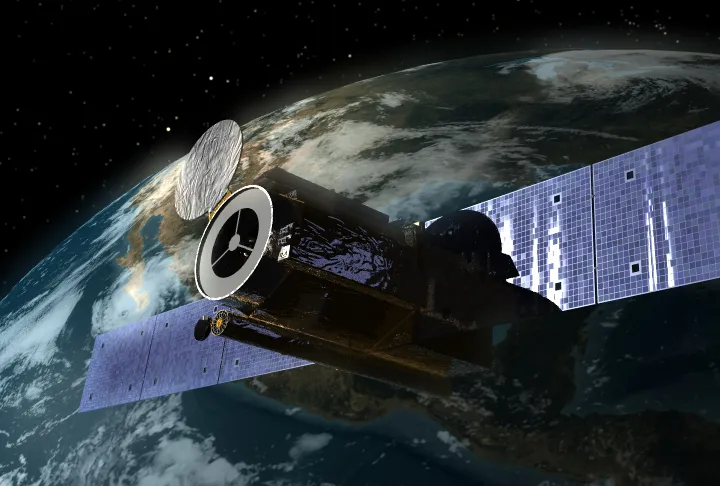

Hinode — the name means sunrise — carries three telescopes that observe the same solar features simultaneously in visible light, X-rays and extreme ultraviolet, allowing a single event to be tracked from the surface up through the atmosphere into the corona.
Its optical telescope is the most important. It measures the magnetic field on the solar surface with a precision and stability impossible from the ground, where atmospheric turbulence blurs everything — resolving structures a few hundred kilometres across on a body 150 million kilometres away.
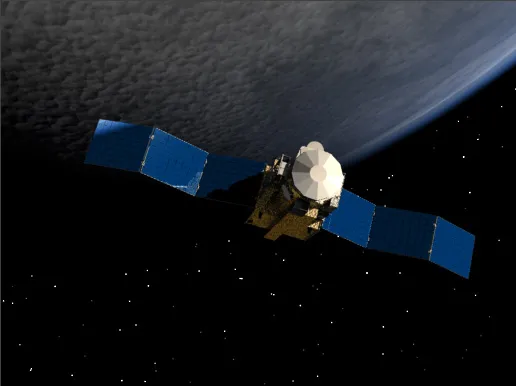
Those measurements revealed that the quiet Sun, away from sunspots, is threaded with far more small-scale magnetic field than anyone had realised, in constant turbulent motion. That hidden magnetism may be where the energy heating the corona ultimately comes from.
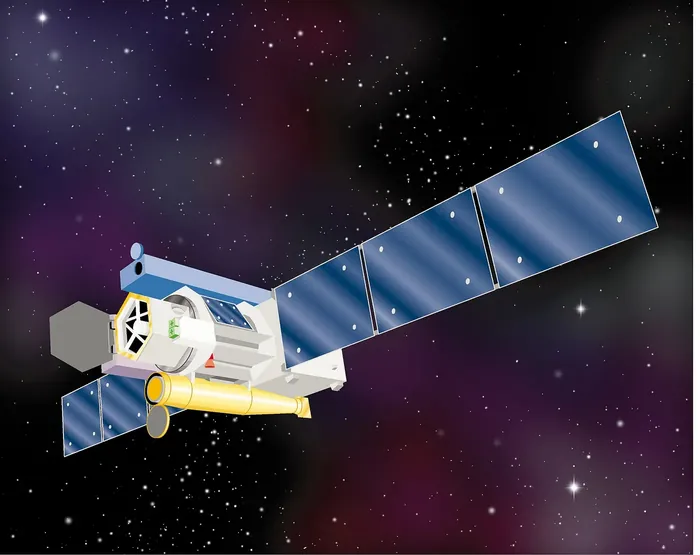
It also detected Alfvén waves — magnetic oscillations propagating upward along field lines — carrying enough energy to be a serious candidate for the coronal heating mechanism, one of the longest-standing unsolved problems in astrophysics.
A Japanese mission with American and British instruments and a Norwegian ground station, it has operated since 2006. Together with SDO and the later solar missions it has made the last two decades the most productive period in the history of solar physics.