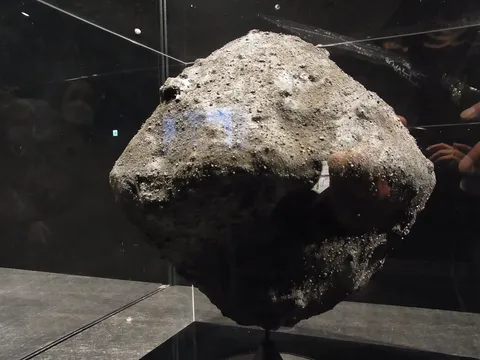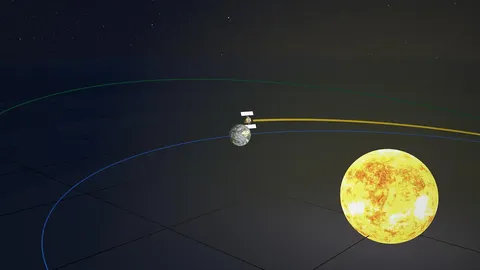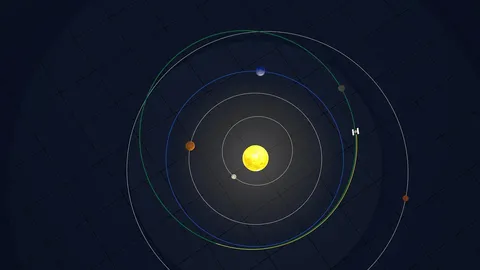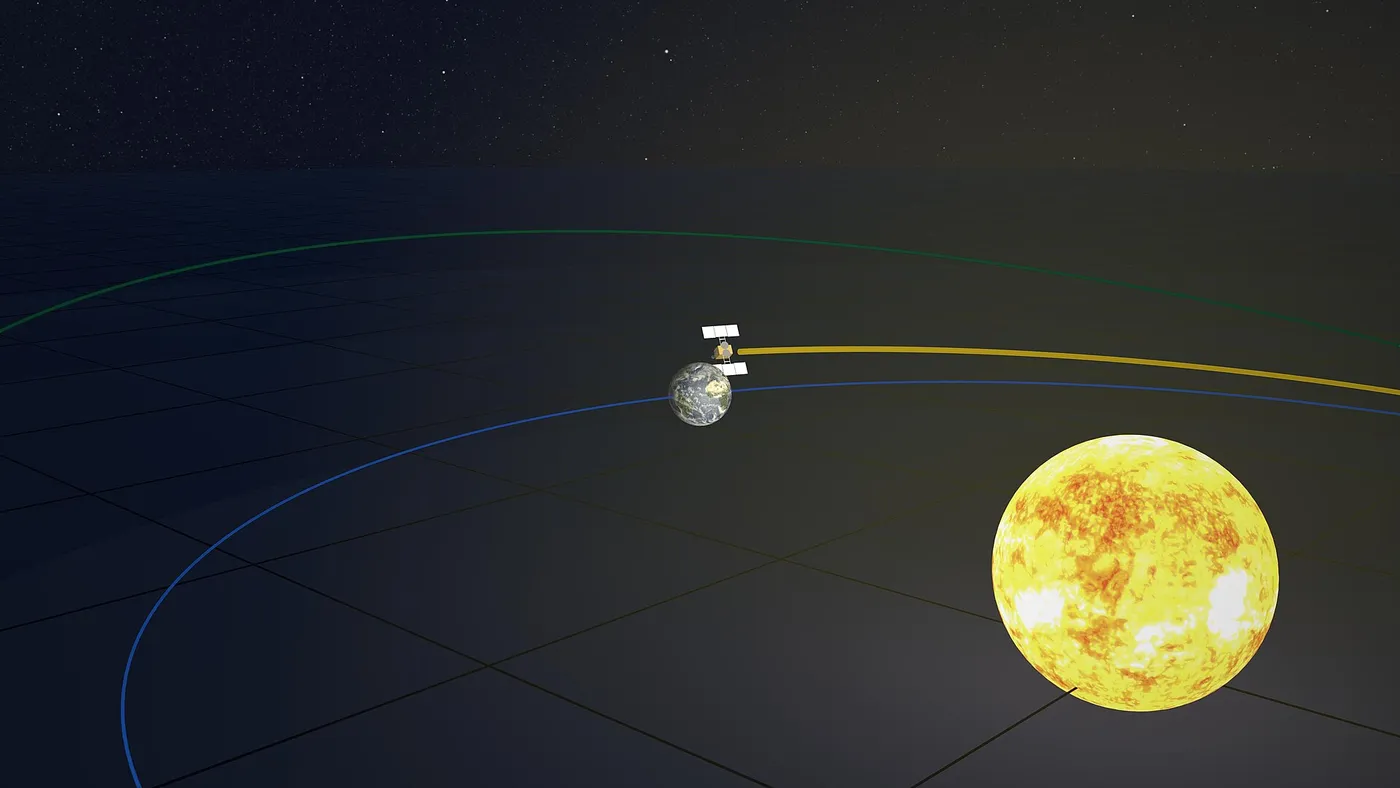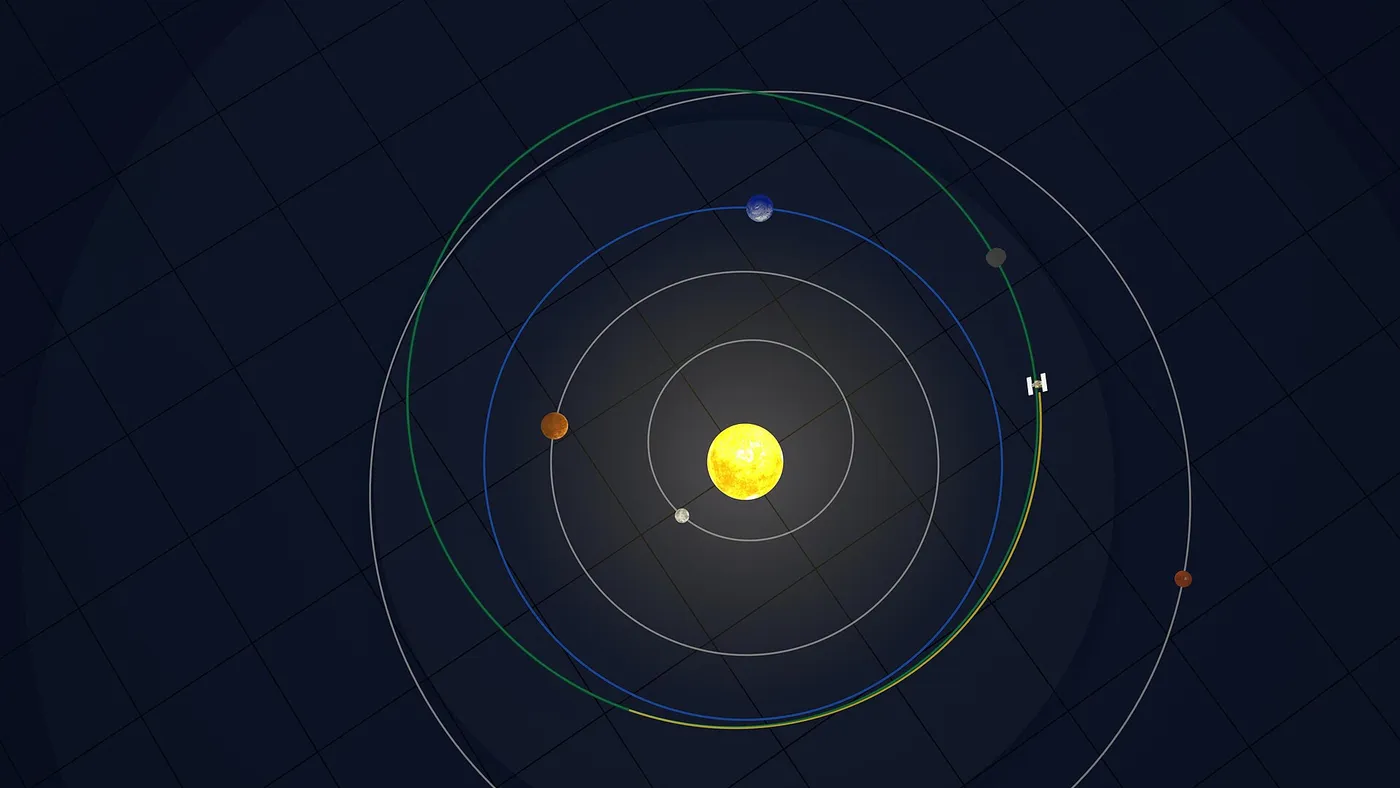
Where the first Hayabusa was a heroic near-disaster, its successor was close to flawless. Launched in 2014 to the carbon-rich asteroid Ryugu, it arrived in 2018 with redundant reaction wheels, improved ion engines and a design informed by everything that had gone wrong the first time.
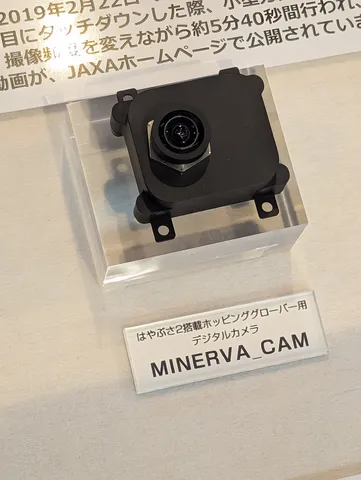
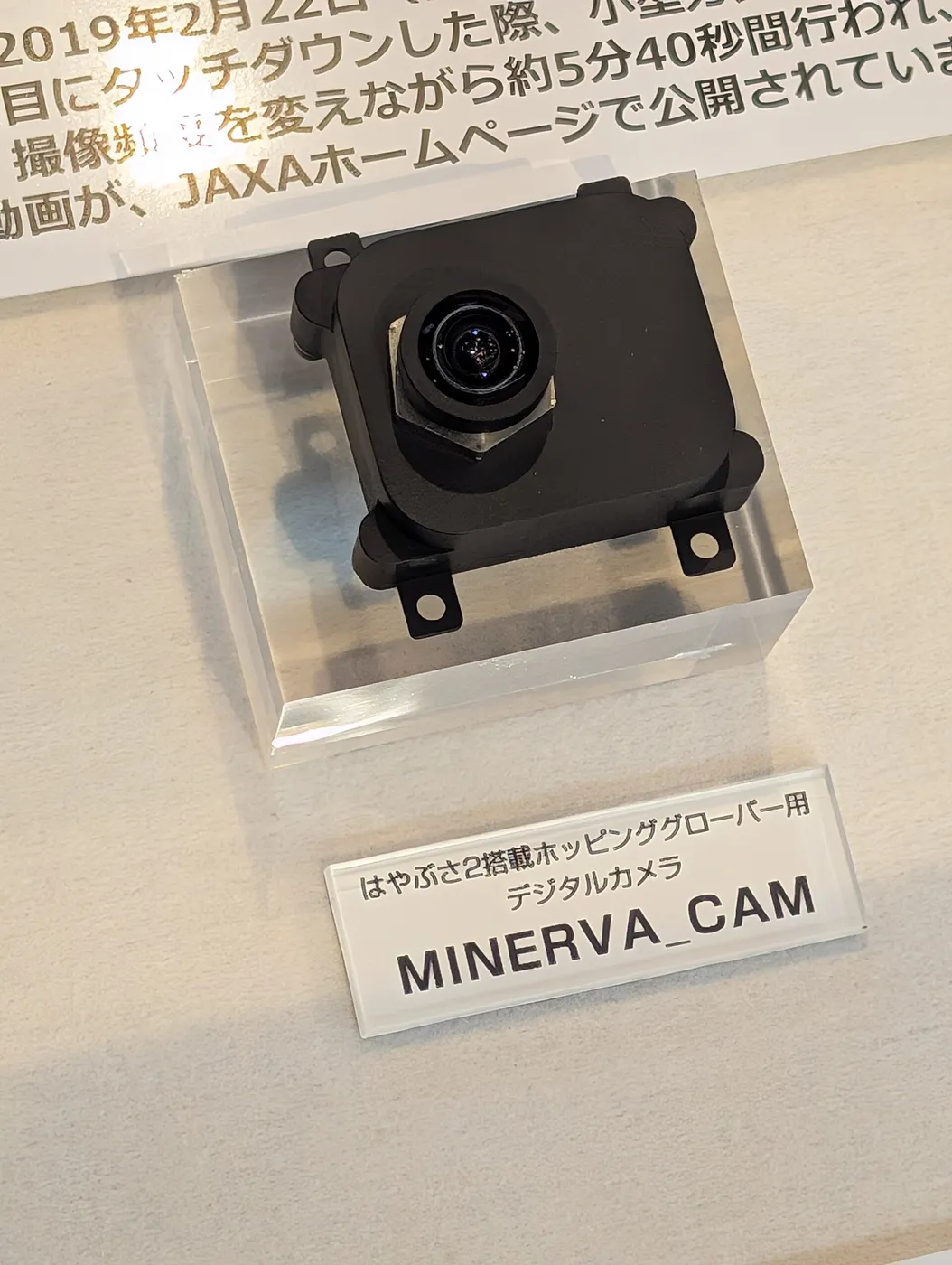
It carried a small fleet. Two hopping rovers were released to bounce across the surface in the negligible gravity, returning the first images ever taken from an asteroid's surface, along with a German-French lander called MASCOT that tumbled into position and worked for seventeen hours on battery.
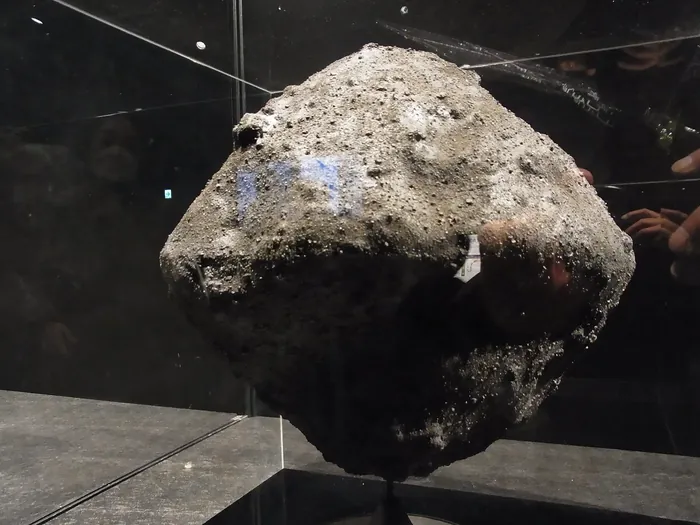
Then it shot the asteroid. A separating charge fired a two-kilogram copper plate into the surface at two kilometres per second while the spacecraft hid behind the body, excavating a crater some fourteen metres across so that material shielded from space weathering could be collected. It returned to gather subsurface samples from the crater's edge — the first time anyone had deliberately dug into an asteroid.
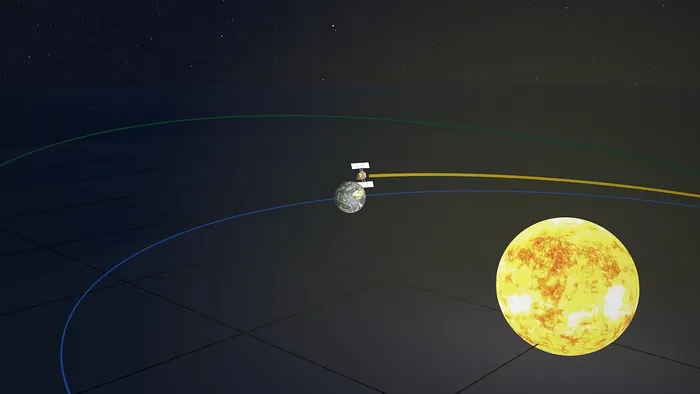
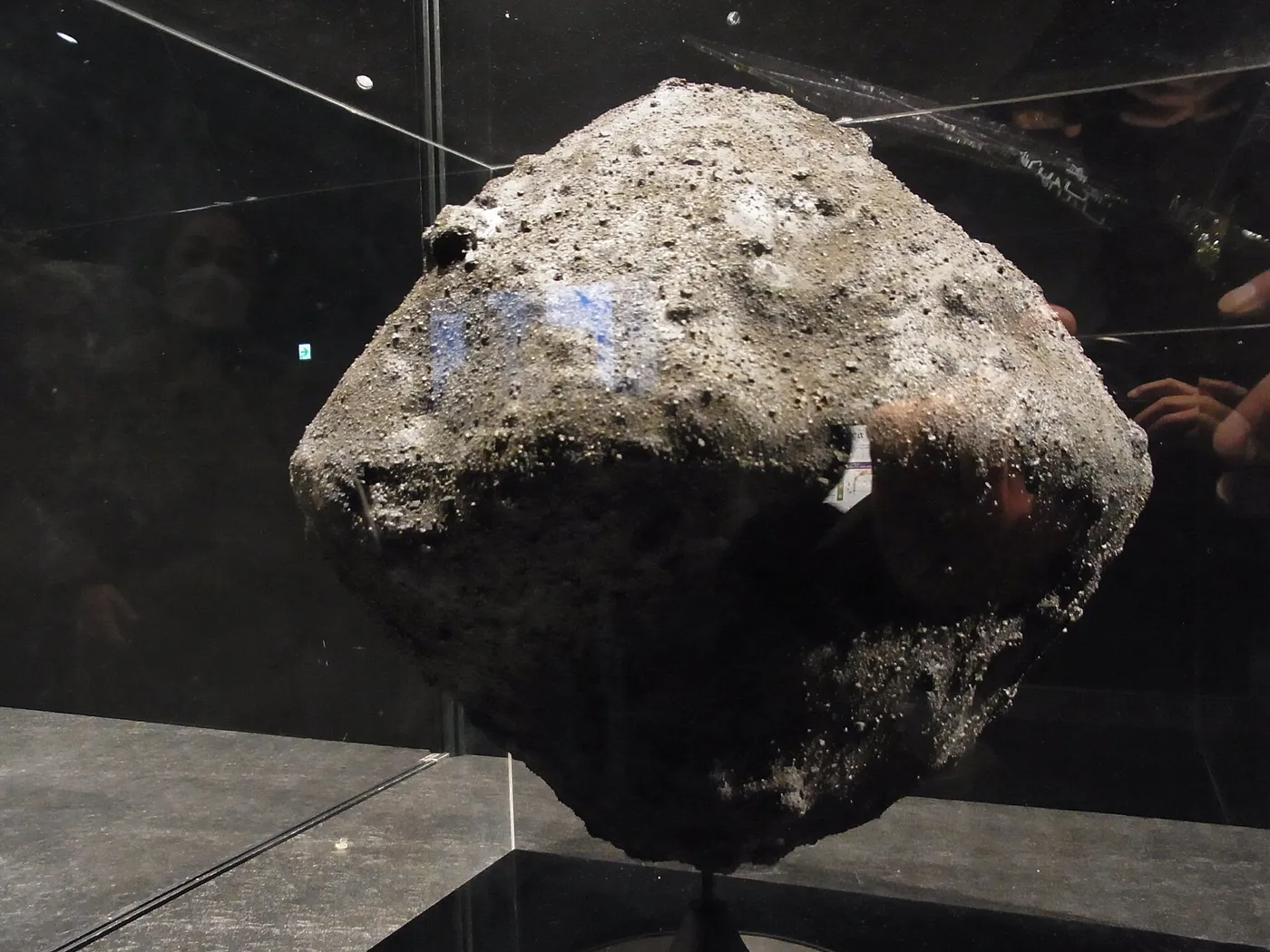
The capsule landed in the Australian outback in December 2020 carrying 5.4 grams of Ryugu, far more than hoped. Analysis has found more than twenty amino acids, water trapped in minerals, and uracil — one of the nucleobases of RNA — providing direct evidence that the raw chemistry of life was delivered to the young Earth by bodies like this.
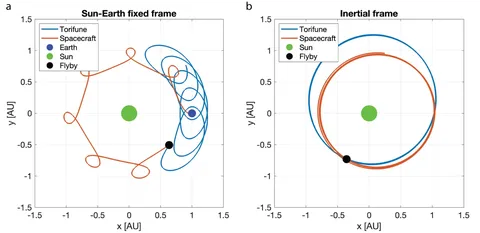
The spacecraft did not come home. Having dropped the capsule, it fired its ion engines again and set course for another asteroid, the tiny fast-rotating 1998 KY26, which it should reach in 2031 — an eleven-year extension on a mission that had already completed everything asked of it.