
Hayabusa's journey is the most improbable in the history of sample return. Japan's mission to the small asteroid Itokawa suffered a solar flare that degraded its power, the failure of two of its three reaction wheels, a fuel leak, a lost lander, a failed touchdown, seven weeks with no contact at all, and a dead battery — and it still came home.
It reached Itokawa in 2005 and found not a solid rock but a rubble pile: a 500-metre heap of boulders and gravel held together by feeble gravity, with almost no regolith and nowhere obviously safe to touch. The imagery changed how the asteroid population is understood, and its shape — often likened to a sea otter — became one of the most recognisable objects in planetary science.
The sampling attempt failed. The spacecraft's projectile, meant to blast material into the collector, did not fire; it descended twice, sat on the surface for half an hour on one occasion, and left believing it had collected nothing. It then lost attitude control, tumbled, and went silent for seven weeks while Japanese controllers listened.
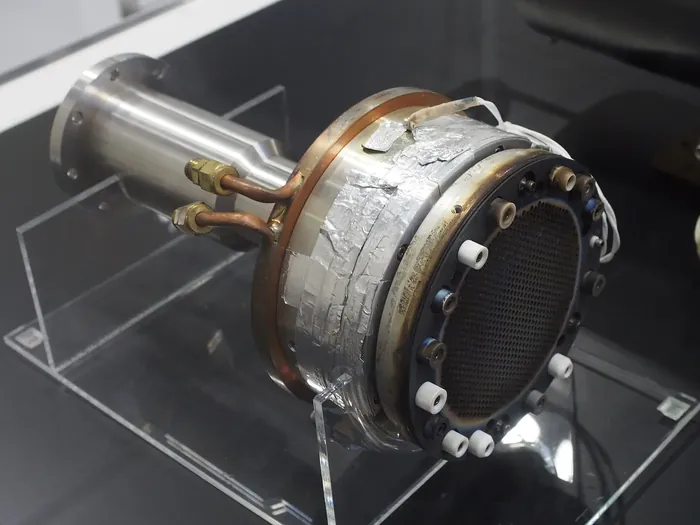
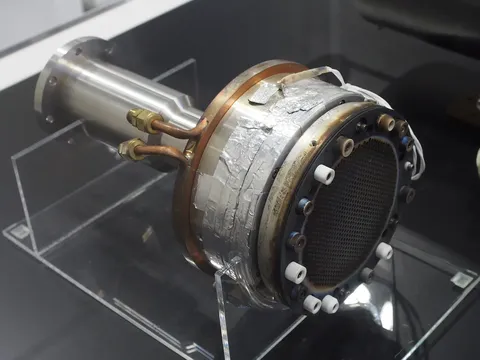
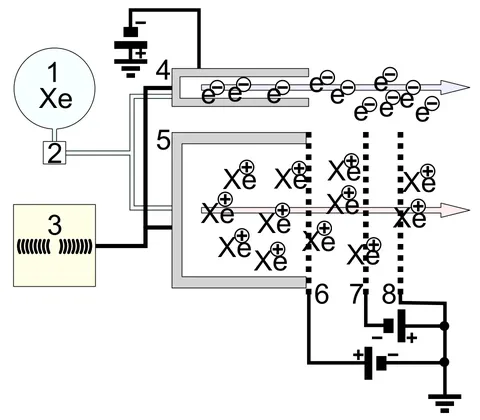
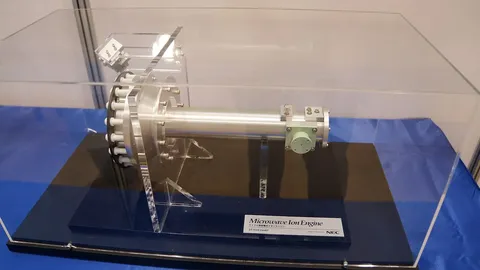
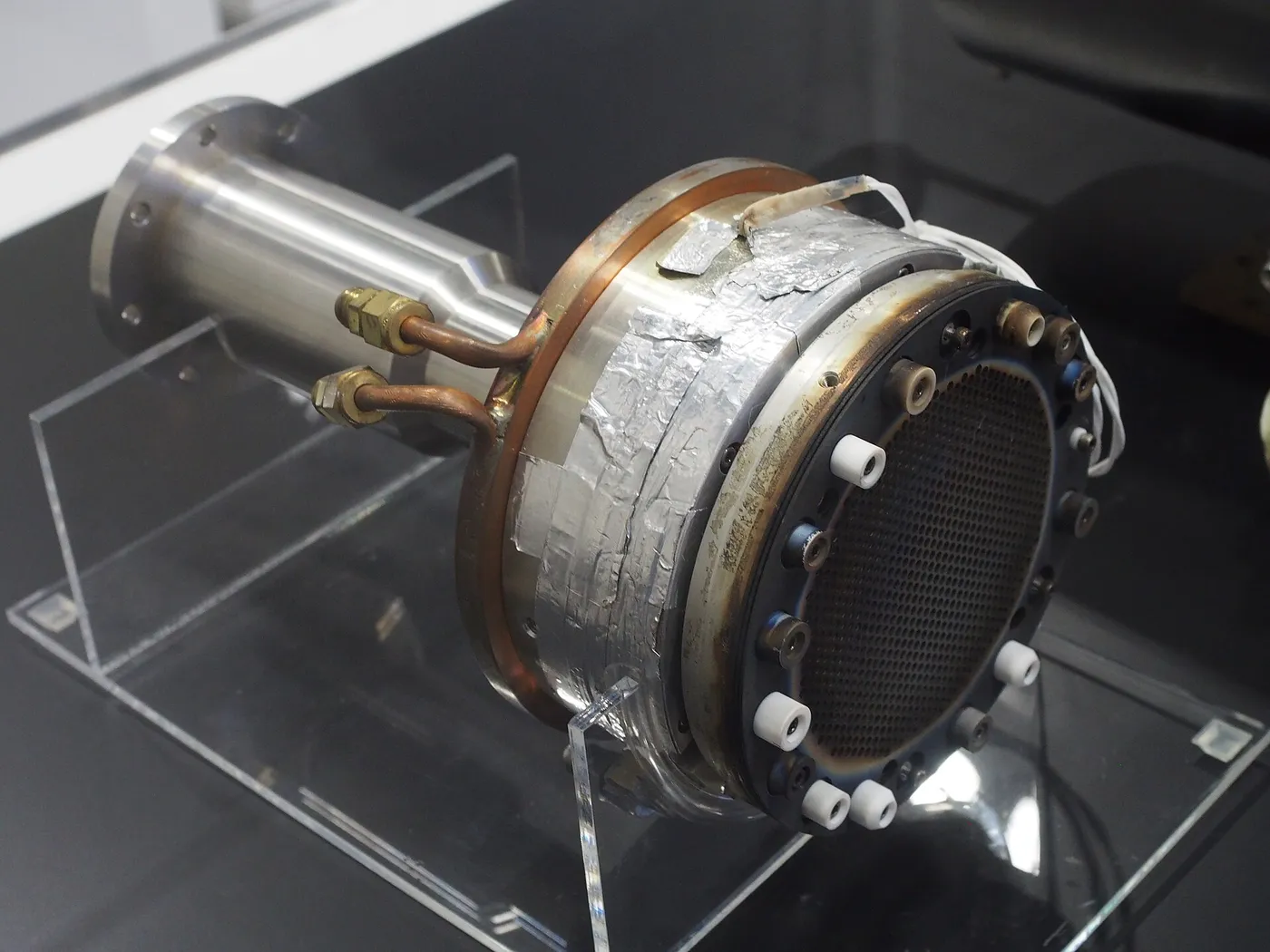
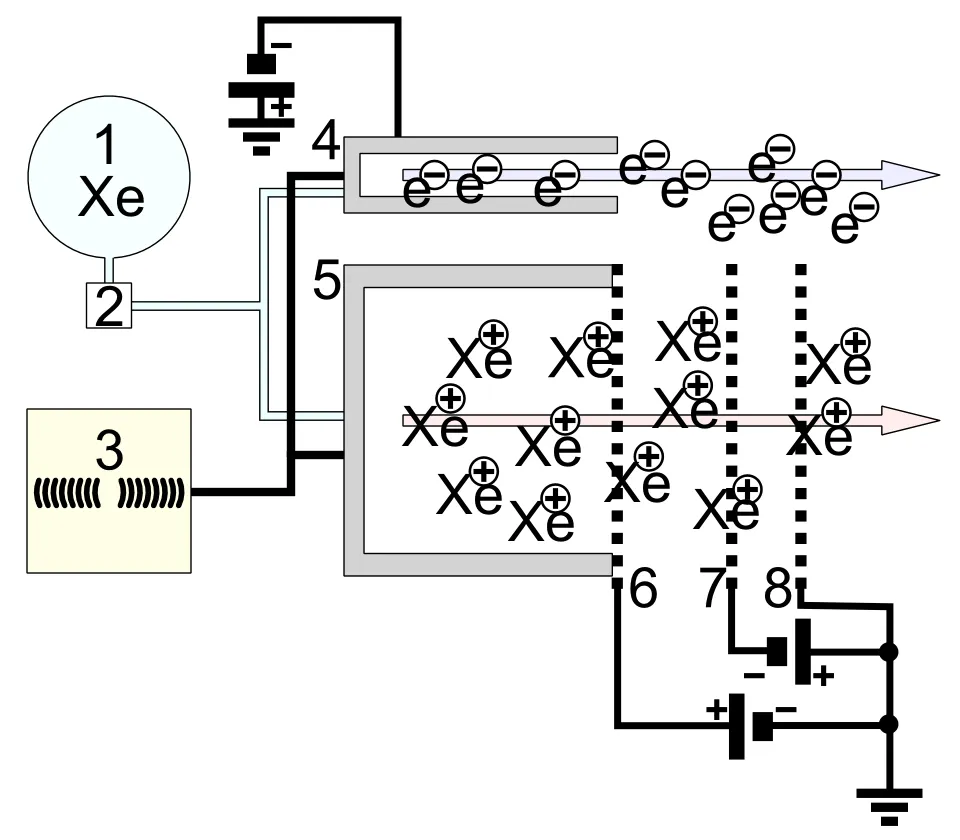
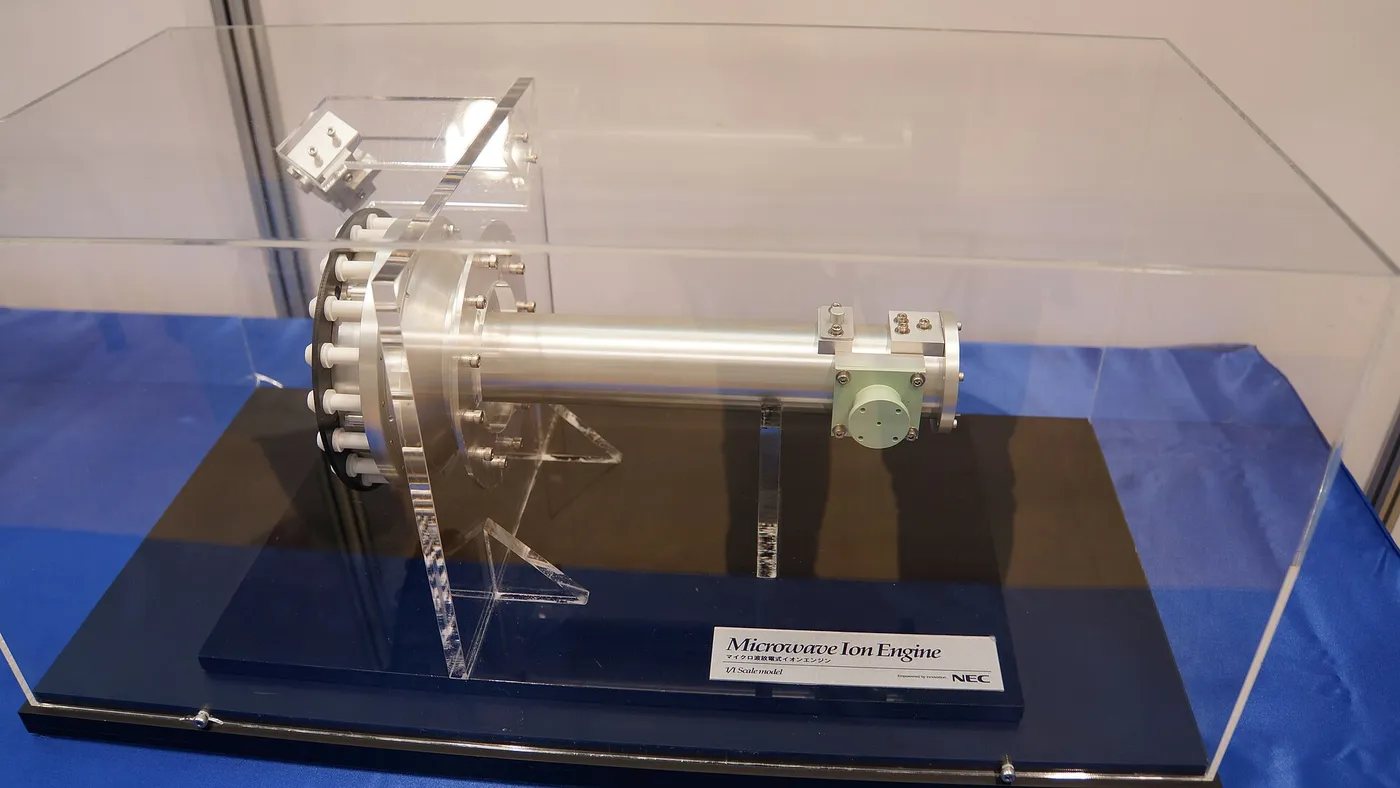
Recovering it took years and considerable ingenuity: venting xenon through the thrusters for attitude control, cross-wiring the neutraliser of one dead ion engine to the ion source of another to make a working hybrid, and nursing the trajectory home three years behind schedule. The capsule landed in the Australian outback in June 2010 while the spacecraft burned up above it — an image, of a bright fragment surviving amid the disintegrating parent, that became famous in Japan.
Inside were about 1,500 microscopic grains. They were the first samples ever returned from an asteroid, and they proved that the most common meteorites match the most common asteroid type — settling a long-running question in one stroke, and vindicating a mission that by any reasonable standard should have been lost several times over.