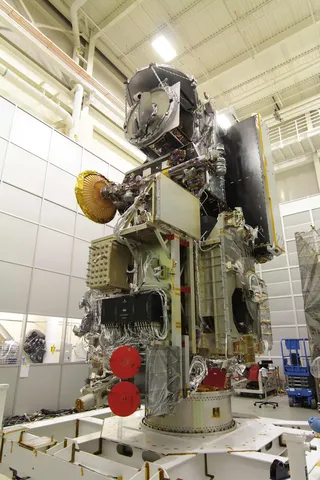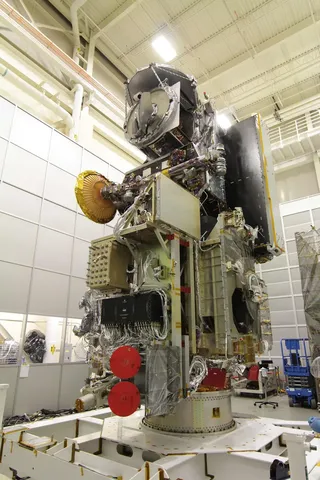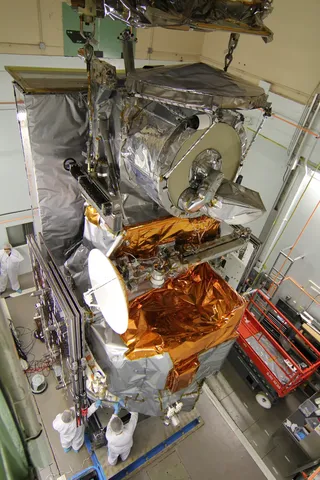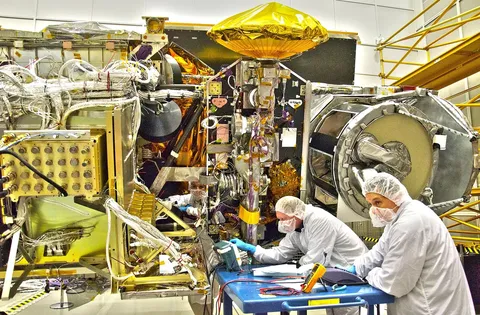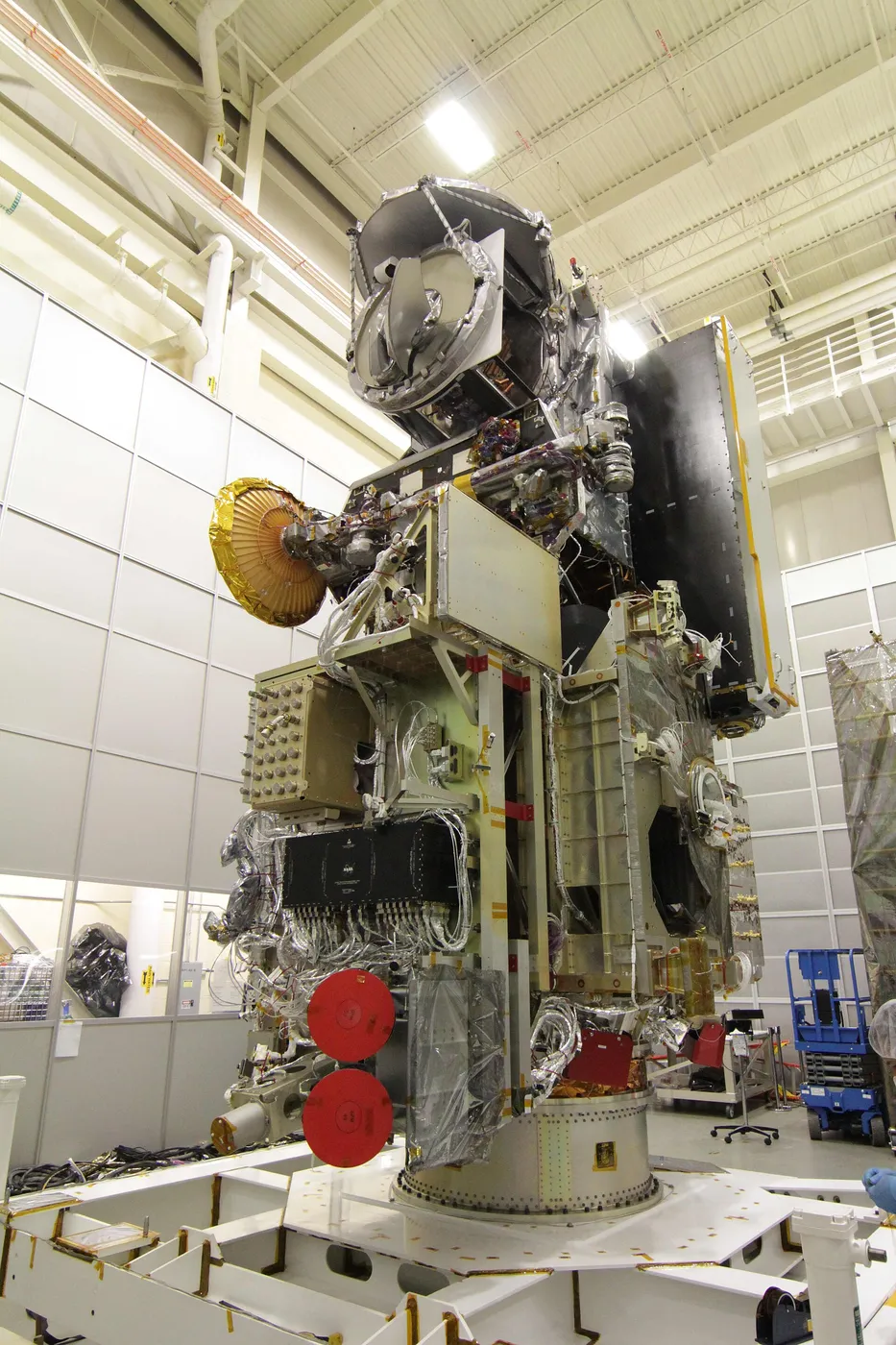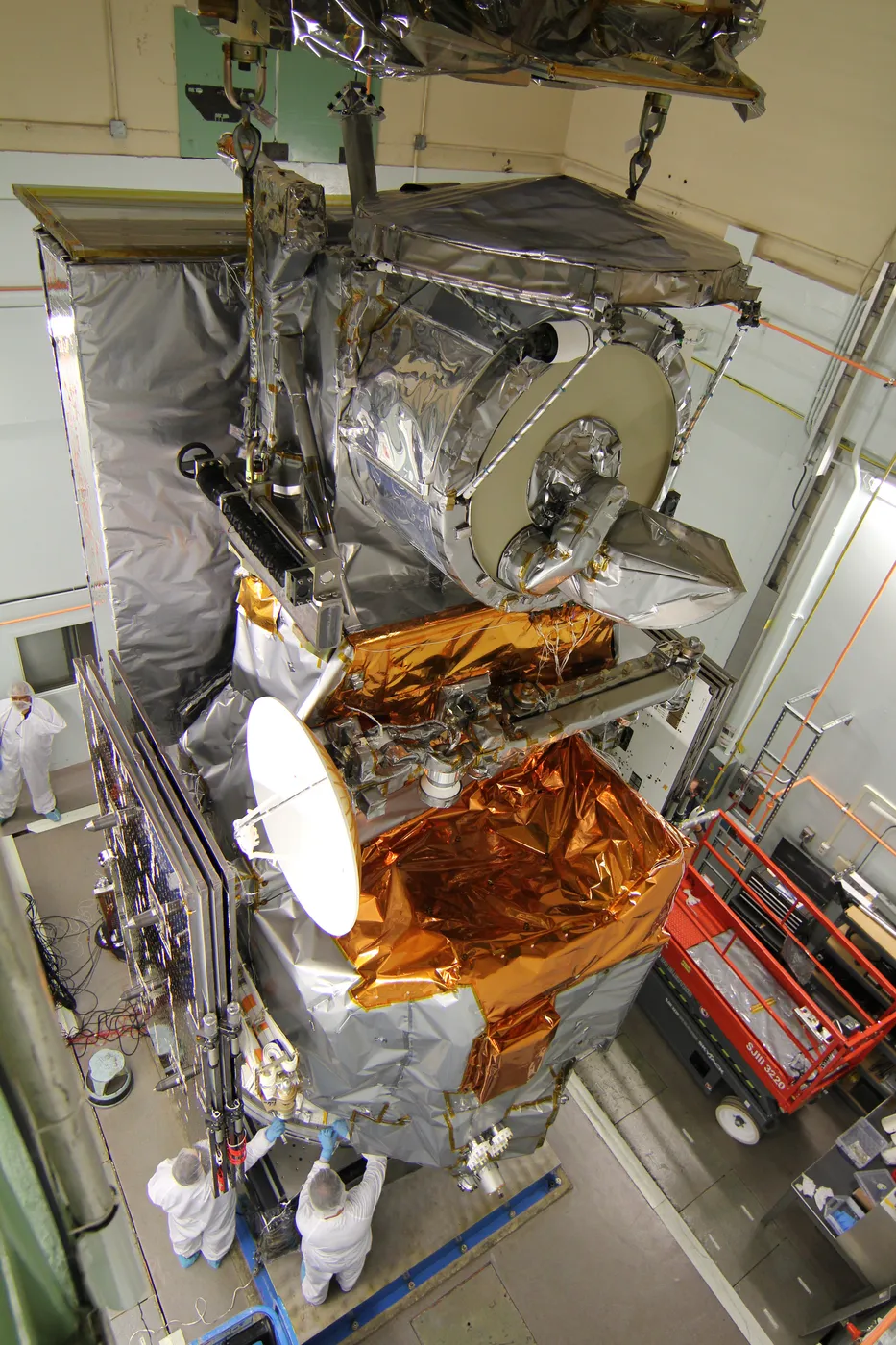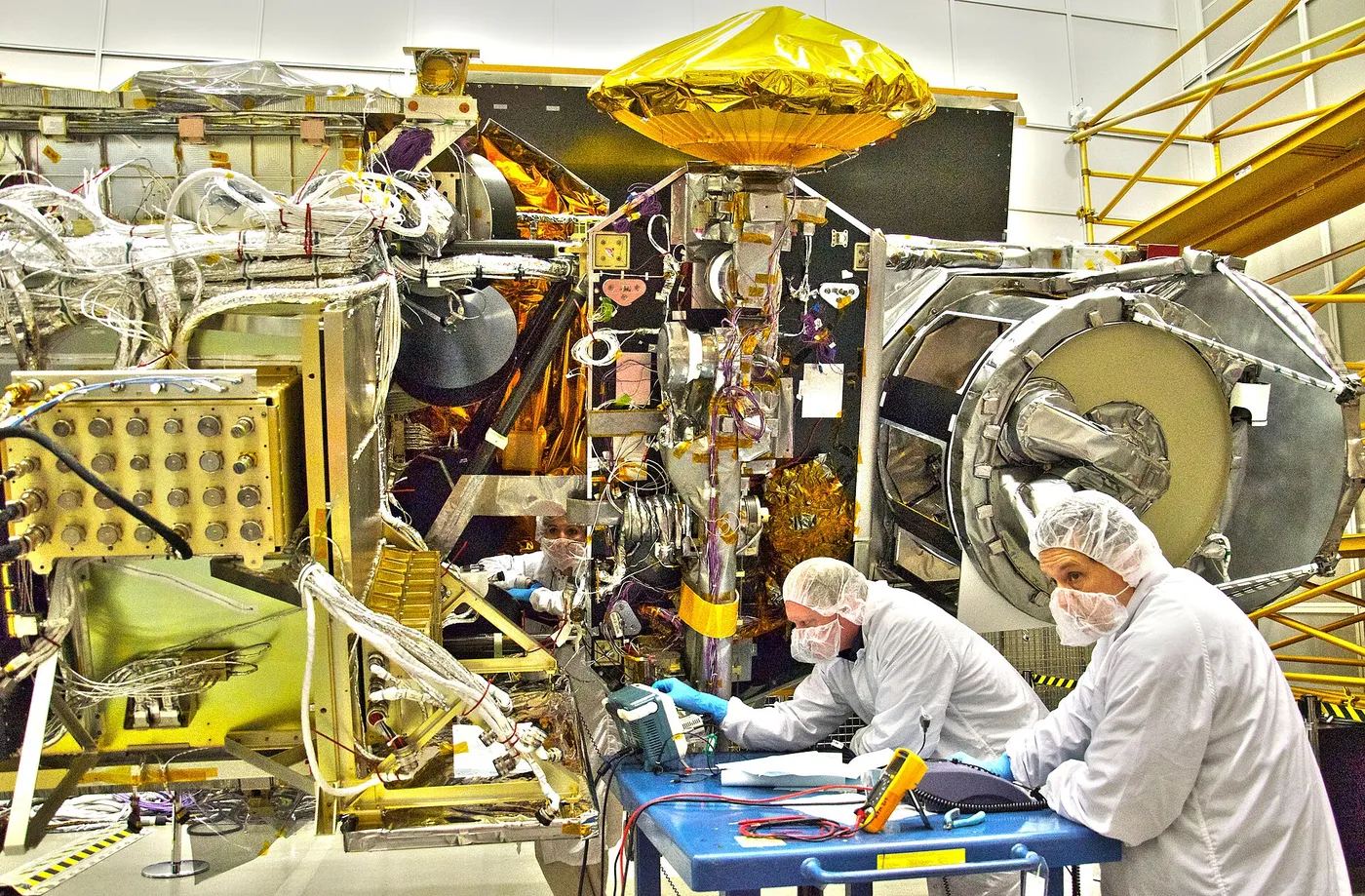
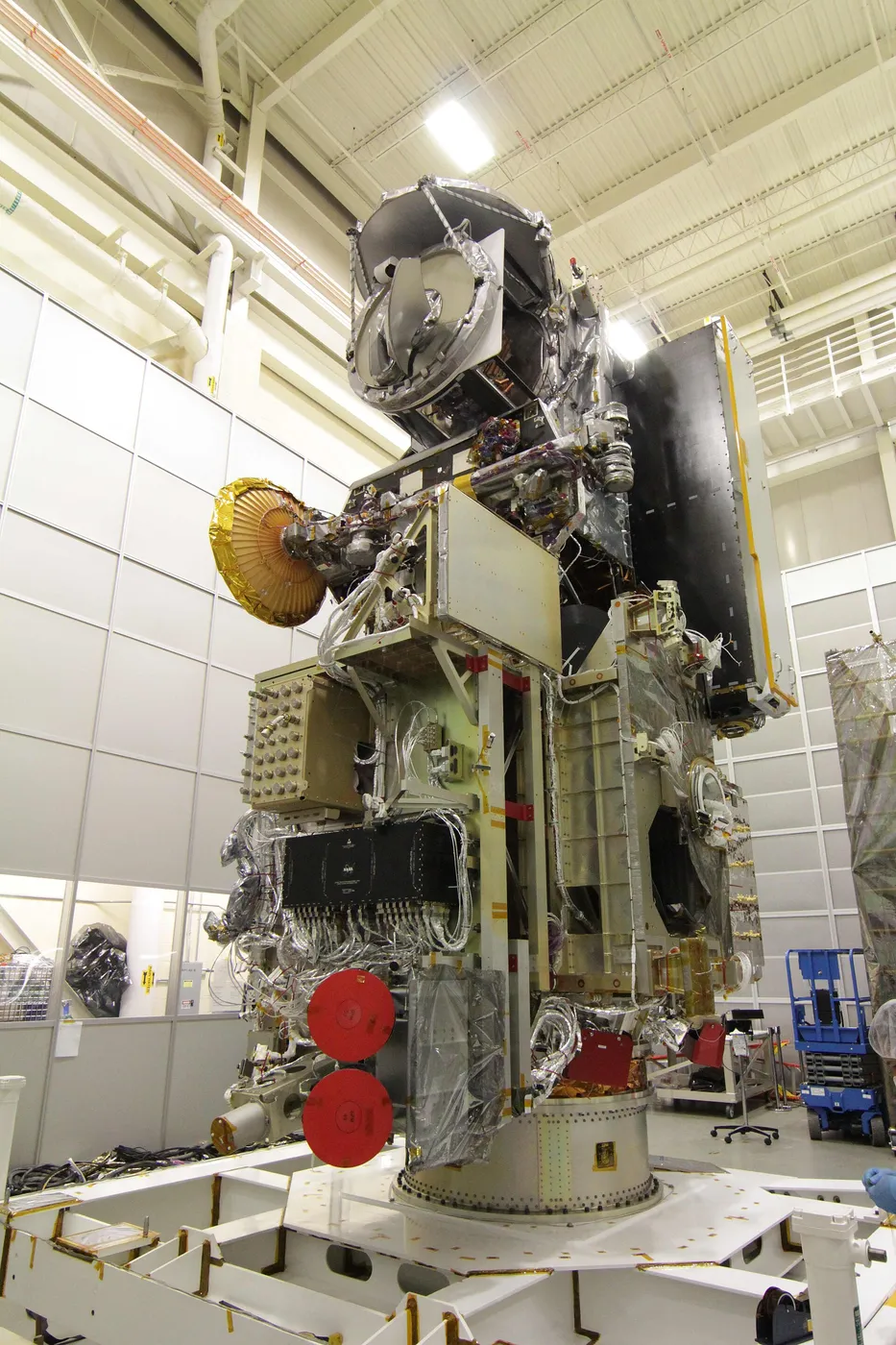

GPM extended TRMM's precipitation measurement from the tropics to most of the world, adding a second radar frequency so it could distinguish particle sizes and — crucially — detect snow, which the earlier mission's single frequency could not see.
Snow and light rain matter disproportionately at higher latitudes, and measuring them from space had been essentially impossible. The dual frequency radar and an improved microwave imager together made global precipitation measurement genuinely global.
The mission's greater significance is as a calibration standard. Its core observatory anchors a constellation of about a dozen satellites from several countries carrying microwave instruments, whose measurements are cross-calibrated against it and merged into a unified global precipitation product updated every half hour.
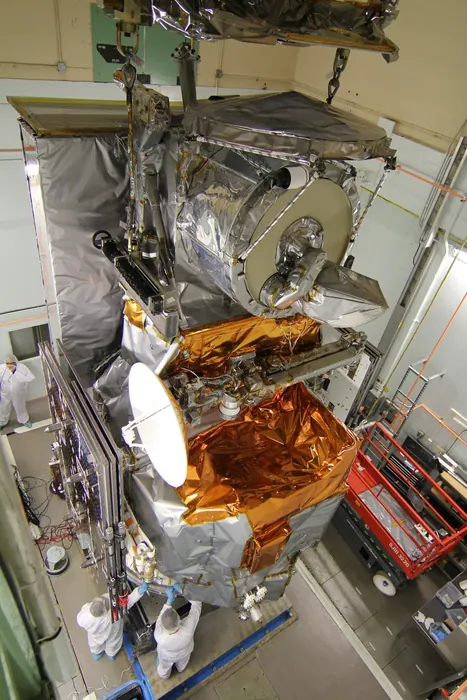
That product is used for flood forecasting, landslide warning, agricultural monitoring and disease modelling, particularly in regions with sparse rain gauge networks. In much of Africa and central Asia it is the primary source of rainfall information.
A joint mission with Japan, it launched in 2014 and continues to operate. Its combined record with TRMM now spans more than a quarter of a century, long enough to begin distinguishing trends in extreme precipitation from natural variability.