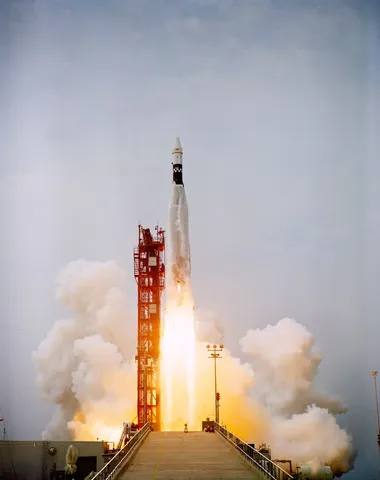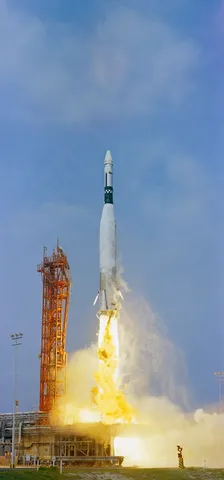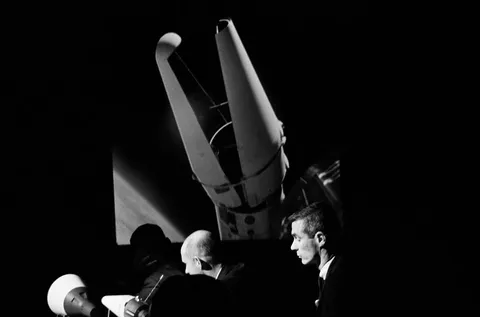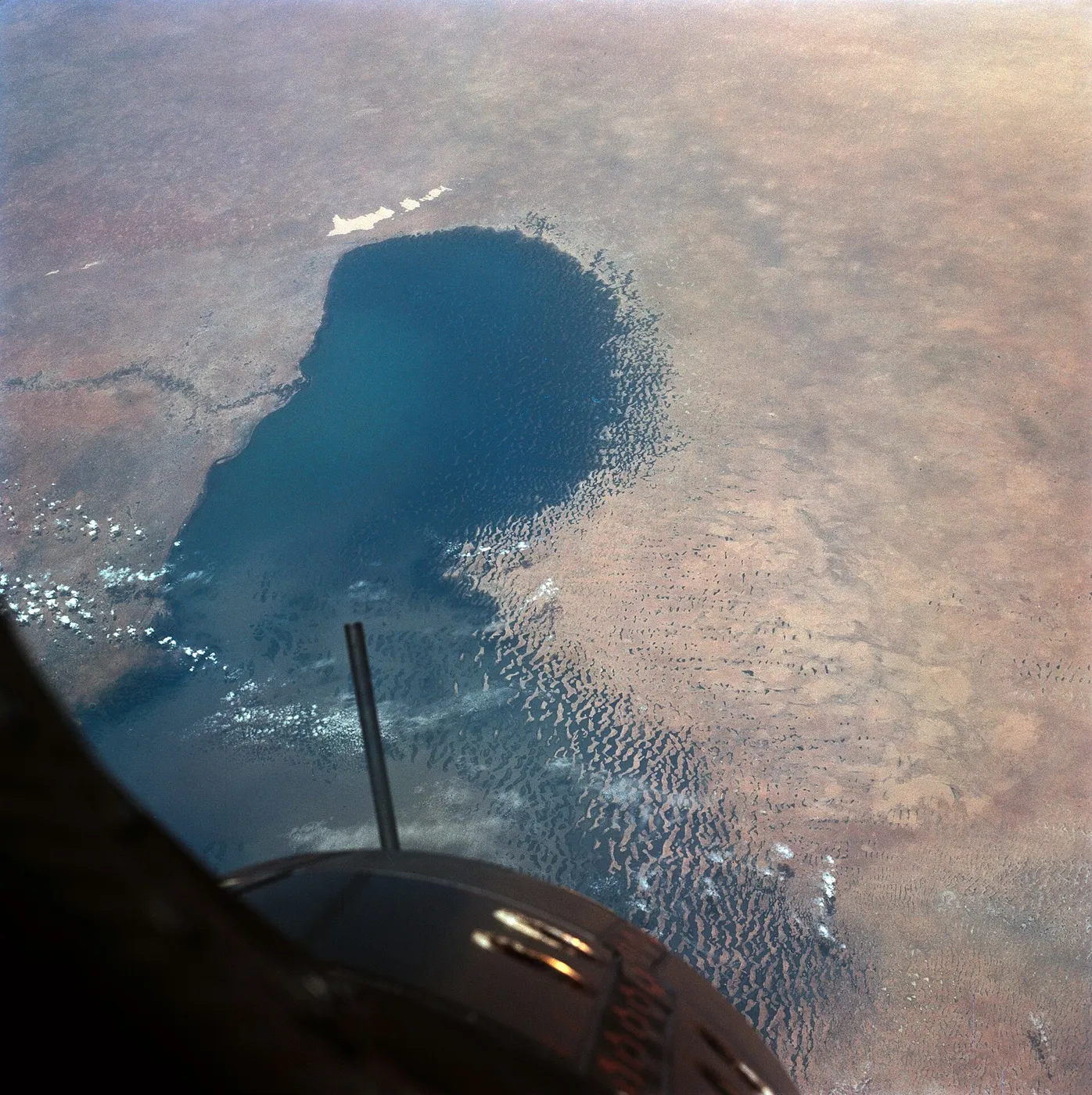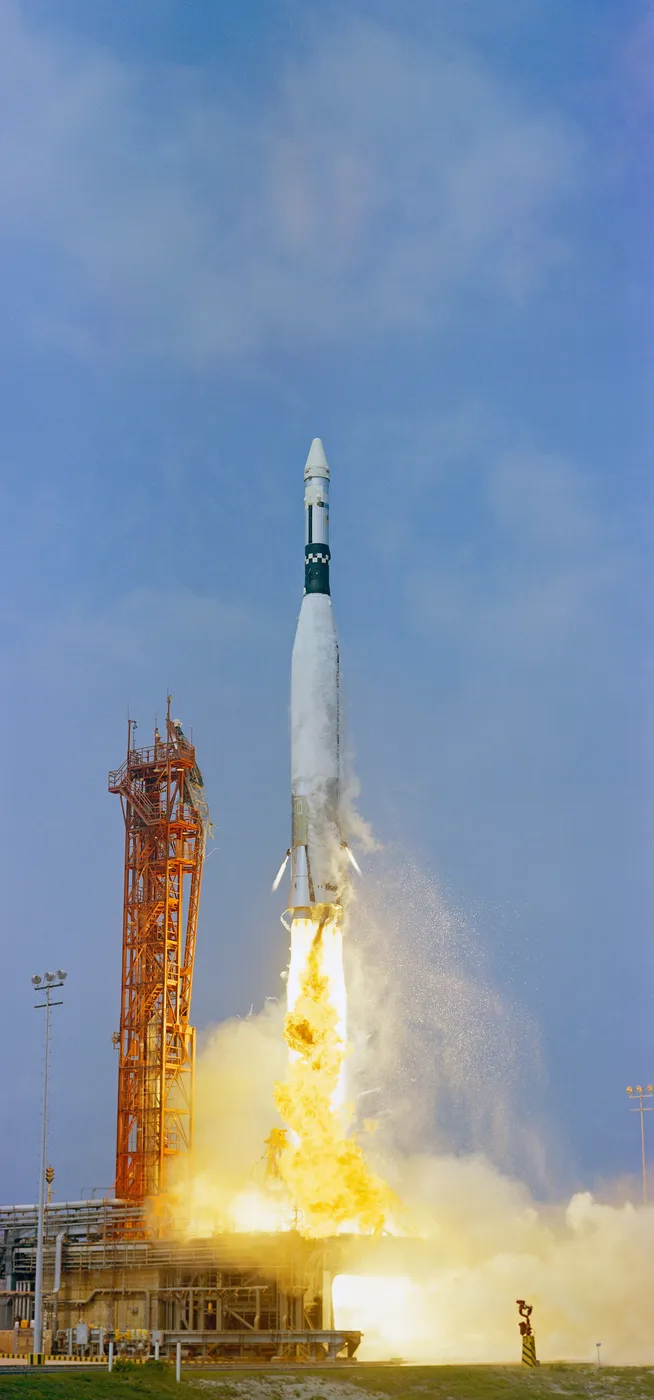
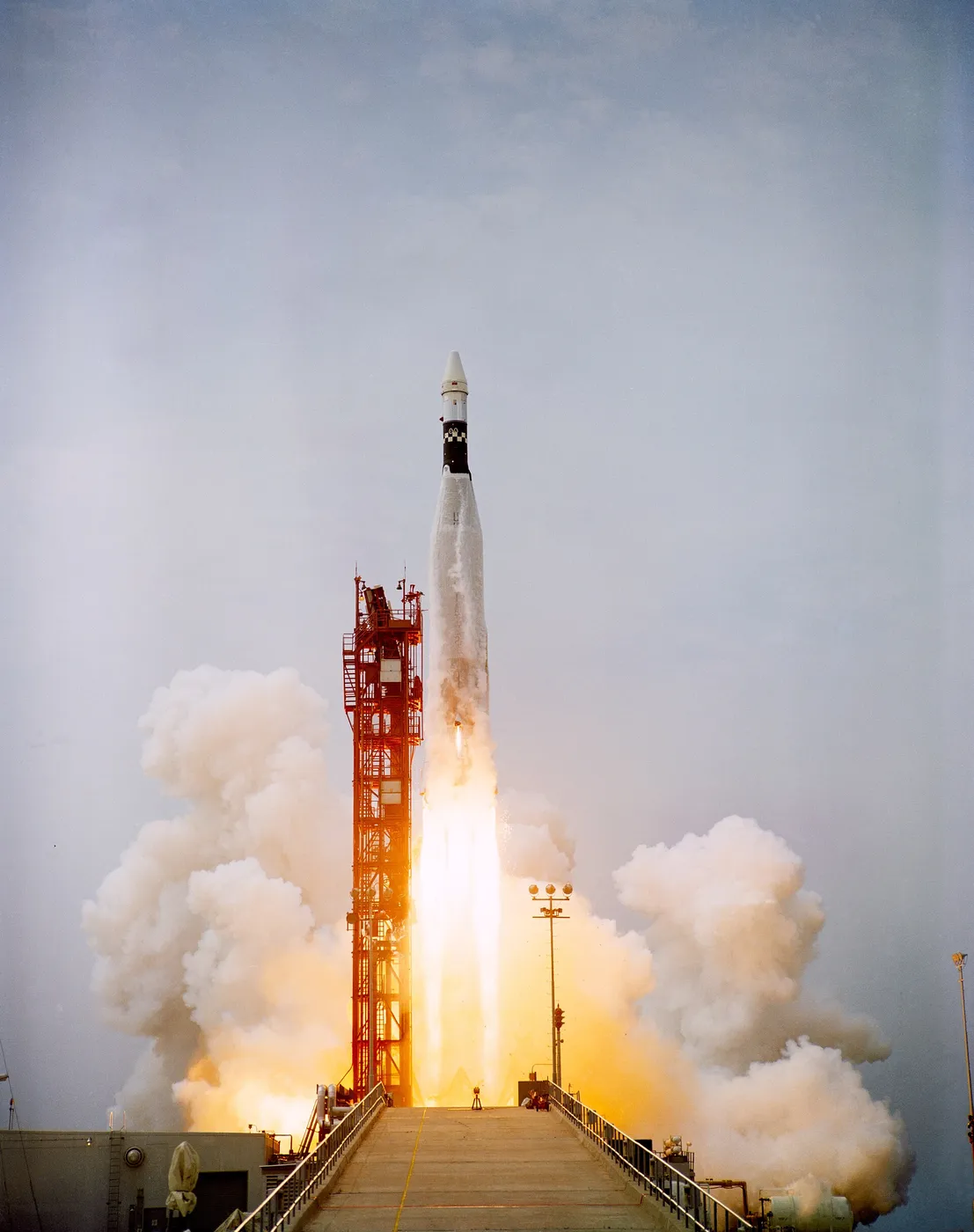

Gemini 9 began in tragedy. Its assigned crew, Elliot See and Charles Bassett, were killed in February 1966 when their training jet crashed in fog into the very building in St. Louis where their spacecraft was being assembled. Their backups, Tom Stafford and Gene Cernan, inherited the flight, and it launched on 3 June 1966 already renamed Gemini 9A after its own Agena target had failed to reach orbit.
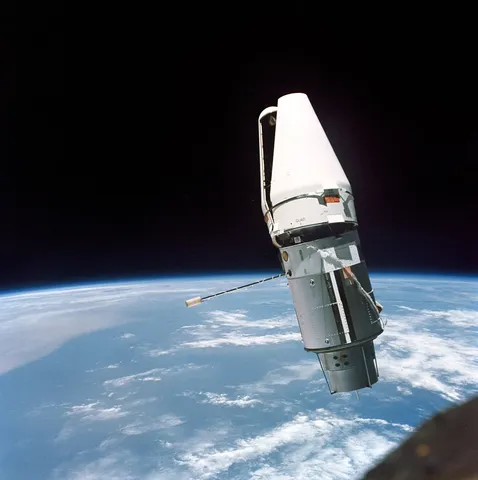
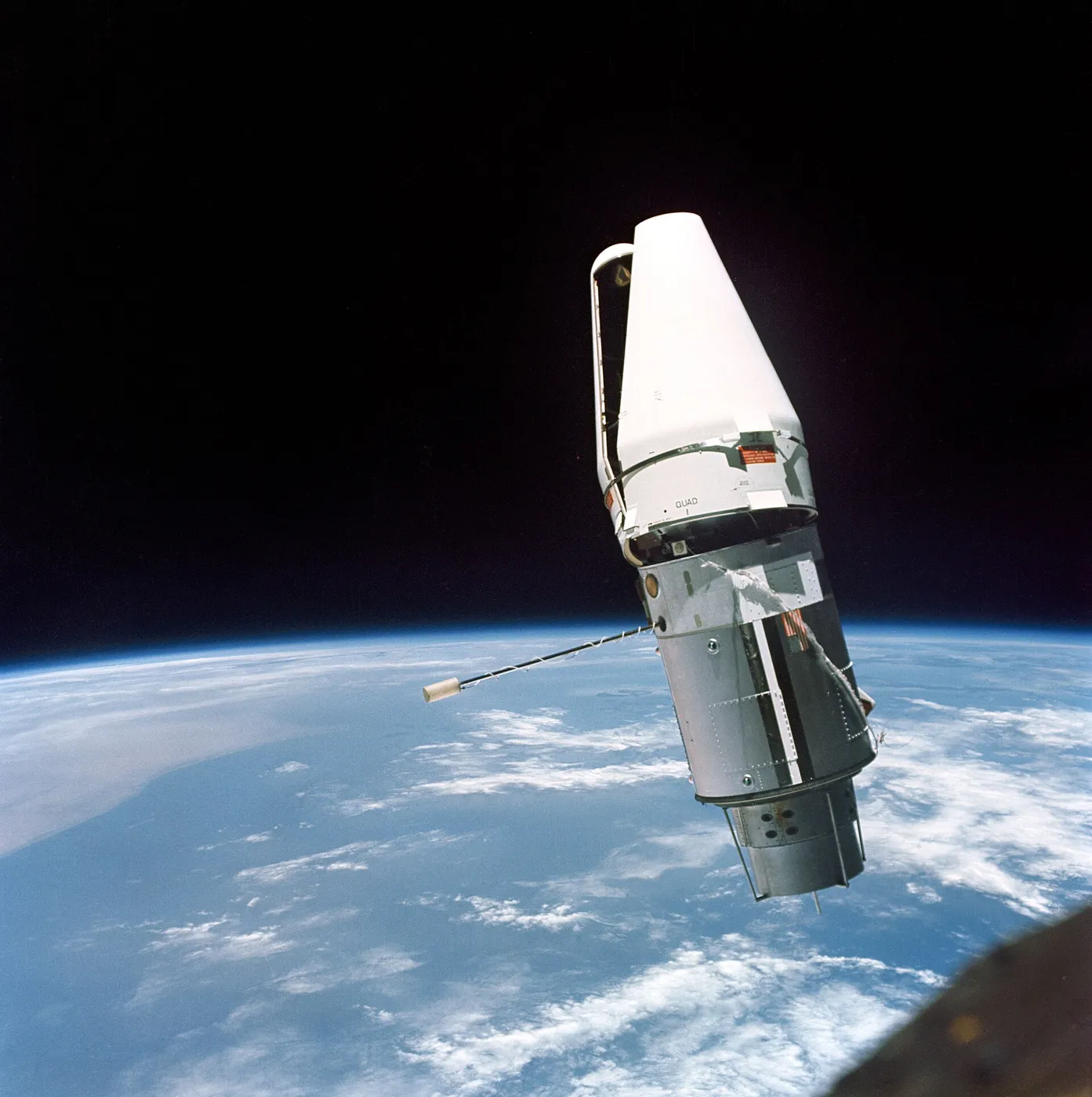
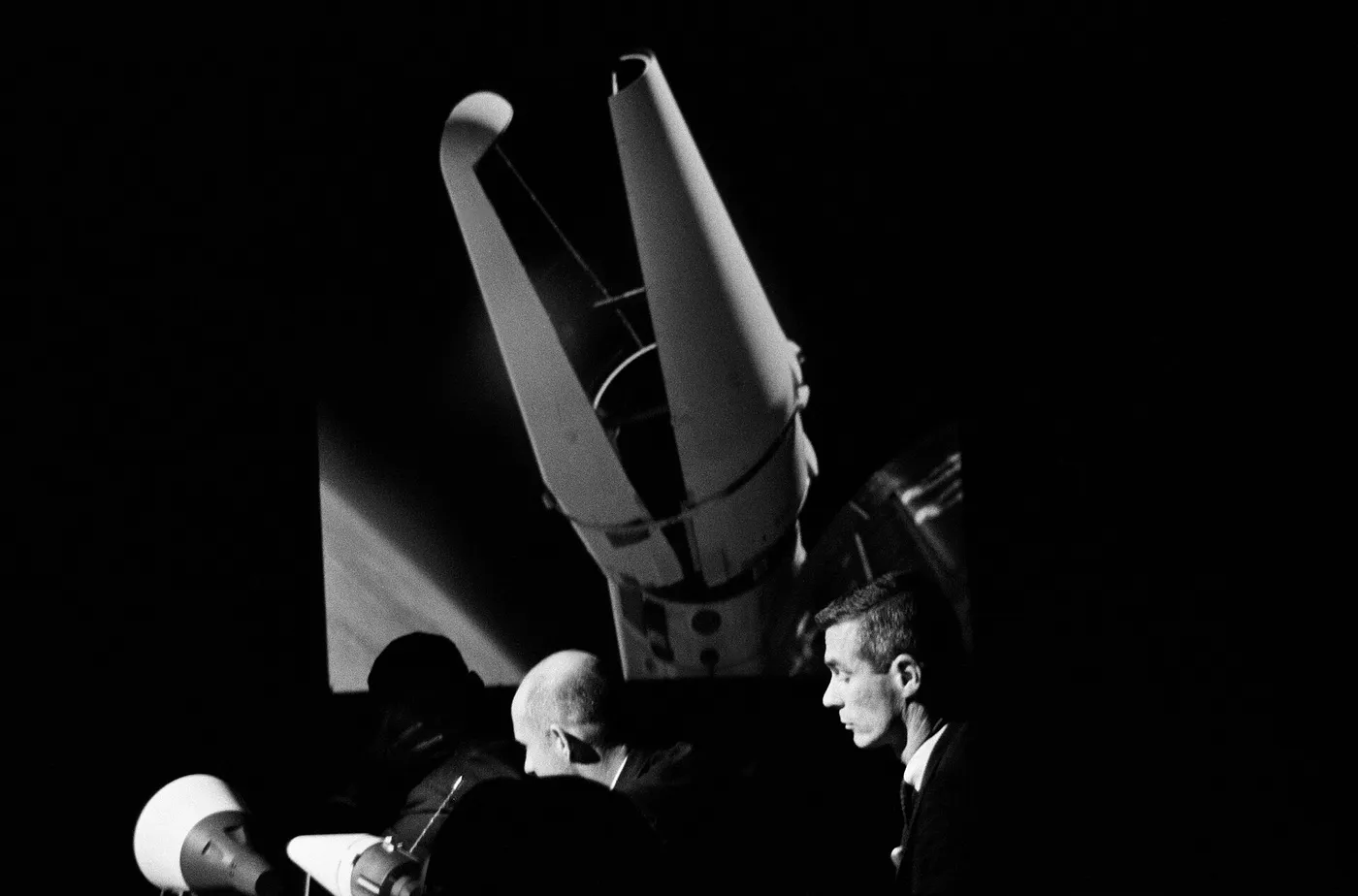
The replacement target was no kinder. A stand-in docking adaptor made it up, but the protective shroud over its collar had only half separated and hung open in two jaws, held by a stubborn band. Stafford took one look and described it as an angry alligator, and no amount of manoeuvring could make docking possible. The crew did what they could, flying three separate rendezvous with the thing to sharpen the technique.
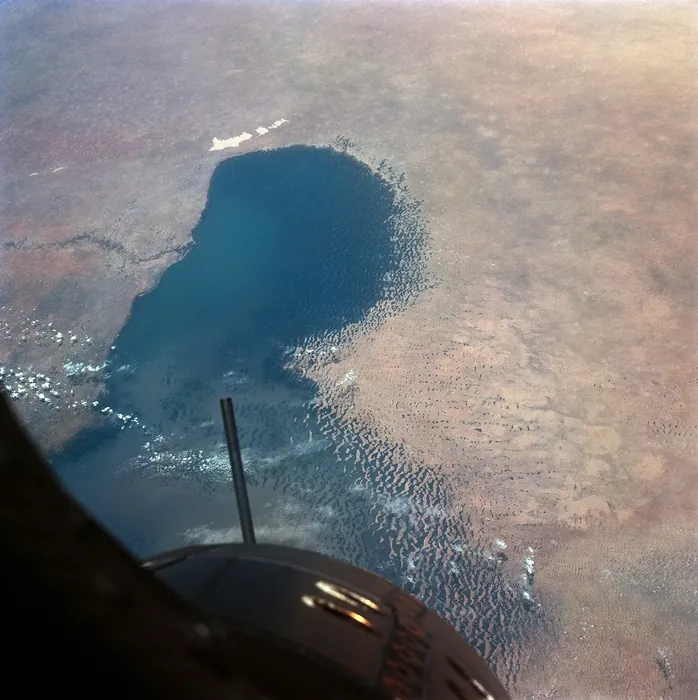
The real ordeal came with the spacewalk. Cernan went out to test a backpack-sized manoeuvring unit stowed at the rear of the spacecraft, and discovered that in weightlessness every push sent him tumbling. Without handholds or footholds, simply moving along the hull became a wrestling match against a suit inflated stiff as an inner tube.
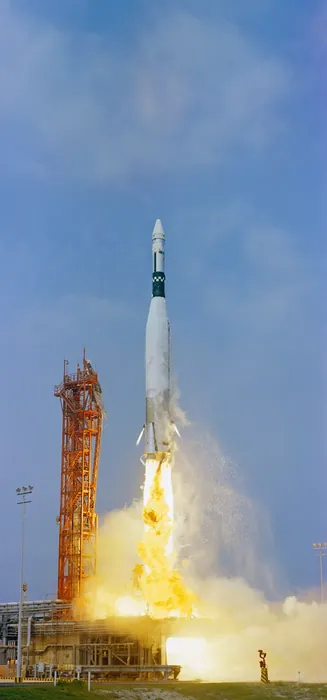
By the time he reached the backpack he was exhausted and overheating, his heart racing near a hundred and eighty beats a minute and his visor fogged so thickly he could barely see. Stafford ordered him back. Cernan groped his way to the hatch half-blind, and the two men fought to close it behind him — a two-hour spacewalk that came far closer to disaster than the public understood.
It was a chastening flight, and an invaluable one. Gemini 9A demolished the assumption that a fit pilot could simply float outside and work, and sent engineers away to invent handrails, foot restraints and underwater training — the fixes that would make Gemini 12 a success months later. Cernan returned to space twice more and, on Apollo 17, became the last human being to stand on the Moon.