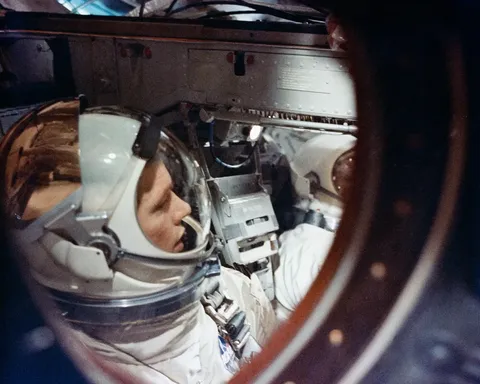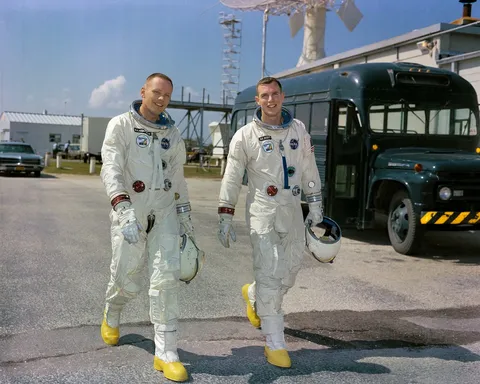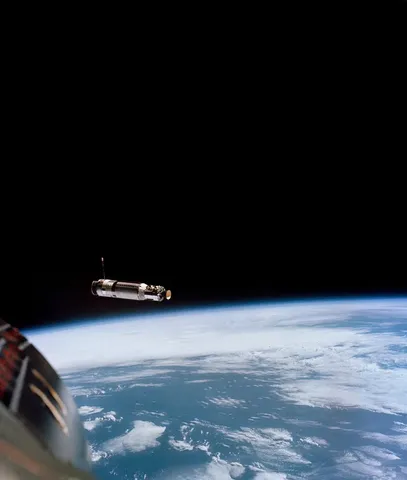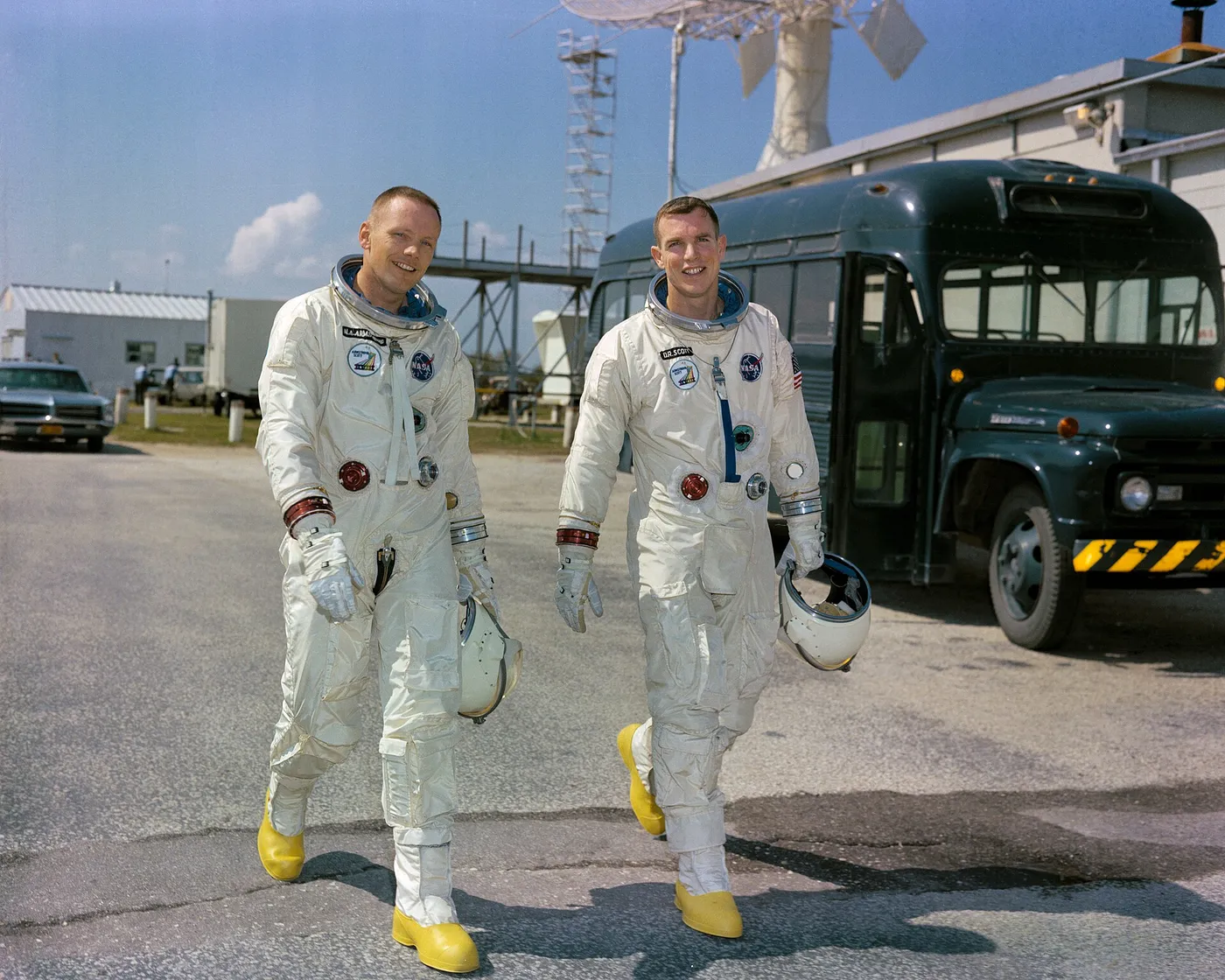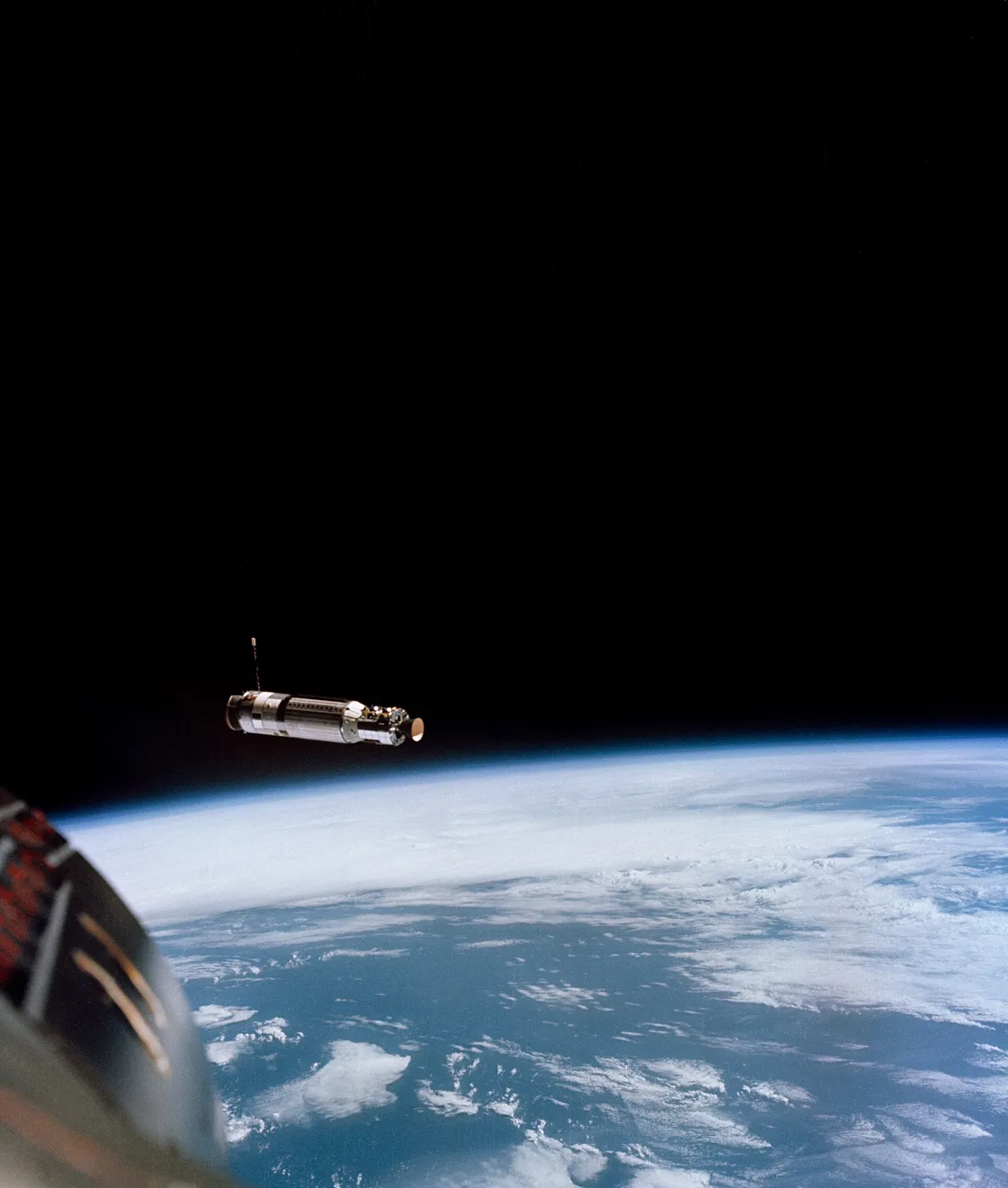
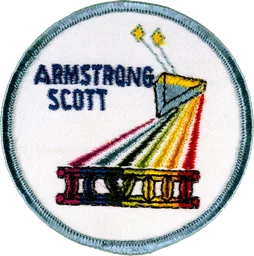
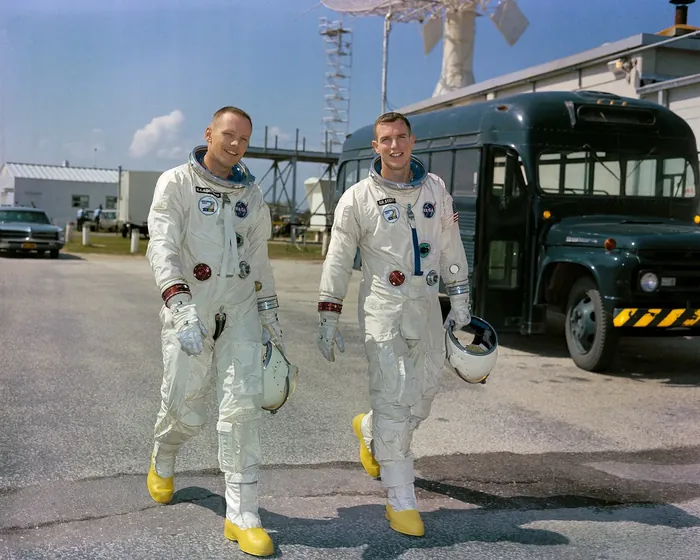
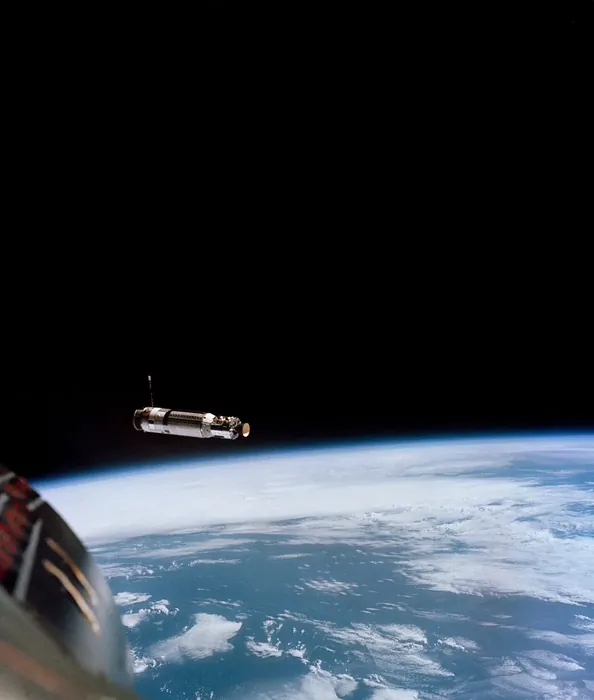
Rendezvous had been proved; docking had not. On 16 March 1966 Neil Armstrong and David Scott chased down an unmanned Agena target and, six hours into the flight, eased their nose into its collar until the latches closed — the first time two spacecraft had ever joined together in orbit. Armstrong reported it as smooth and easy, and for about half an hour the mission was a triumph.
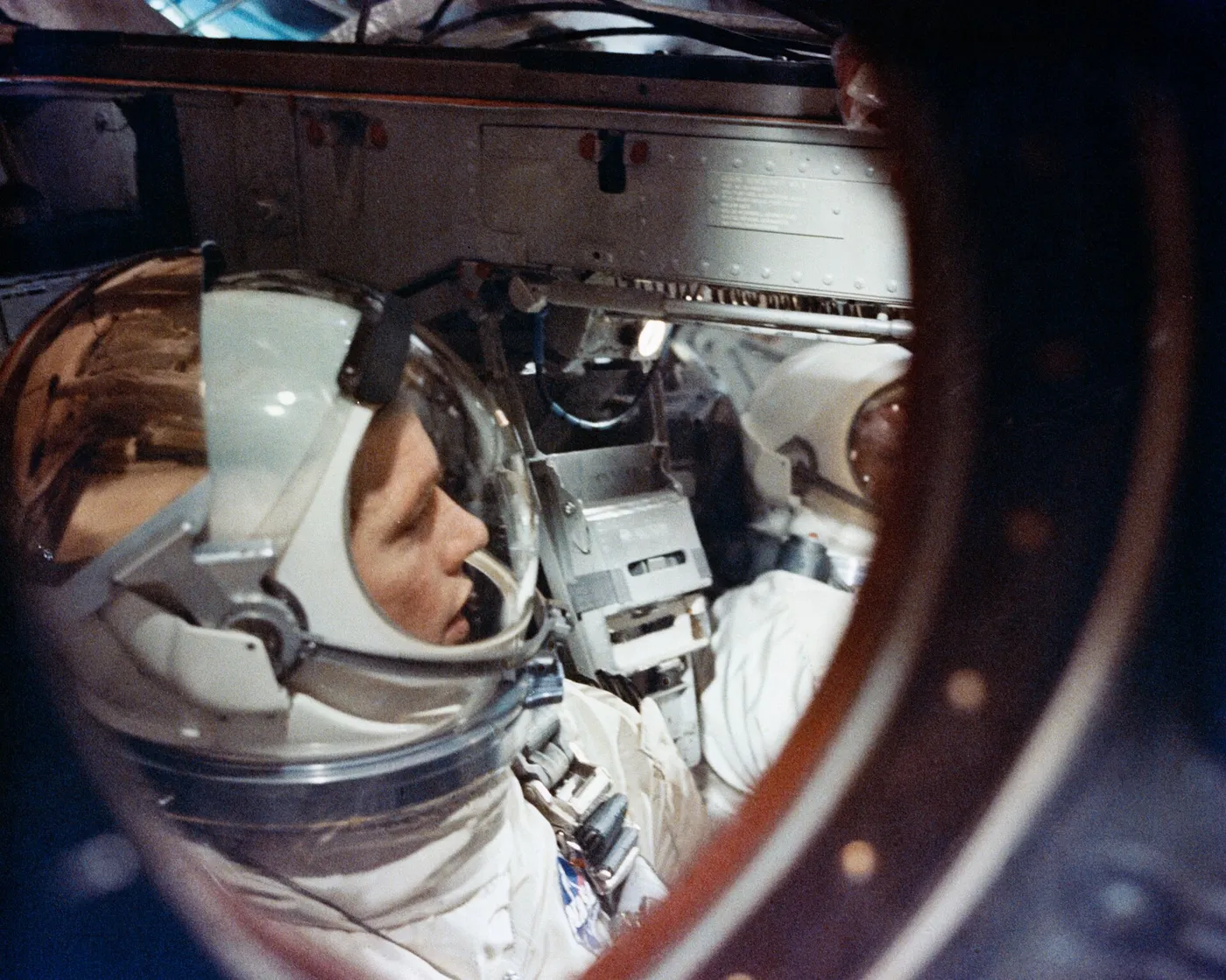
Then the joined pair began to roll. Suspecting the Agena, the crew undocked — and the tumbling immediately grew worse, because the fault was in their own spacecraft: a thruster had stuck open and was firing continuously. Free of the Agena's mass, Gemini 8 spun up to roughly one full revolution per second, fast enough that the instruments blurred and both men felt their vision beginning to grey out at the edges.
Armstrong reached above his head and shut down the entire manoeuvring system, then used the separate thrusters reserved for re-entry to wrestle the capsule back under control. It worked. But the rulebook was unambiguous: once those re-entry thrusters were fired, the mission had to end — and a flight planned for three days was over in ten and a half hours.
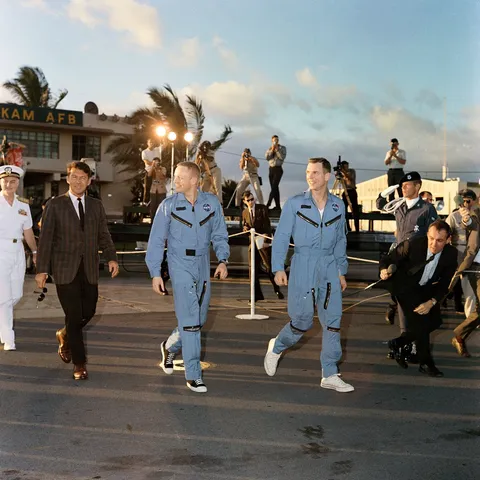
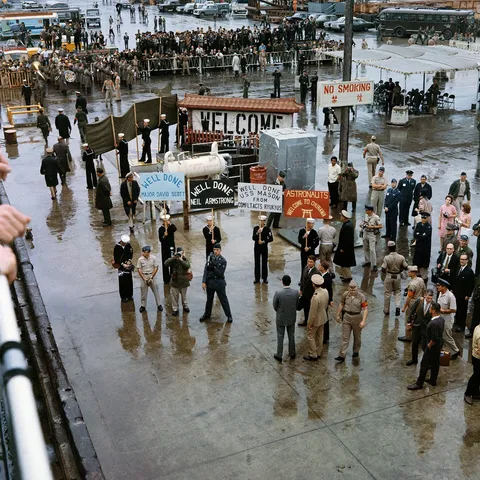
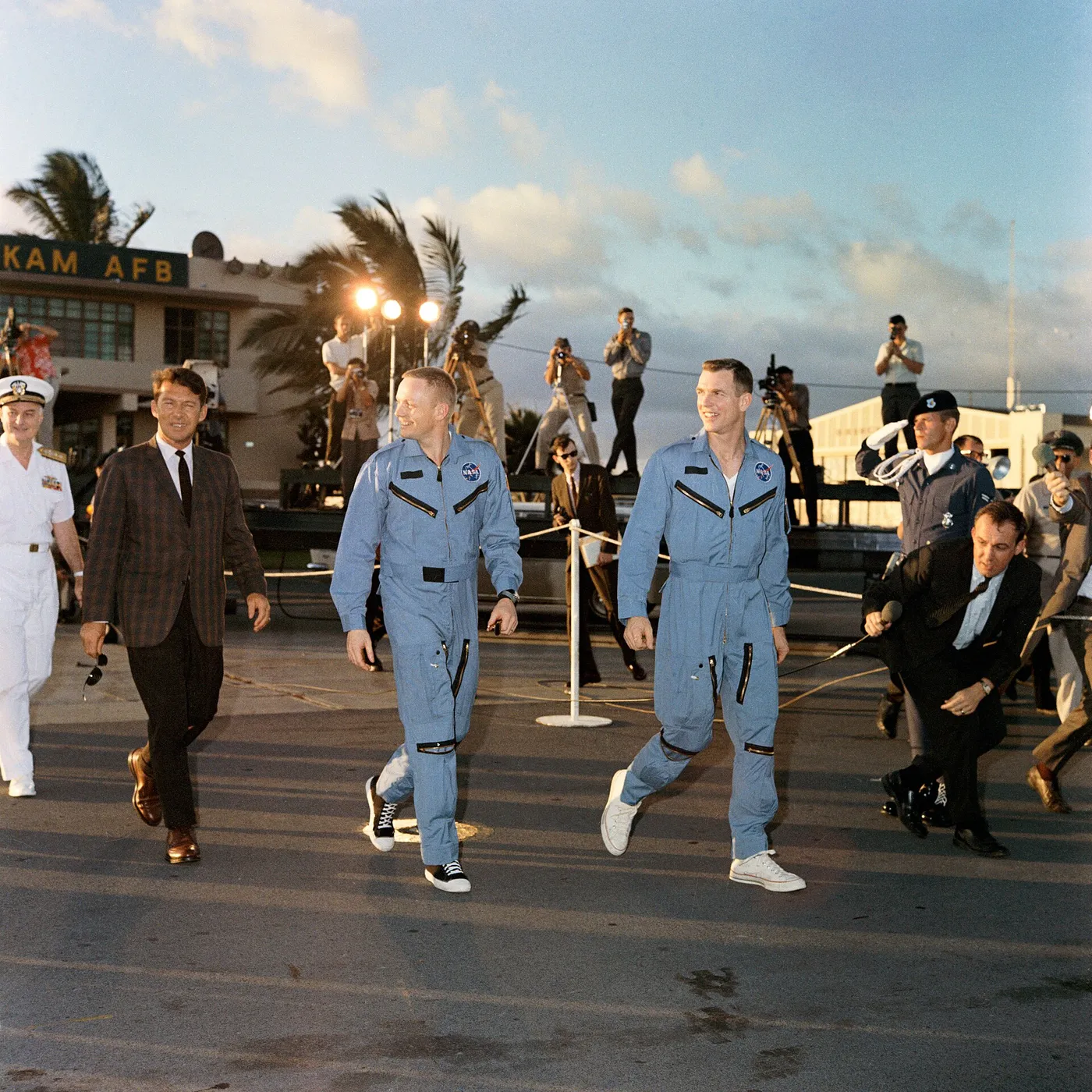
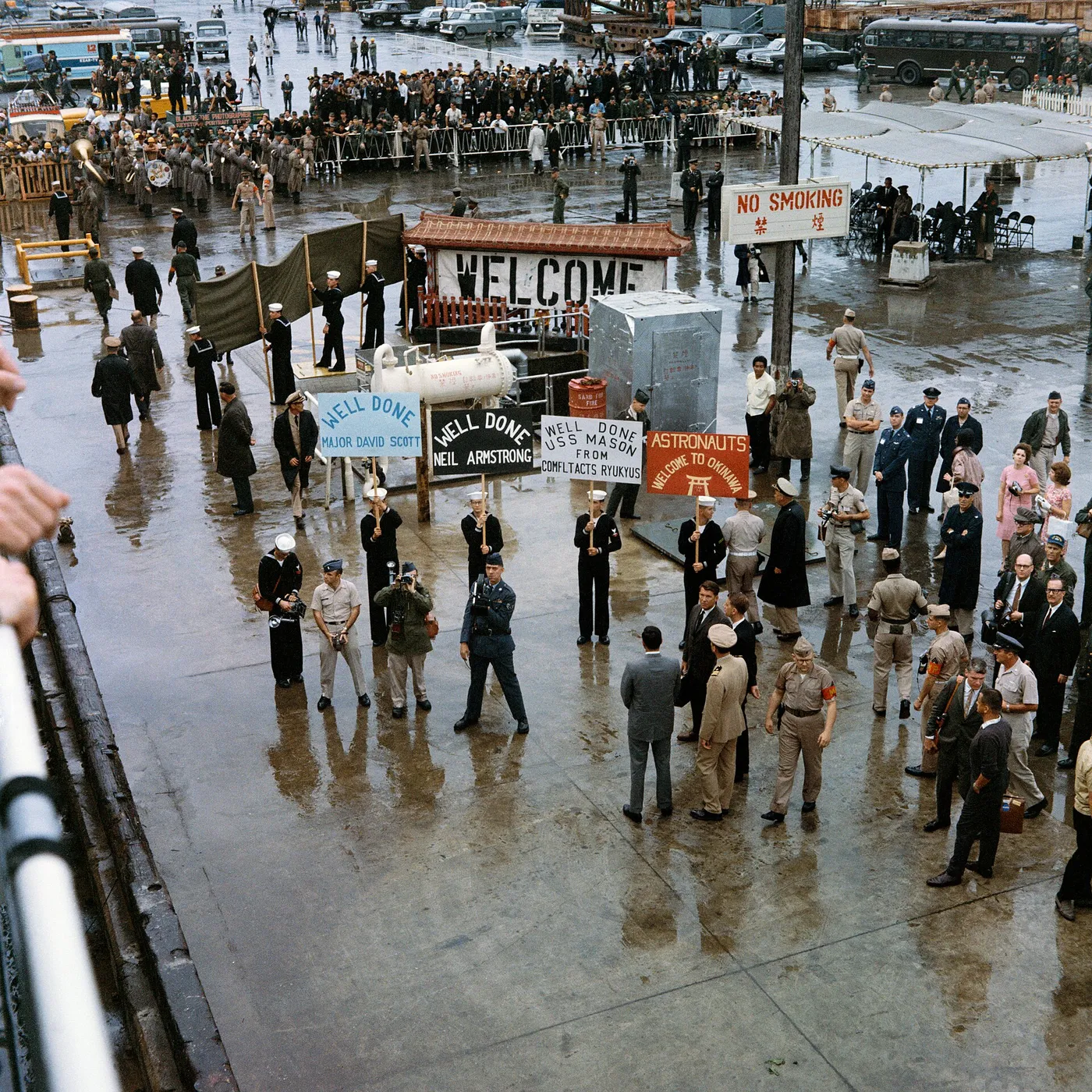
They came down in the western Pacific, far from the waiting fleet, and bobbed for several hours in a heaving sea until a destroyer reached them; pararescuemen dropped by aircraft got there first and fitted a flotation collar. Both men were seasick, and the flight was widely reported as a failure — a judgement that missed the point entirely.
In fact Gemini 8 had done what it set out to do and then survived the programme's first true in-flight emergency. Armstrong's diagnosis and recovery, made in seconds while the world spun around him, is the reason he is remembered as a pilot before he is remembered as the first man on the Moon. Scott went on to command Apollo 15 and drive its rover across the lunar hills.