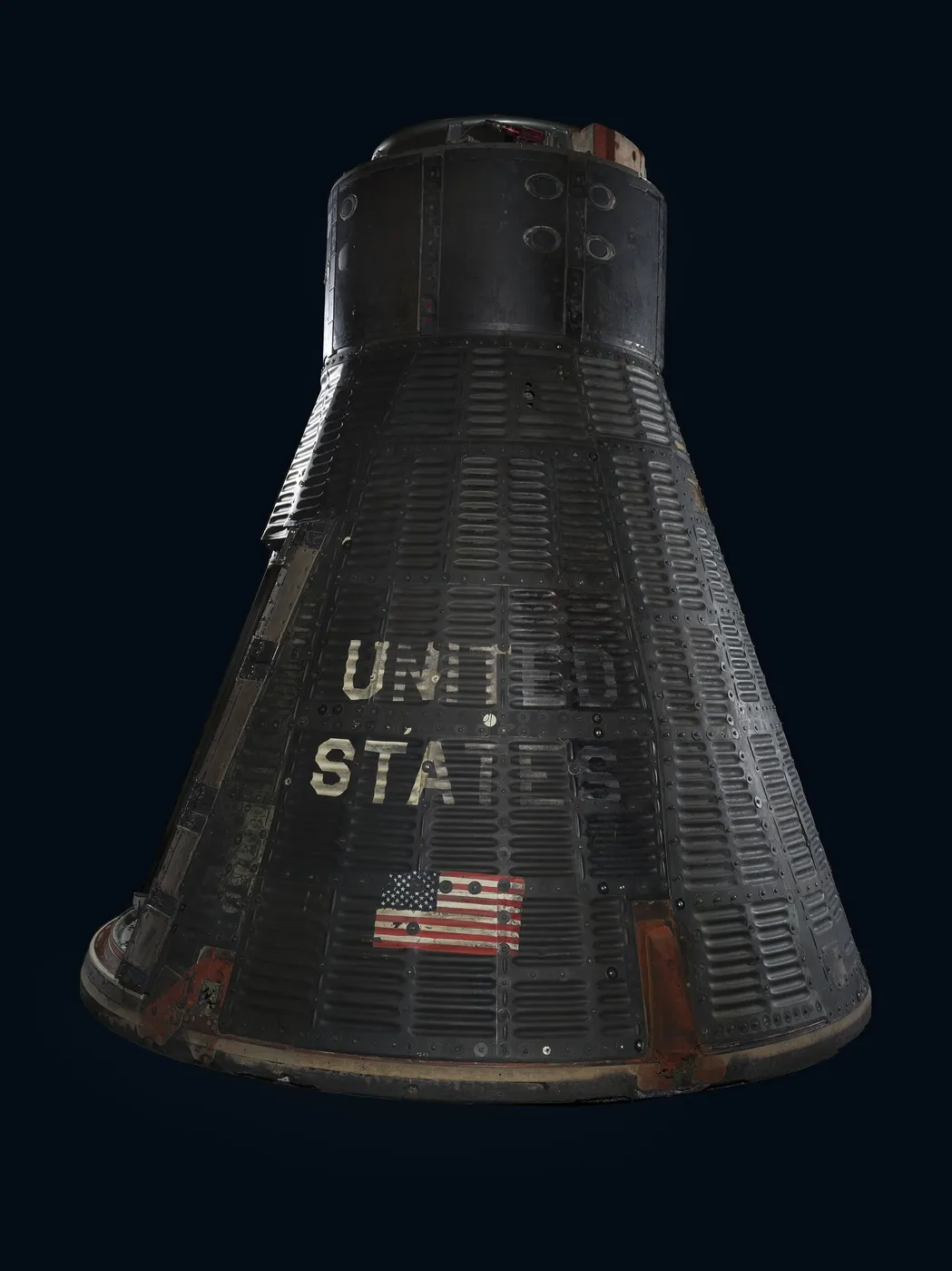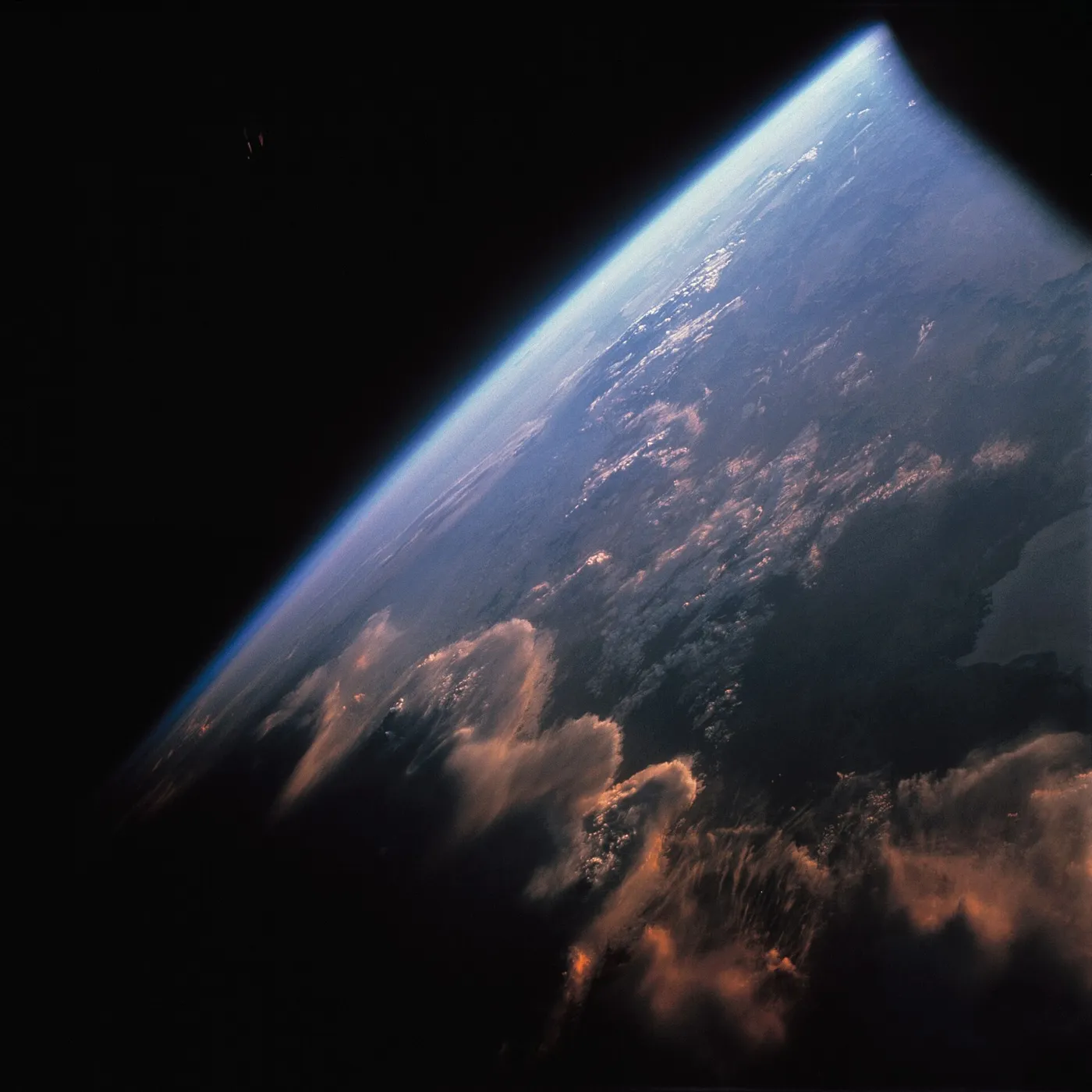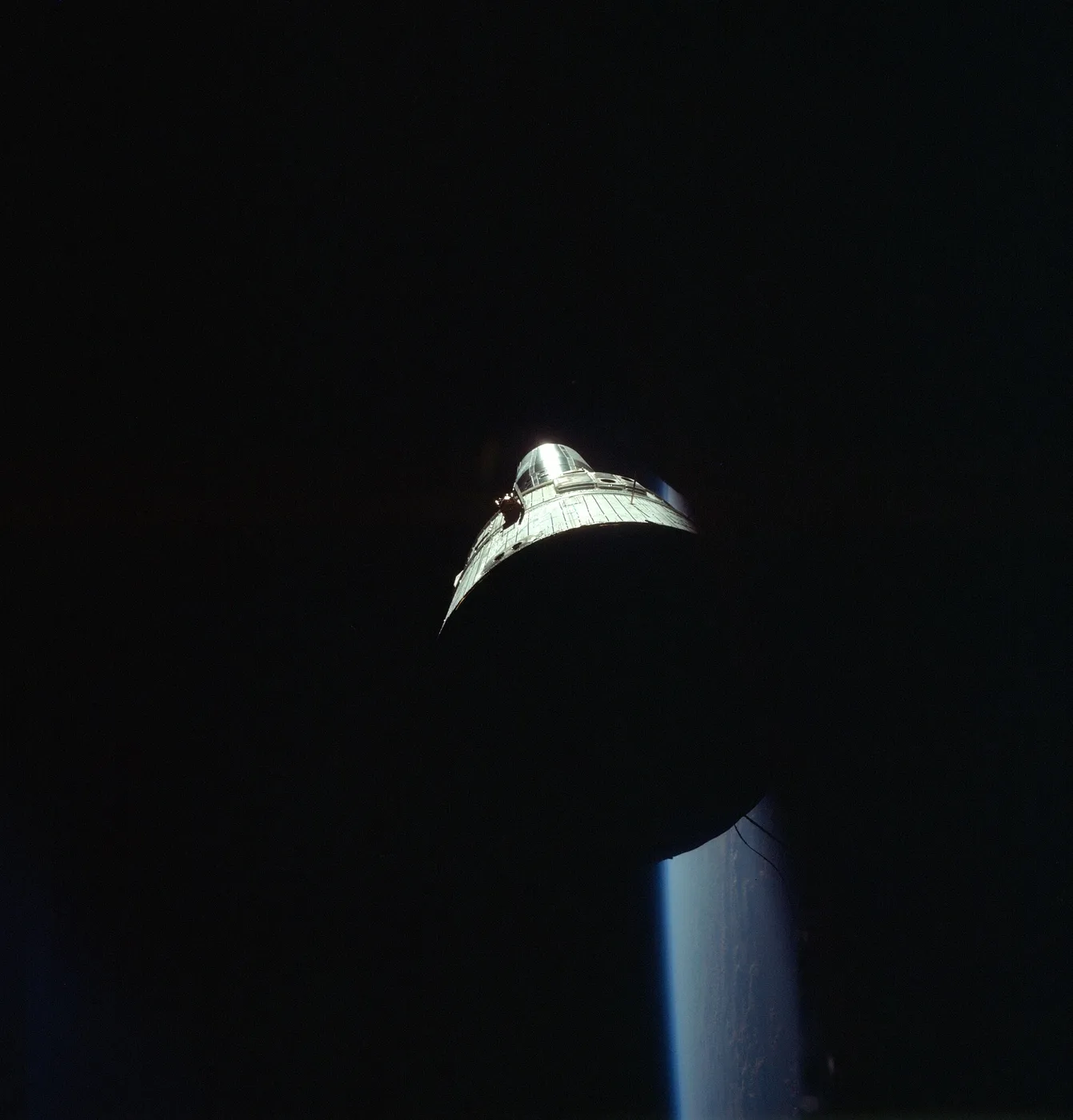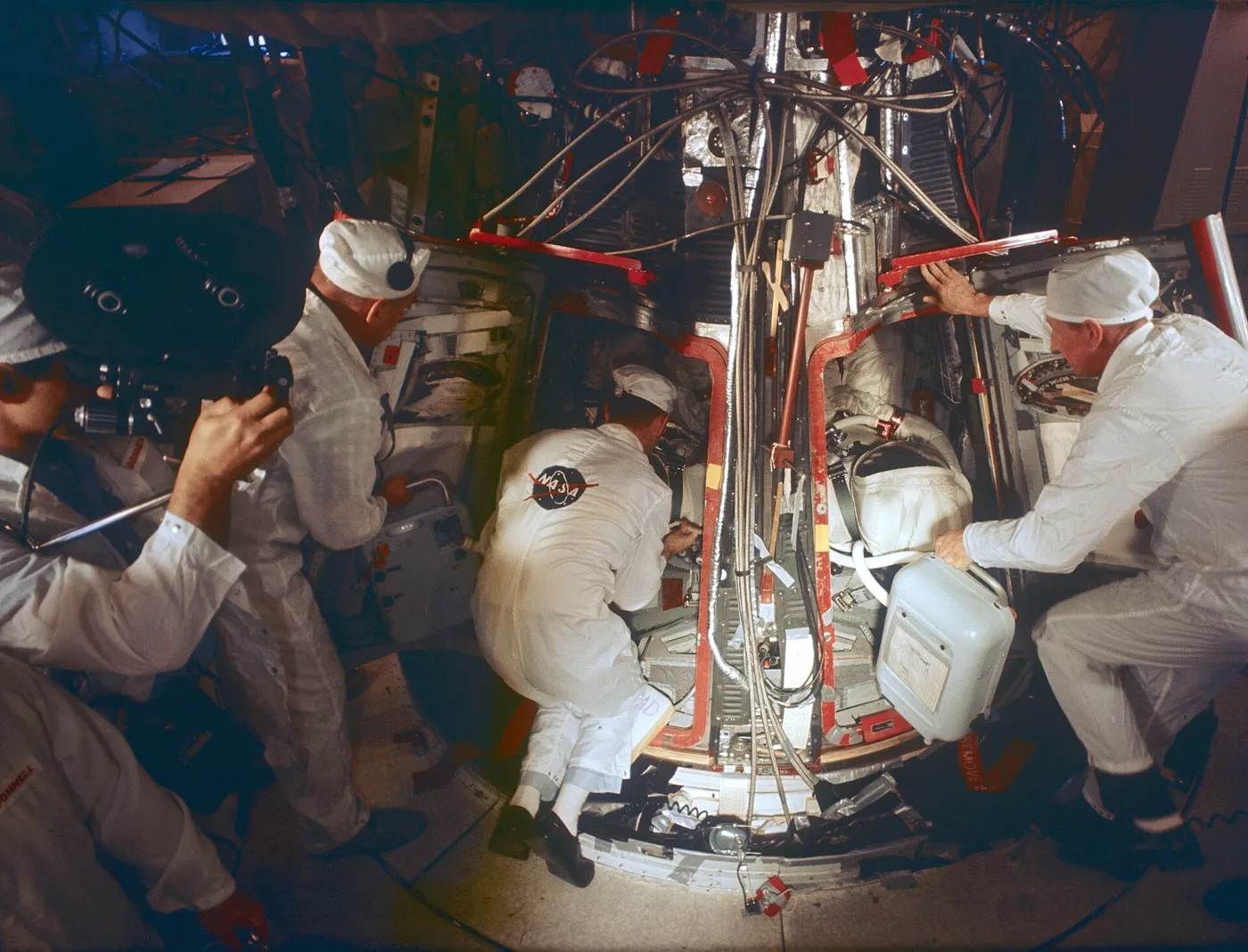
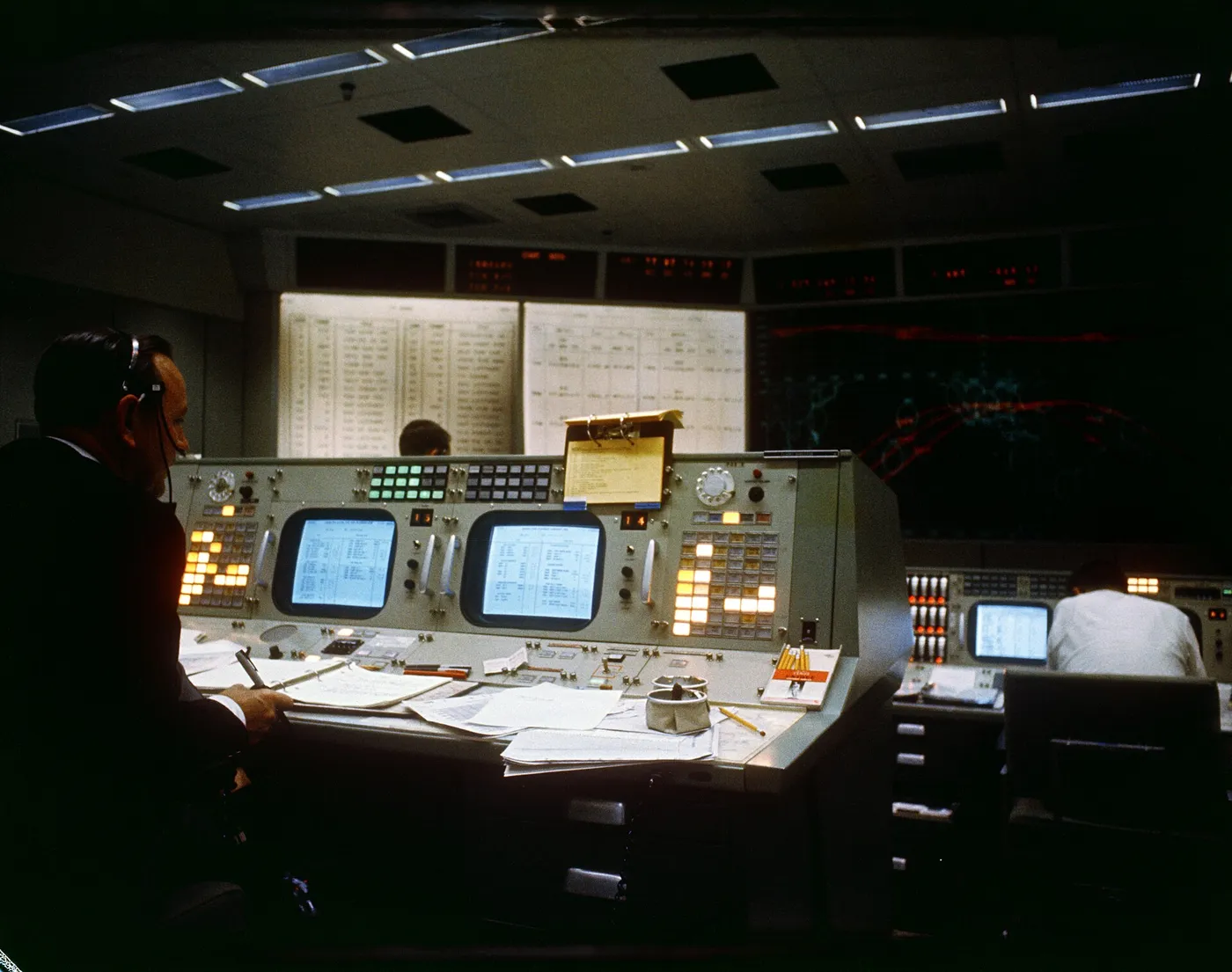

If Gemini 5 was long, Gemini 7 was punishing. Frank Borman and Jim Lovell launched on 4 December 1965 to spend fourteen days in orbit — longer than any Apollo mission would ever need — for the simple reason that doctors wanted to know what two weeks of weightlessness did to the human body. Nothing about it was glamorous, and both men knew it going in.
The cabin gave them roughly the space of the front of a small car, with no way to stand, stretch or wash. Borman, never one to romanticise, summed the flight up as a fortnight spent in a men's room. They flew in a new, lighter, softer suit and spent much of the mission arguing for permission to take it off — permission that came only in stages, and never for both men at once.
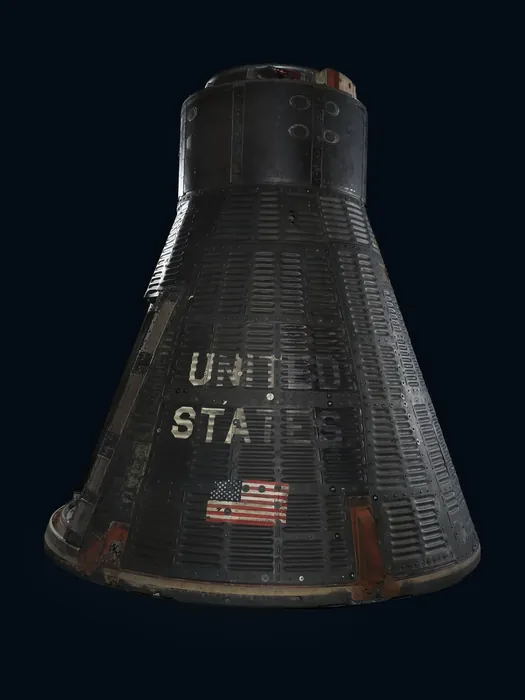
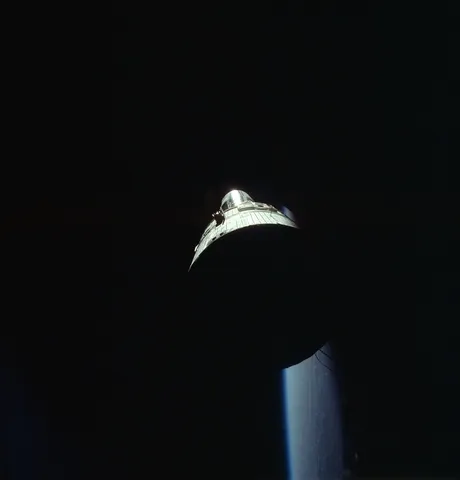
Then the mission acquired a second purpose. Gemini 6's Agena target had exploded on launch in October, leaving Wally Schirra and Tom Stafford with nothing to chase, so planners made the audacious decision to send them after Gemini 7 instead. Borman and Lovell — halfway through a marathon — became the target for the first rendezvous of two crewed spacecraft, holding formation while Gemini 6A closed to within a foot of them.
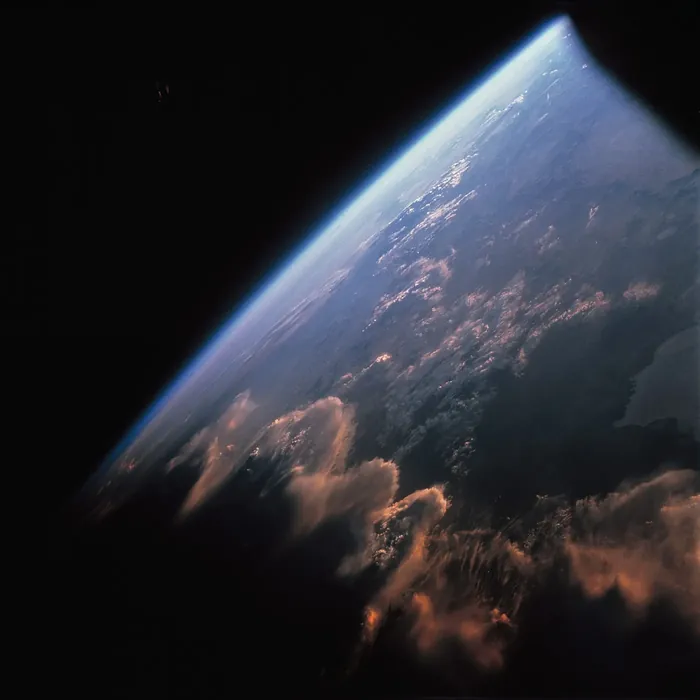
The rest was endurance. They worked through medical tests and experiments, watched the world turn beneath them more than two hundred times, and nursed a failing thruster and a mounting list of small irritations. The record they set stood until the Soviet Soyuz 9 flight in 1970, and the medical answer they brought home was the one Apollo needed: the body coped.
The two men proved compatible enough under those conditions that NASA put them together again for something far grander. Three years later Borman and Lovell flew Apollo 8, the first crew to leave Earth's gravity and circle the Moon — reading from Genesis on Christmas Eve to the largest television audience in history. Lovell would return to deep space on the near-fatal Apollo 13.