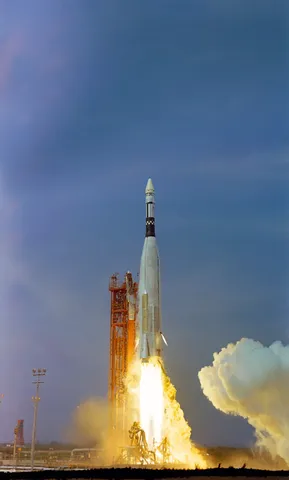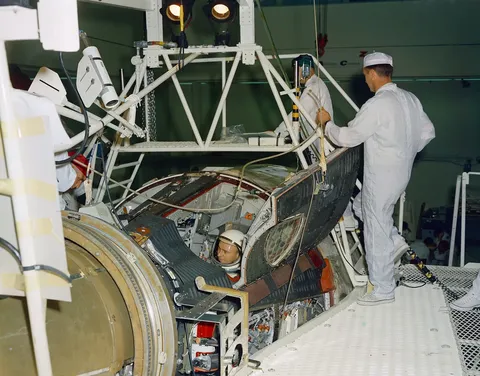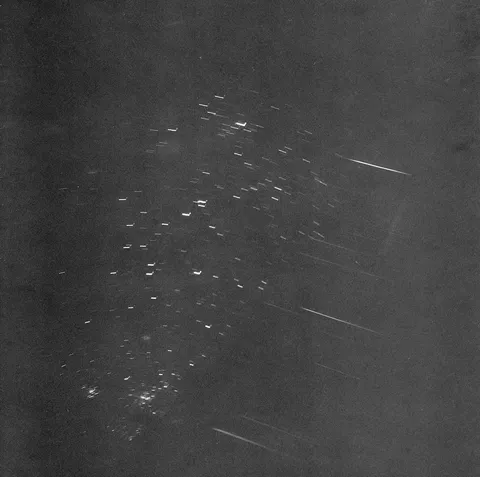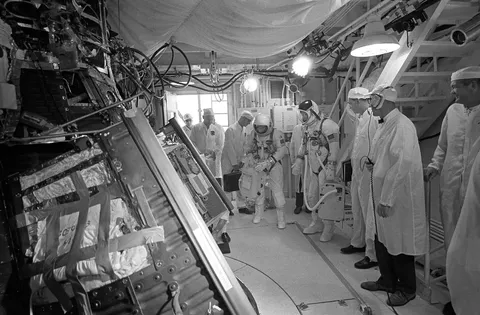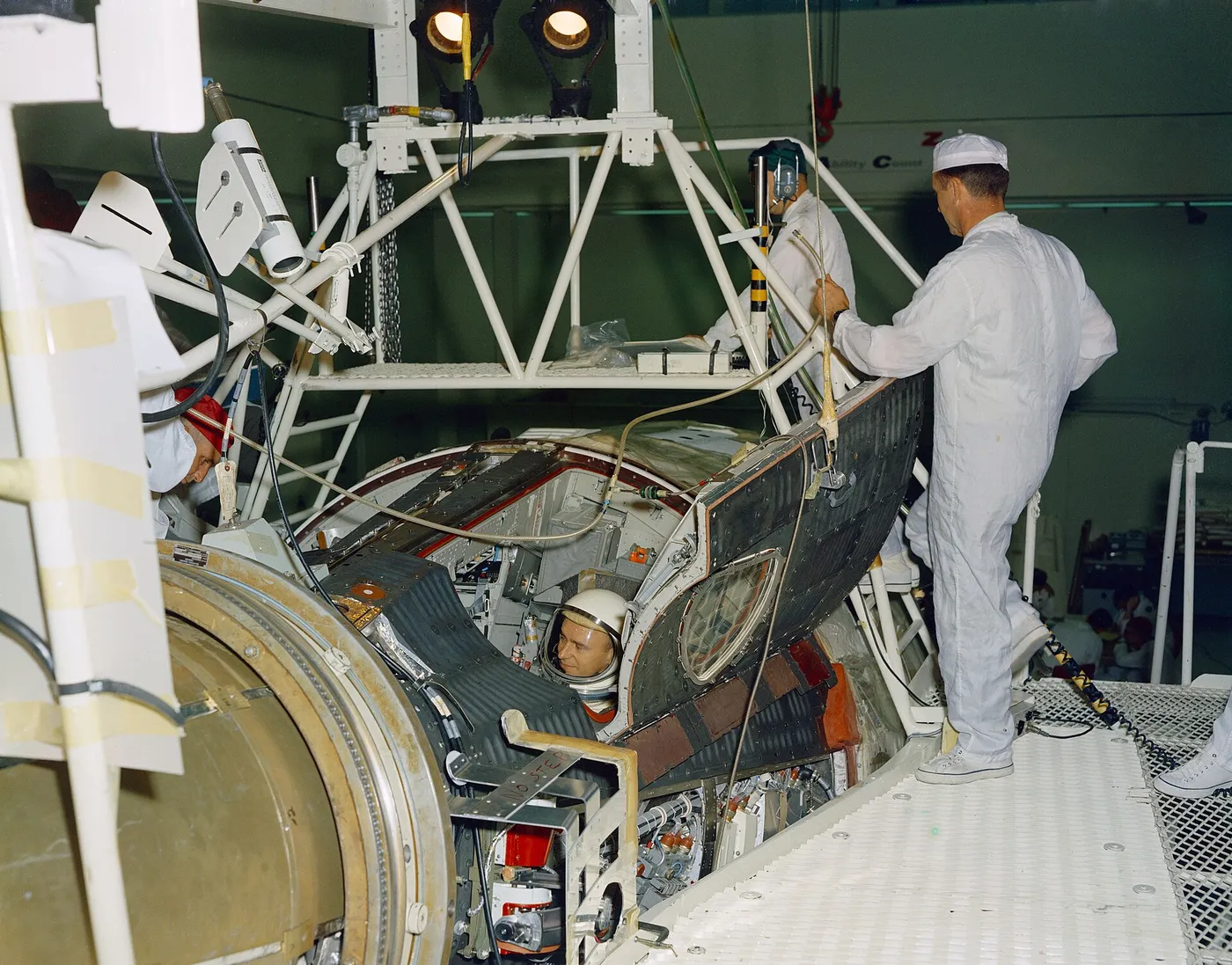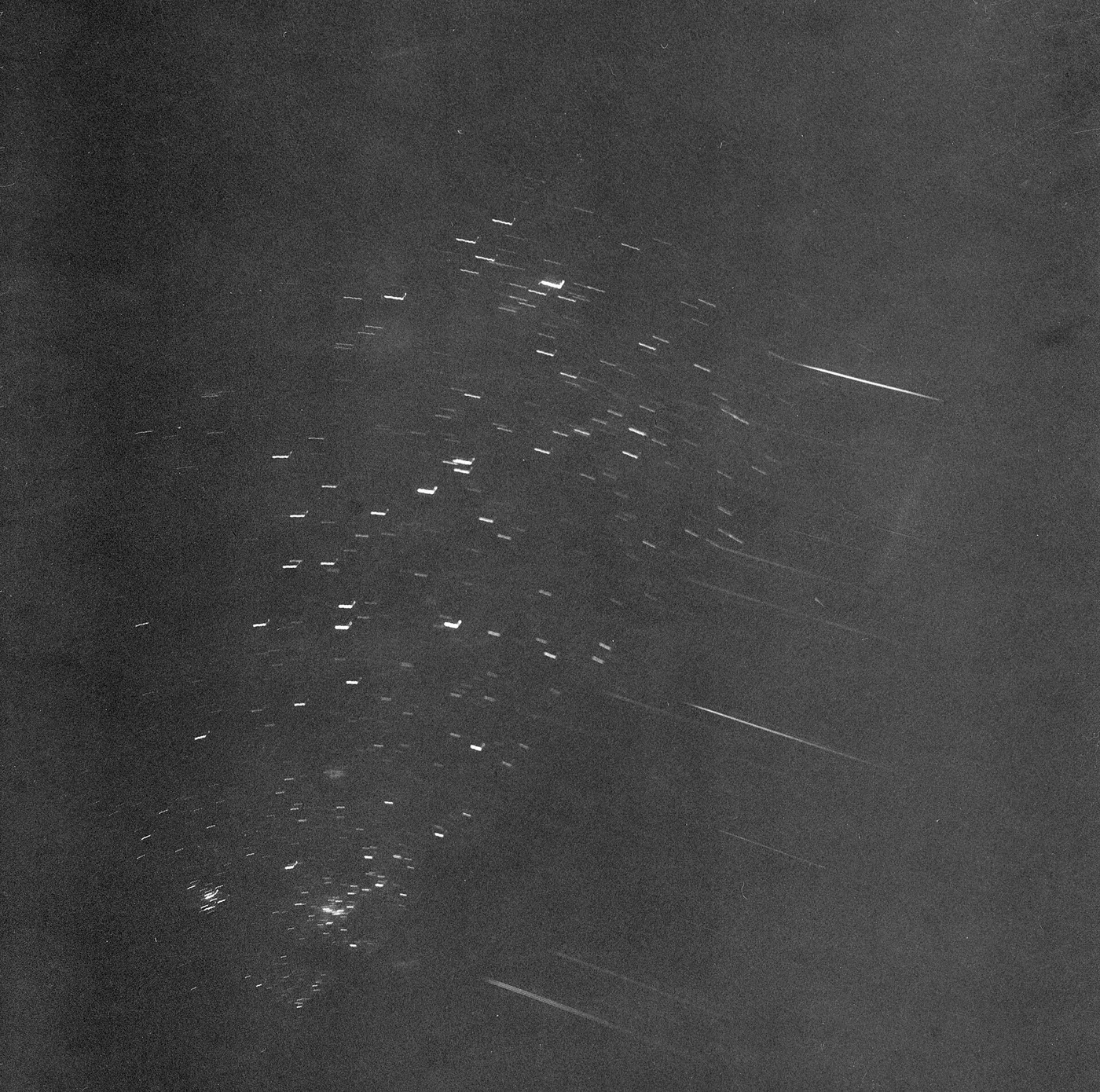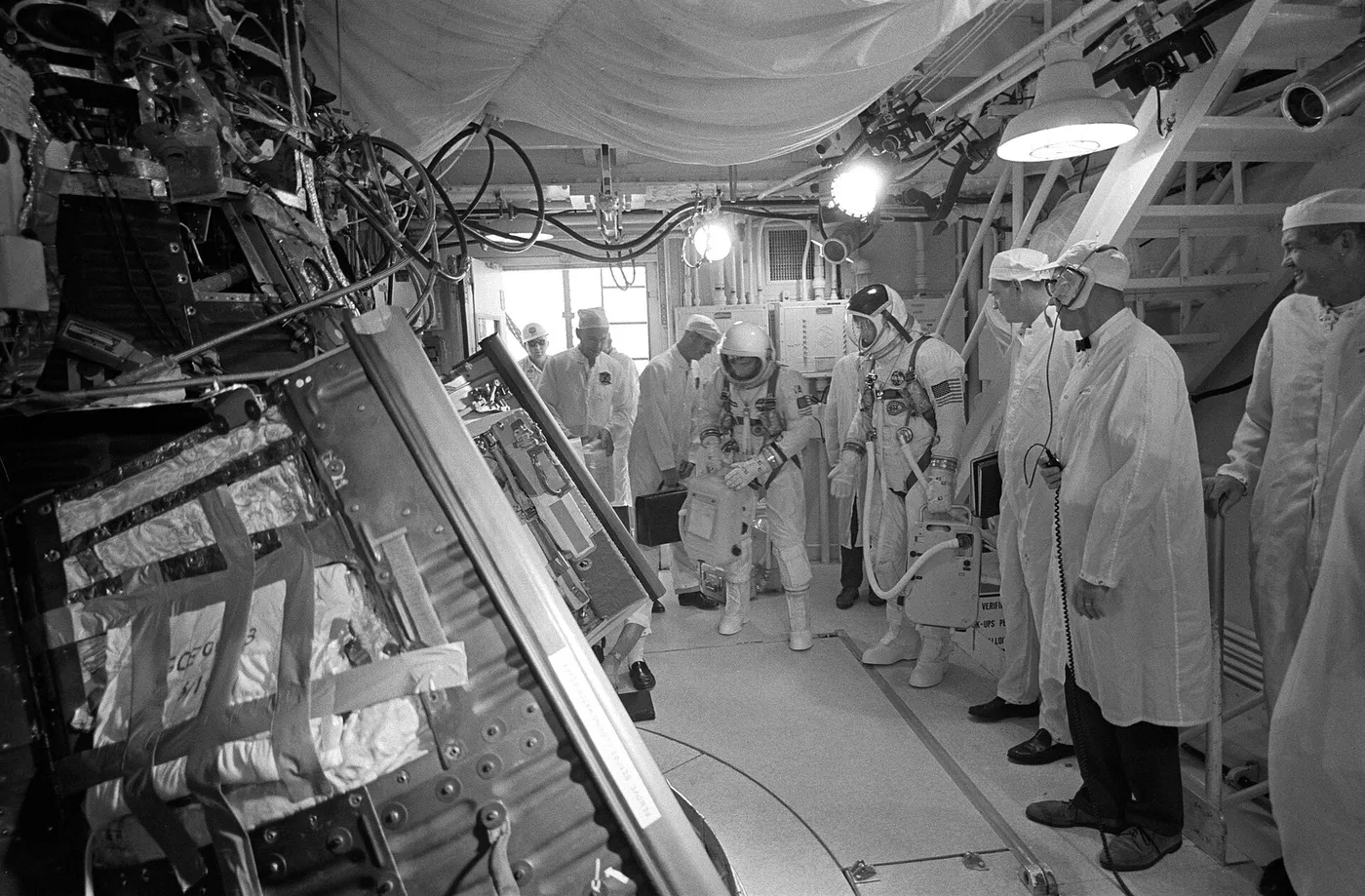
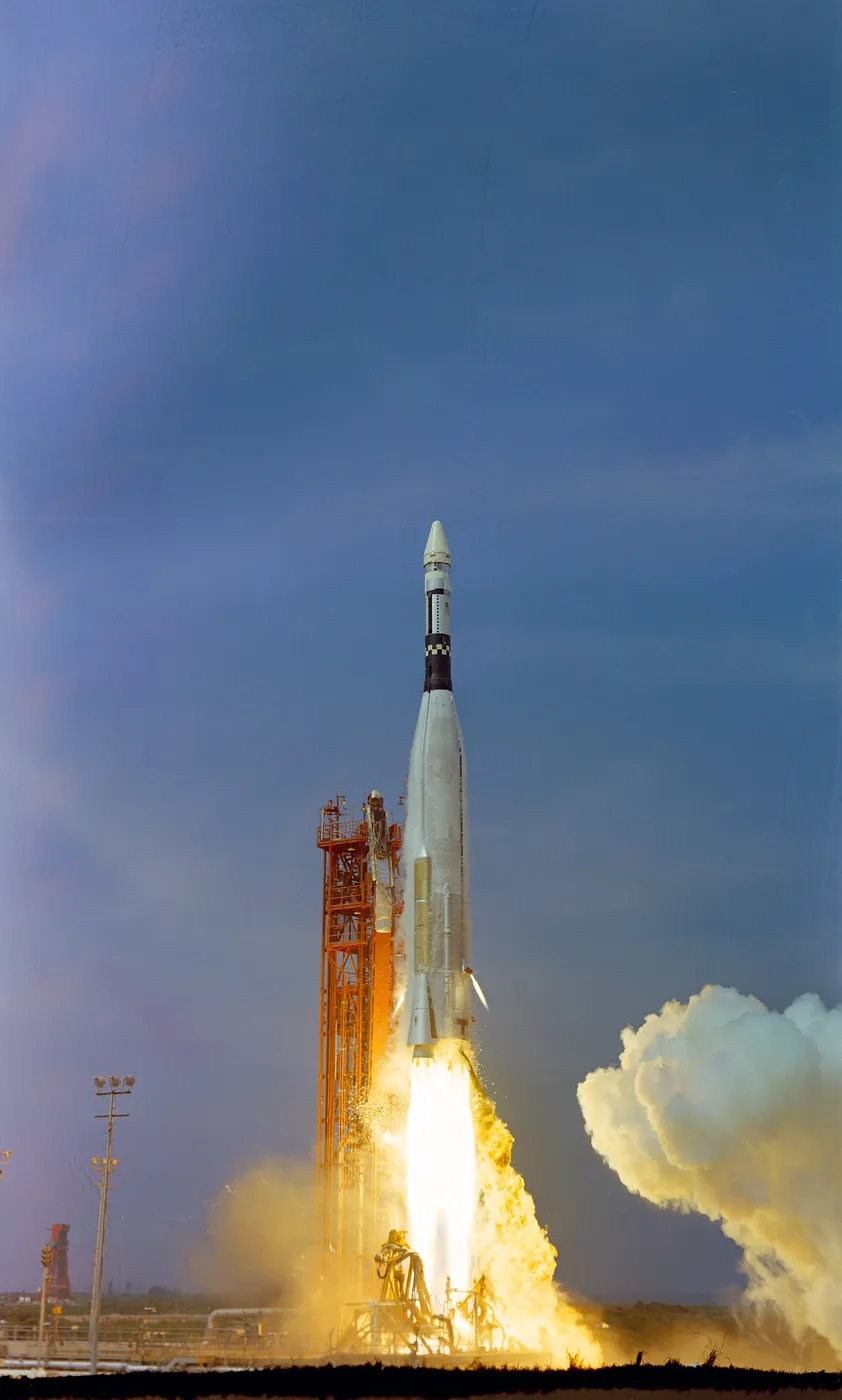
By the summer of 1966 the programme had docked once and been badly bruised by a spacewalk. Gemini 10, launched on 18 July with John Young and Michael Collins aboard, set out to do more in one flight than any mission before it: dock with a target, use that target's engine as a stage of its own, then go and find a second, long-dead spacecraft already adrift in orbit.
The docking went cleanly, and then came the trick that made the flight remarkable. Still joined to the Agena, the crew lit its powerful engine and let it haul them up to nearly 760 kilometres — higher than anyone had flown in Earth orbit at that point — before bringing them back down again. It was the first time astronauts had used another vehicle's propulsion as their own, exactly as a lunar mission would.
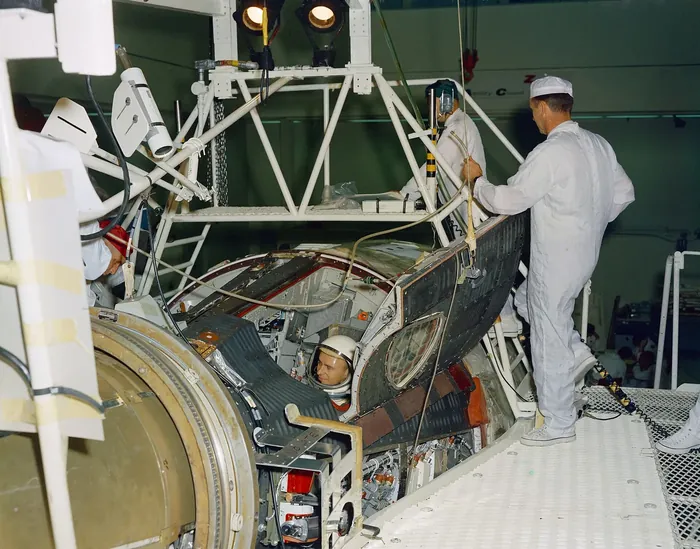
Their second quarry was the derelict Agena that Armstrong and Scott had docked with four months earlier, now dead, unlit and impossible to track by radar. Young flew the approach by eye and by arithmetic from the ground, and brought Gemini 10 alongside — the first time one crew had rendezvoused with two separate targets in a single mission.
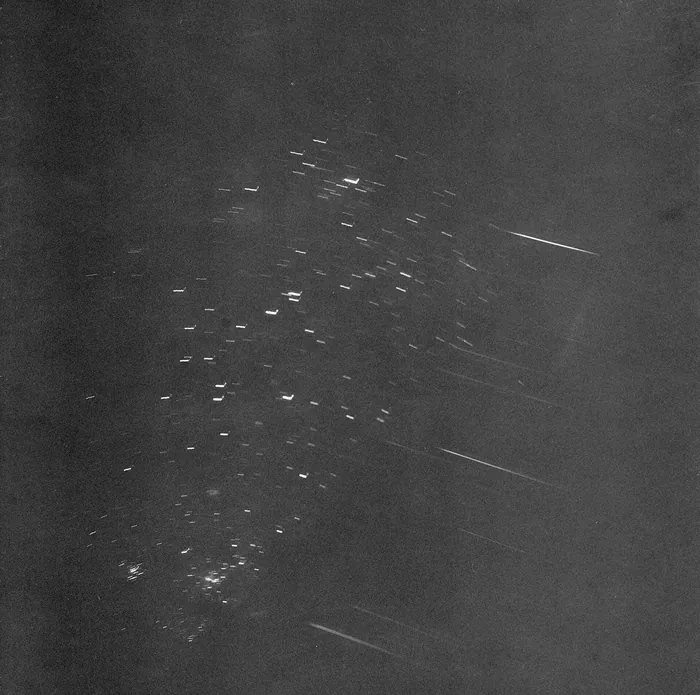
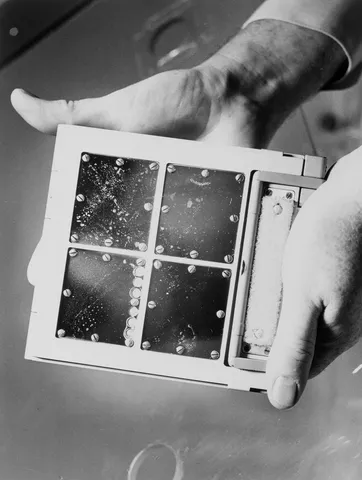
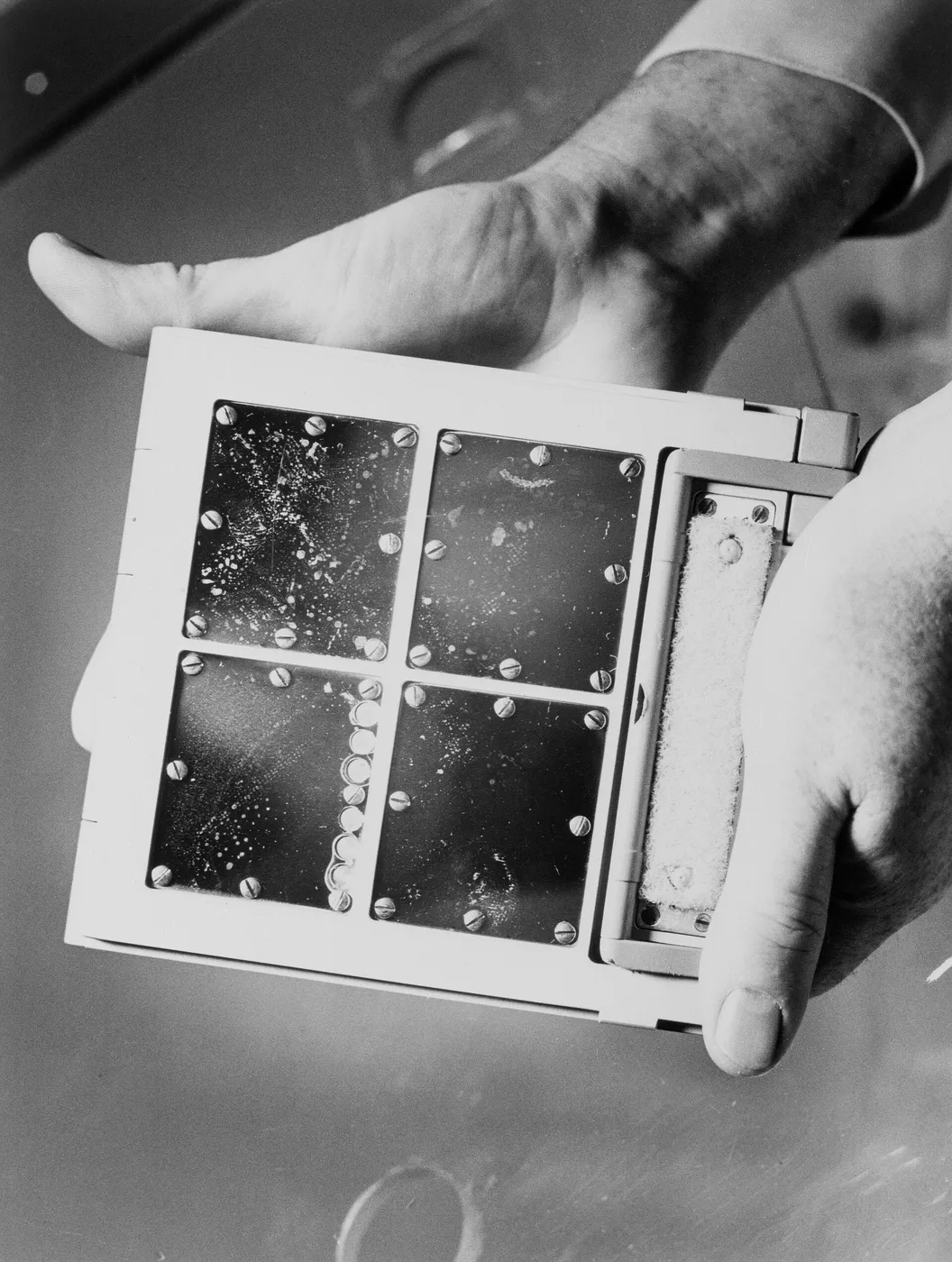
Collins then opened the hatch and floated across to it. Reaching the dead spacecraft, he prised loose a panel that had been exposed to space for months to see what micrometeorites had done to it, becoming the first person to travel to another vehicle in orbit and bring something back. In the scramble his camera drifted away, taking his pictures of the encounter with it.
The double rendezvous cost fuel at an alarming rate and the crew came home after three days with reserves running low, but the mission had shown that Gemini could improvise. Both men went on to Apollo — Young to walk on the Moon, and Collins to fly the command module alone around its far side while Armstrong and Aldrin landed.