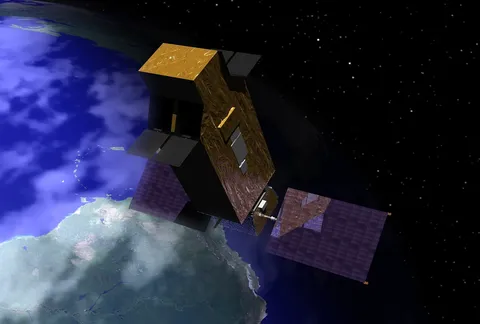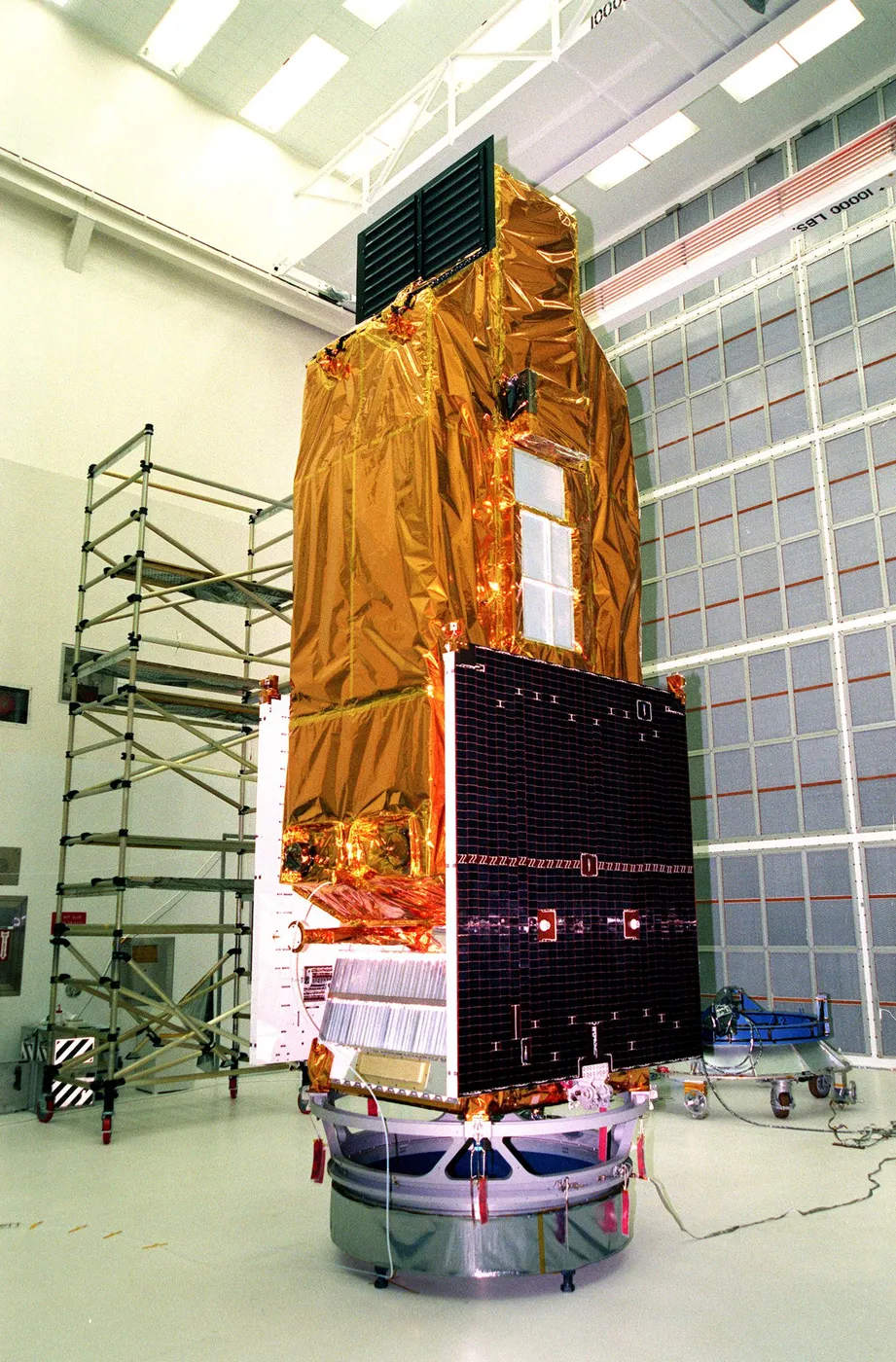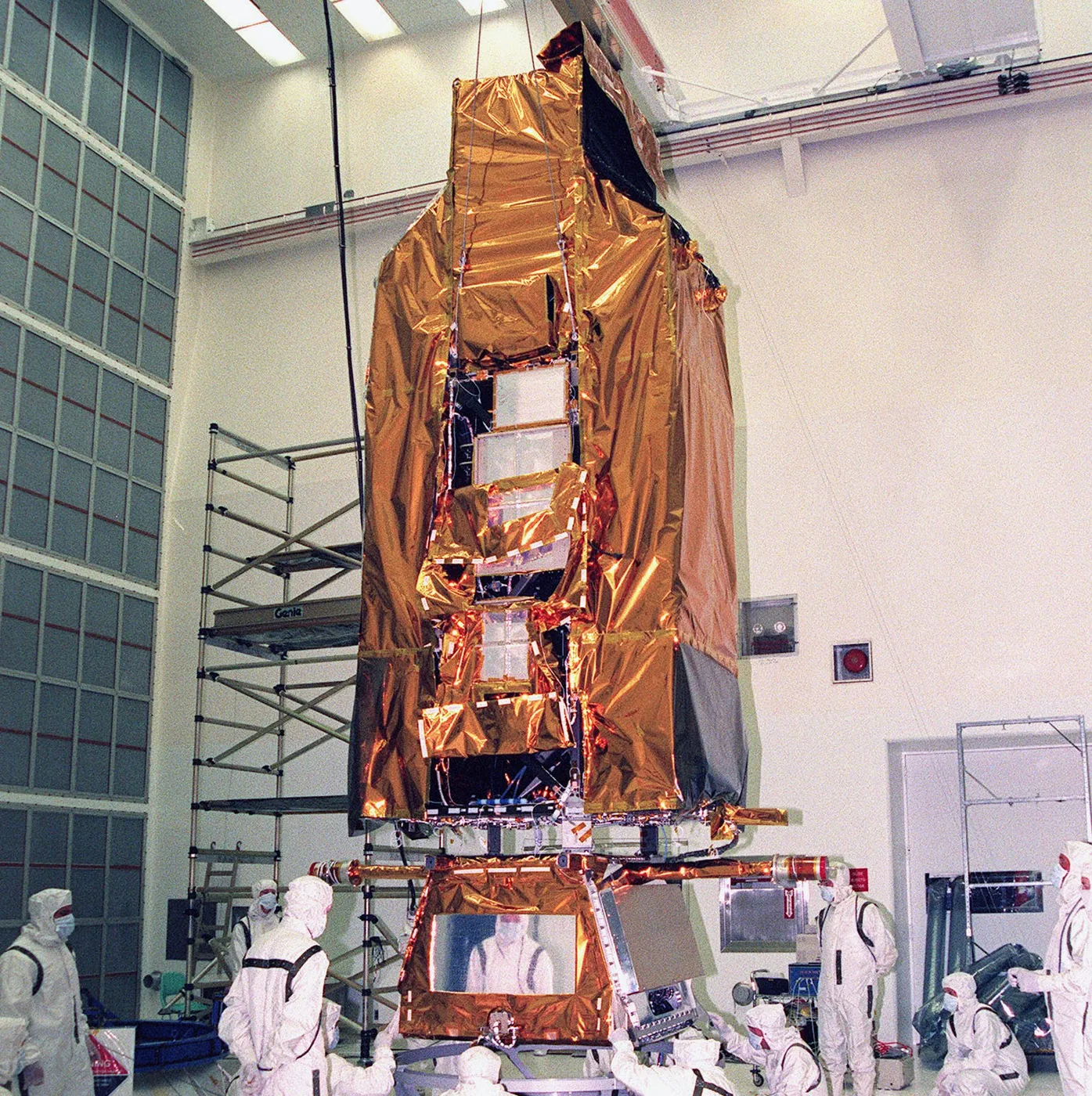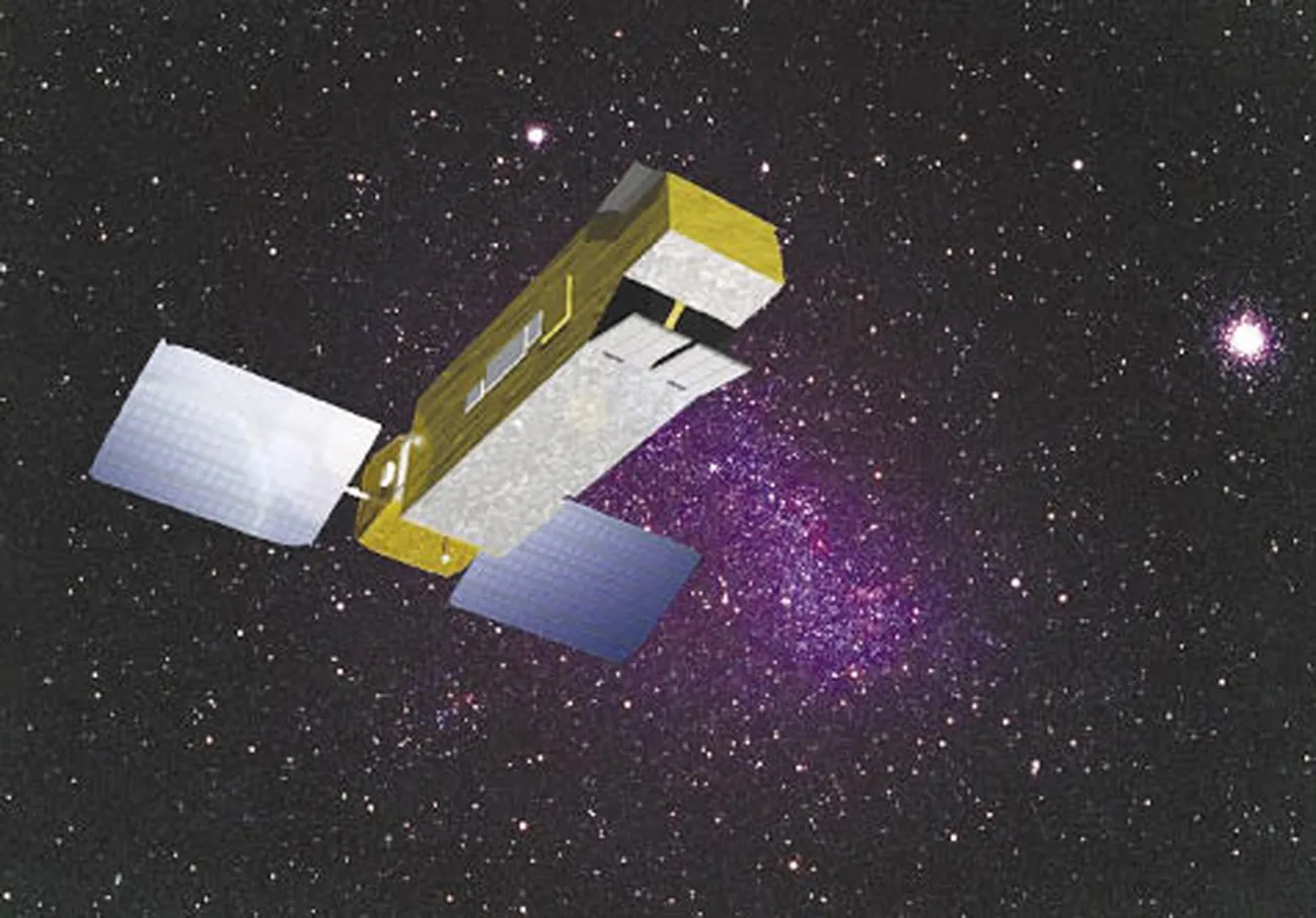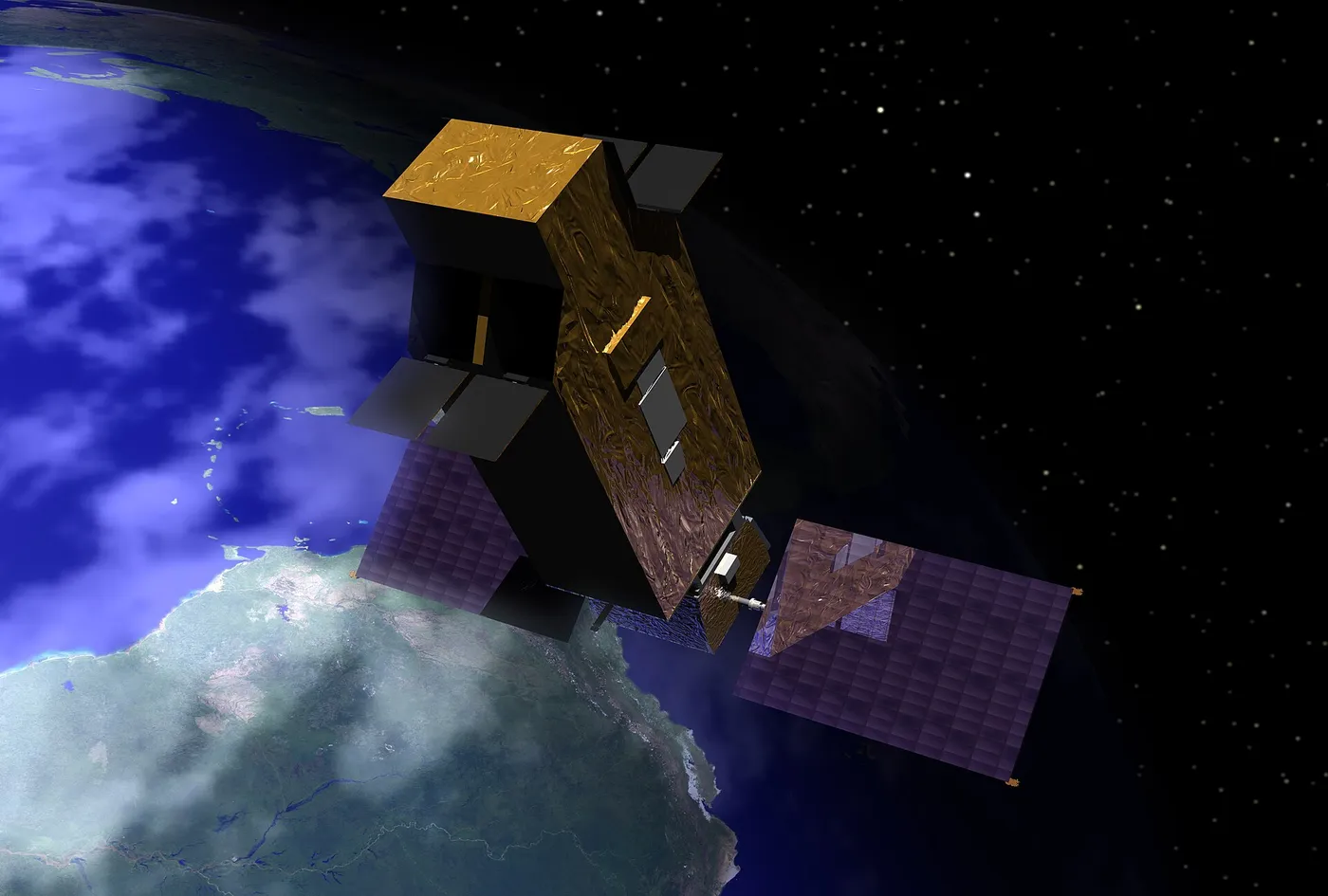
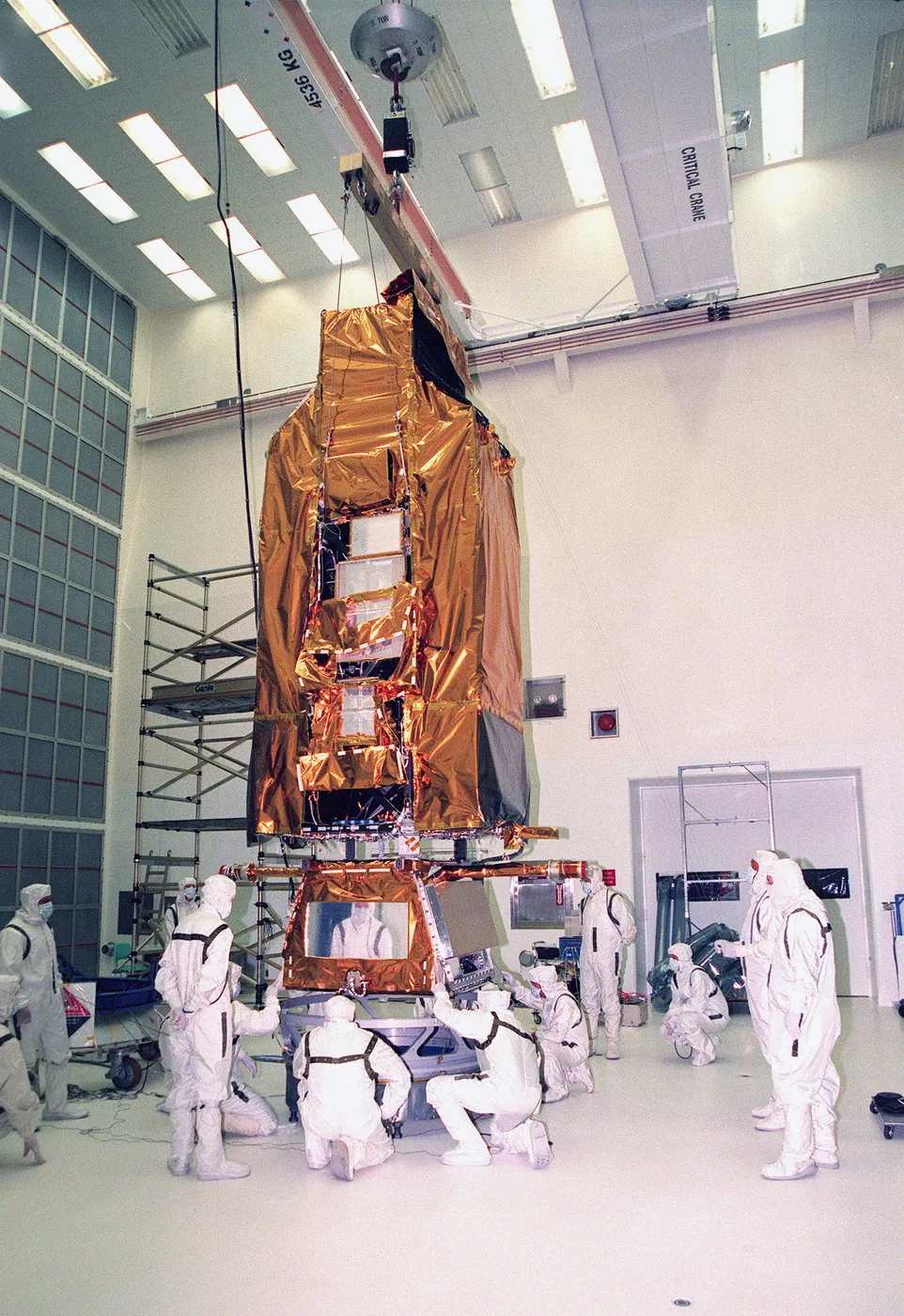

FUSE observed the far ultraviolet, a narrow band around 100 nanometres that is blocked by the atmosphere and largely inaccessible even to Hubble — but which contains the spectral lines of deuterium, molecular hydrogen and highly ionised oxygen, each of which answers a specific cosmological or galactic question.
Deuterium was the headline. Its abundance is fixed by conditions in the first few minutes after the Big Bang and is destroyed but never created by stars, so measuring it constrains the density of ordinary matter in the universe — a number that must agree with what the cosmic microwave background independently implies, and does.
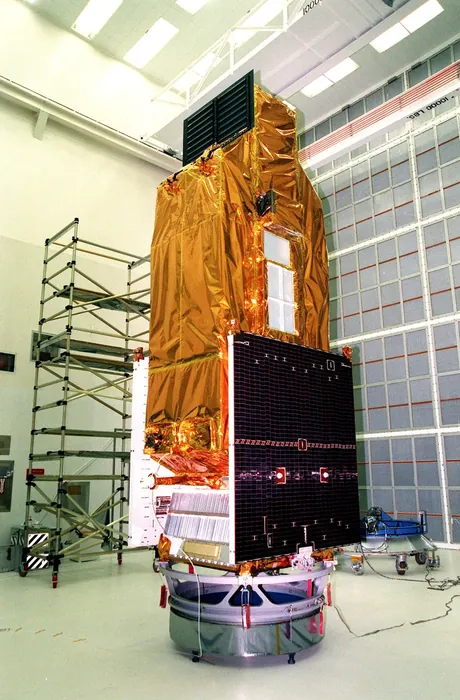
It also mapped hot gas in the halo of our own galaxy, revealing a reservoir of million-degree material extending far beyond the visible disk, and traced the same gas in the space between galaxies where a substantial fraction of ordinary matter appears to hide.
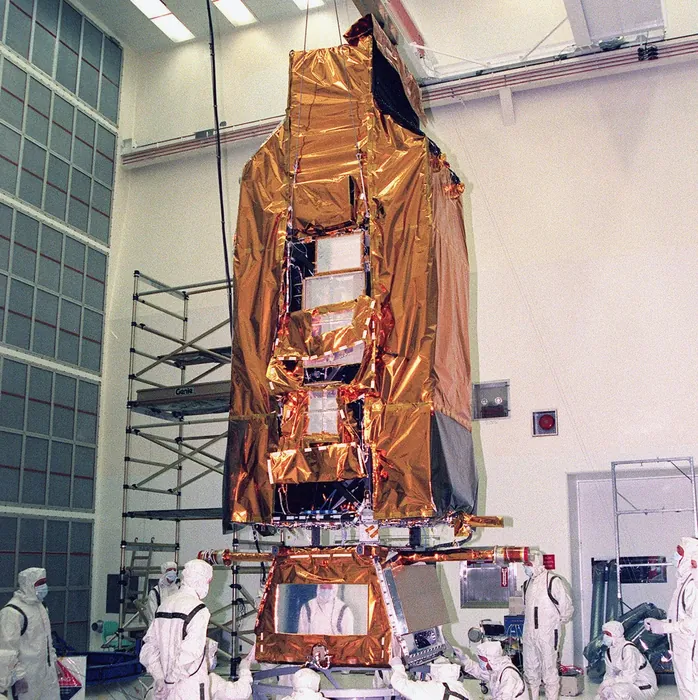
Its later years were a masterclass in improvisation. Three of its four reaction wheels failed, and engineers devised a method of pointing the telescope using magnetic torquers working against the Earth's field — slower and more constrained, but enough to keep observing for several additional years.
The fourth wheel failed in 2007 and the mission ended. A joint project with Canada and France operated from a university rather than a NASA centre, it demonstrated that a mid-sized, single-purpose telescope could produce results a general-purpose observatory would never have had time for.