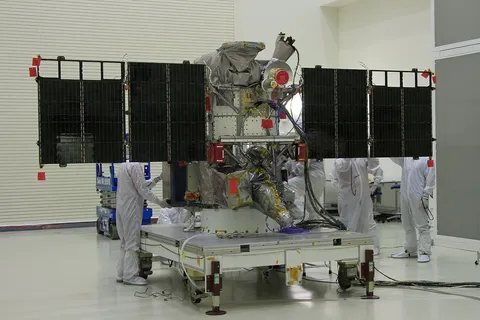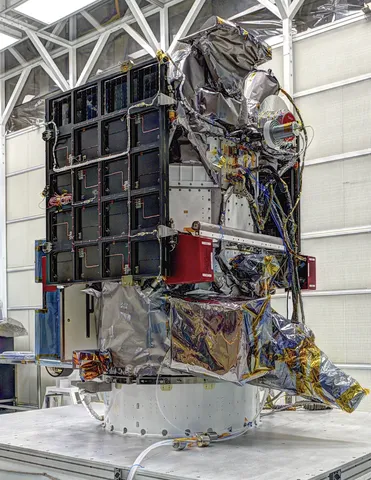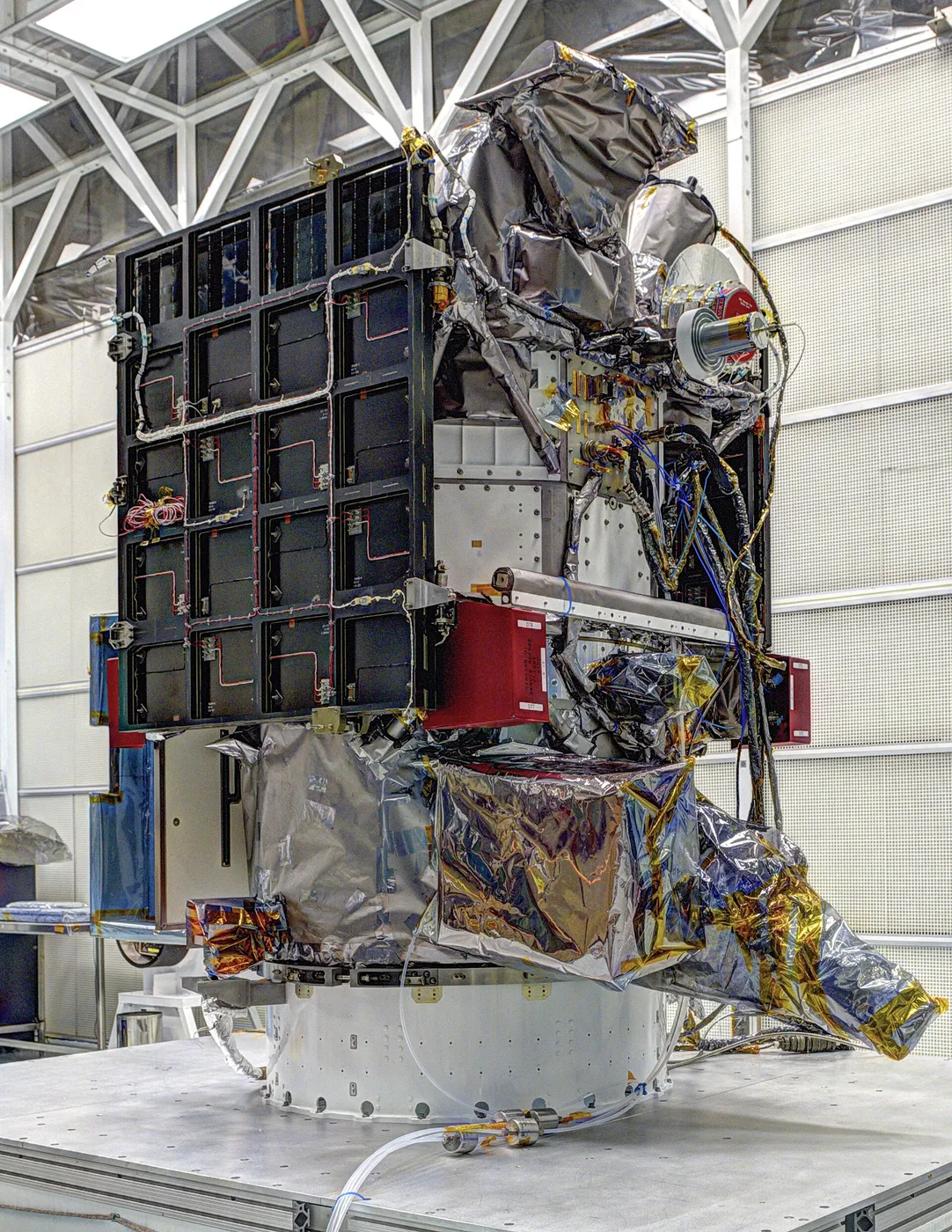
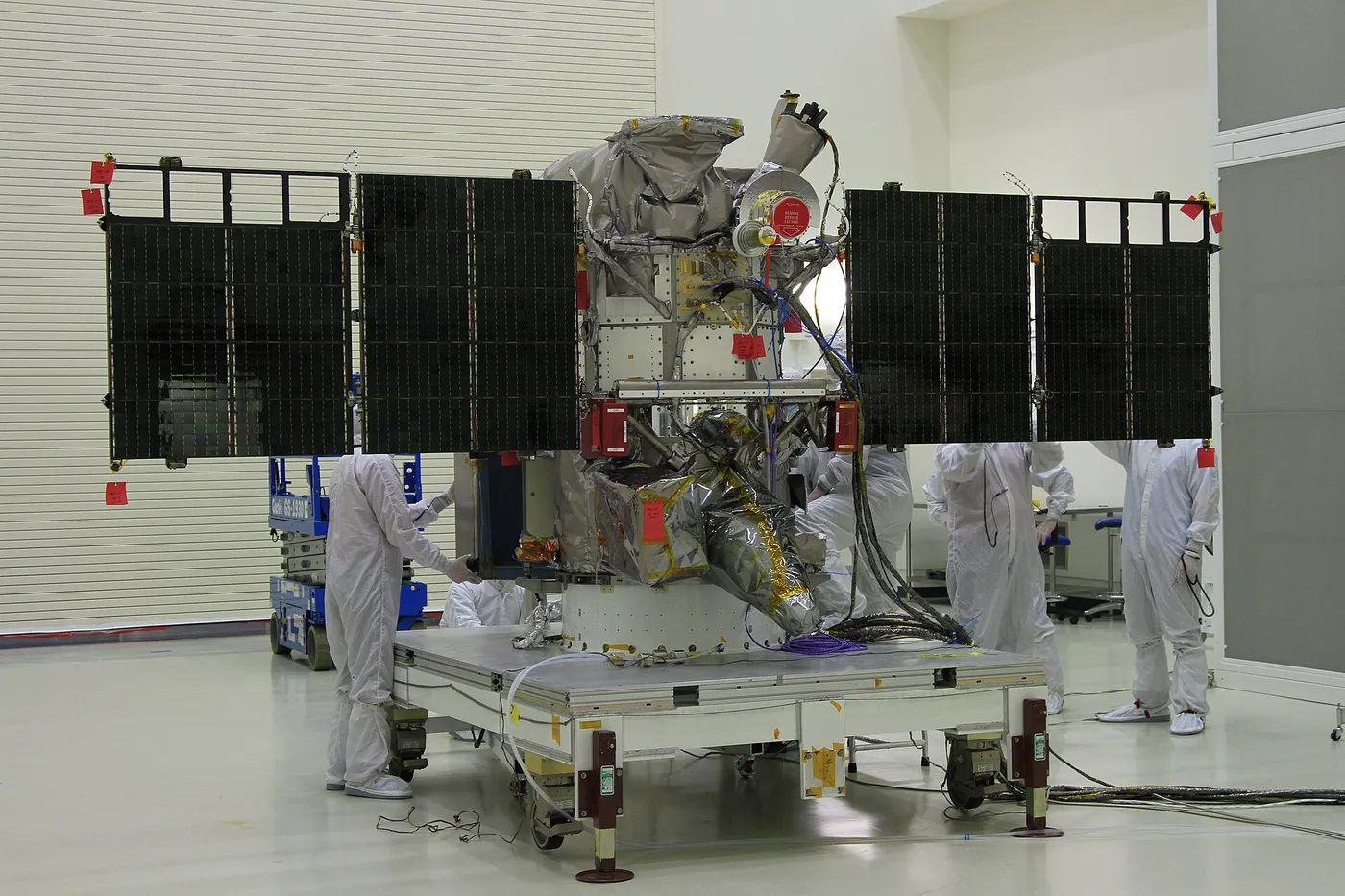

DSCOVR spent thirteen years in a warehouse. Proposed in 1998 as Triana, on a suggestion by Vice President Al Gore that a camera at the Lagrange point could broadcast a continuous live image of the whole Earth, it was built, completed, and then cancelled amid political objections that dismissed it as a vanity project.
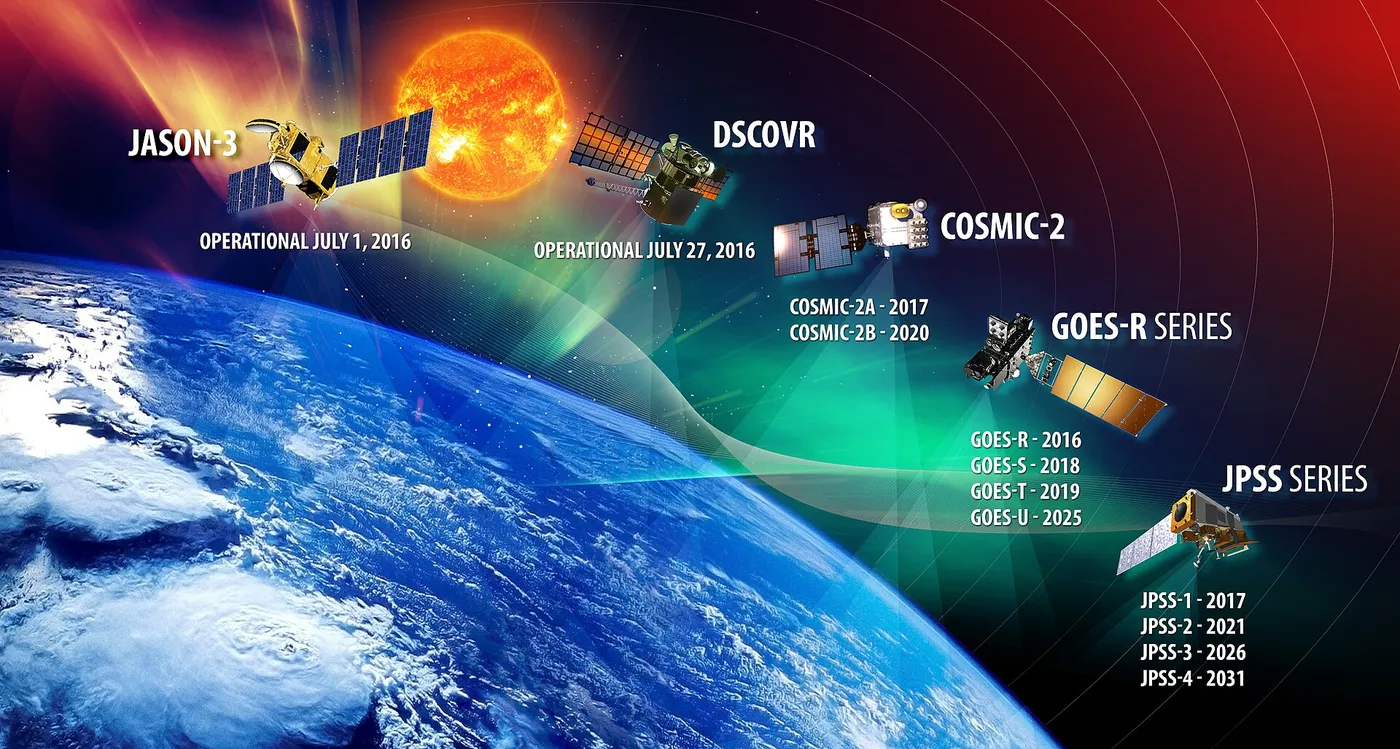
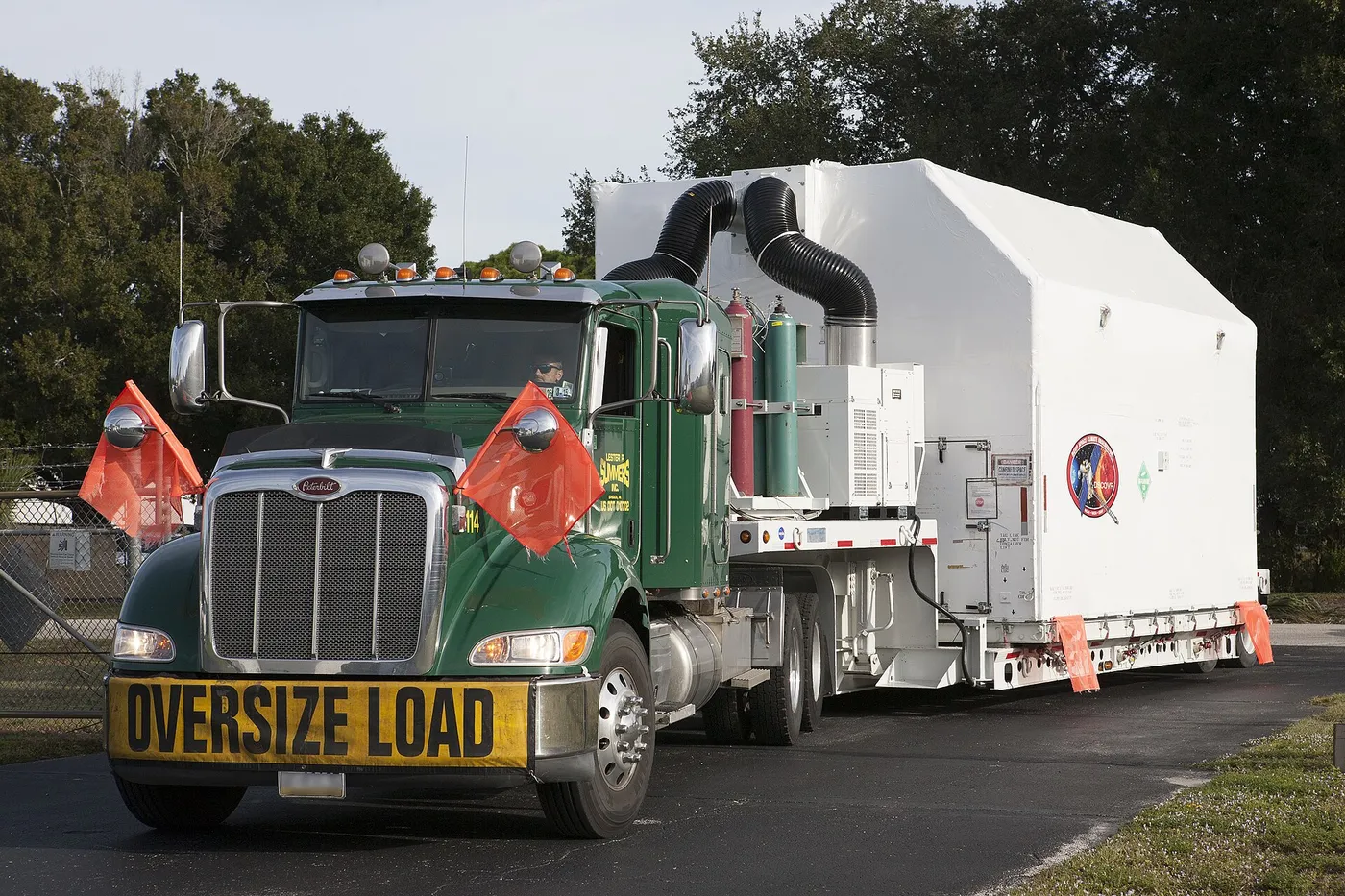
It was placed in storage in 2001 and periodically maintained while advocates argued for its revival. It was eventually launched in 2015, not for the Earth camera but because the space weather monitors at the Lagrange point were ageing and no replacement had been funded — DSCOVR already existed and could carry the necessary instruments.
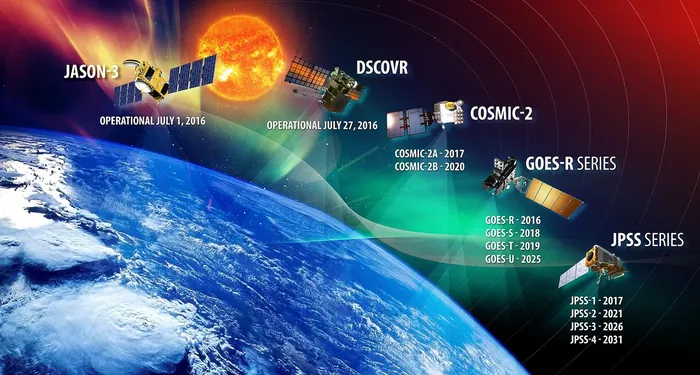
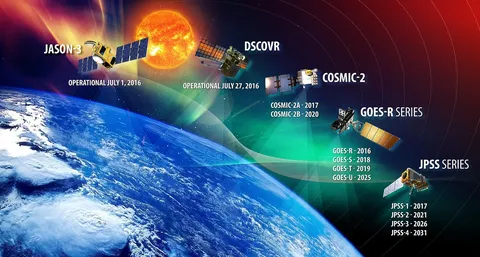
In that role it is now the primary operational source of solar wind data for the American space weather service, providing the roughly hour-long warning of incoming disturbances on which grid and satellite operators depend. It replaced ACE as the operational monitor, with ACE continuing as backup.
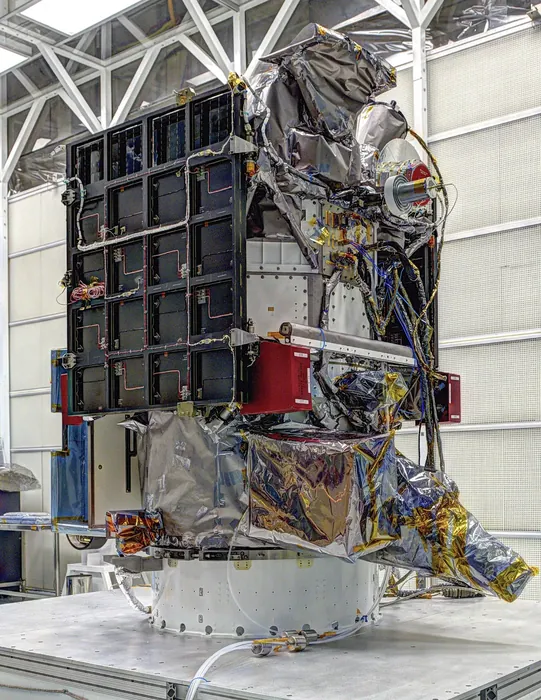
The camera flew too. EPIC returns full-disc images of the sunlit Earth roughly every two hours, from a vantage point where the planet is always fully illuminated — a view no other spacecraft provides. The images are published daily and have proved genuinely useful for measuring ozone, aerosols, cloud height and vegetation.
It has also captured the Moon crossing the face of the Earth several times, showing the far side illuminated against the planet — the sort of image that justifies a camera nobody wanted to fund, and which reaches audiences that no data product ever will.