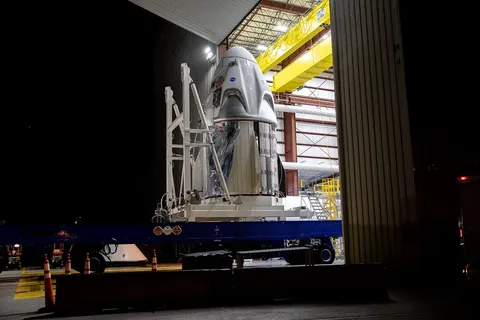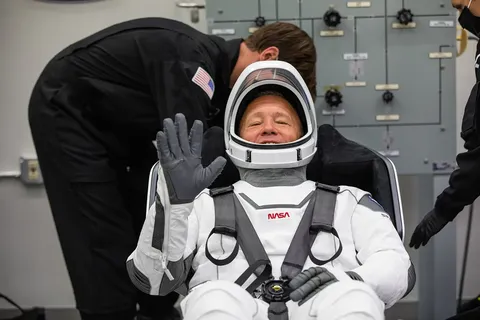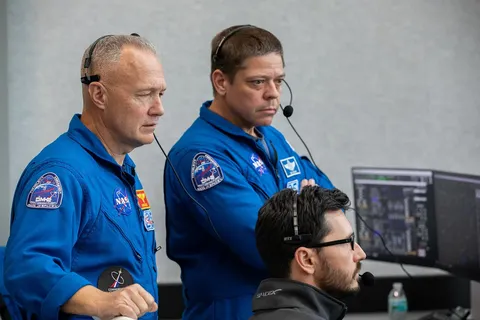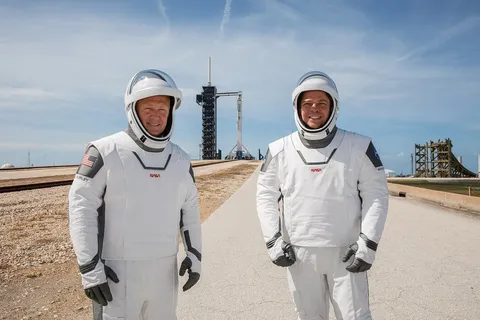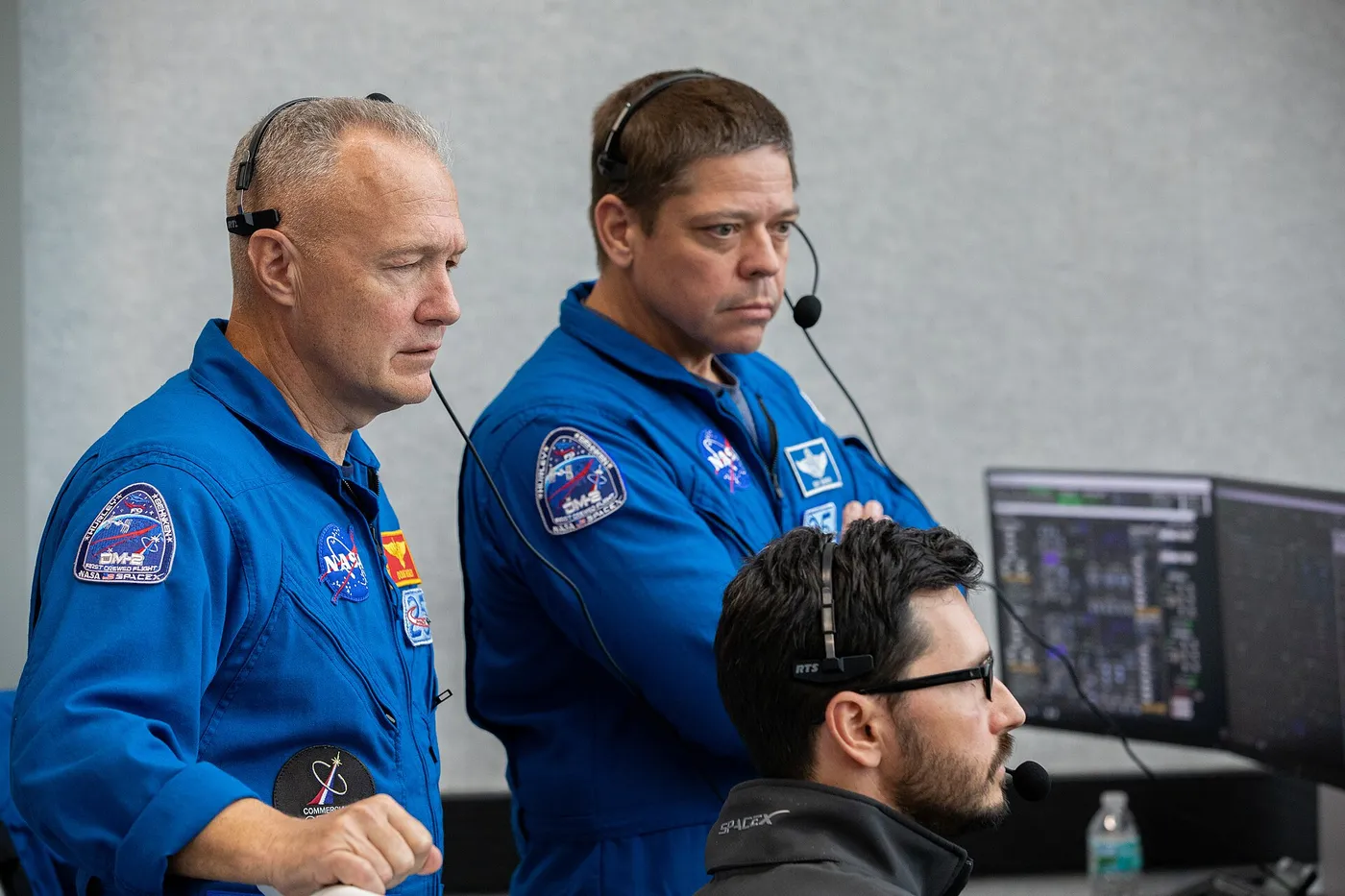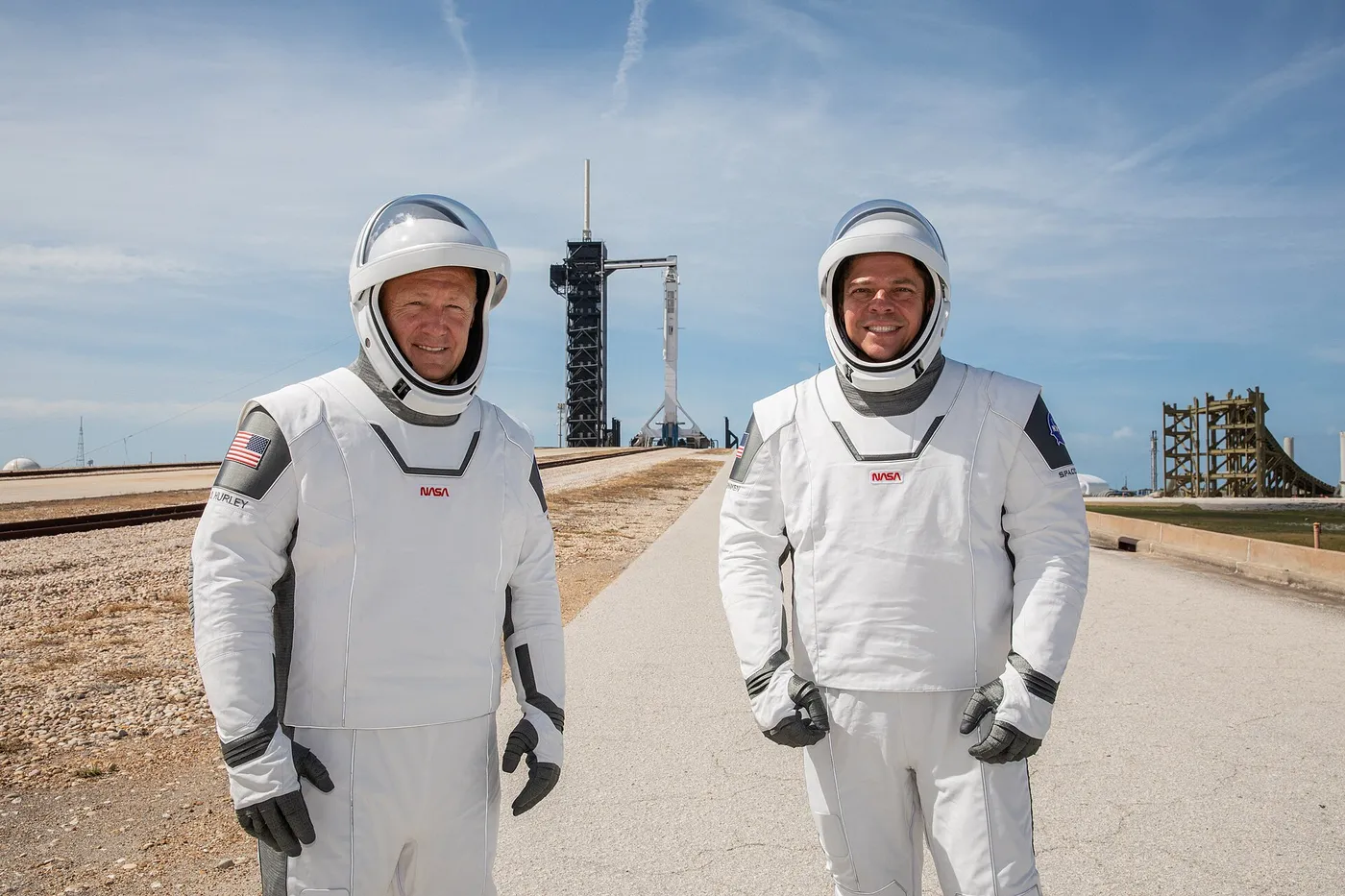
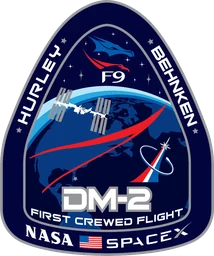
On 30 May 2020 Bob Behnken and Doug Hurley lifted off from Pad 39A — the same pad that launched Apollo 11 — and ended nine years in which the United States had no way to launch its own astronauts. Since the Shuttle's retirement in 2011, every American had reached orbit in a Russian Soyuz.
It was also the first time a private company had flown humans to orbit. The Commercial Crew model had been contested for a decade — critics argued that safety could not be delegated to a fixed-price contractor — and this flight was its proof, conducted under a NASA certification process rather than as a private venture.
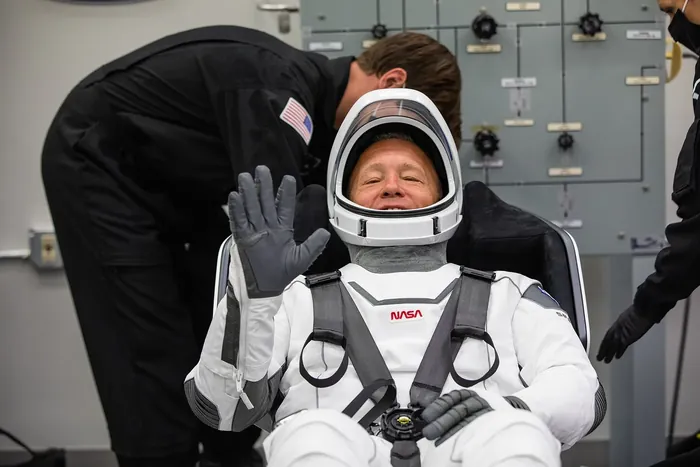
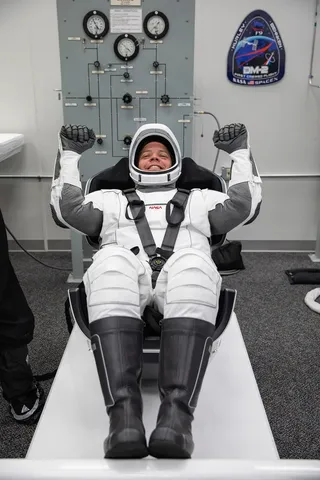
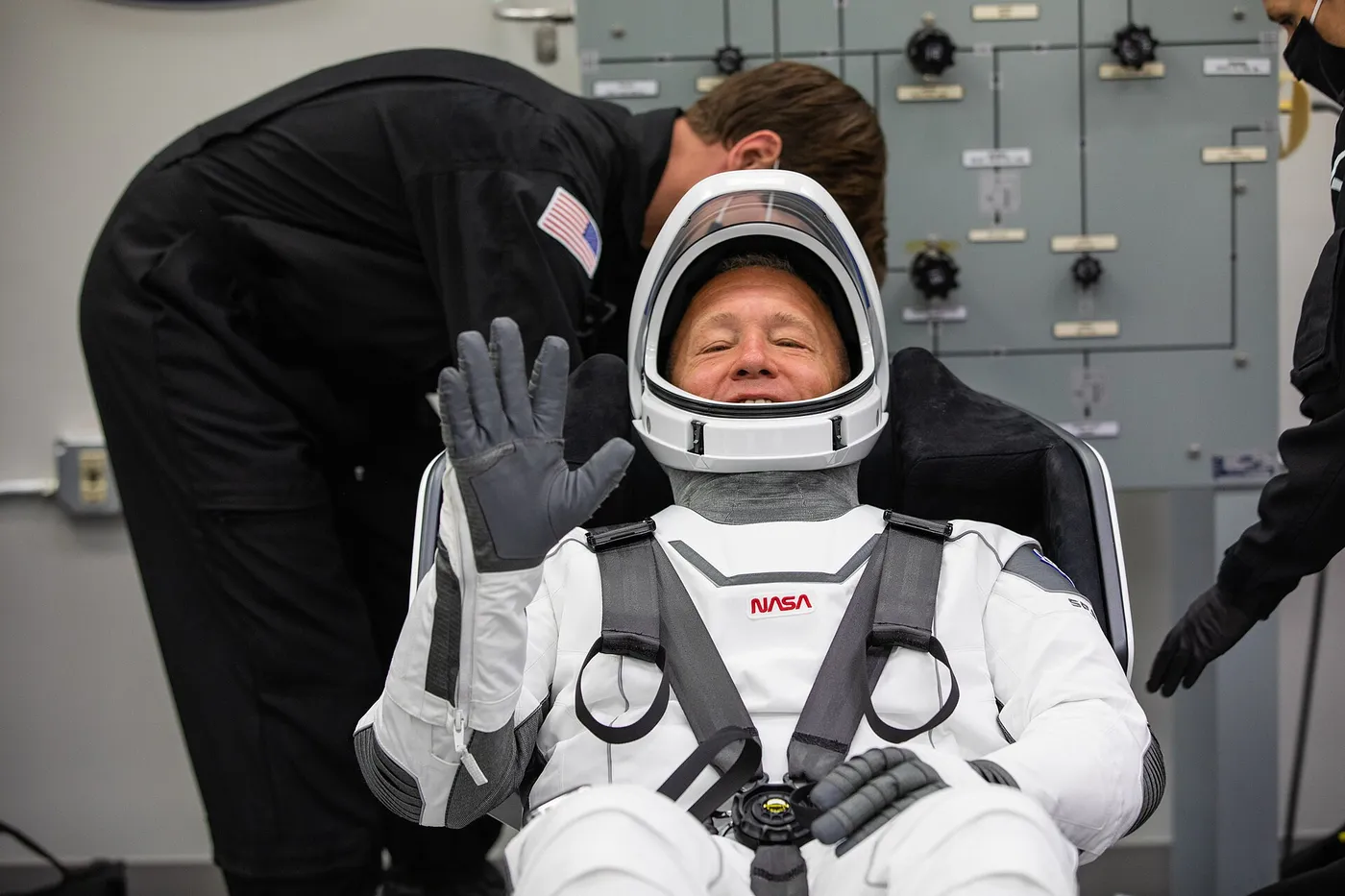
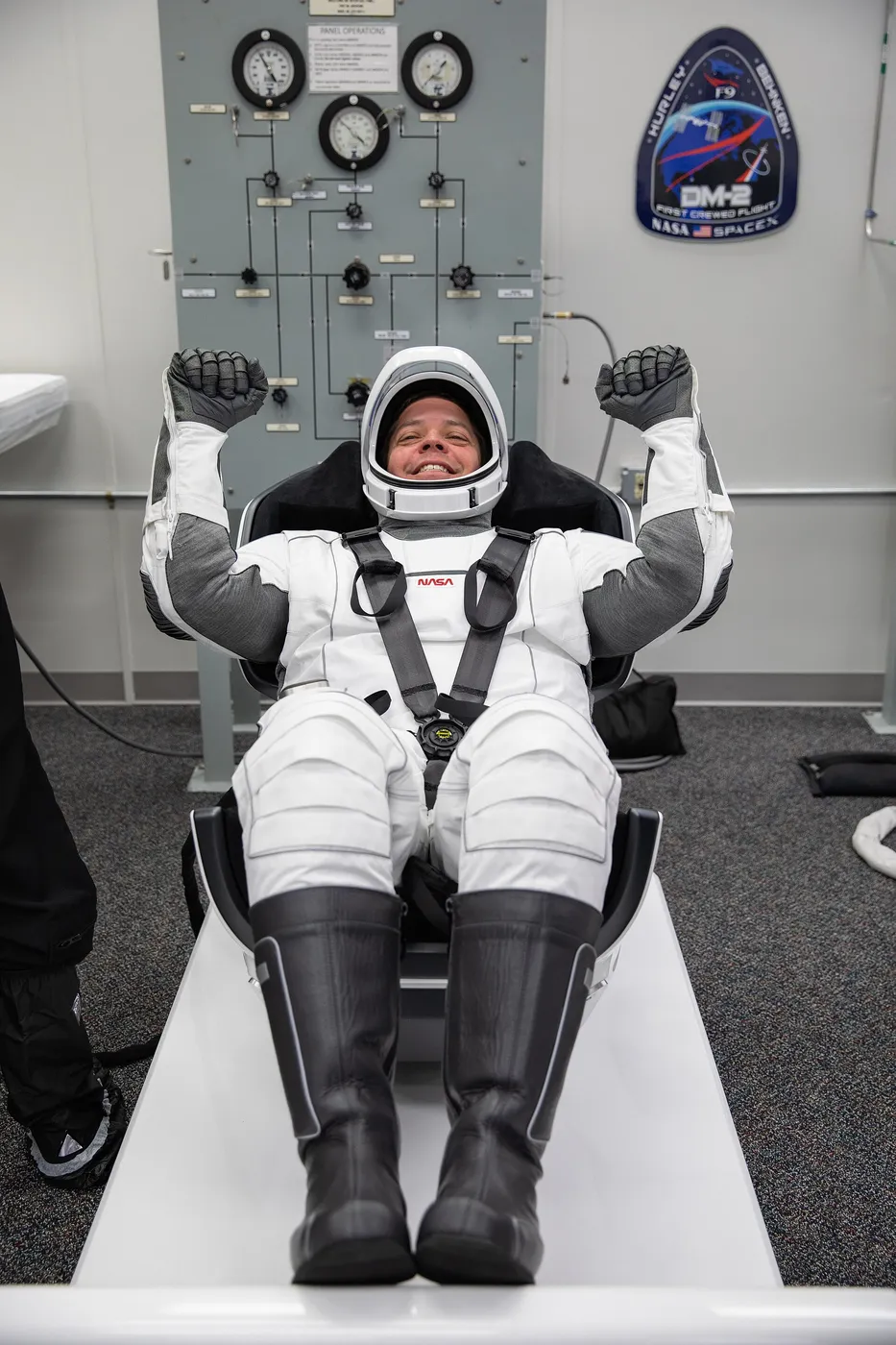
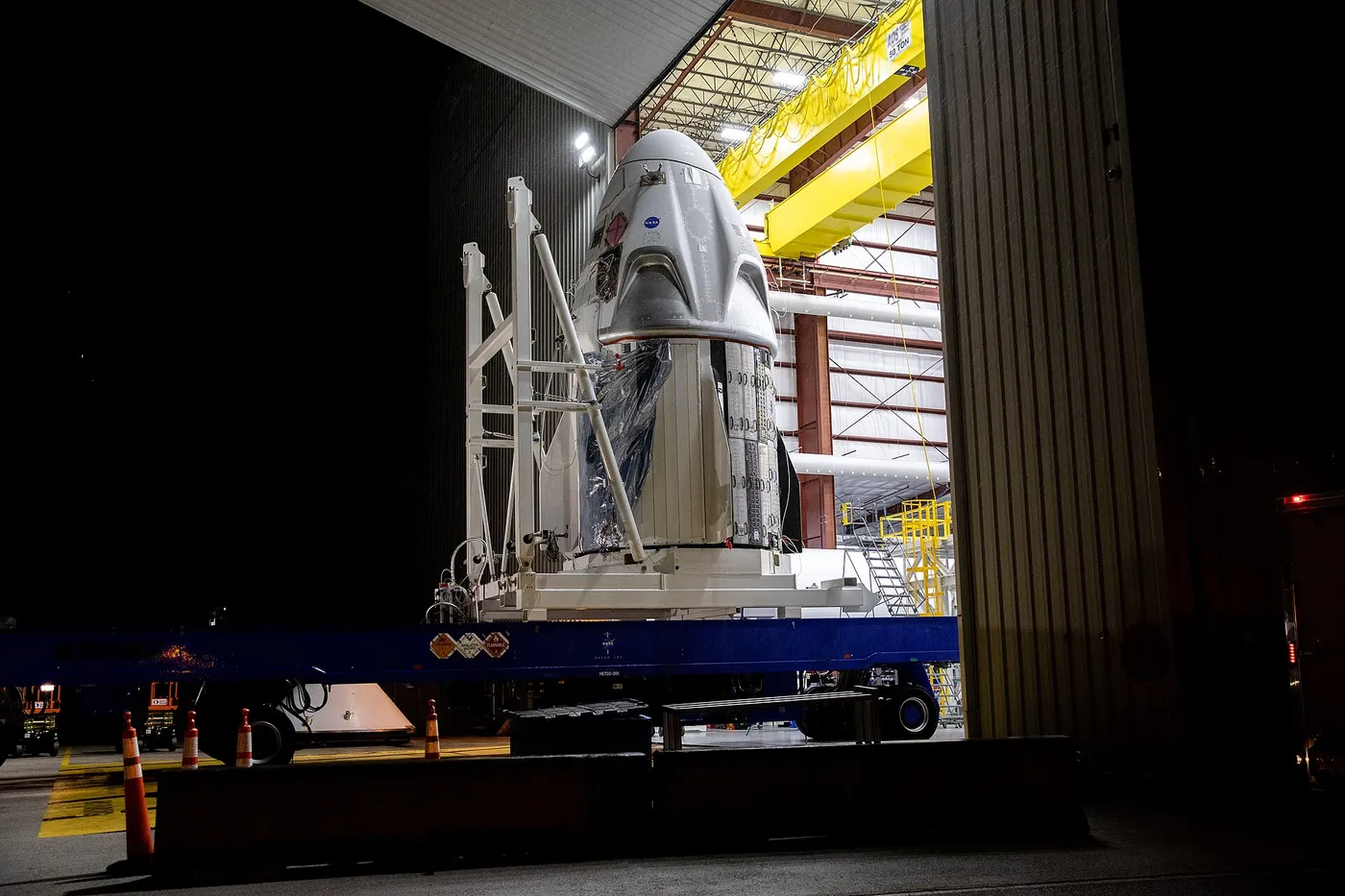
The details were conspicuously different from what came before. The crew wore tailored white suits designed partly for appearance, rode to the pad in an electric car, and flew a capsule with touchscreen controls and almost no physical switches. Hurley had also flown the final Shuttle mission in 2011, which gave the symmetry an almost scripted quality.
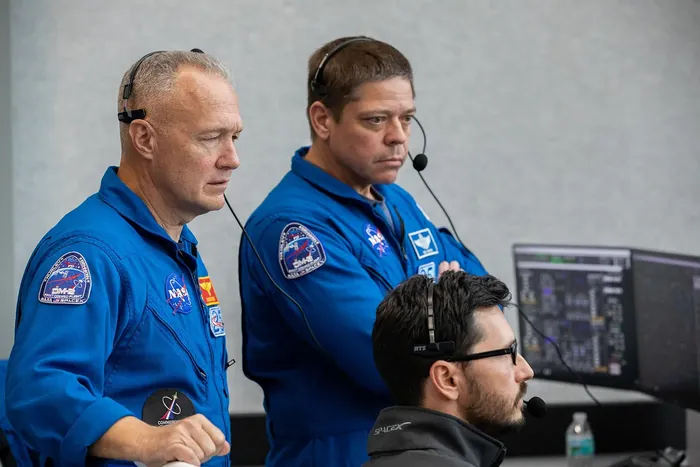
They stayed 62 days aboard the station, considerably longer than planned, because the mission was extended to make use of them while the following flight was prepared. The return in August was the first American water landing since Apollo-Soyuz in 1975 — and was marred slightly when private boats swarmed the floating capsule before recovery teams could secure it, one of them flying a Trump campaign flag.
The flight ended American dependence on Soyuz, cut the per-seat cost substantially, and established the model that has since flown dozens of people. It also, incidentally, made the United States once again capable of reaching its own space station — a capability it had voluntarily given up for nearly a decade.