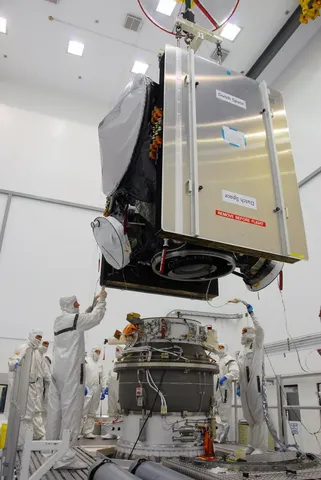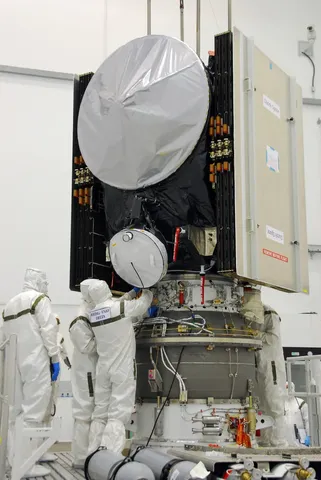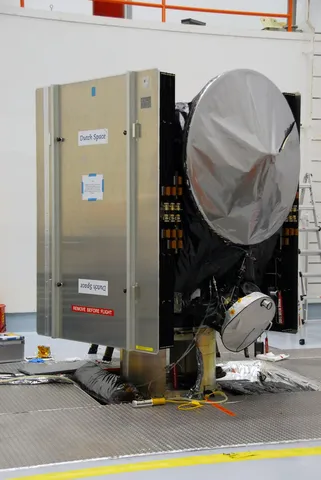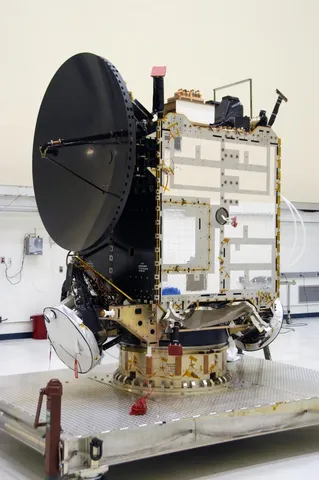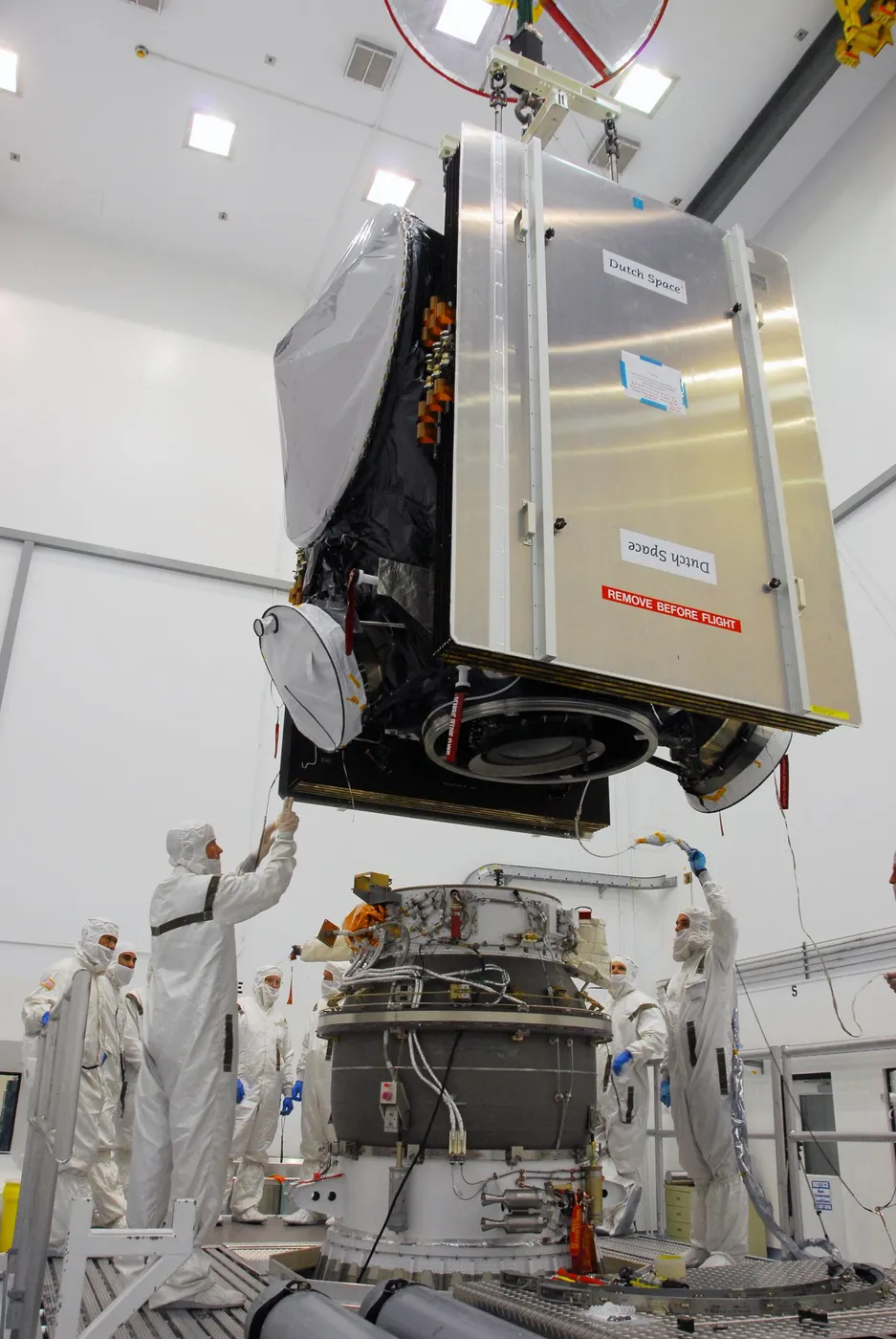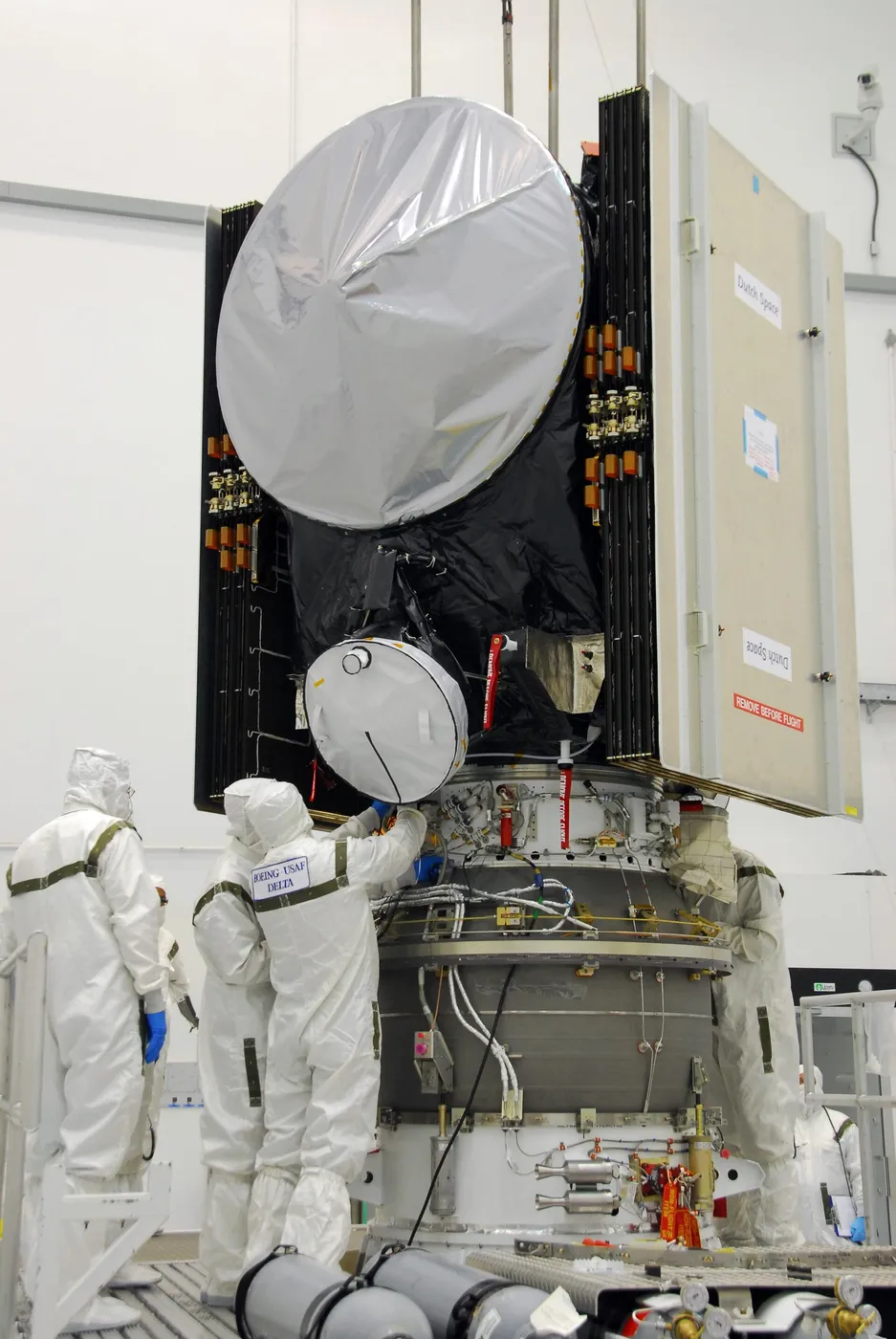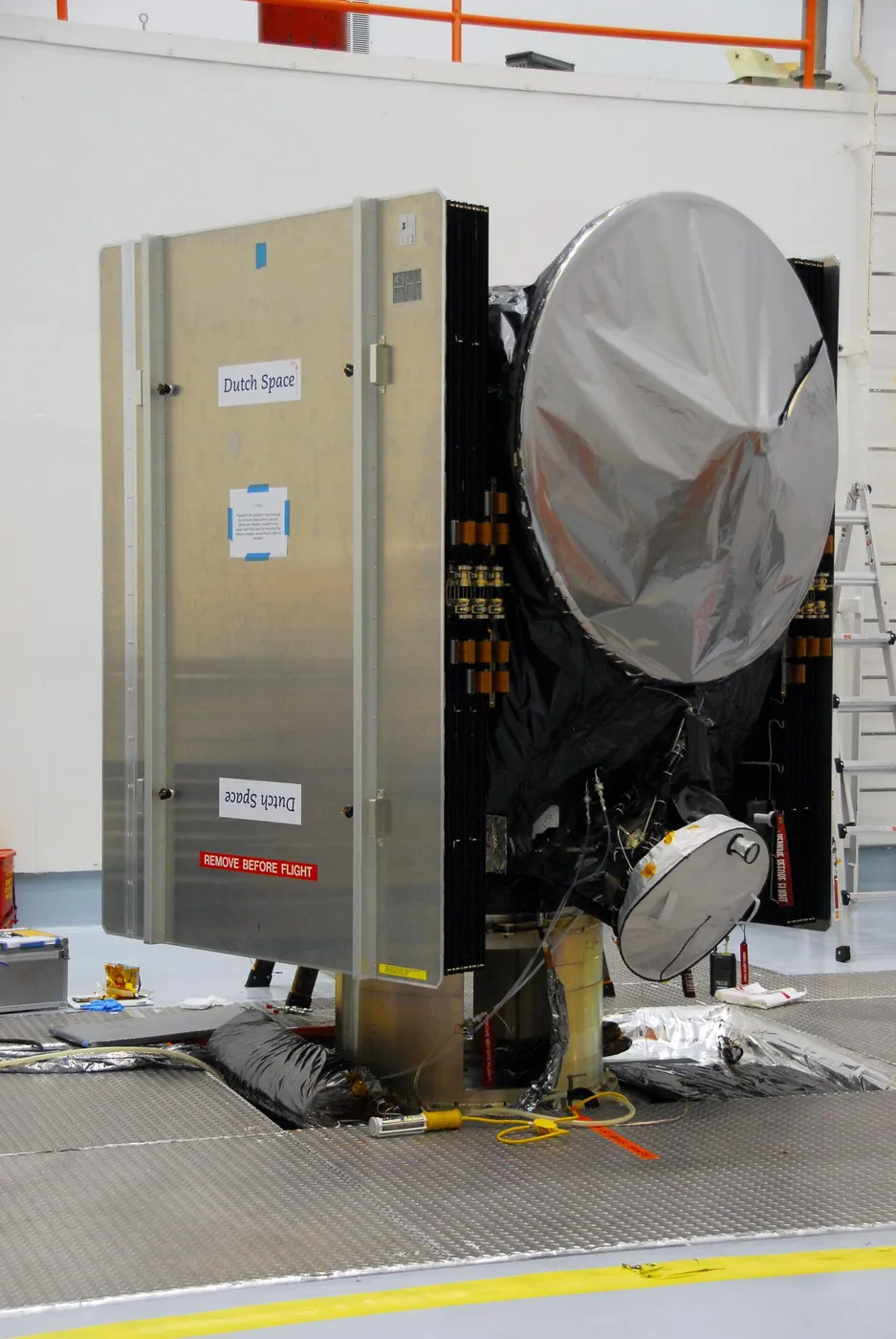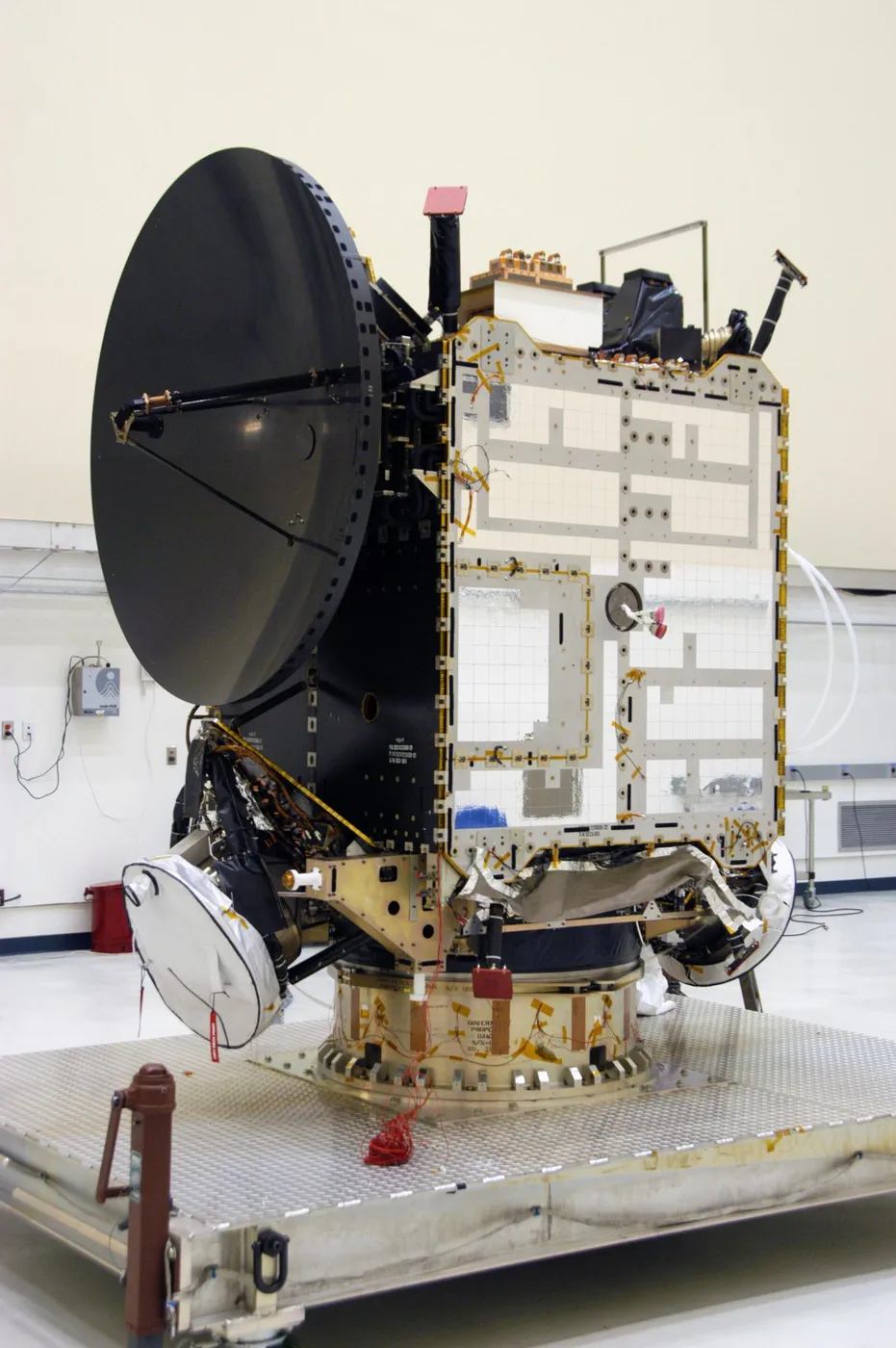

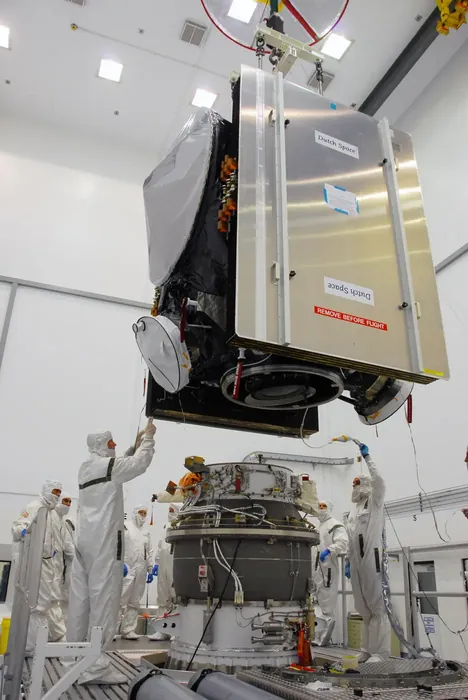
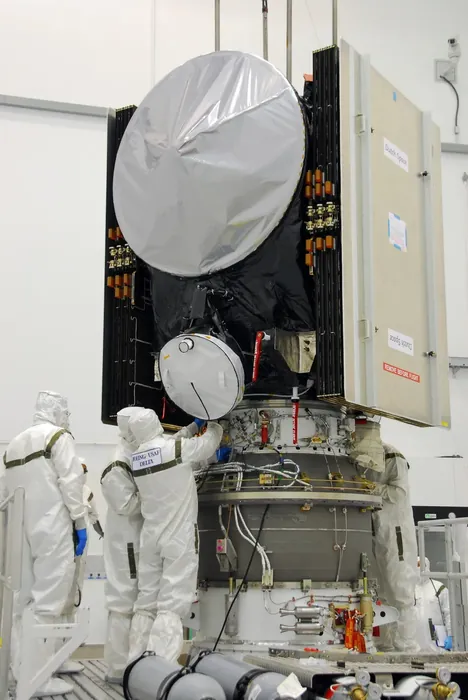
Dawn is the only spacecraft to have orbited two bodies beyond Earth, and it could do it only because of ion propulsion. Chemical rockets can enter orbit once and are then effectively committed; Dawn's xenon engines accumulated a velocity change of more than eleven kilometres per second over years of gentle thrust, enough to arrive at Vesta, stay for fourteen months, leave, and arrive somewhere else.
Vesta turned out to be a survivor of the earliest solar system: a differentiated protoplanet with an iron core, a rocky mantle and a basaltic crust, essentially a planet whose growth was arrested. Its south pole is dominated by an impact basin some 500 kilometres across with a central peak twice the height of Everest, and the debris from that collision accounts for a whole family of meteorites found on Earth.
Ceres, reached in 2015, was a different kind of world entirely — ice-rich, with roughly a quarter of its mass in water, and dotted with mysteriously bright spots. The brightest, in Occator crater, resolved into deposits of sodium carbonate: salts left behind where briny liquid had reached the surface from a reservoir below and evaporated, some of it geologically recent.
That made Ceres, an object in the asteroid belt, a candidate ocean world — not a global sea like Europa's, but pockets of brine persisting in a body far too small to retain much internal heat. The mission also found organic material near Ernutet crater, apparently native rather than delivered.
It ran out of the hydrazine needed to point itself in October 2018. Because it might carry terrestrial microbes and Ceres may host liquid brine, it was not deorbited; instead it was left in a stable orbit calculated to keep it clear of the surface for decades, a silent satellite of the object it made interesting.