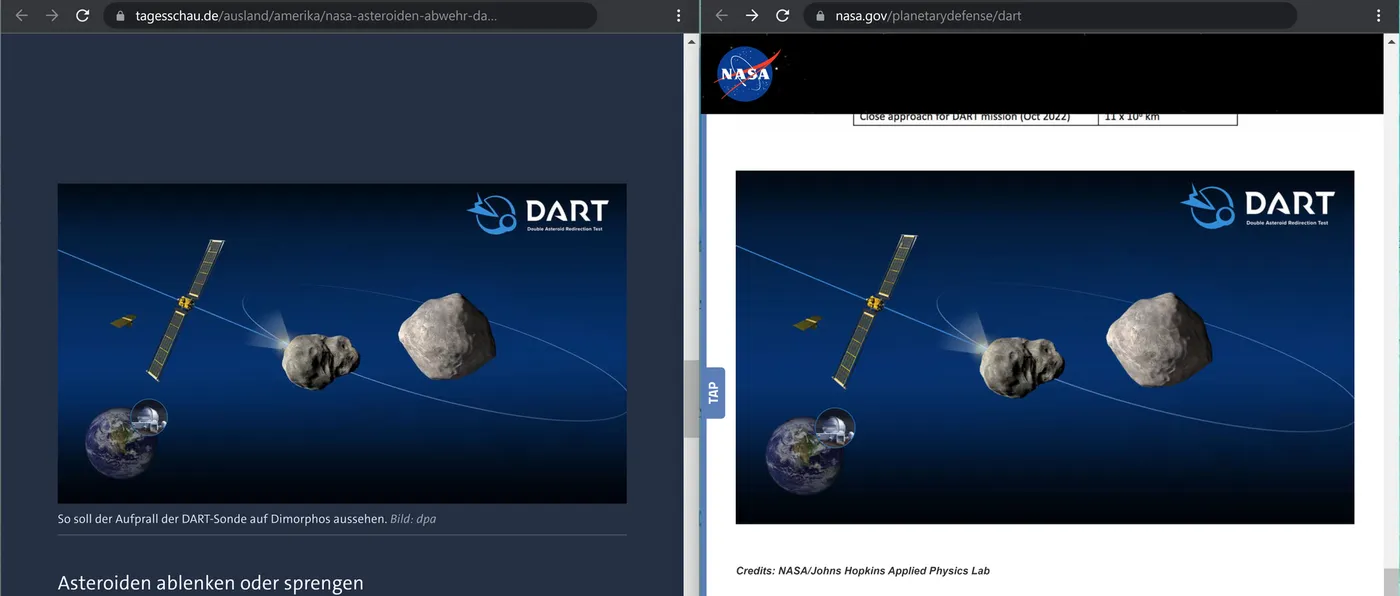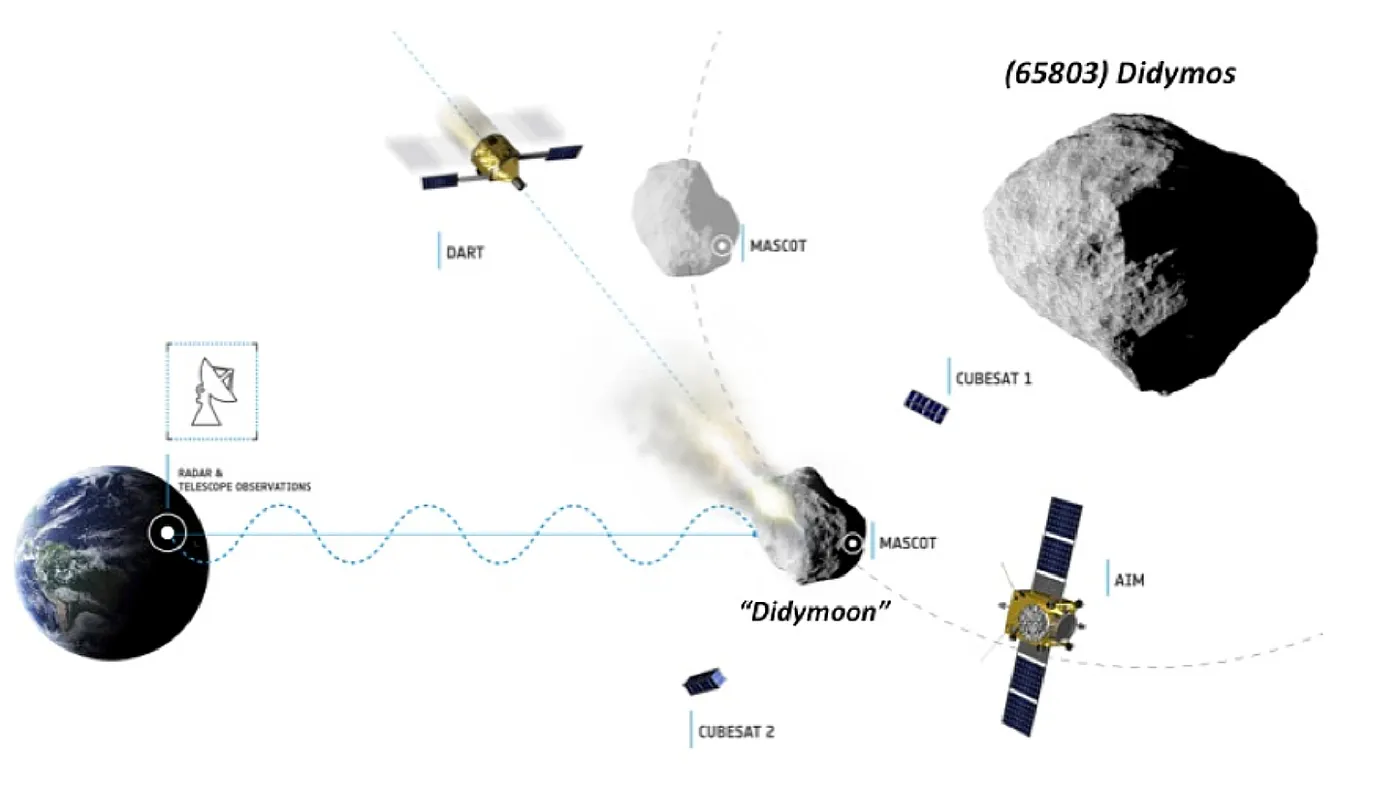

DART was an experiment in whether humanity could deflect an asteroid, conducted on a rock that posed no threat whatsoever. The target was Dimorphos, a 160-metre moonlet orbiting the larger asteroid Didymos, chosen precisely because its orbital period around its parent could be measured from Earth to within seconds — so any change would be unambiguous.
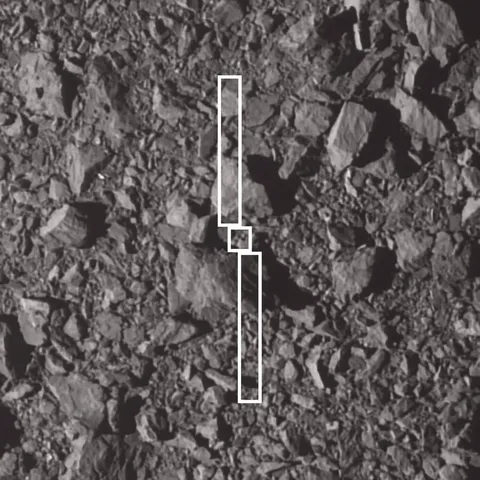
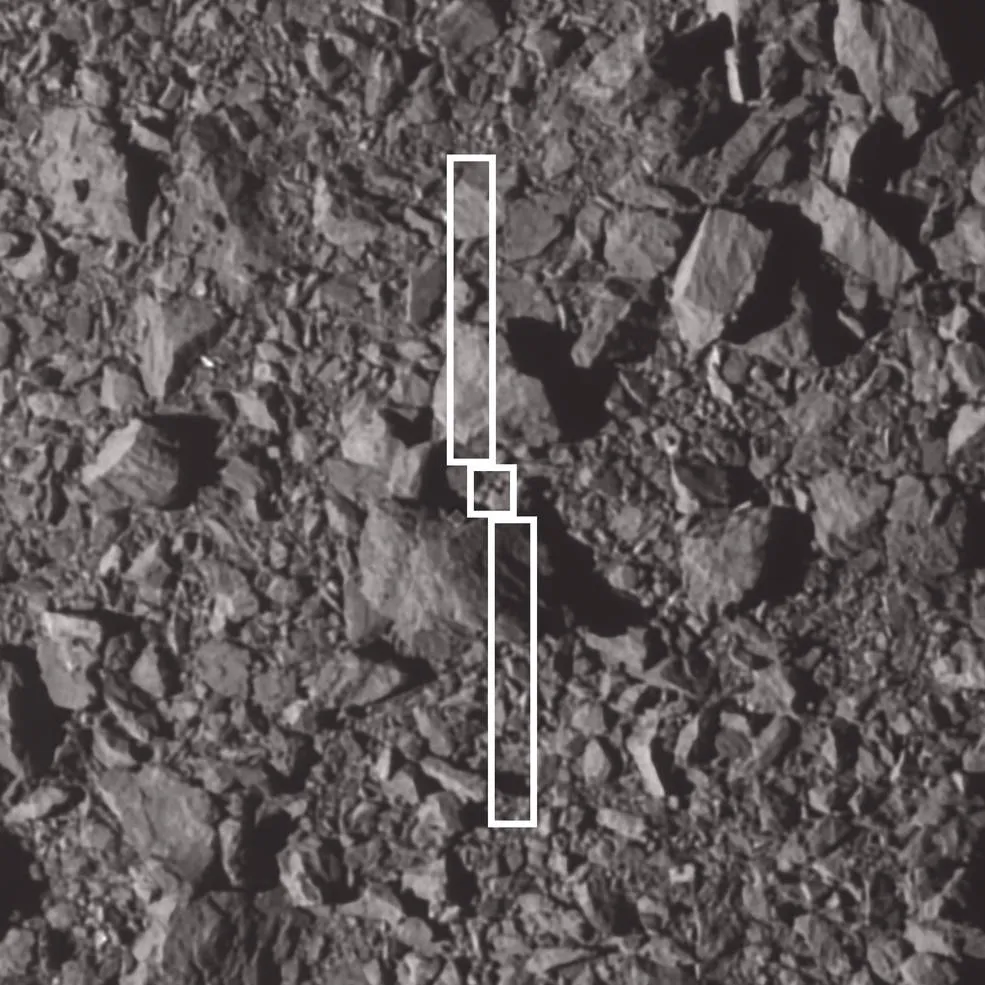
The spacecraft was essentially a 570-kilogram battering ram with a camera and an autonomous navigation system. Dimorphos was too small to be resolved until the final hour, so DART had to find and hit it by itself, identifying the moonlet against its parent and steering into it at 6.1 kilometres per second. It transmitted images until the last second, ending with a partial frame of rubble filling the field of view.
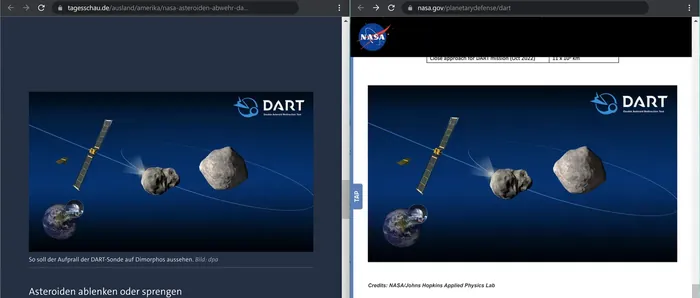
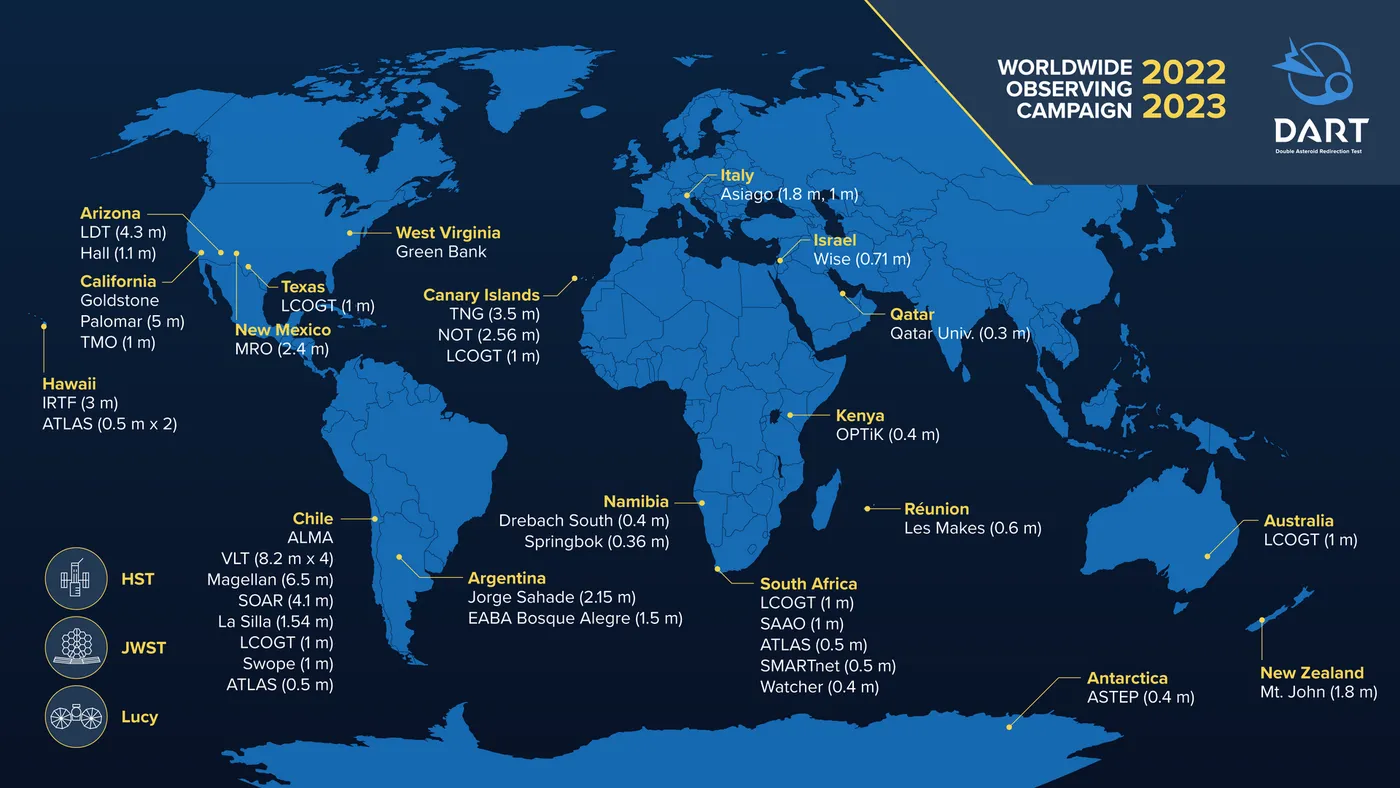
The impact in September 2022 shortened Dimorphos's orbit by about 32 minutes. The mission's success criterion had been 73 seconds, and models had predicted perhaps seven minutes — the enormous overperformance came from the recoil of ejected material, which acted like a rocket exhaust and multiplied the momentum transferred by a factor of several.

That multiplication is the practically important result. It means a deflection mission needs far less mass than a simple calculation suggests, provided the target is a loose rubble pile — and Dimorphos turned out to be exactly that, so weakly bound that the impact did not merely crater it but appears to have reshaped it entirely, flinging boulders into space.
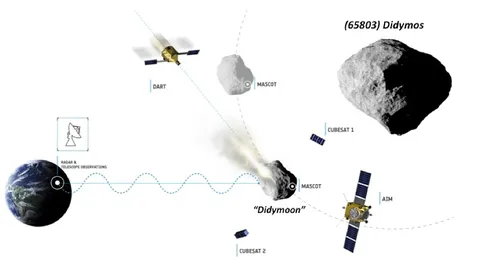
An Italian CubeSat released beforehand photographed the plume, and a European spacecraft named Hera is now on its way to survey the aftermath in detail. For the first time, the species has demonstrated that it can change the orbit of a celestial body deliberately, which is a genuinely novel entry in the record.