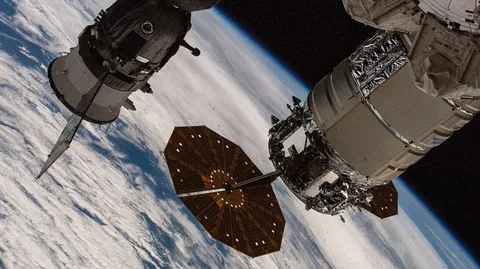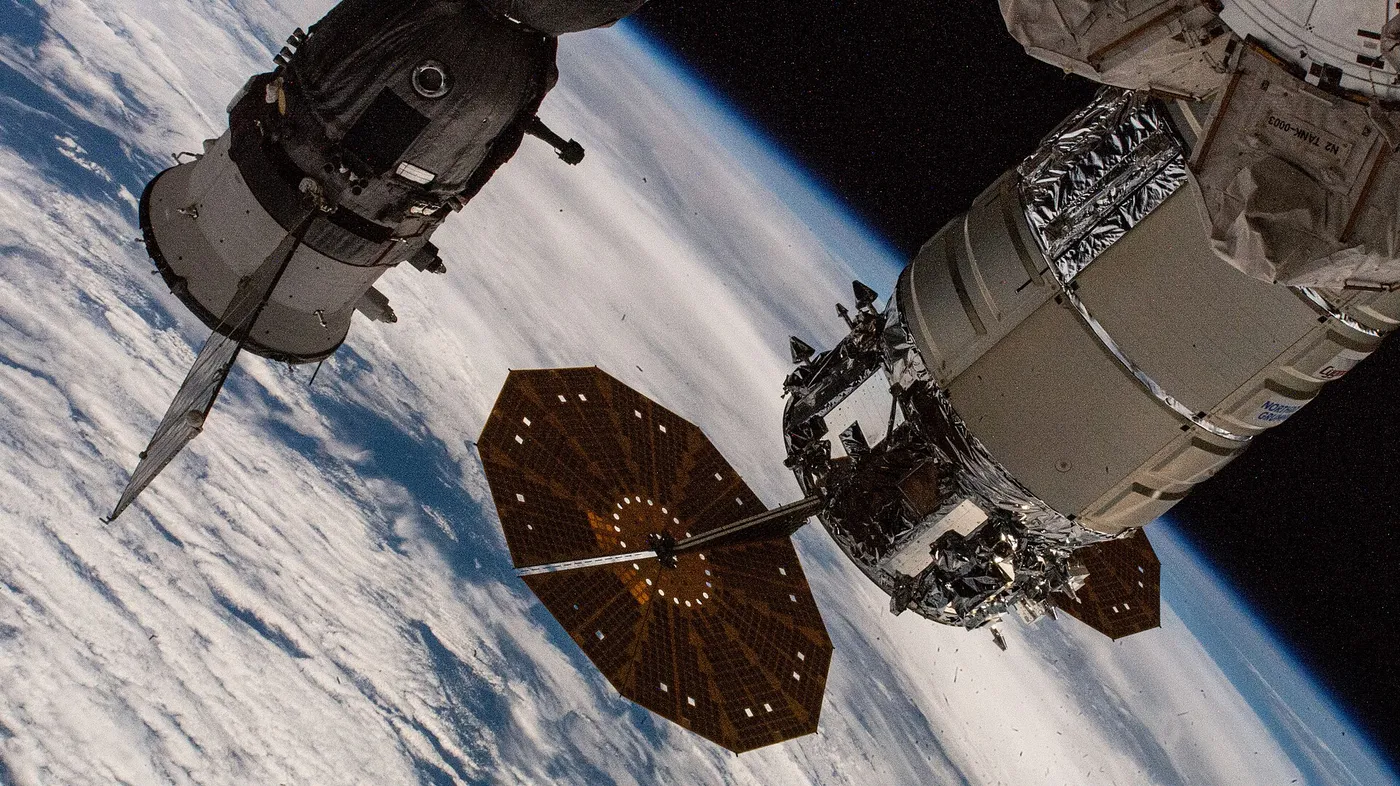

The first Cygnus flight was a demonstration, and it was delayed by a disagreement about numbers. On approach the spacecraft and the station exchanged GPS data in slightly different formats, the onboard software rejected the readings as invalid, and the rendezvous was called off.
A software patch was written, tested and uploaded within a few days, but by then a Soyuz crew rotation had claimed the docking schedule and the spacecraft had to wait in a parking orbit for over a week before berthing.
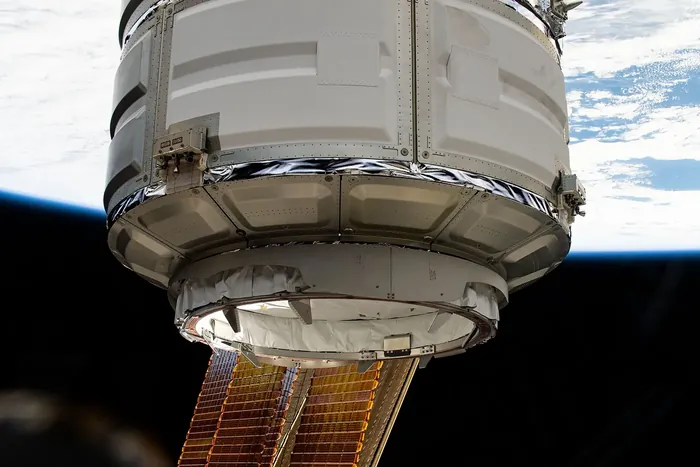
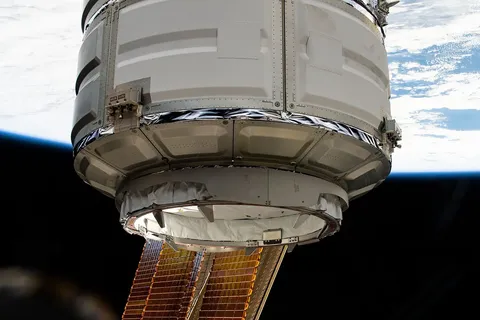
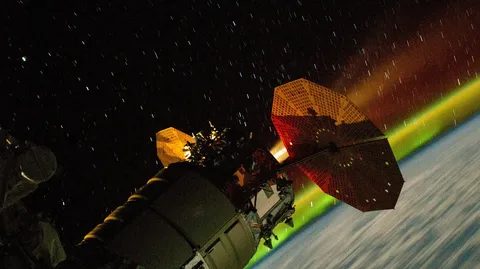
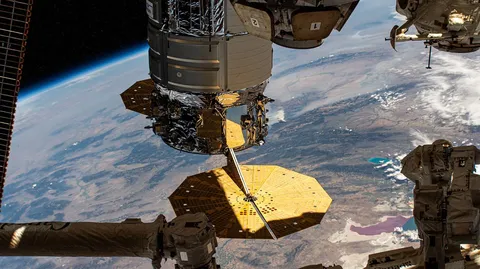
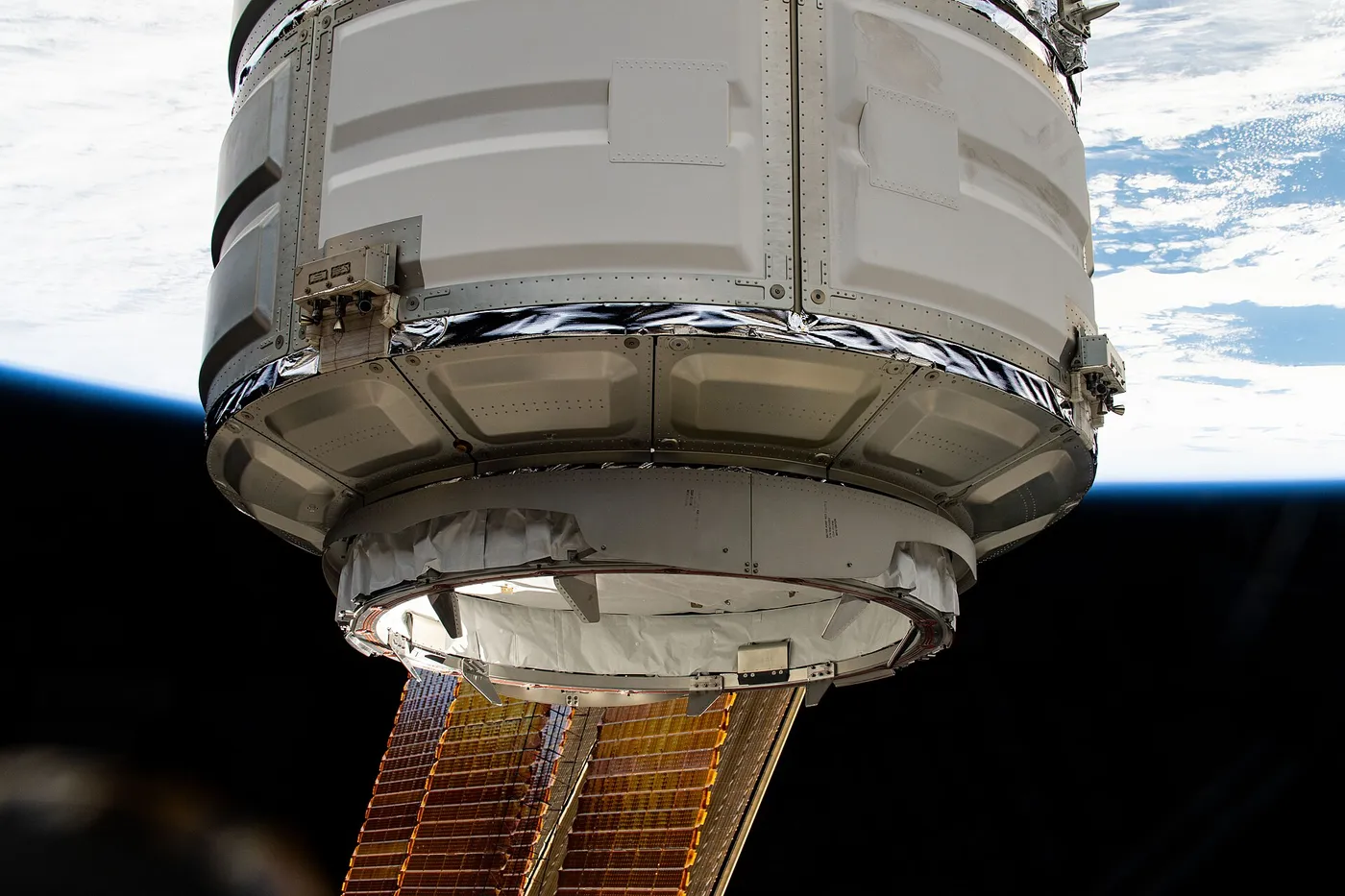
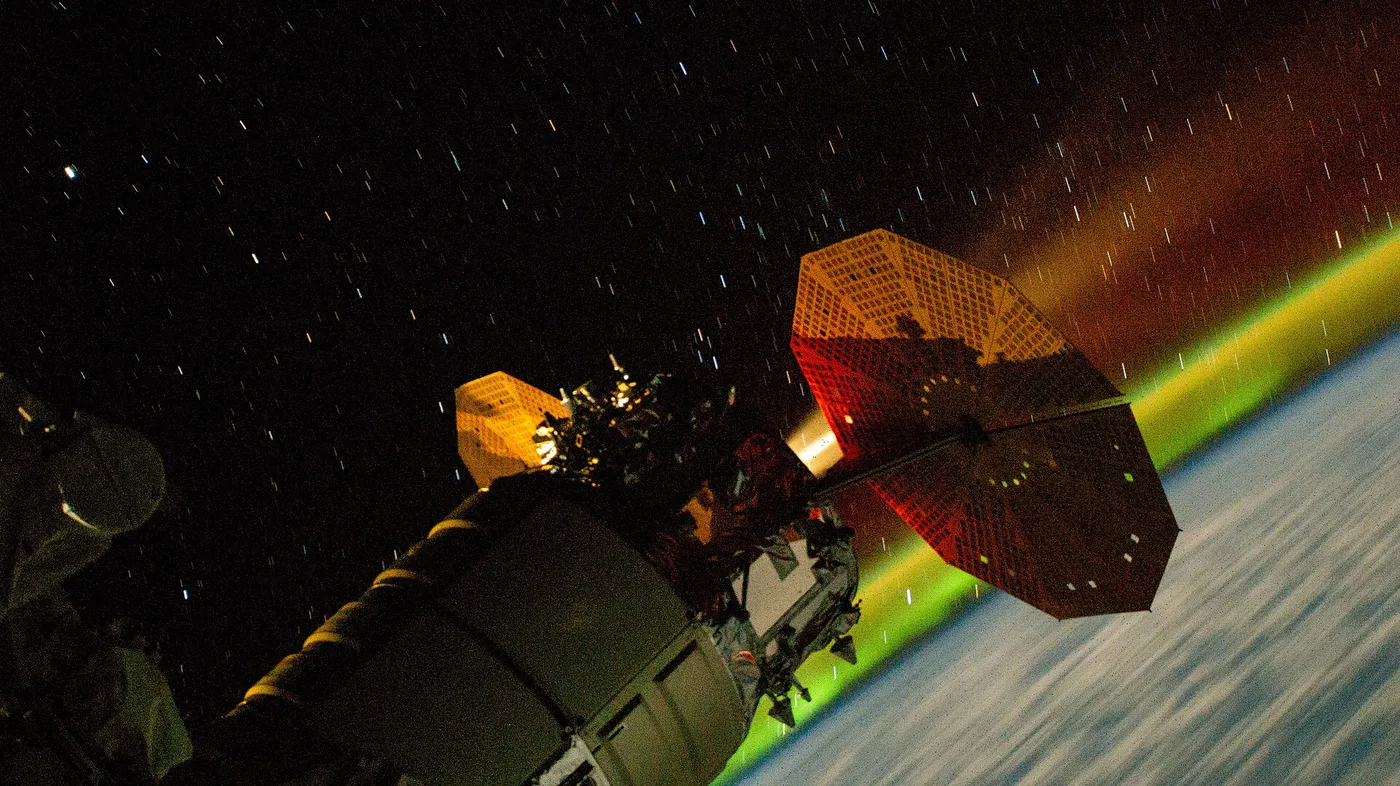
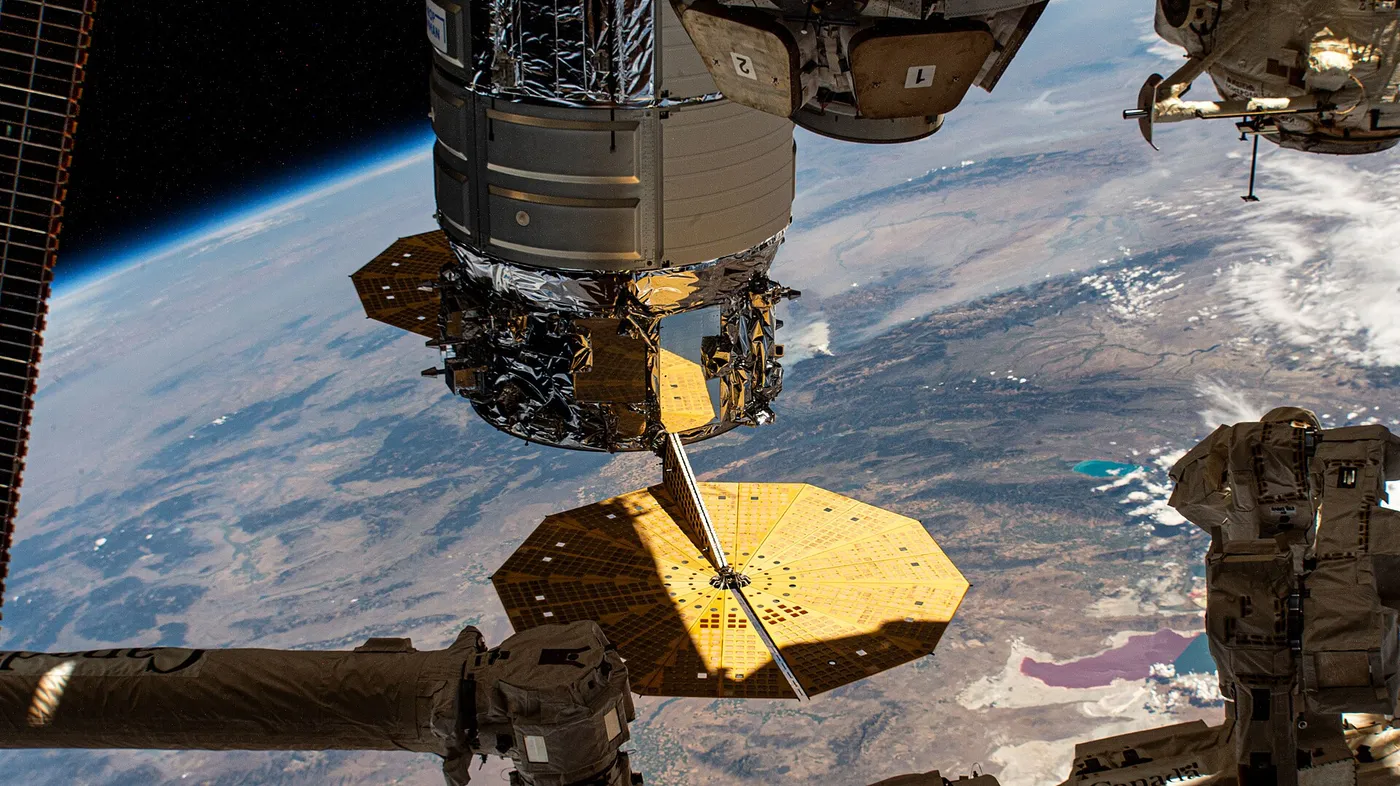
It was the second commercial cargo vehicle to reach the station, developed under the same programme as Dragon but with a different design philosophy: a pressurised cylinder built in Italy, no heat shield, and no capability to return anything. Cygnus burns up at the end of each mission.
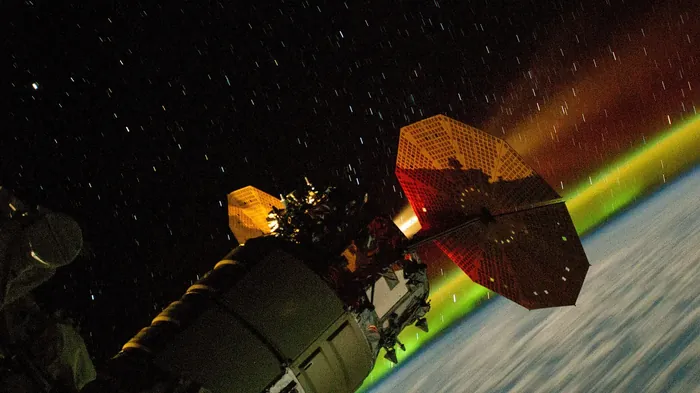
That deliberate asymmetry made it cheaper. Disposing of rubbish is a real requirement aboard a station, and a vehicle that departs loaded with waste and incinerates itself performs a genuine service.
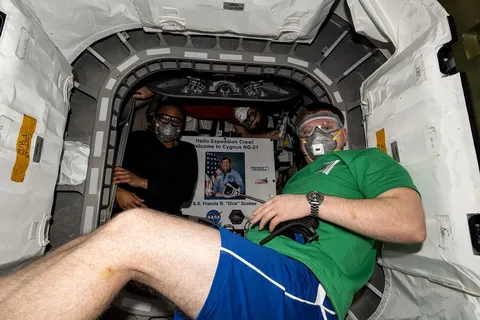
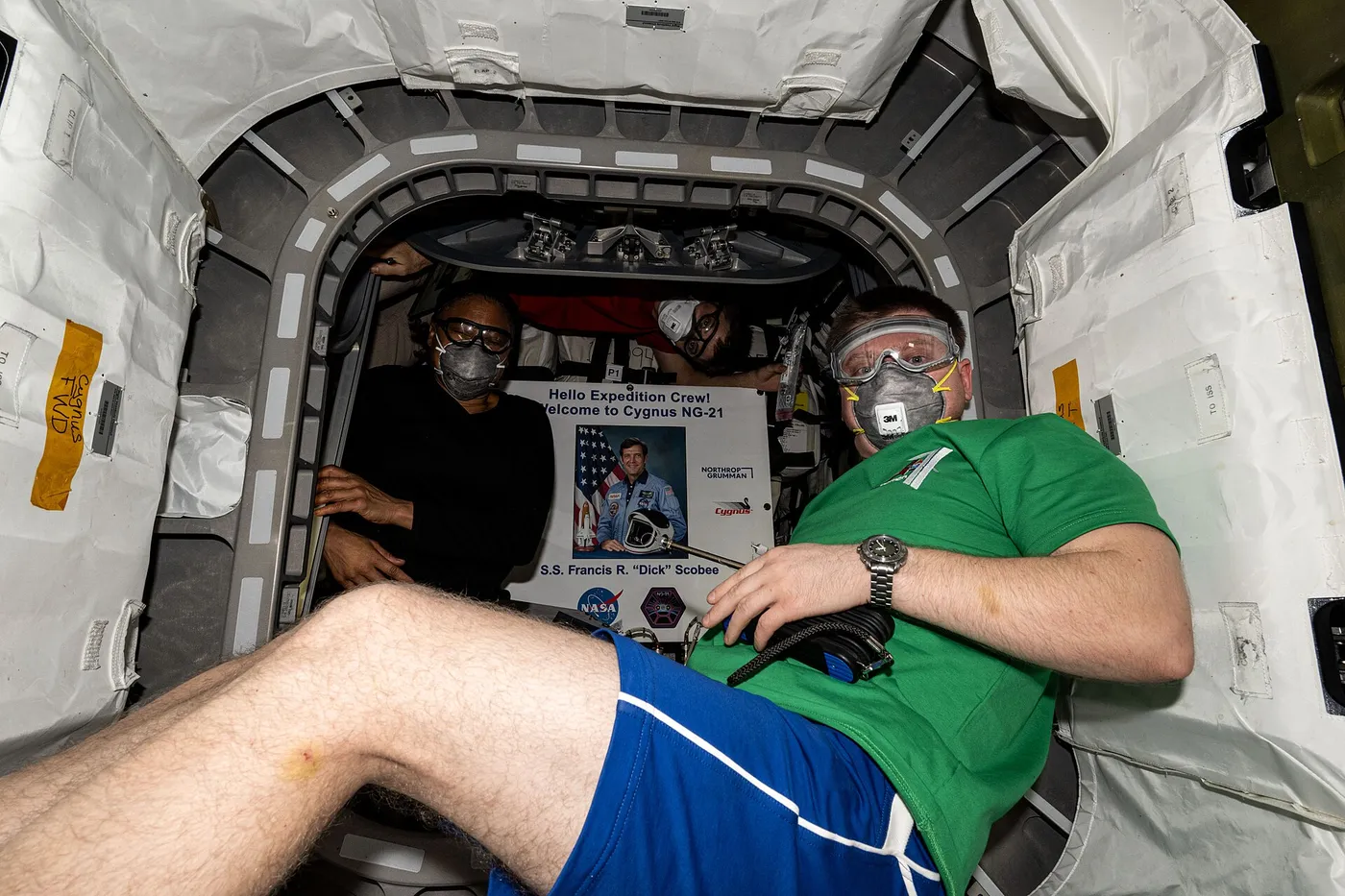
Each Cygnus is named after a person significant to spaceflight who has died — this one for Orbital Sciences' co-founder David Low, a former astronaut. The tradition has continued on every flight since, and it gives the fleet an unusual quality of memorial.