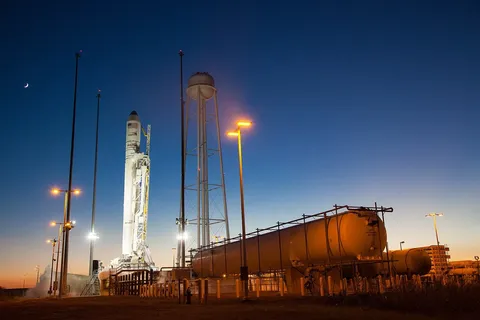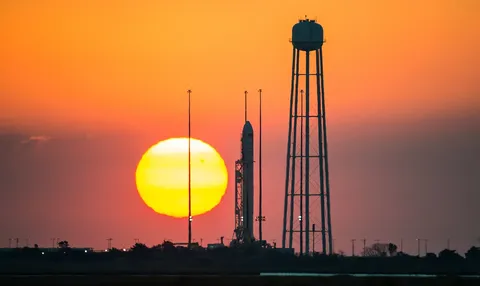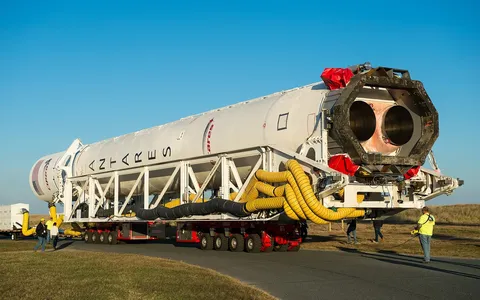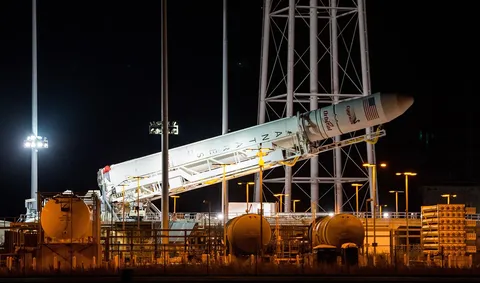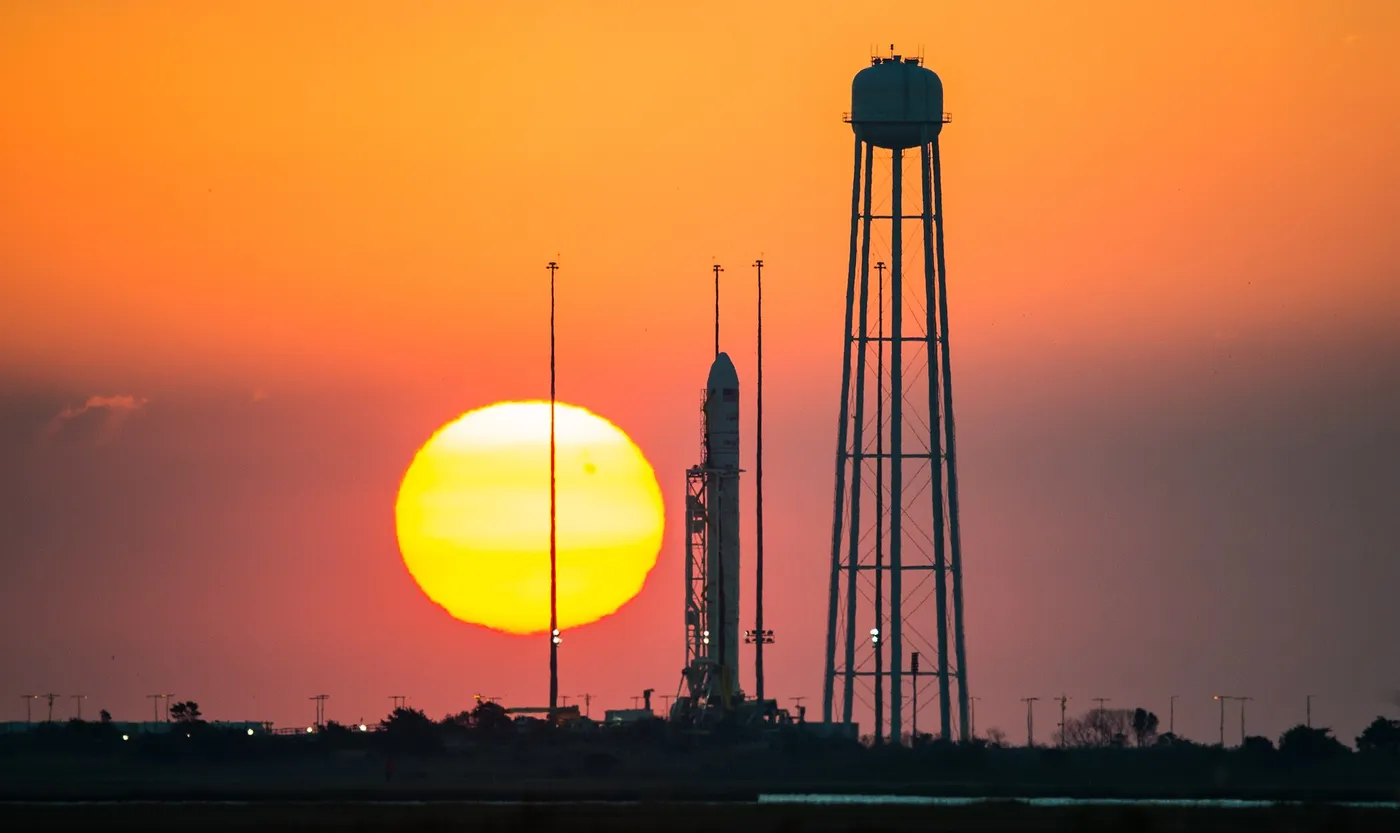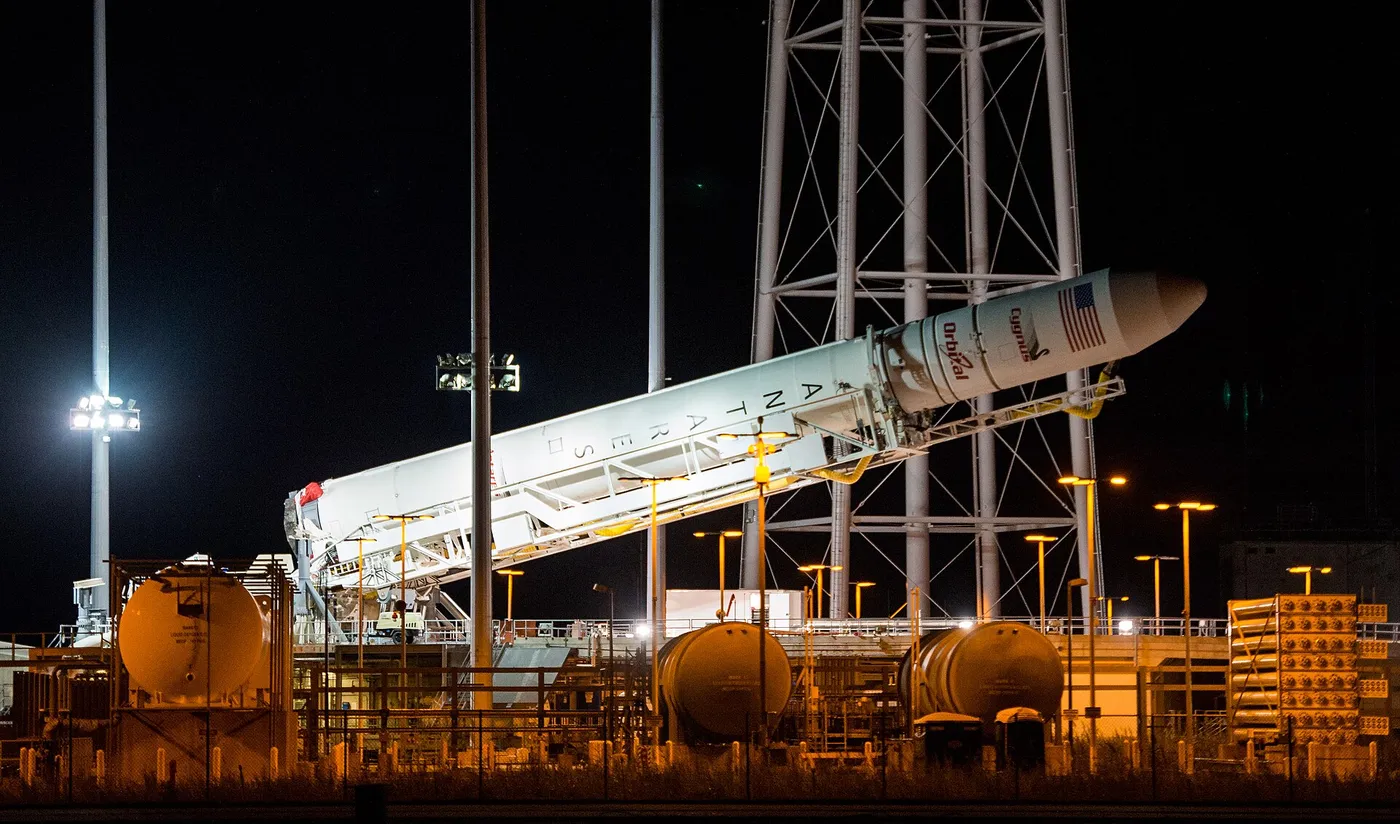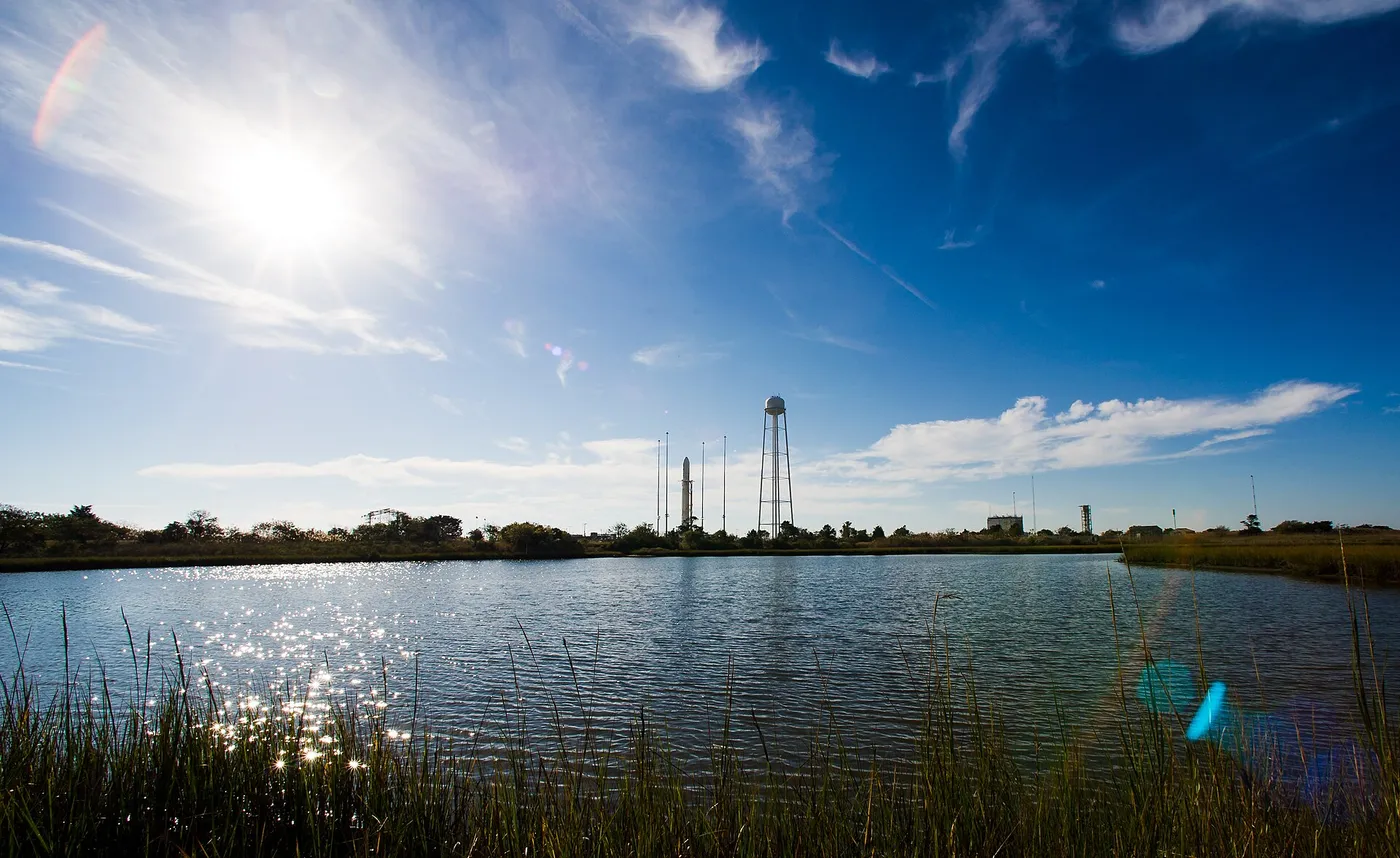
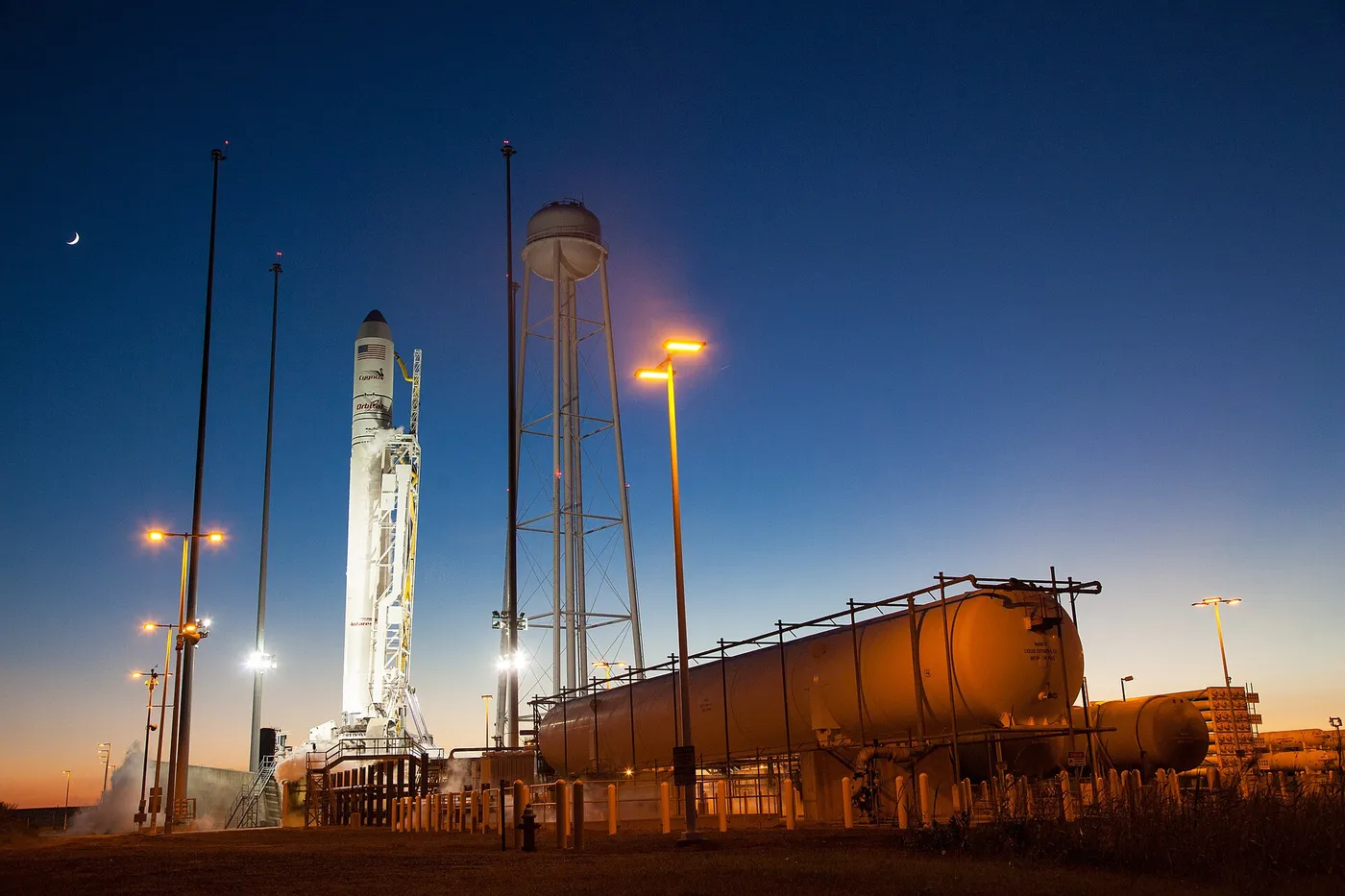

Orb-3 was destroyed fifteen seconds after launch. The Antares rocket's first stage lost thrust, the vehicle fell back onto the pad at Wallops Island and exploded, destroying the spacecraft and causing substantial damage to the launch complex.
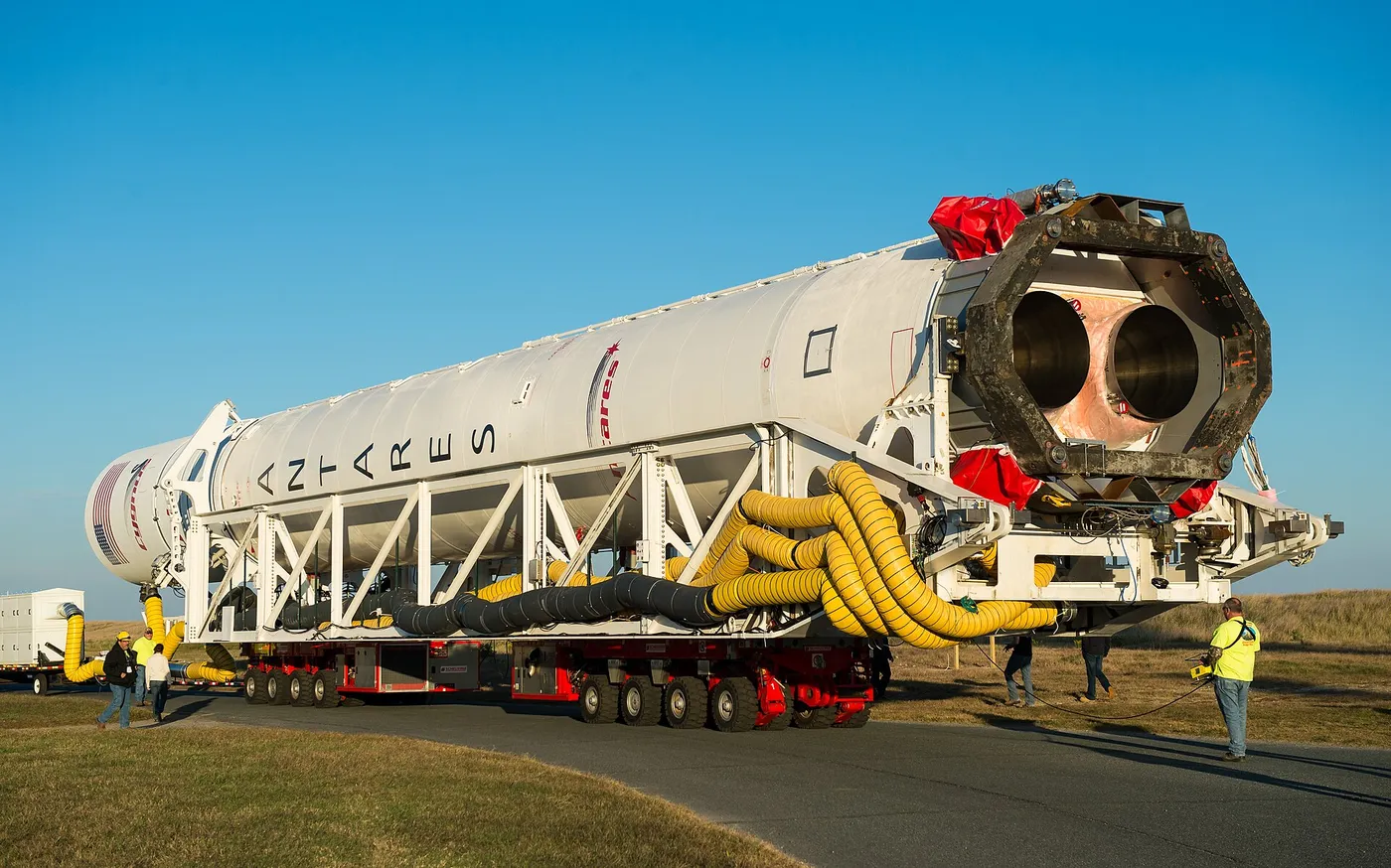
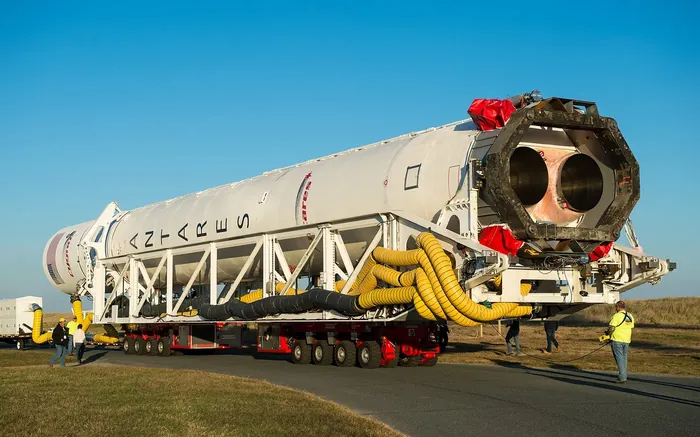
The engines were the problem. Antares used refurbished Soviet-built NK-33 motors, manufactured in the late 1960s and early 1970s for the cancelled N1 Moon rocket, stored for decades and then modernised for American use — an arrangement that had always carried an obvious question about the condition of forty-year-old hardware.
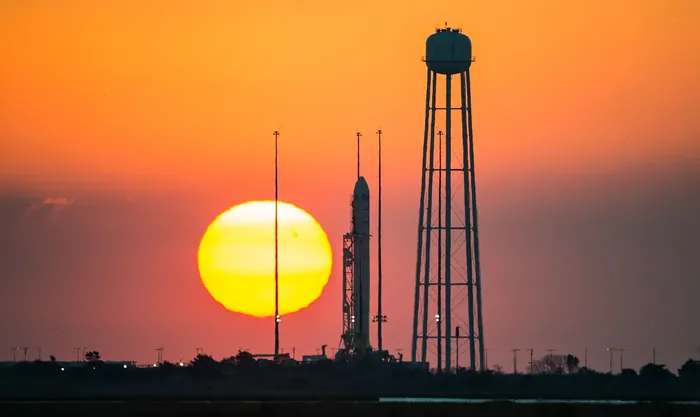
The investigation concluded that a turbopump had failed, most probably through a manufacturing defect or material degradation in the engine. The company abandoned the design and re-engined the rocket with new Russian-built motors.
Around 2,300 kilograms of cargo was lost, including student experiments, spare parts and a meteor-observing camera. The station's supplies were sufficient that no operational impact followed, though it was the first of three cargo losses in eight months.
The spacecraft had been named for Deke Slayton, the Mercury astronaut grounded for thirteen years who finally flew on Apollo-Soyuz. The next vehicle carried the same name, and flew successfully on a different rocket.