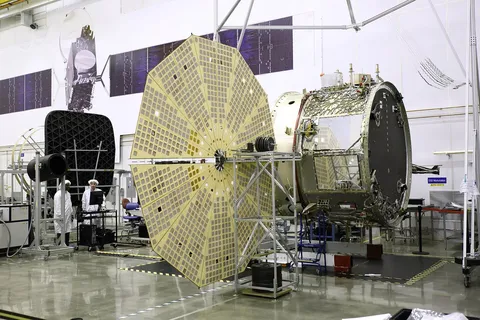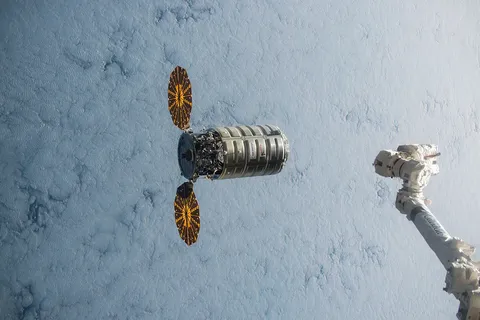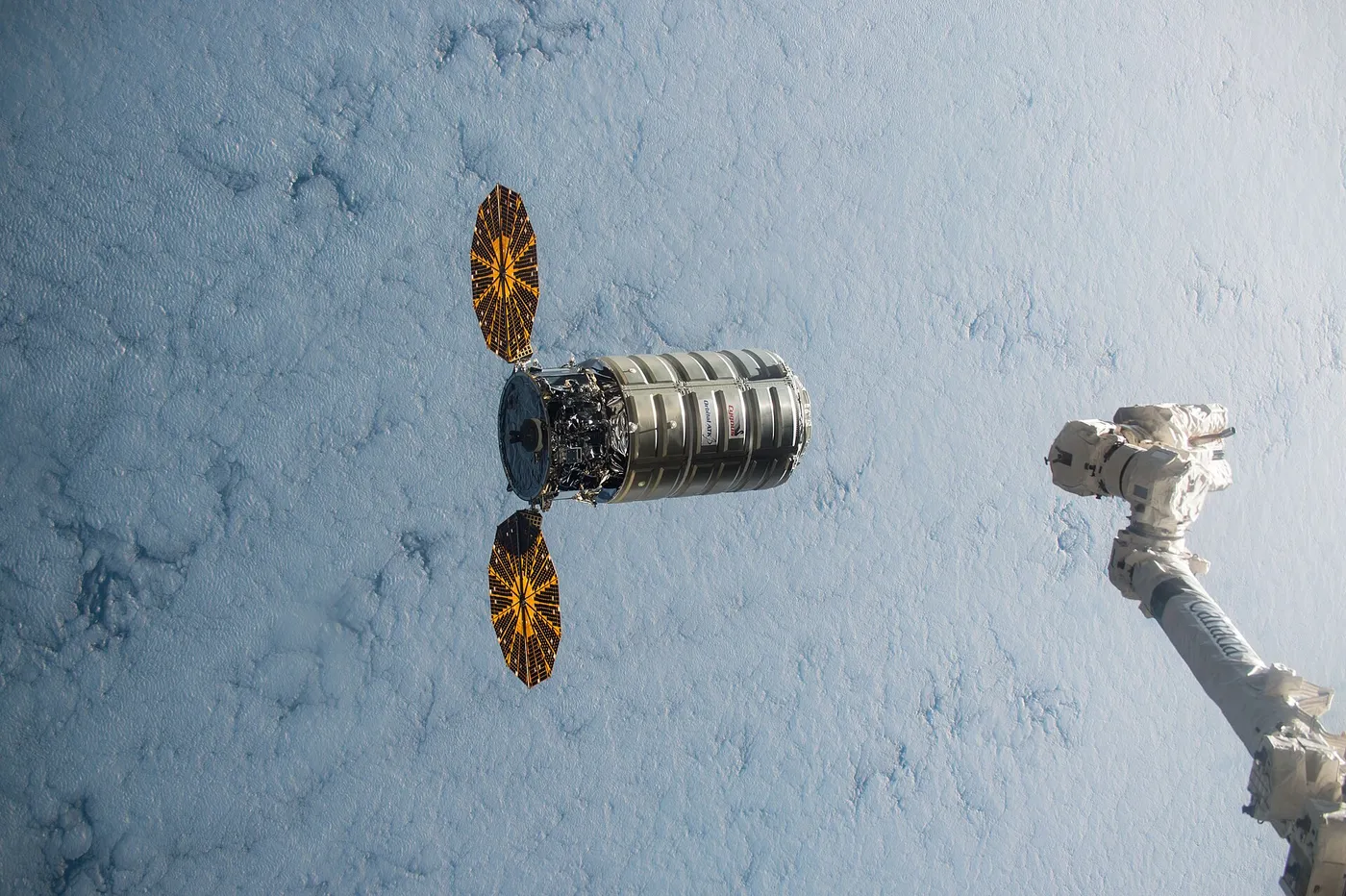
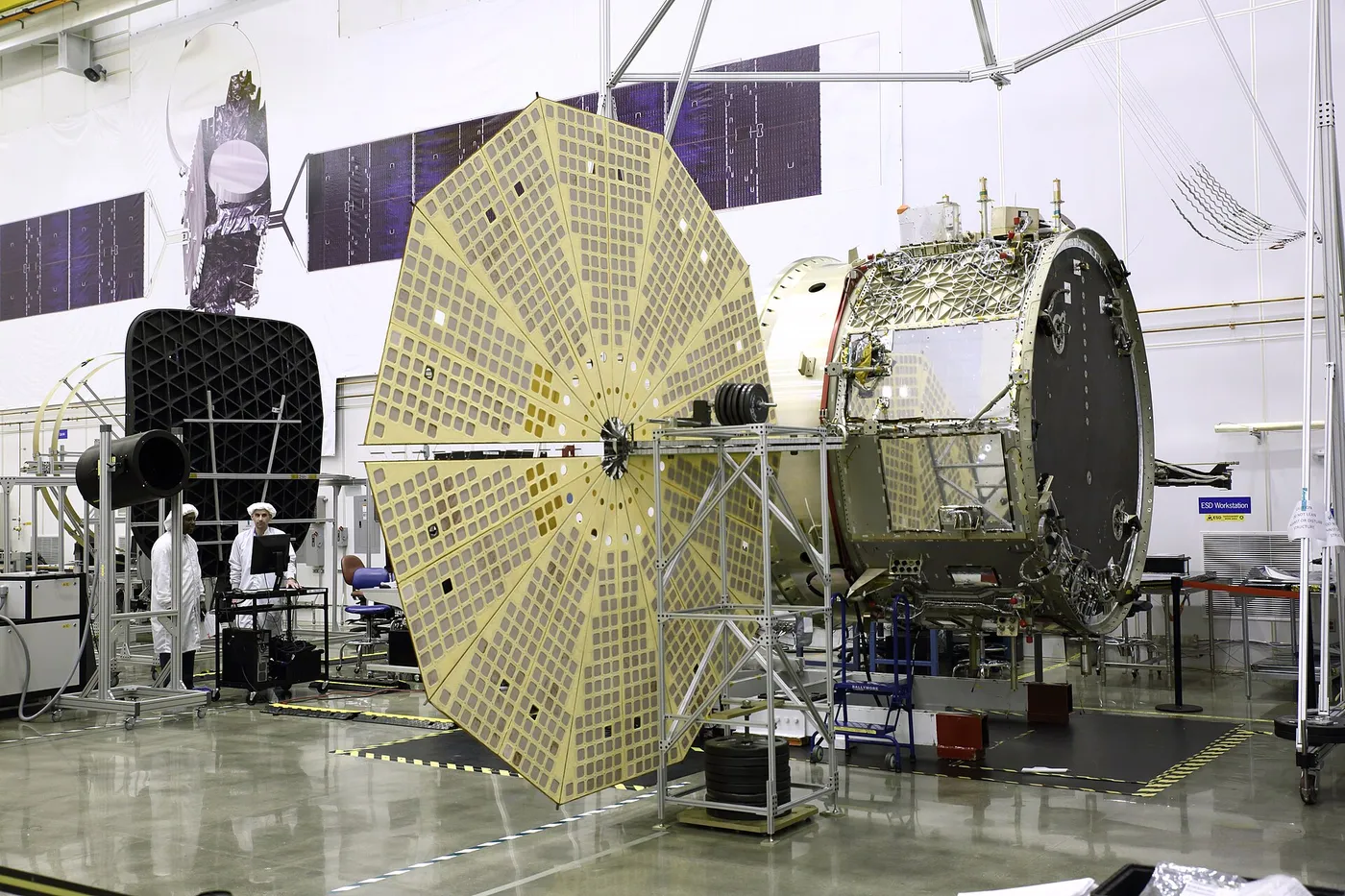

OA-8 returned to Antares and delivered around 3,200 kilograms, including a substantial biological payload: forty mice for a study of the effect of microgravity on the immune system's ability to respond to infection.
It also carried an optical fibre manufacturing experiment. Certain specialised glass fibres form with fewer defects in the absence of convection and sedimentation, and producing them in orbit for use on Earth is one of the few plausible cases for genuine space manufacturing.

The spacecraft was named for Gene Cernan, the last person to walk on the Moon, who had died in January of that year.
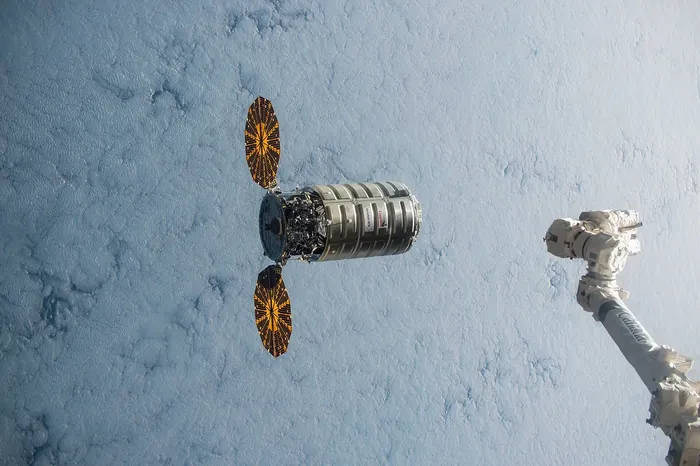
After departure it deployed a set of CubeSats from a dispenser mounted on its exterior, having raised itself to a higher orbit — a service the vehicle performs routinely at the end of its missions, using capacity that would otherwise be wasted.
The flight was uneventful and is chiefly notable for how unremarkable it had become: two independent American cargo vehicles were now delivering to the station on a regular schedule, which had been the programme's objective a decade earlier.