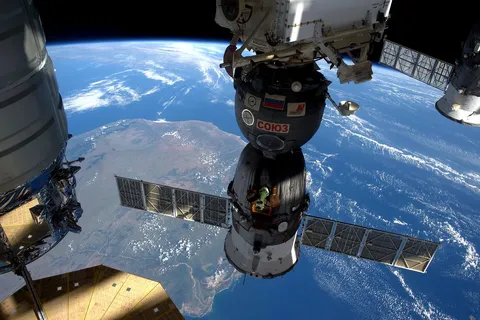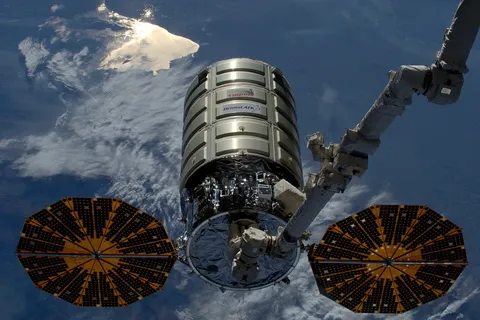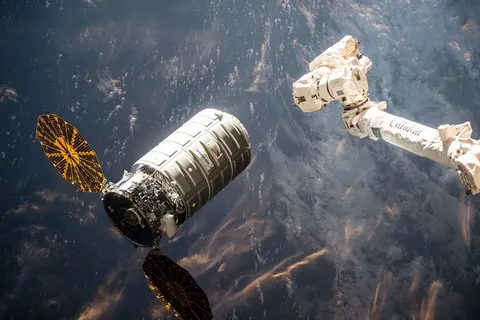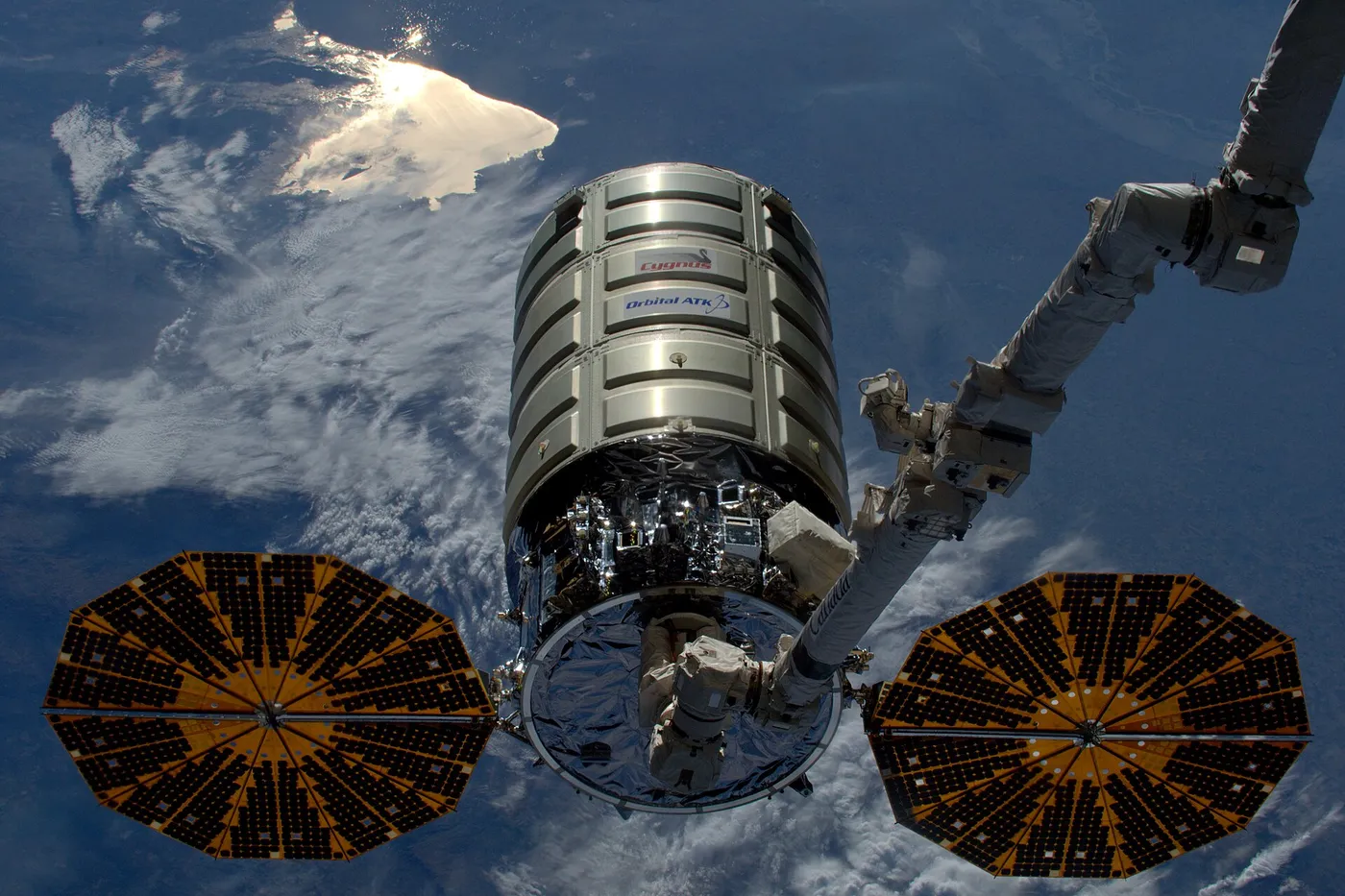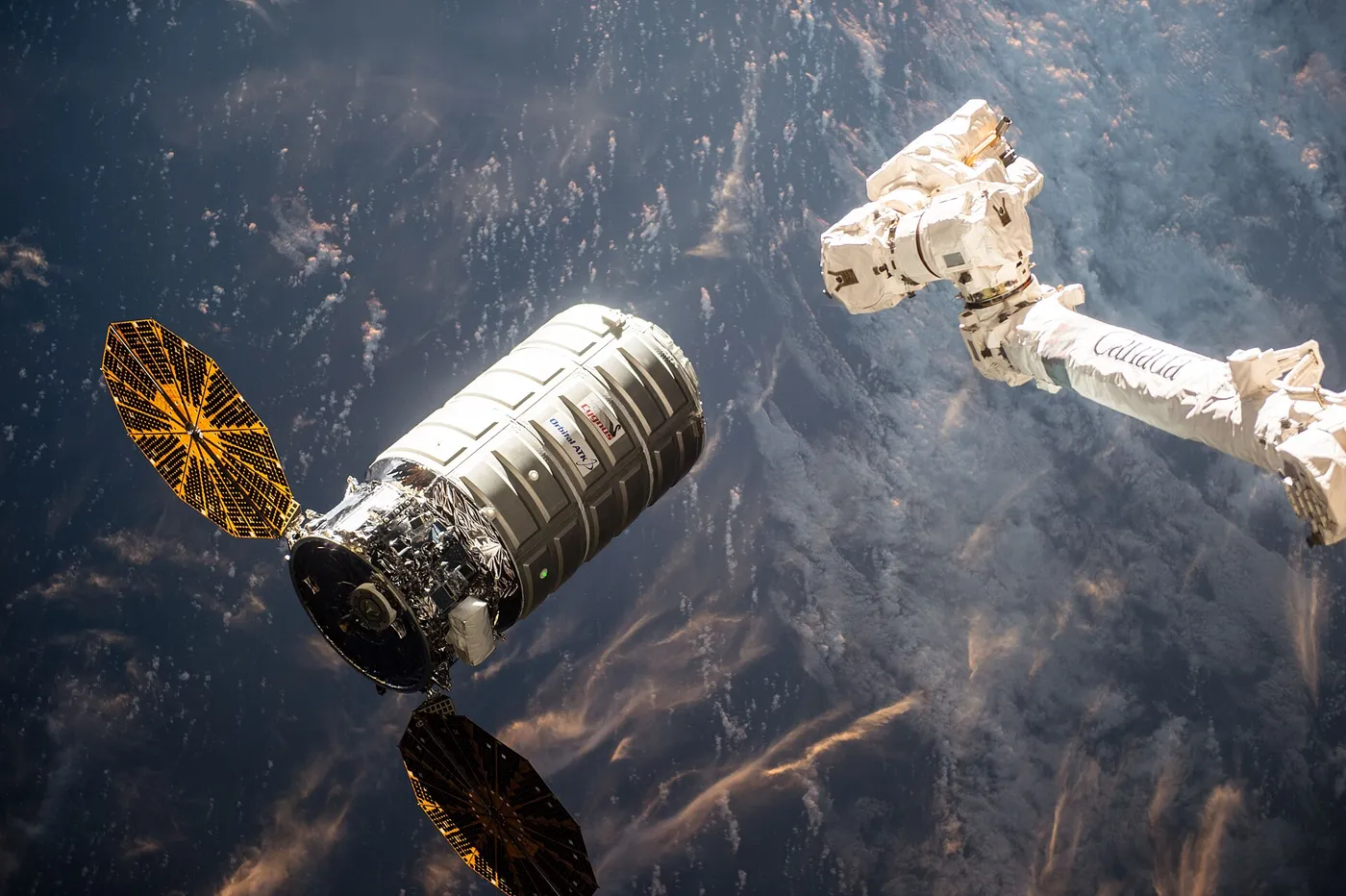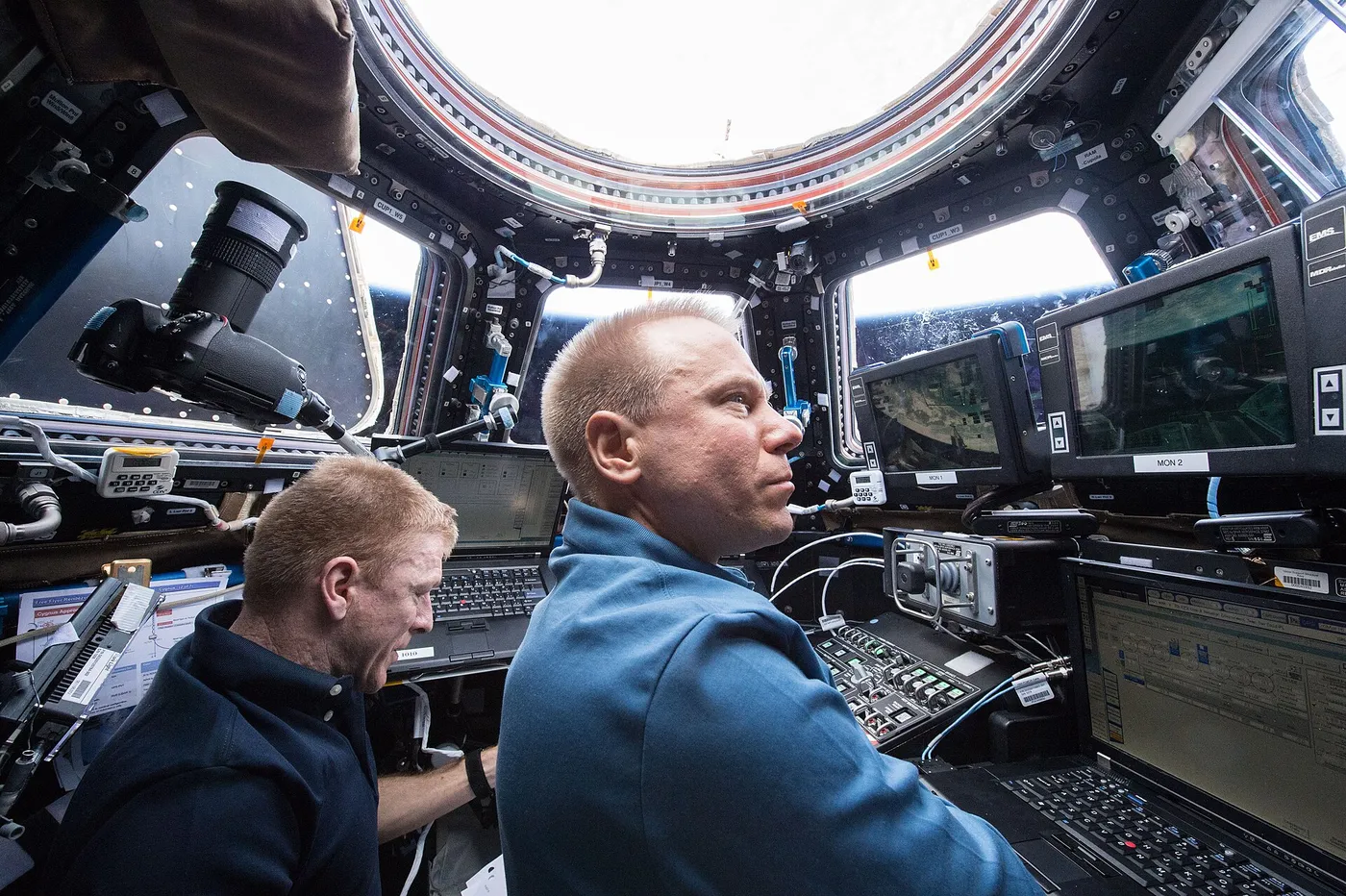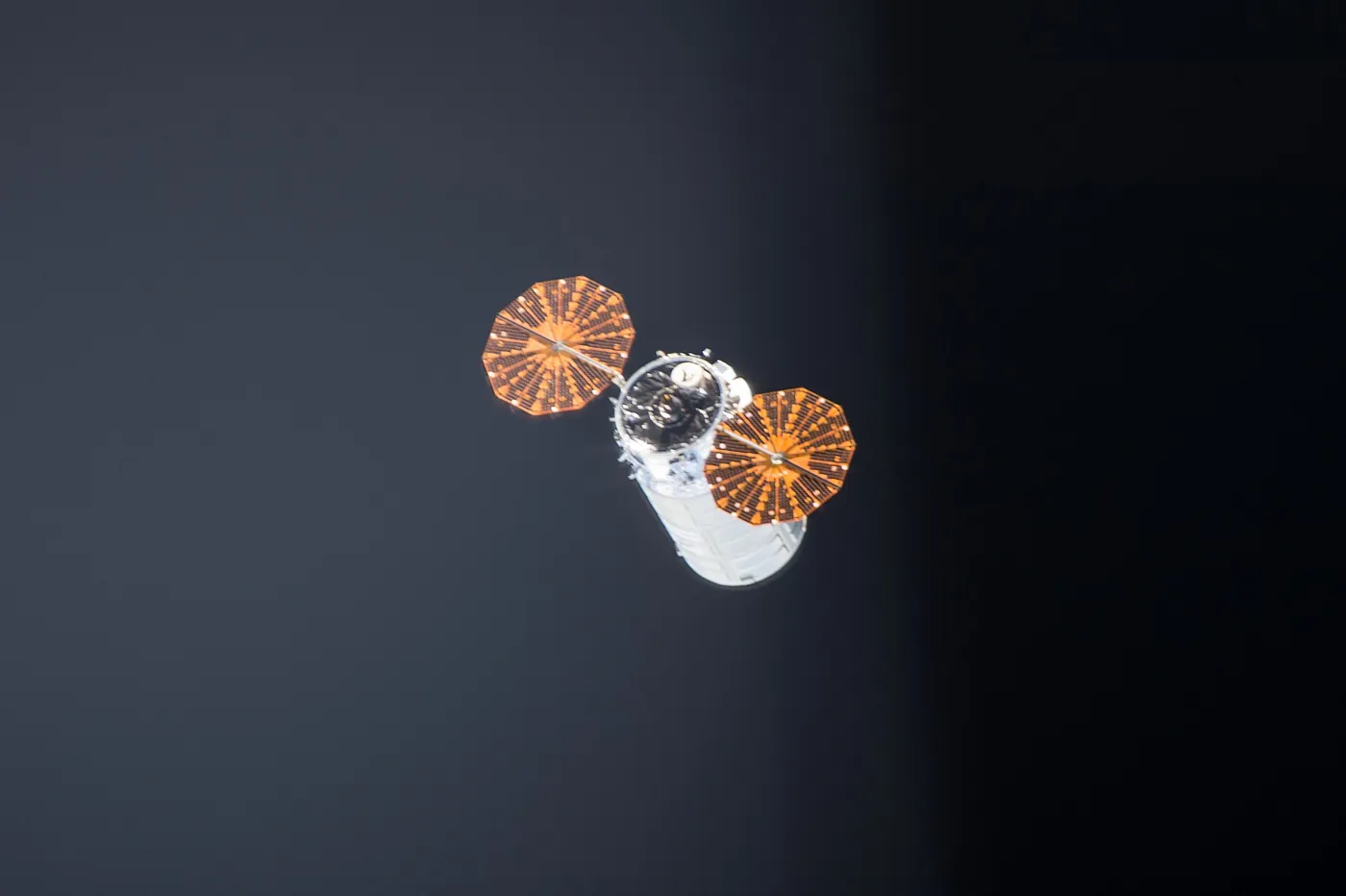
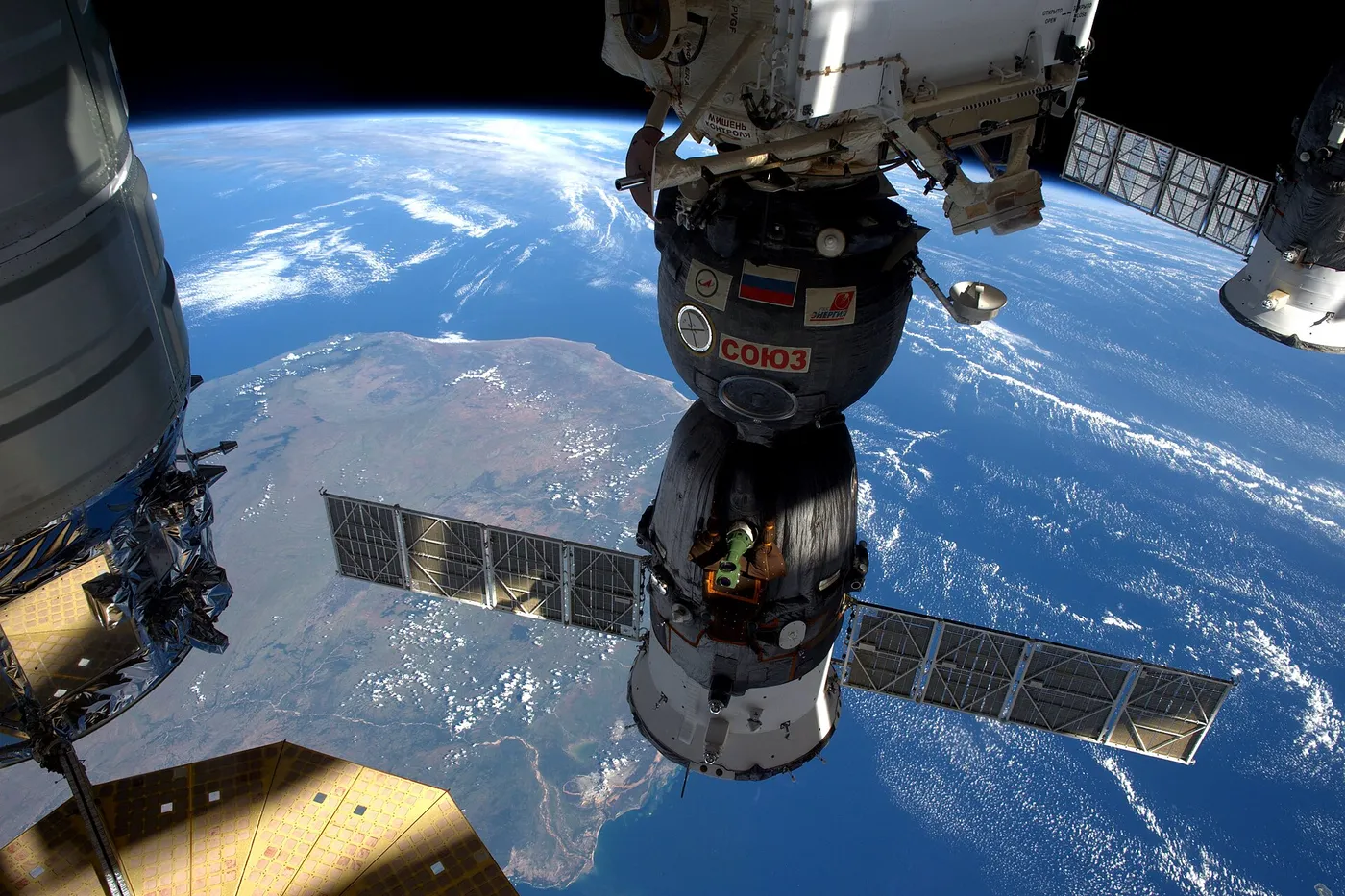

OA-7 flew on an Atlas V and delivered around 3,400 kilograms, one of the larger loads carried to the station by any vehicle, including a substantial quantity of scientific hardware.
Among it was an experiment growing crystals of proteins implicated in Parkinson's disease, and a facility for studying how cancer cells behave in the absence of gravity — research whose relevance depends on whether microgravity effects translate back to terrestrial biology, a question the station has been probing for two decades.
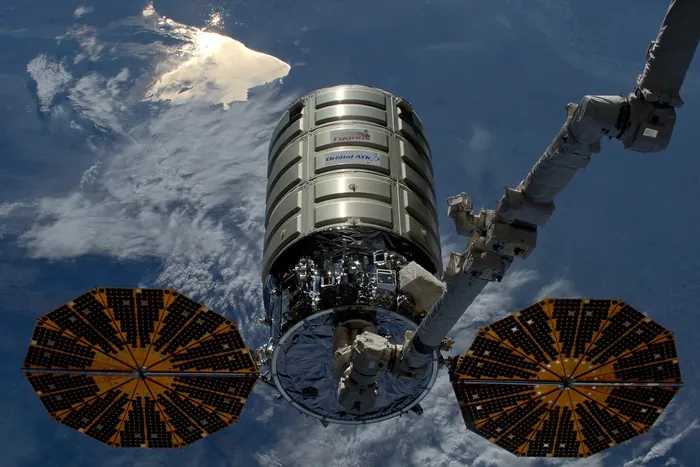
The mission also carried thirty-eight CubeSats for deployment, continuing the station's role as an orbital dispenser for small spacecraft.
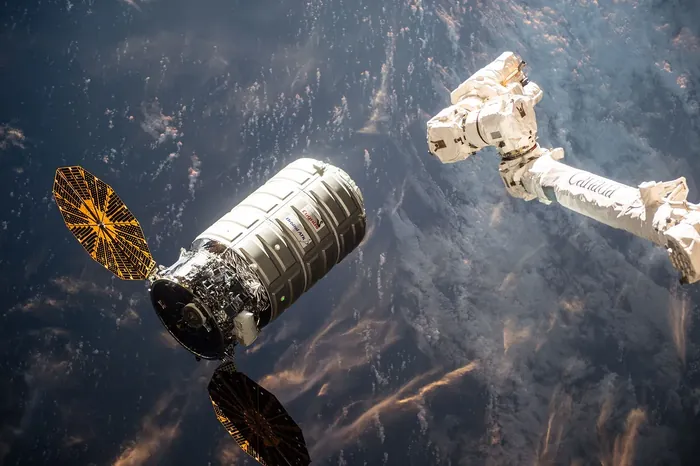
The vehicle was named for John Glenn, who had died four months earlier — an appropriate choice for a cargo ship, given that his own final flight had been as a test subject aboard a Shuttle at the age of 77.
It remained berthed for three months, considerably longer than usual, serving as additional pressurised volume while the station's schedule shifted around it.