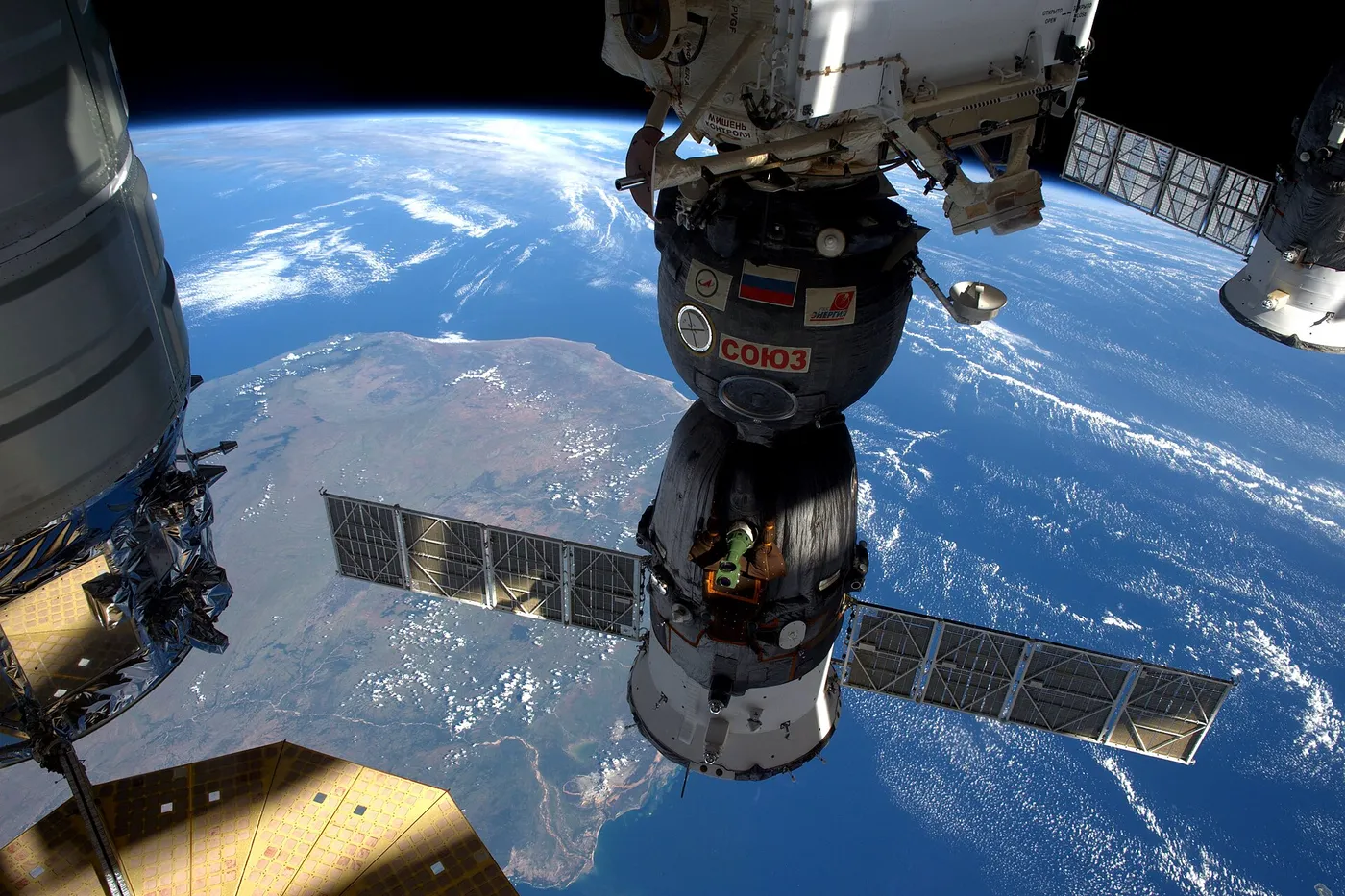

OA-6 flew on an Atlas V whose first stage under-performed, cutting off early. The upper stage compensated by burning longer than planned, delivering the spacecraft to the correct orbit — an unremarkable outcome to observers and a significant one to engineers, since the margin existed precisely for this.
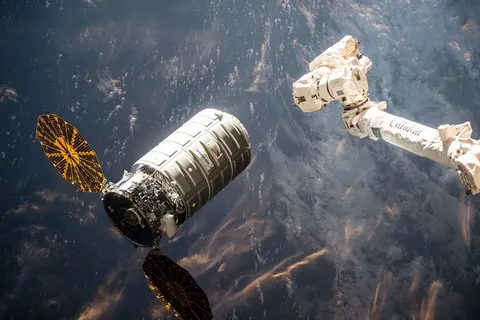
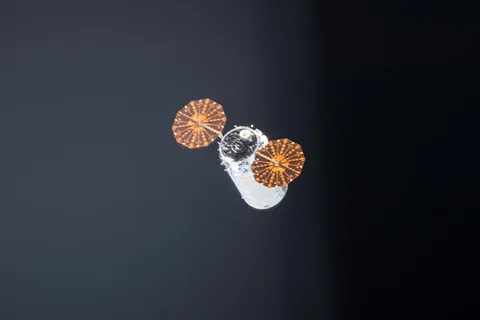
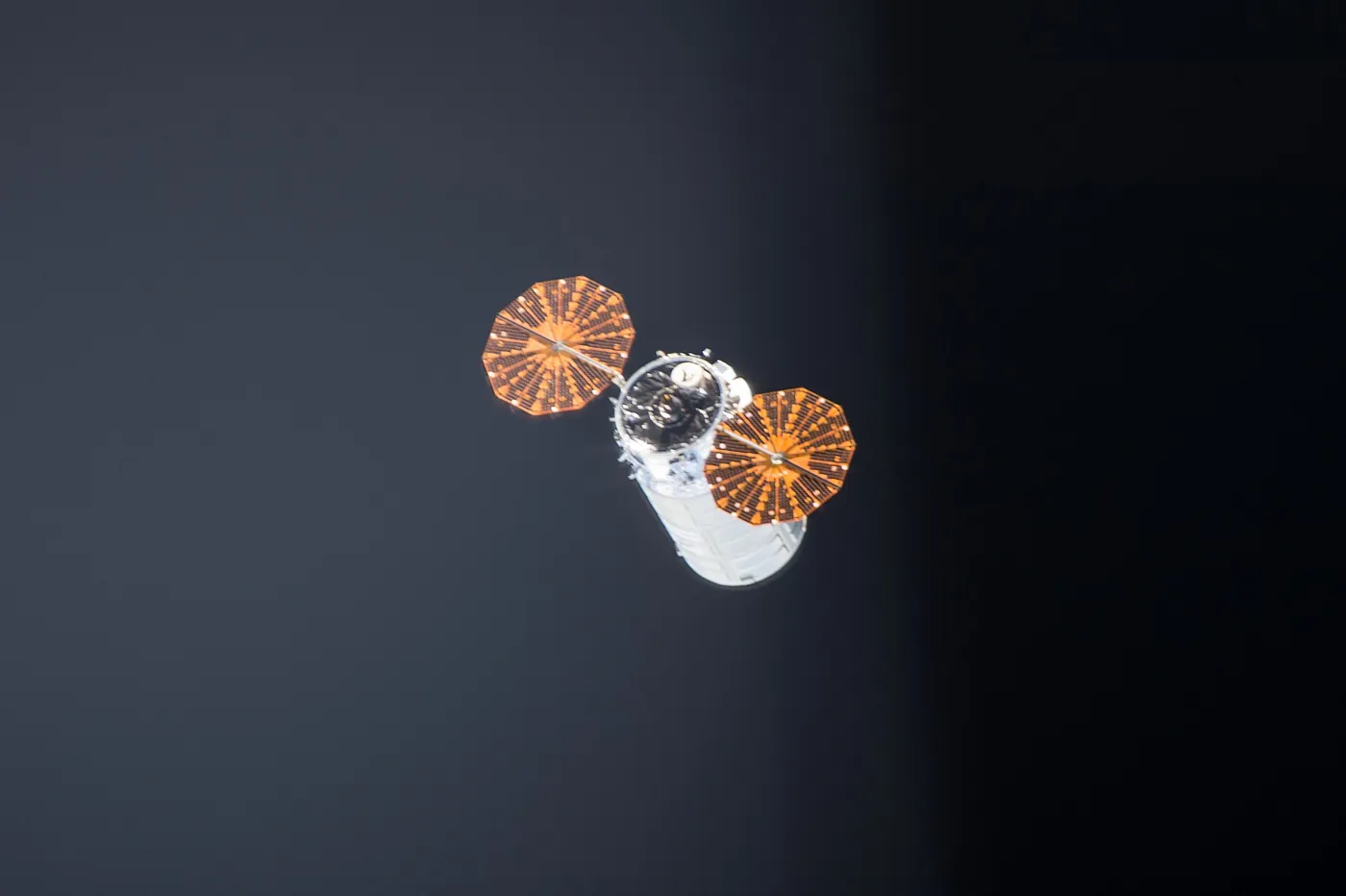
The mission's most interesting experiment happened after it left. Once Cygnus had departed the station, a deliberate fire was lit inside it — a metre-long sample of fabric ignited and filmed while the spacecraft was safely distant — to study how flames spread in weightlessness at a scale impossible to test aboard a crewed vehicle.
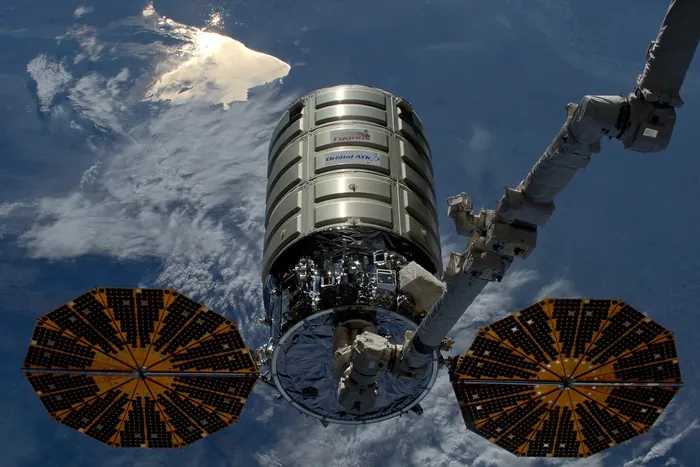
Fire is among the most serious hazards in a spacecraft, and almost all prior research had used small samples in laboratory rigs. A departing cargo vehicle about to be destroyed anyway is an ideal test article, and the experiment was repeated on several later flights.
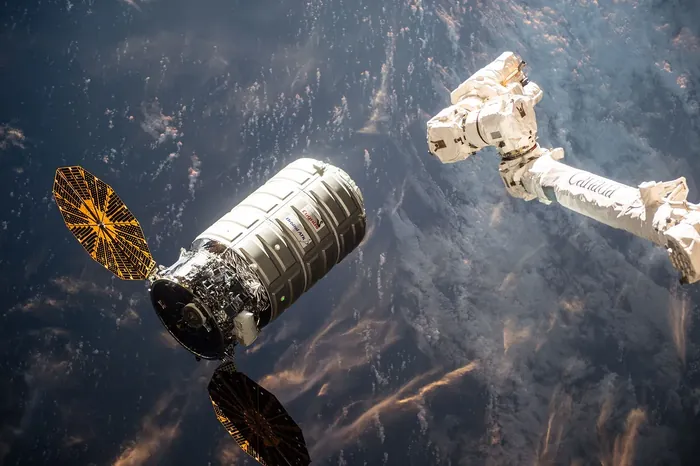
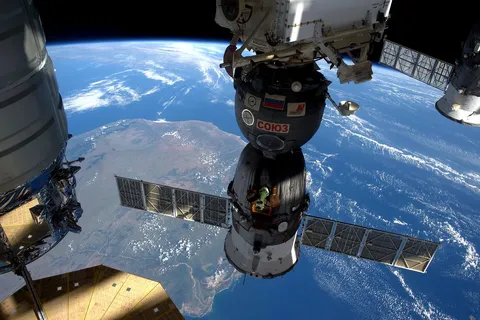
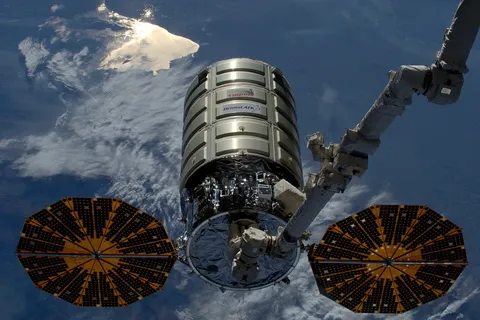
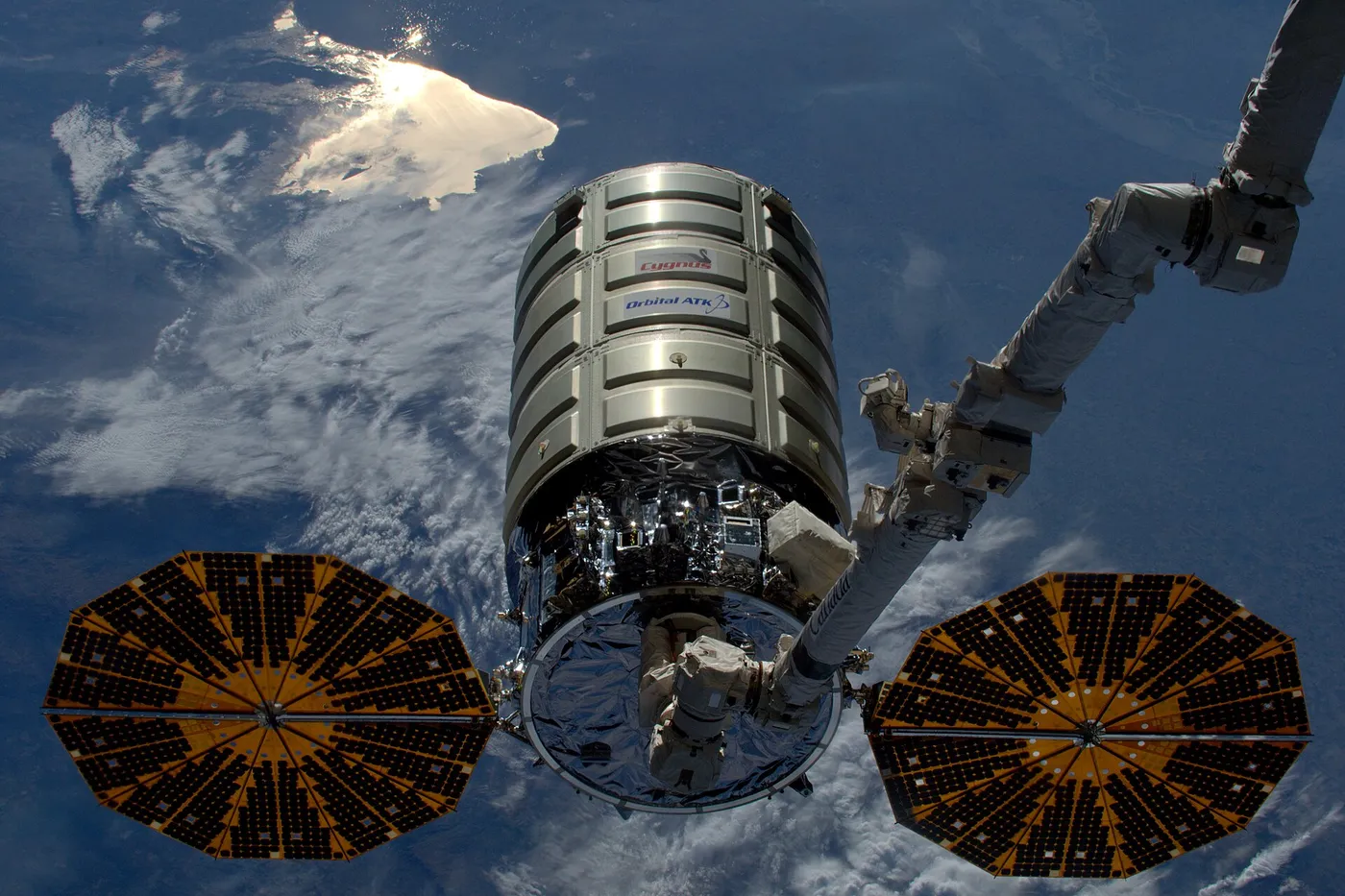
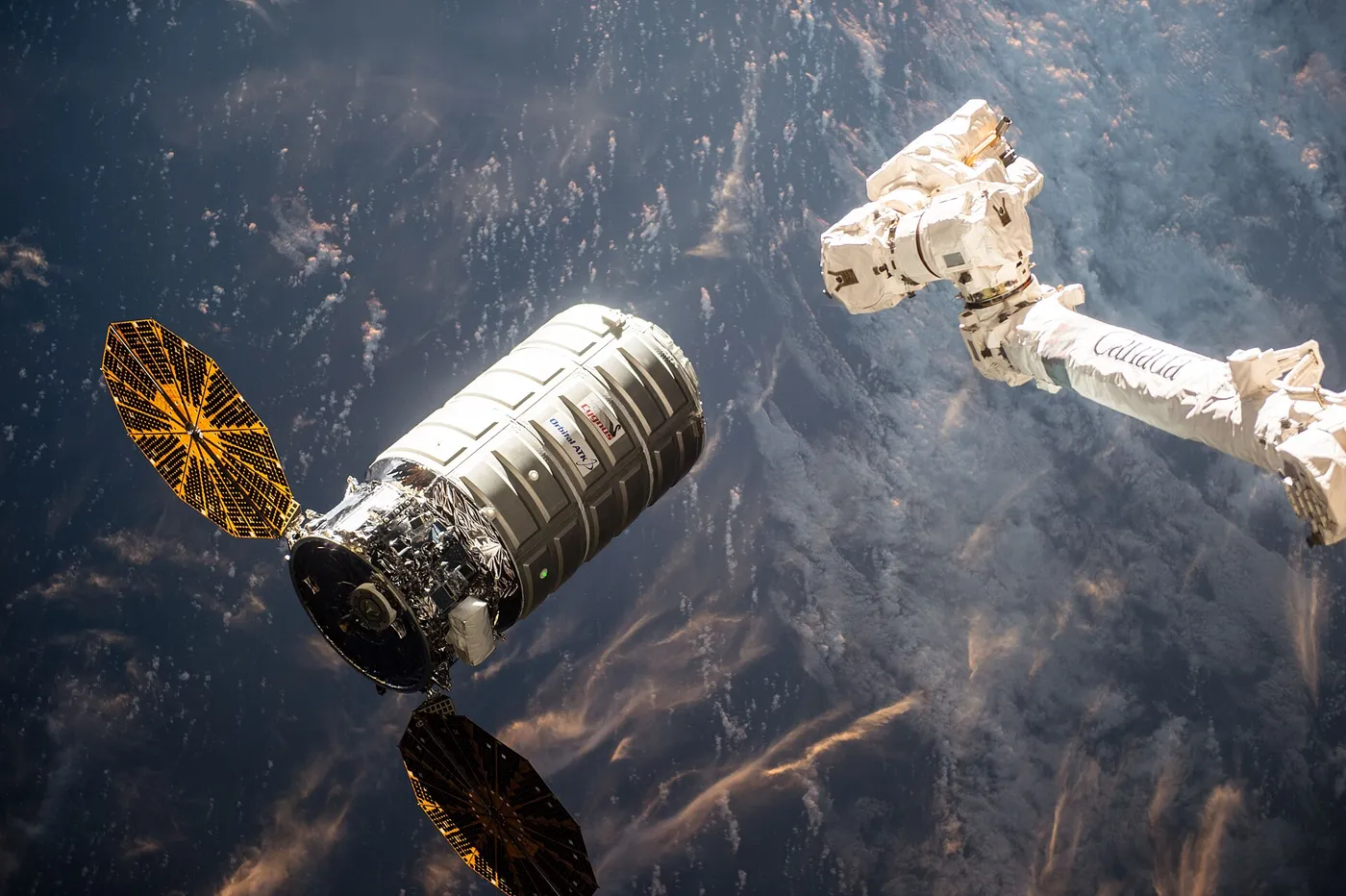
The delivery itself was around 3,400 kilograms including a 3D printer, experiments on meteor observation and gecko-inspired adhesives, and a large quantity of crew supplies.
The spacecraft was named for Rick Husband, the commander of Columbia's final flight.