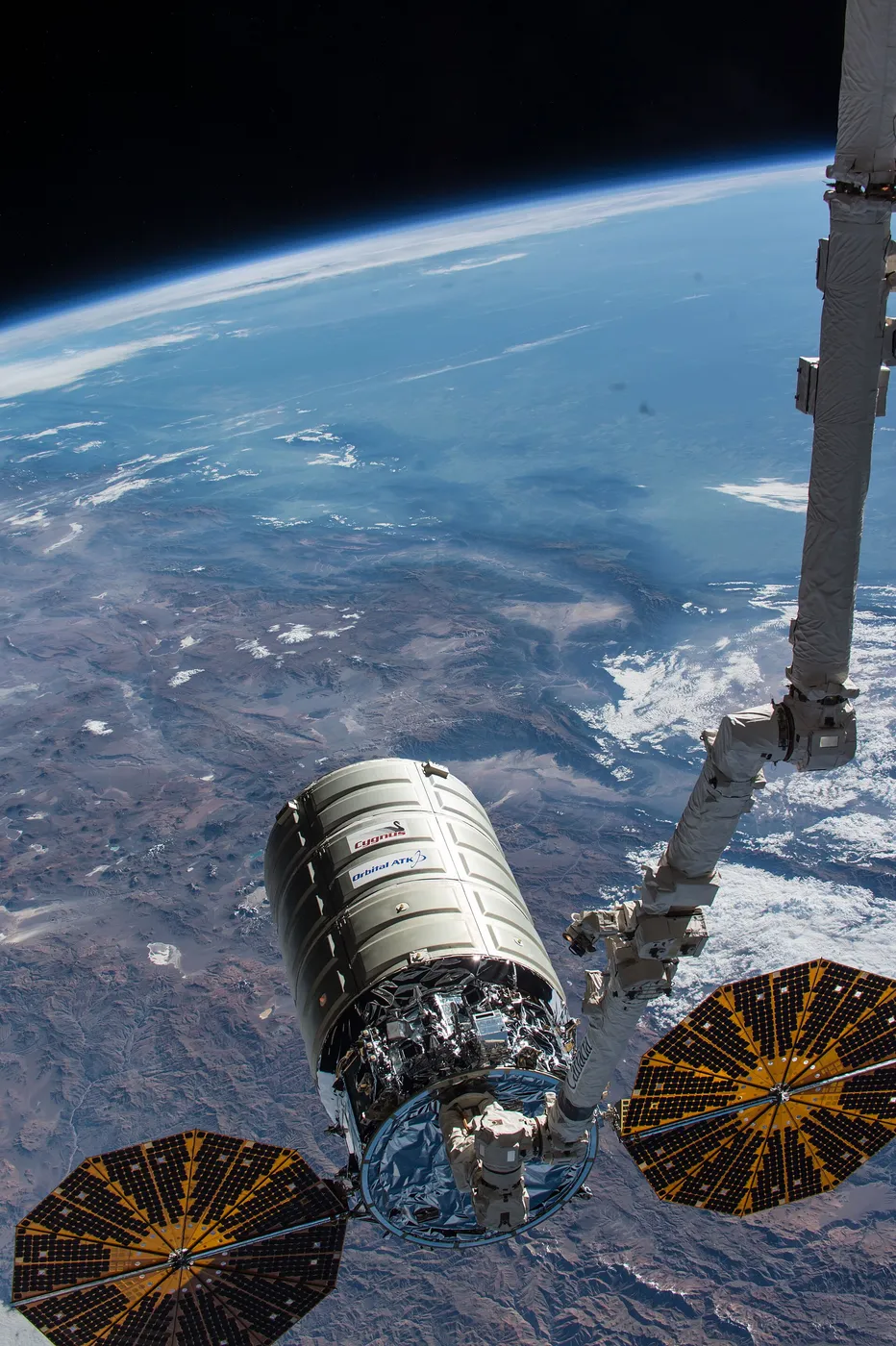

The return to flight came a year later and on somebody else's rocket. With Antares grounded pending its re-engining, the company bought launches on an Atlas V — a competitor's vehicle, and a considerably more expensive one — rather than let the station go unsupplied.
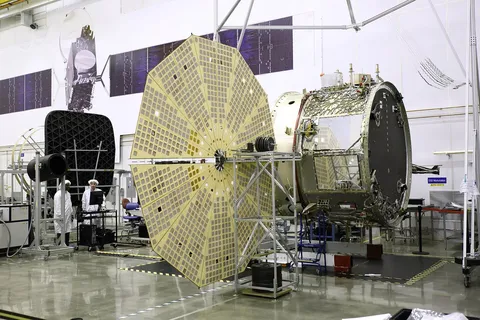
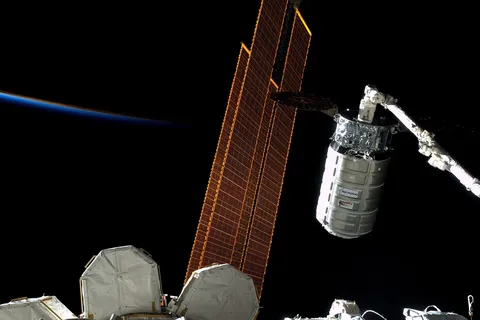
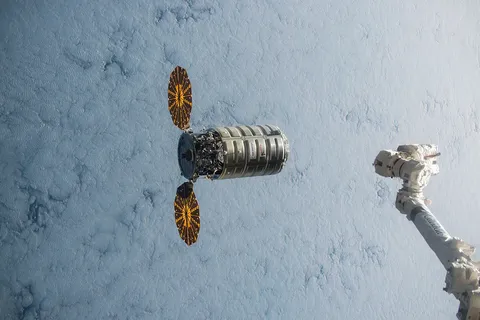
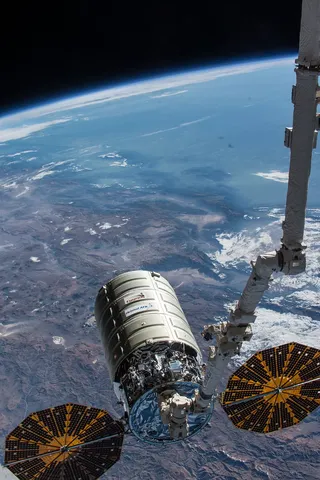
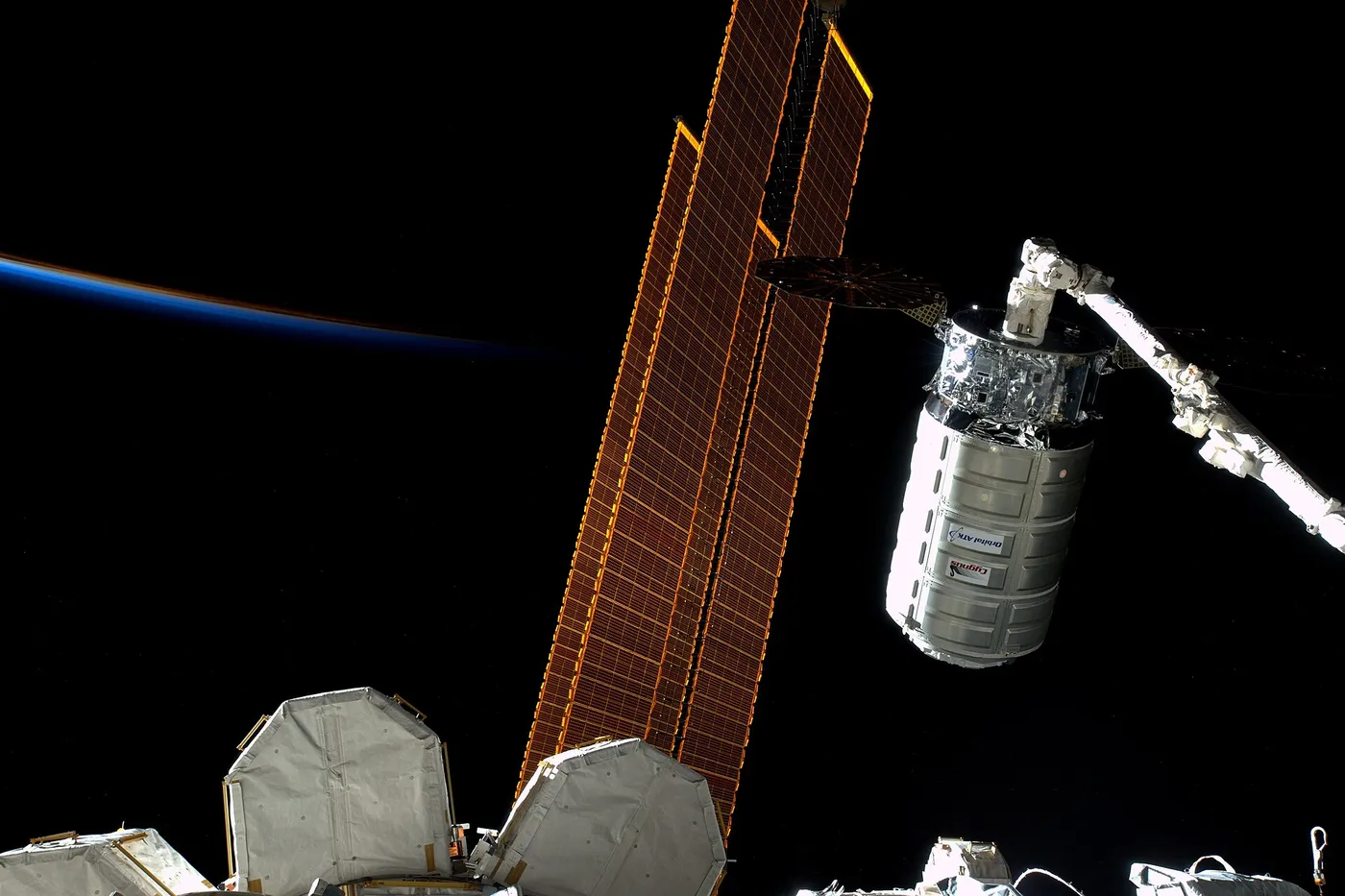
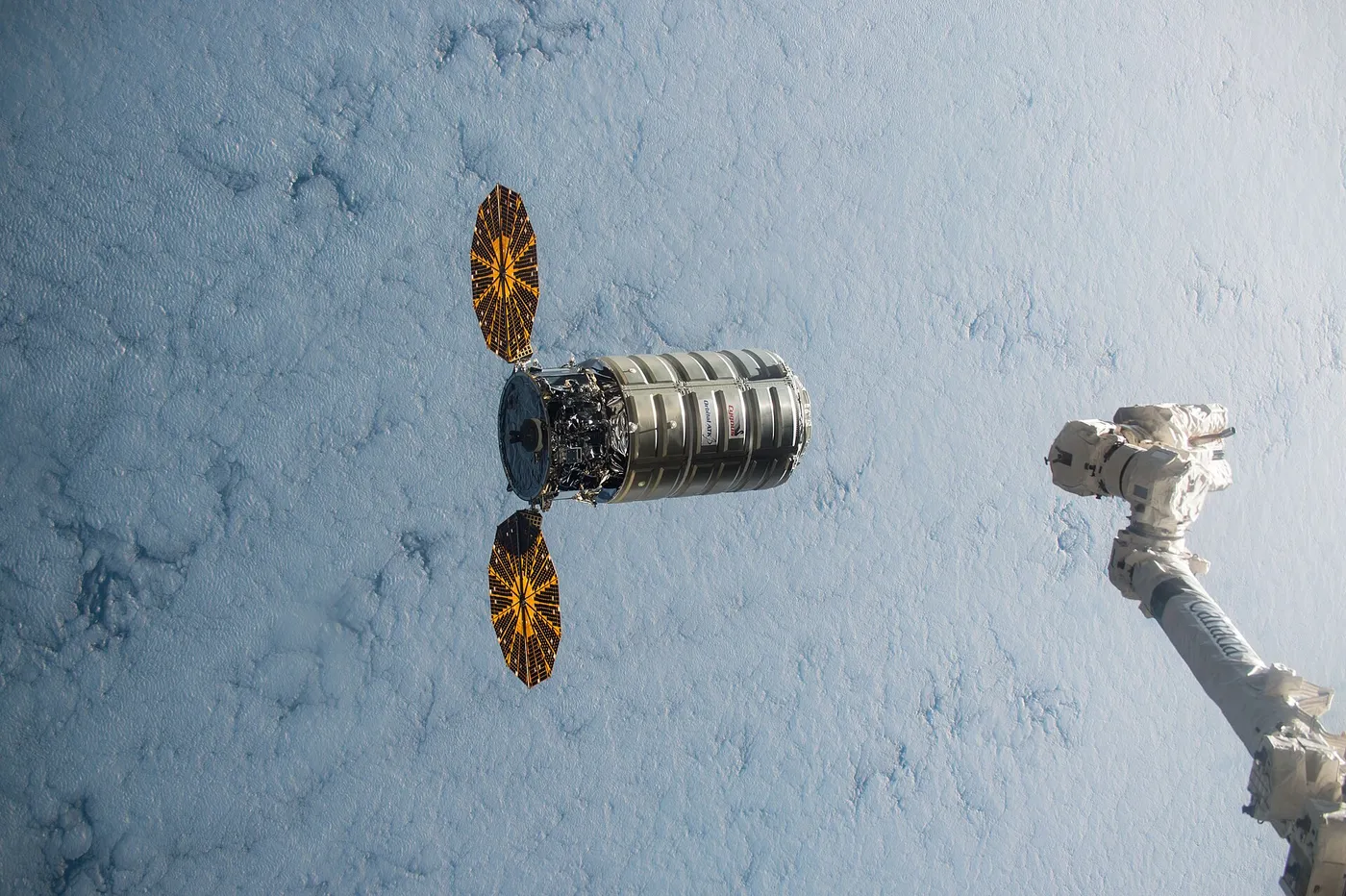
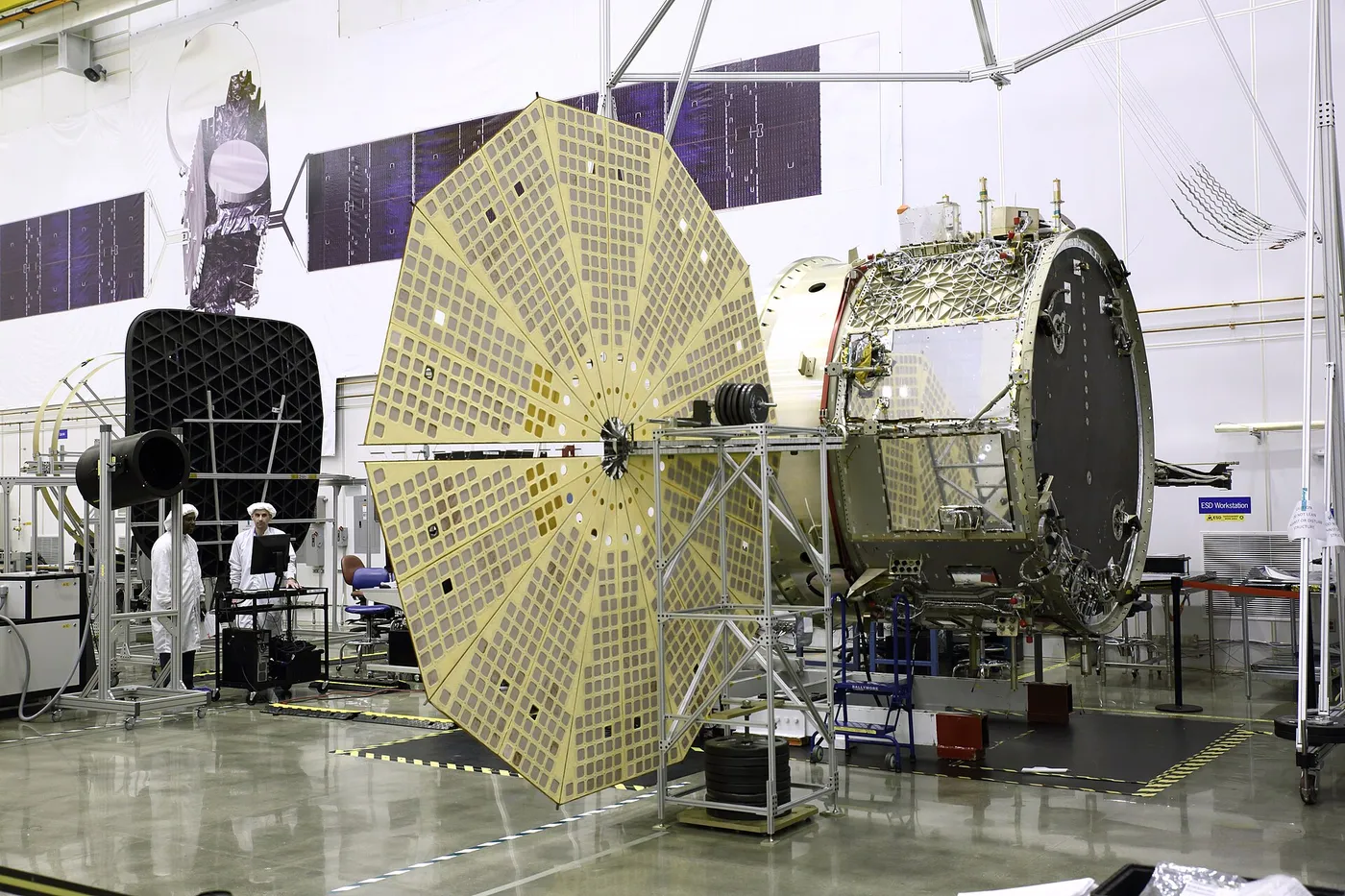
The extra performance allowed a larger spacecraft. This was the first enhanced Cygnus, with a lengthened pressurised module increasing capacity by roughly a quarter, and it delivered around 3,500 kilograms — the largest cargo load the vehicle had carried.
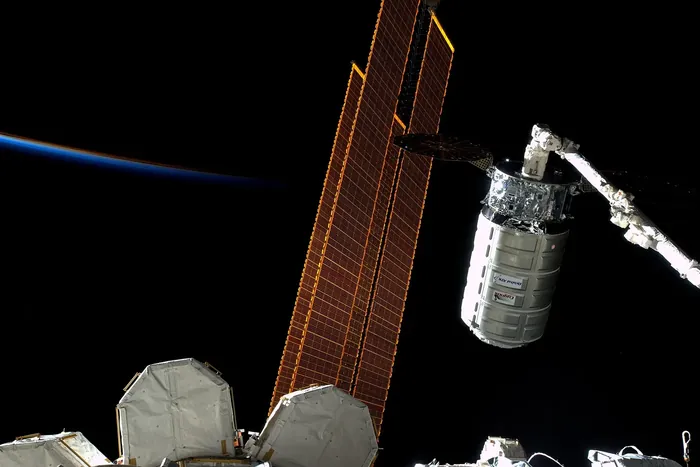
That included a microsatellite deployer, experiments on combustion and materials, and a substantial quantity of food and spare parts replacing what had been lost in the previous year's failures.
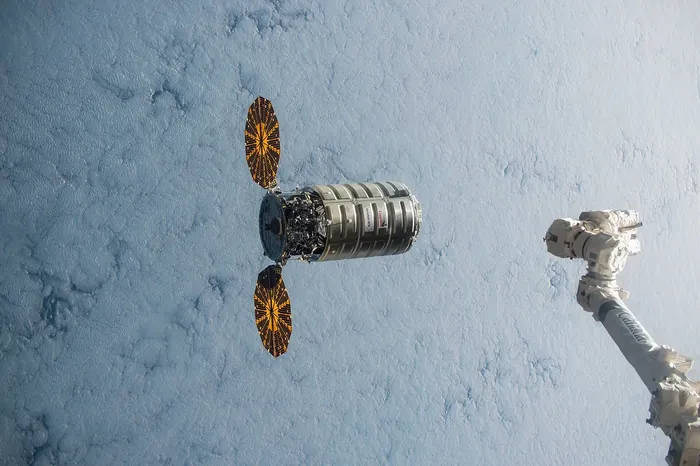
The spacecraft was named Deke Slayton II, deliberately carrying forward the name lost in the launch failure — a small gesture with an obvious meaning for the people who had built it.
Buying a competitor's launch vehicle to honour a fixed-price contract is an unusual commercial outcome, and it demonstrated the point of structuring the programme that way: the contractor absorbed the cost of its own failure rather than the customer.