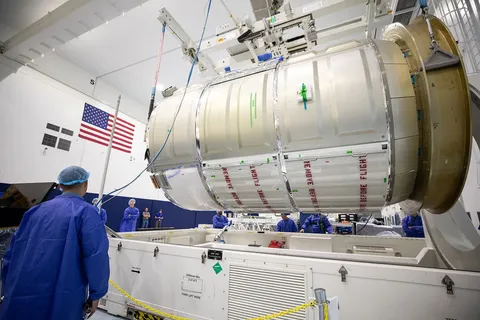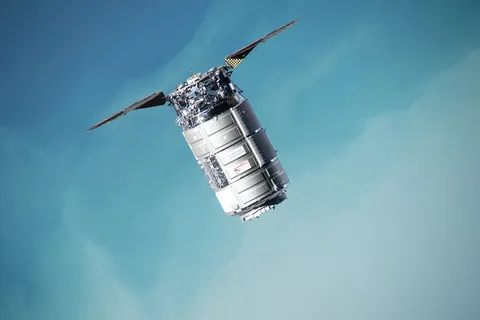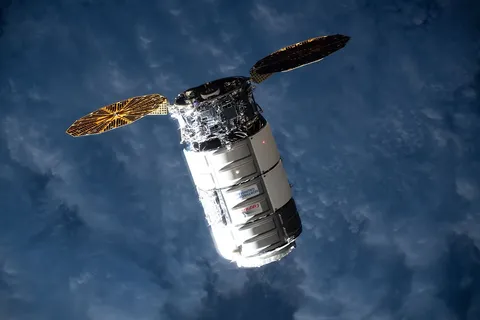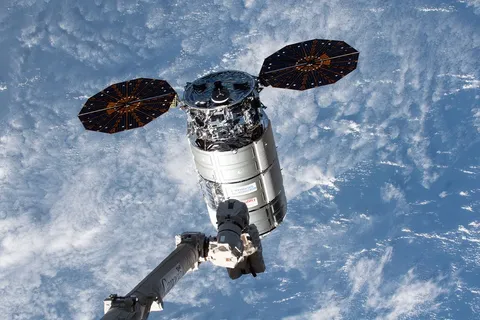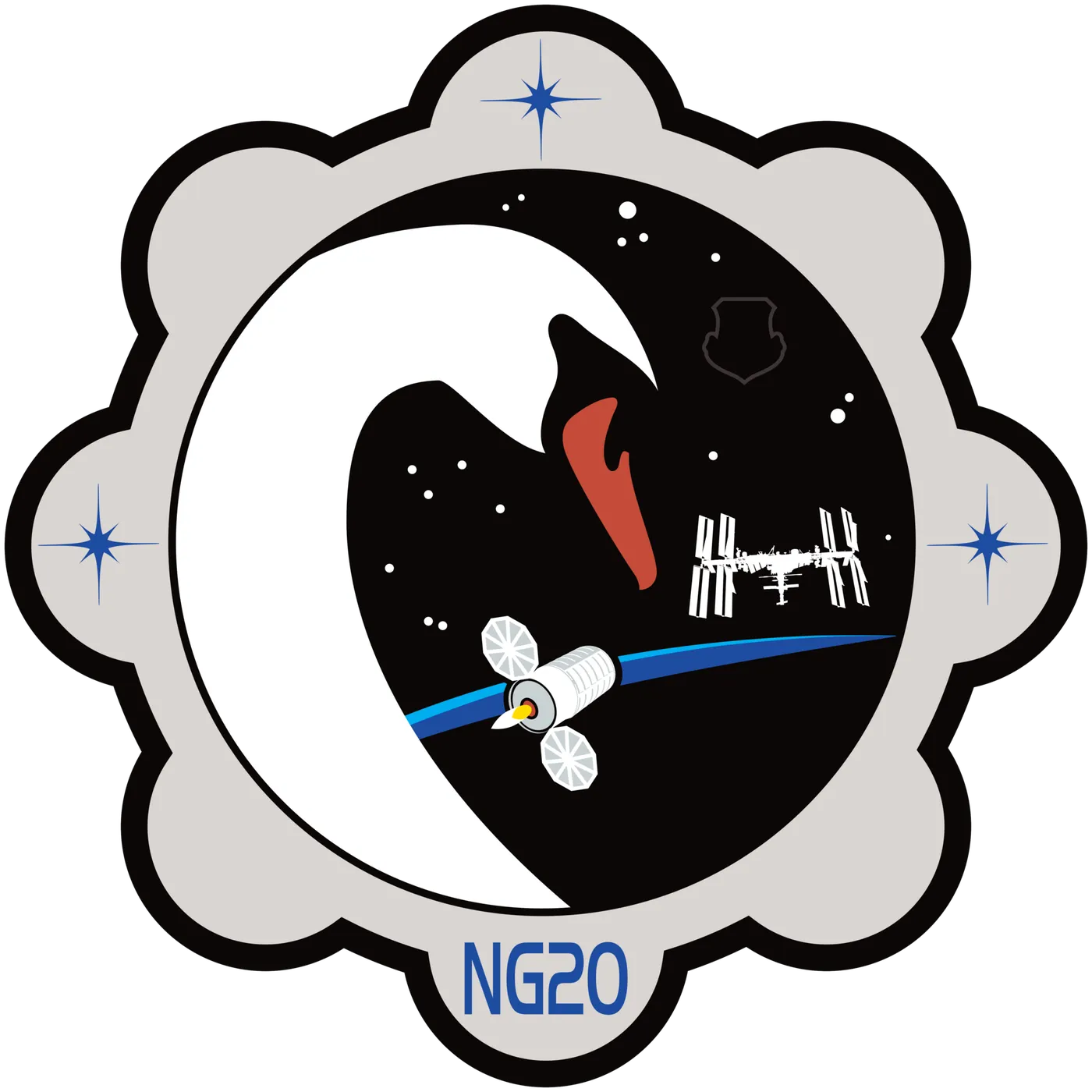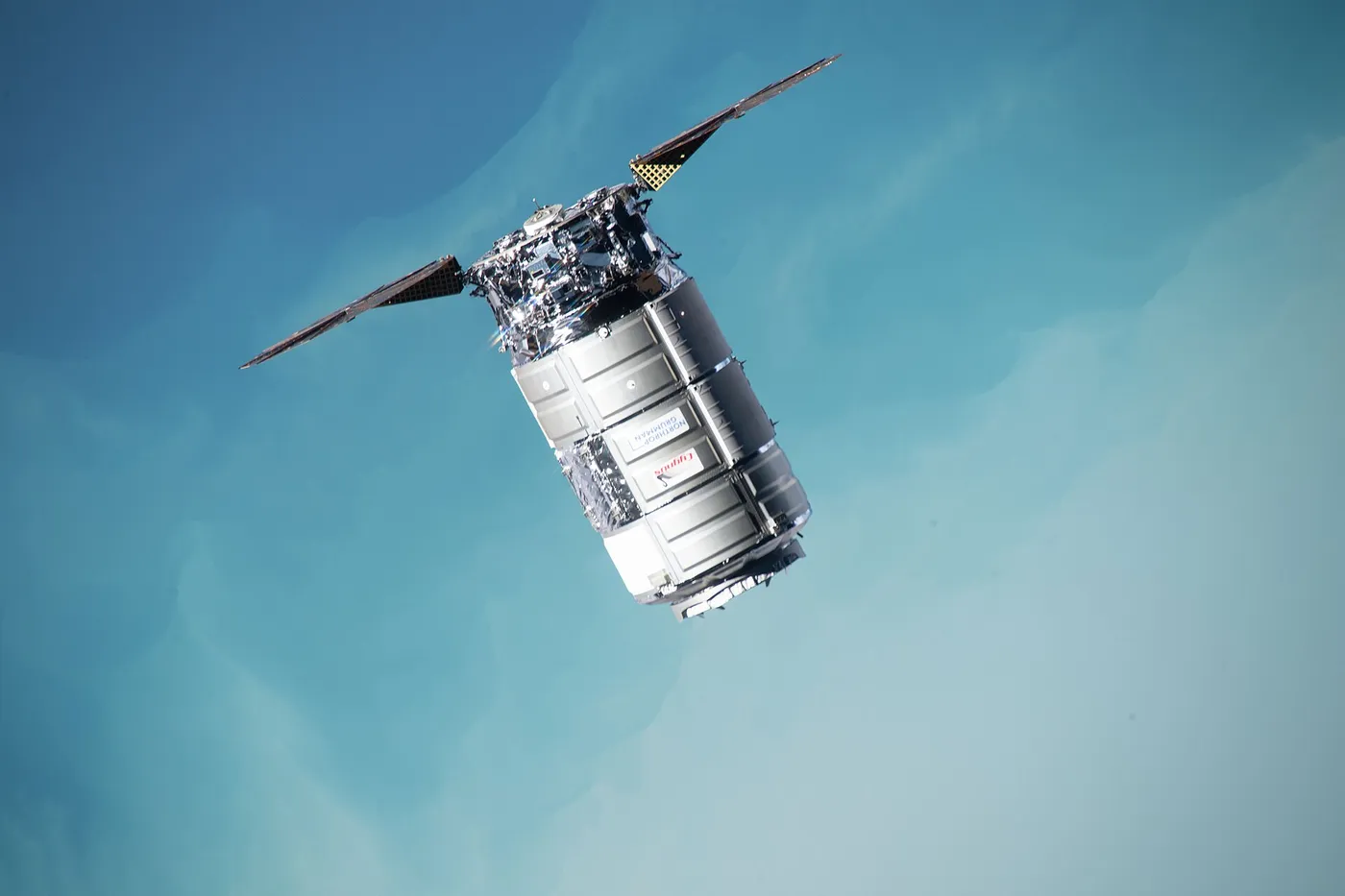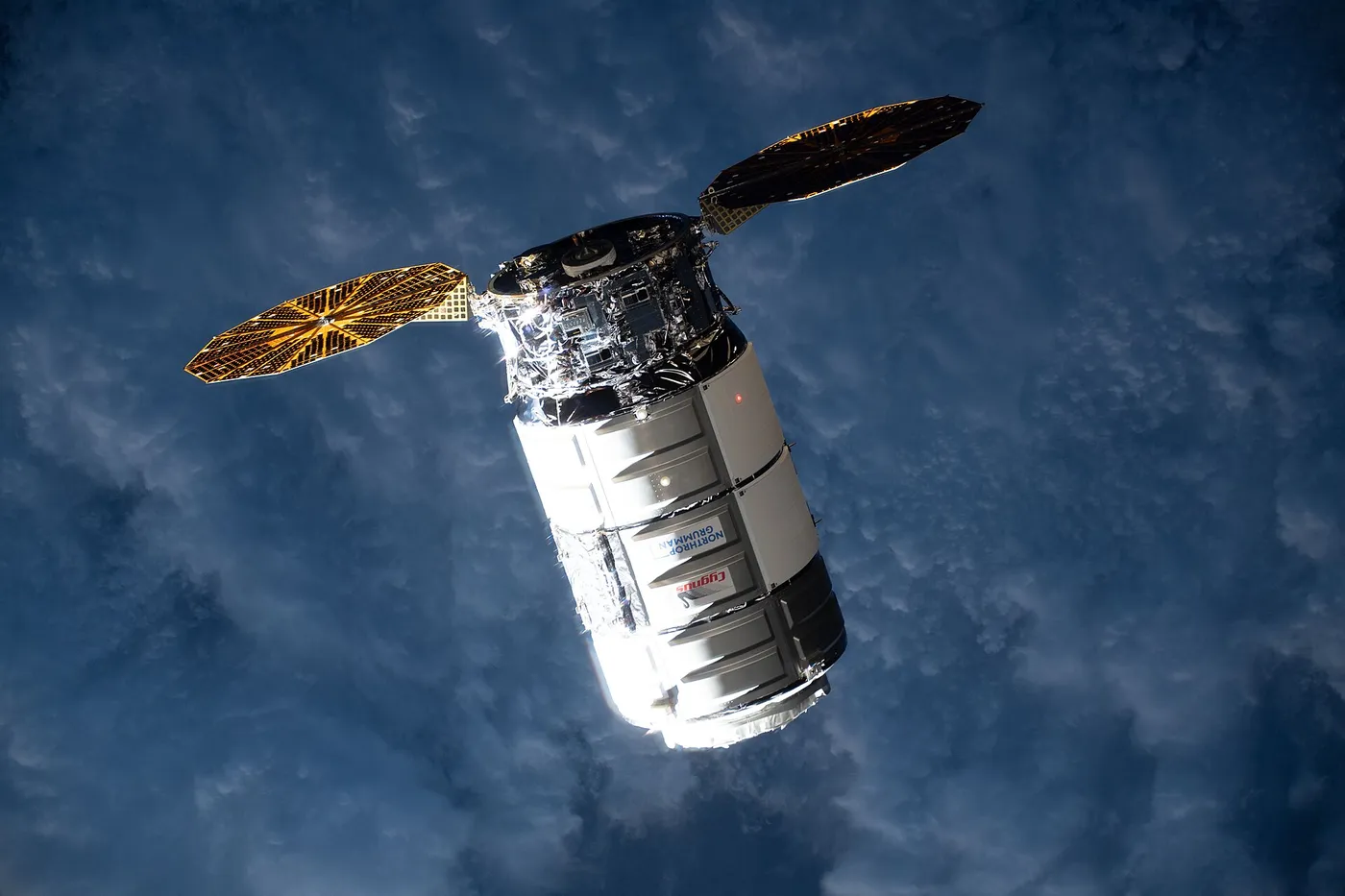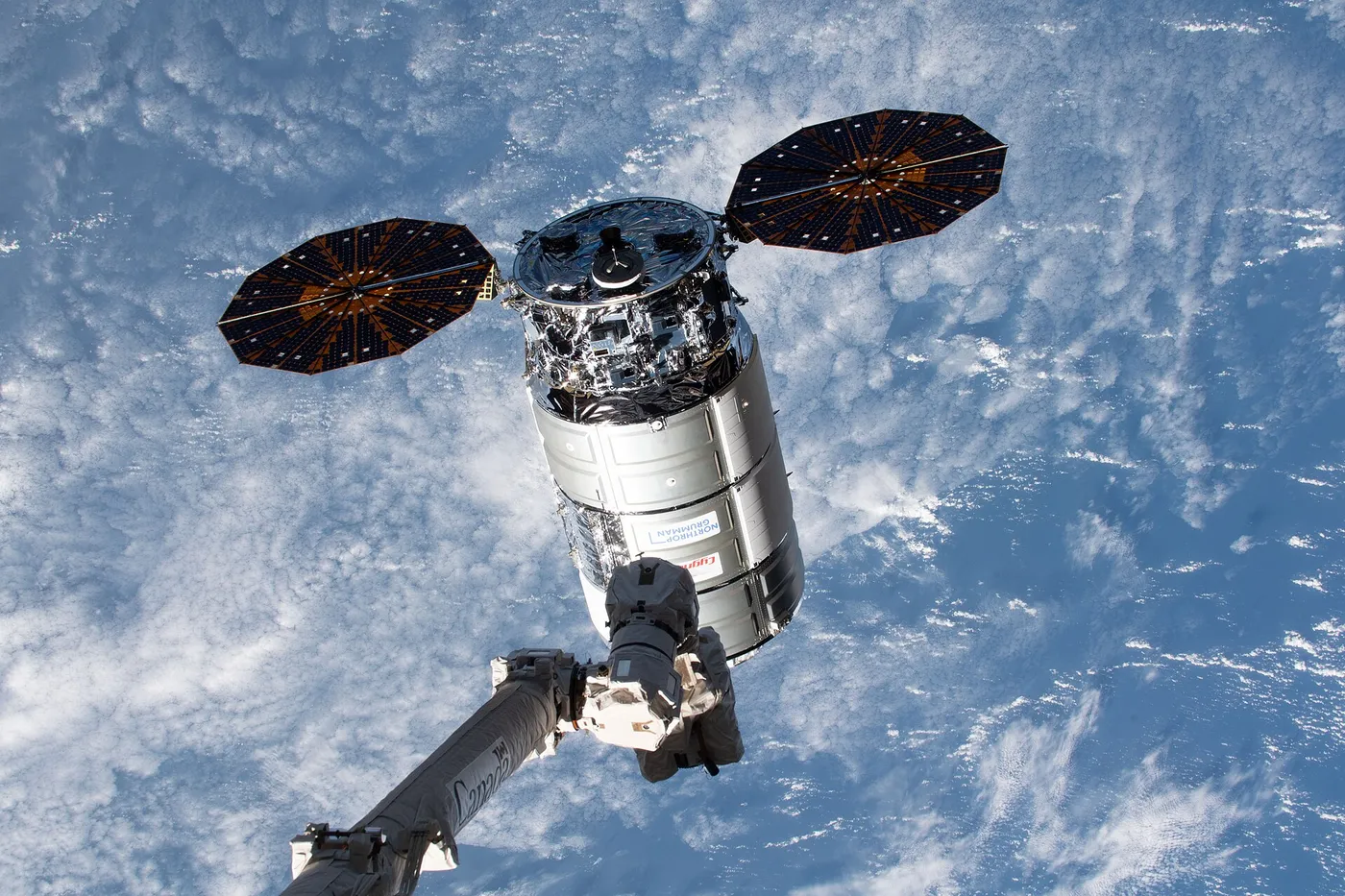
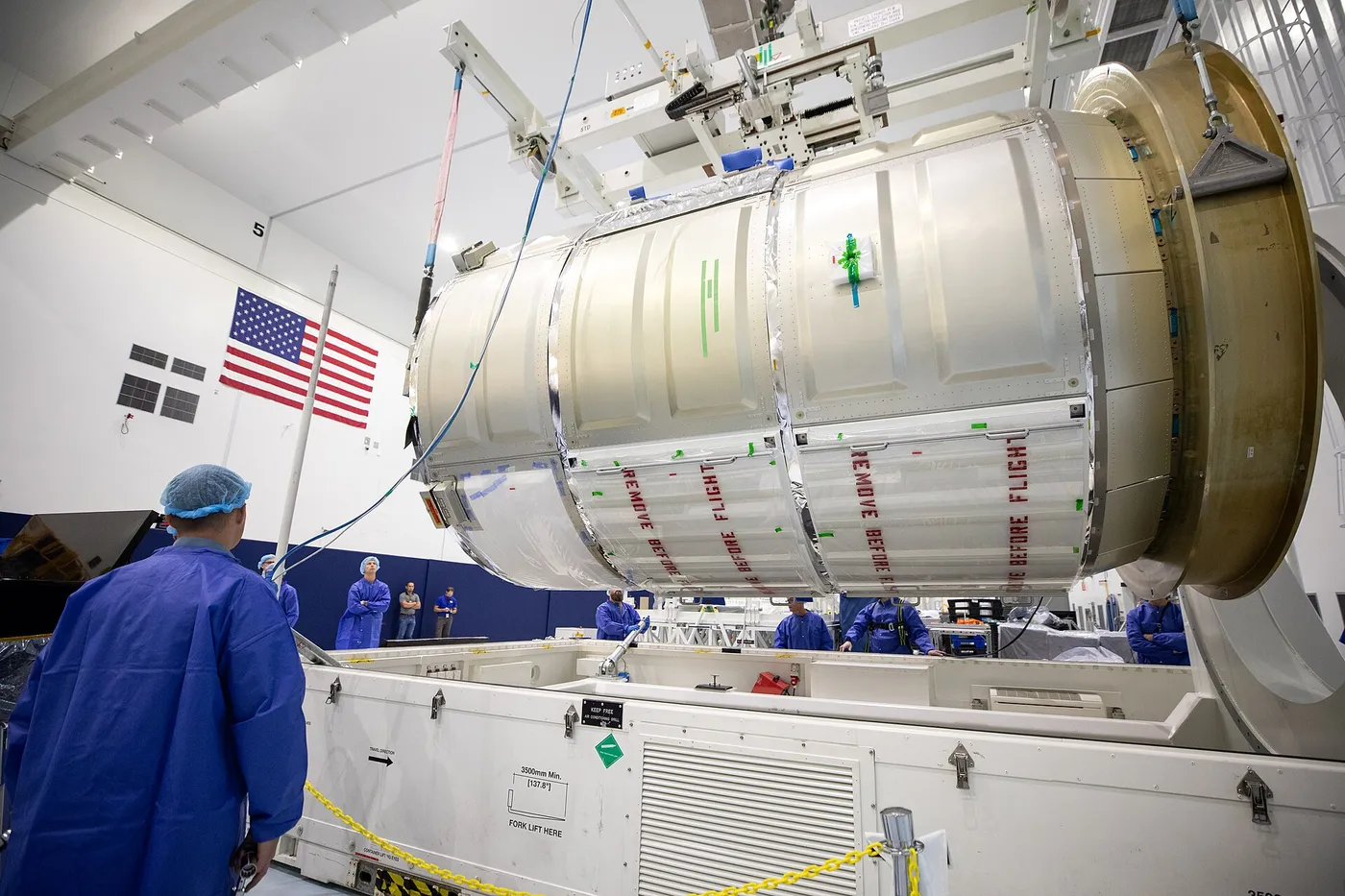

NG-20 launched on a Falcon 9, its manufacturer's principal competitor providing the ride because Antares no longer had engines. The arrangement covered three missions while a replacement rocket was developed with American propulsion.
The spacecraft delivered around 3,700 kilograms including a high-definition camera system, experiments on tissue engineering and on the behaviour of liquids in microgravity, and a substantial quantity of crew supplies.
It was named for Patricia Hilliard Robertson, a NASA physician and astronaut candidate who died in a light aircraft accident in 2001 before flying.
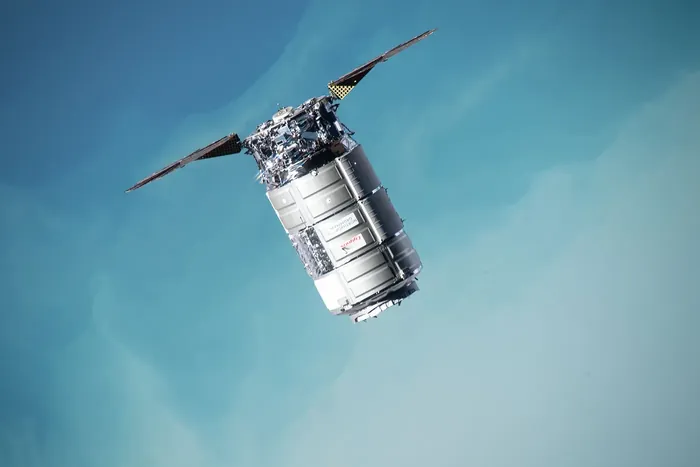
Adapting Cygnus to a different launch vehicle required modifications to its structure and interfaces, and the fact that it could be done at all reflected a deliberate design choice to keep the spacecraft independent of any single rocket.
It performed a reboost of the station during its stay, by then a standard part of the mission profile rather than a demonstration.