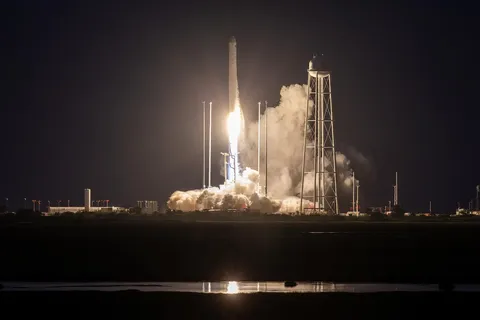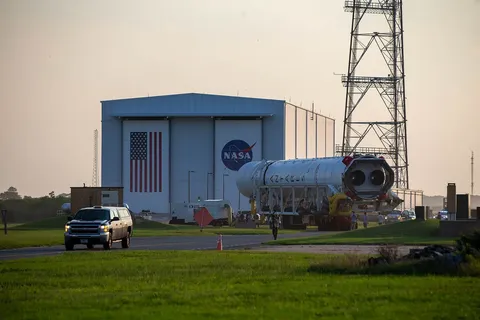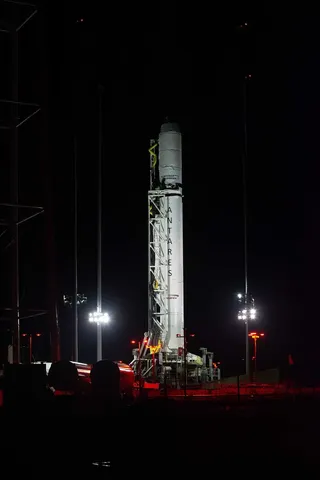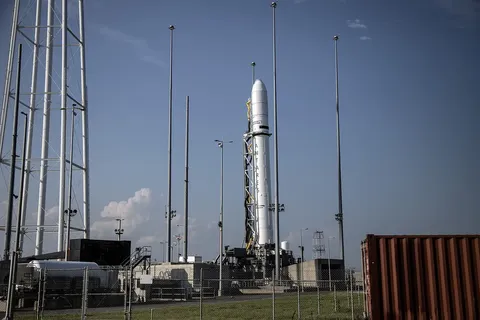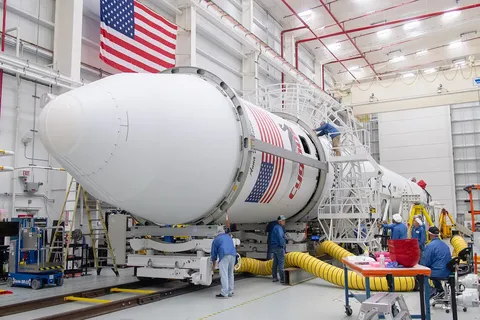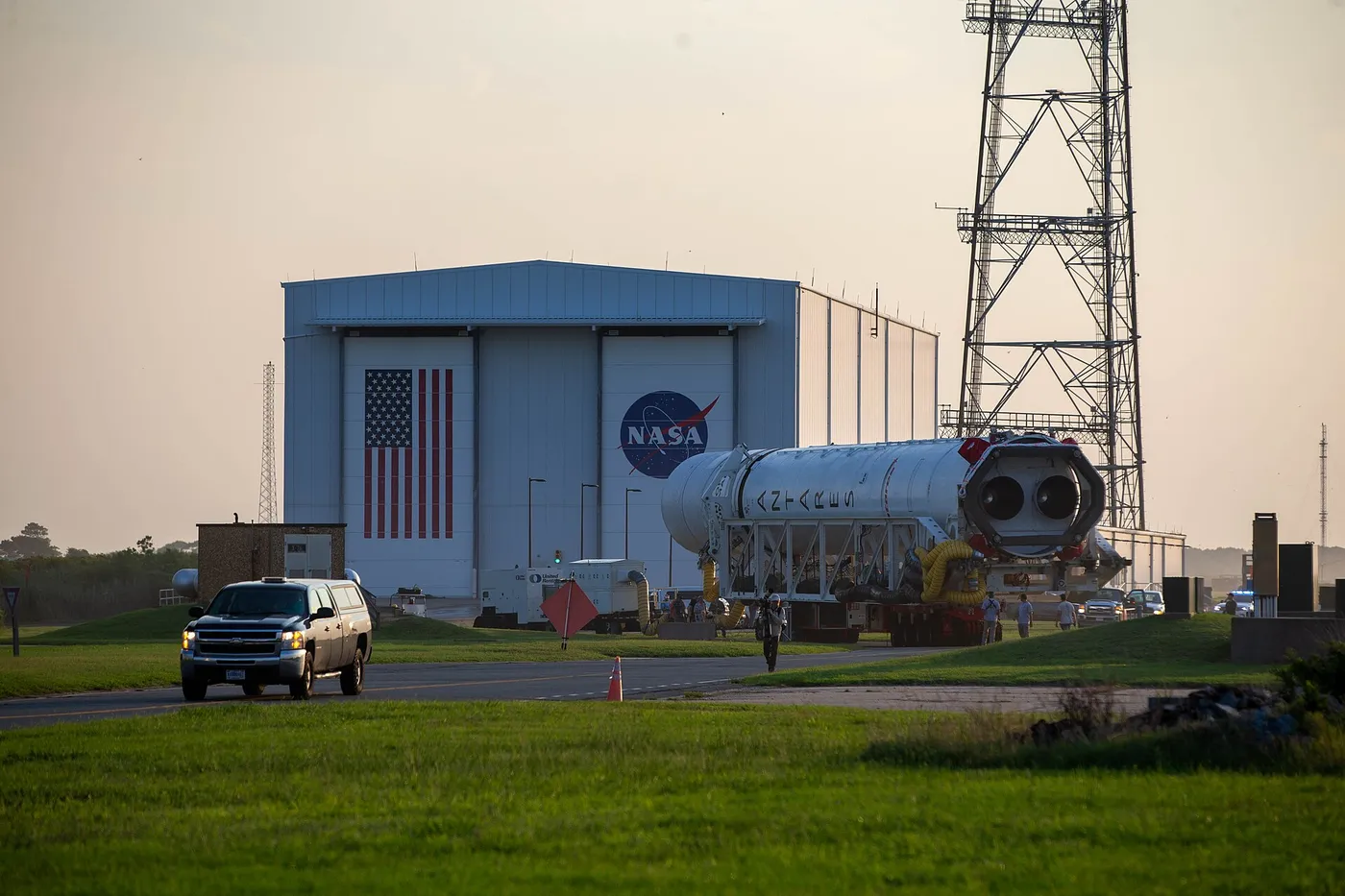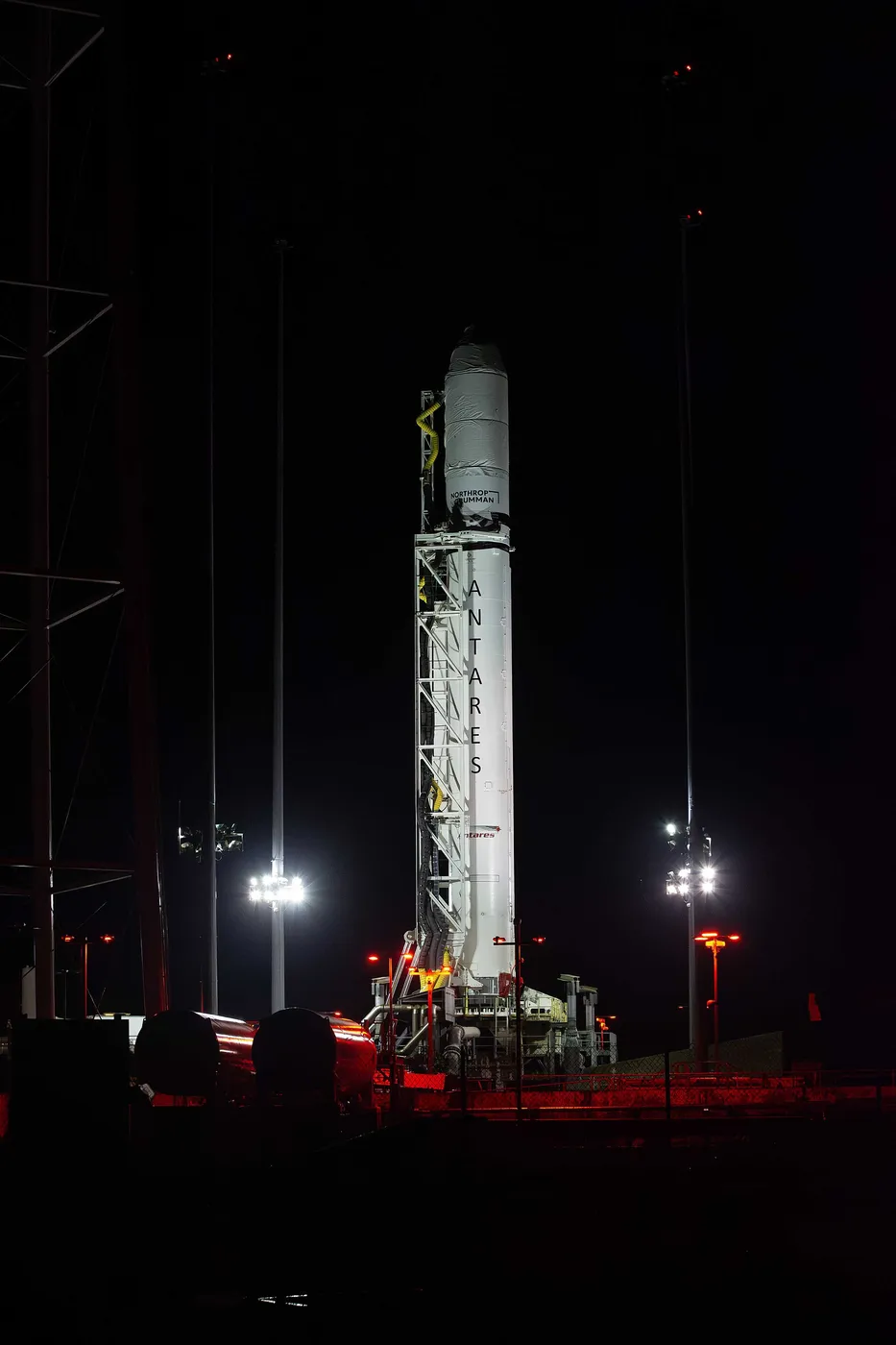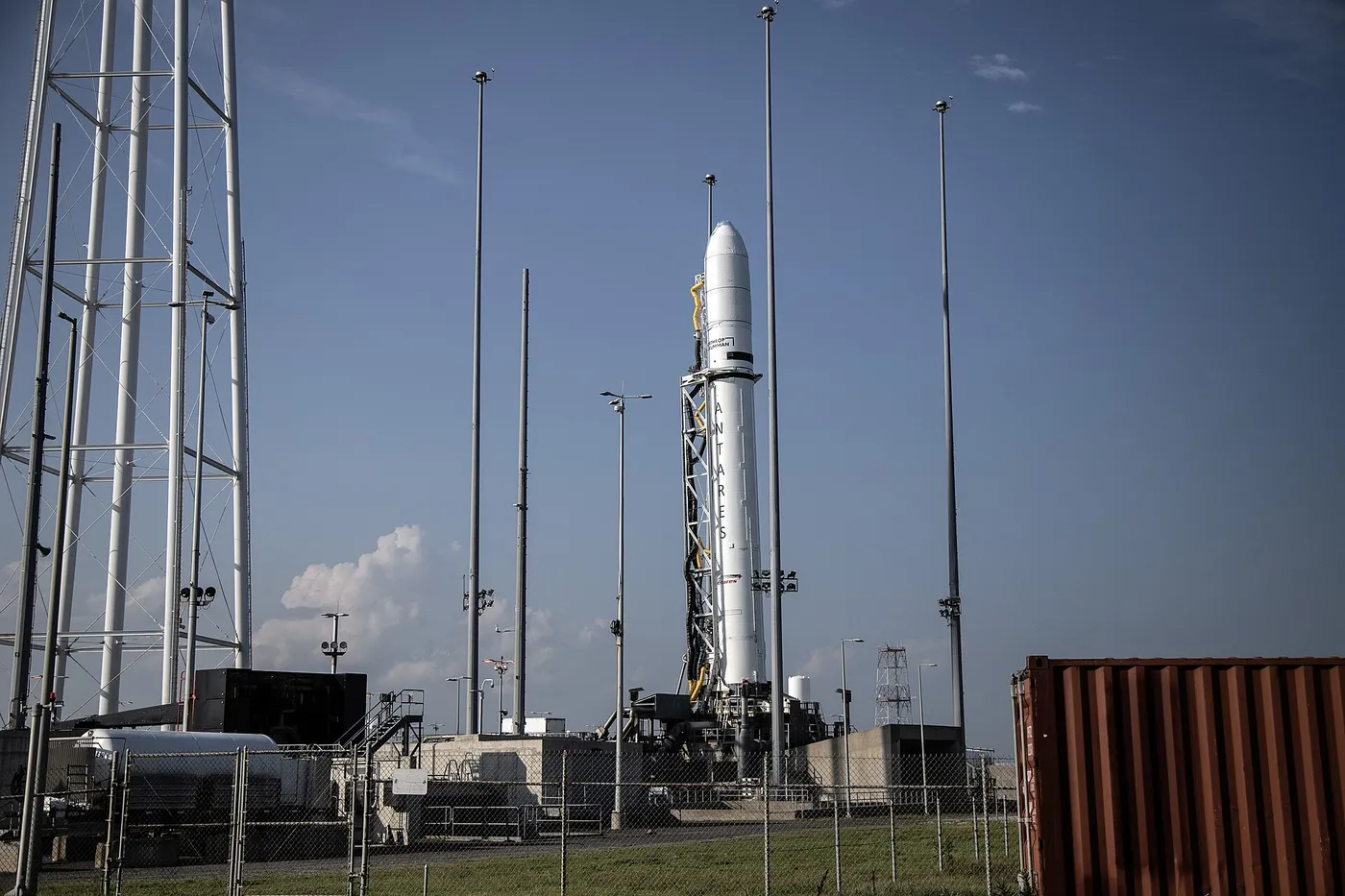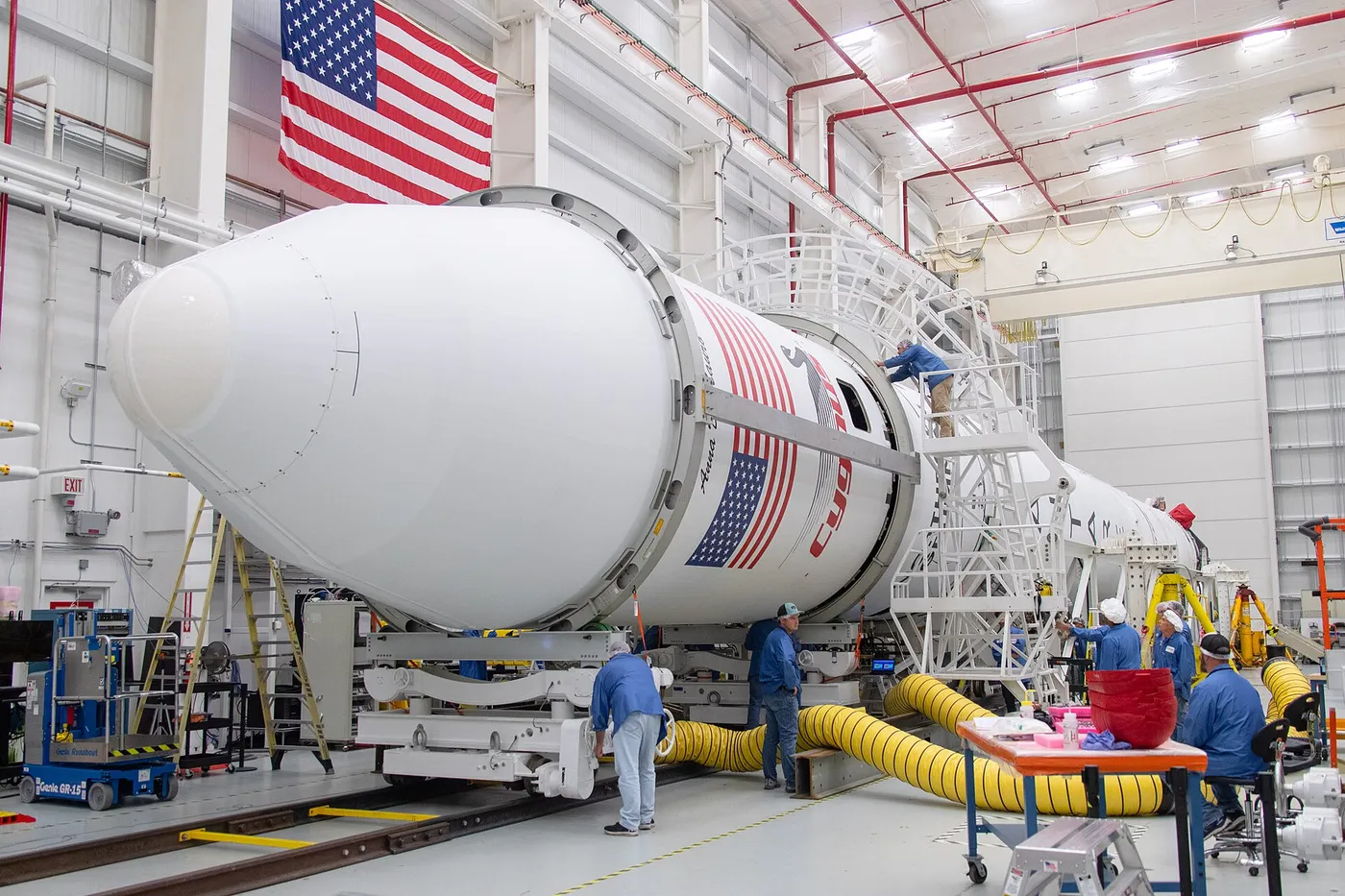
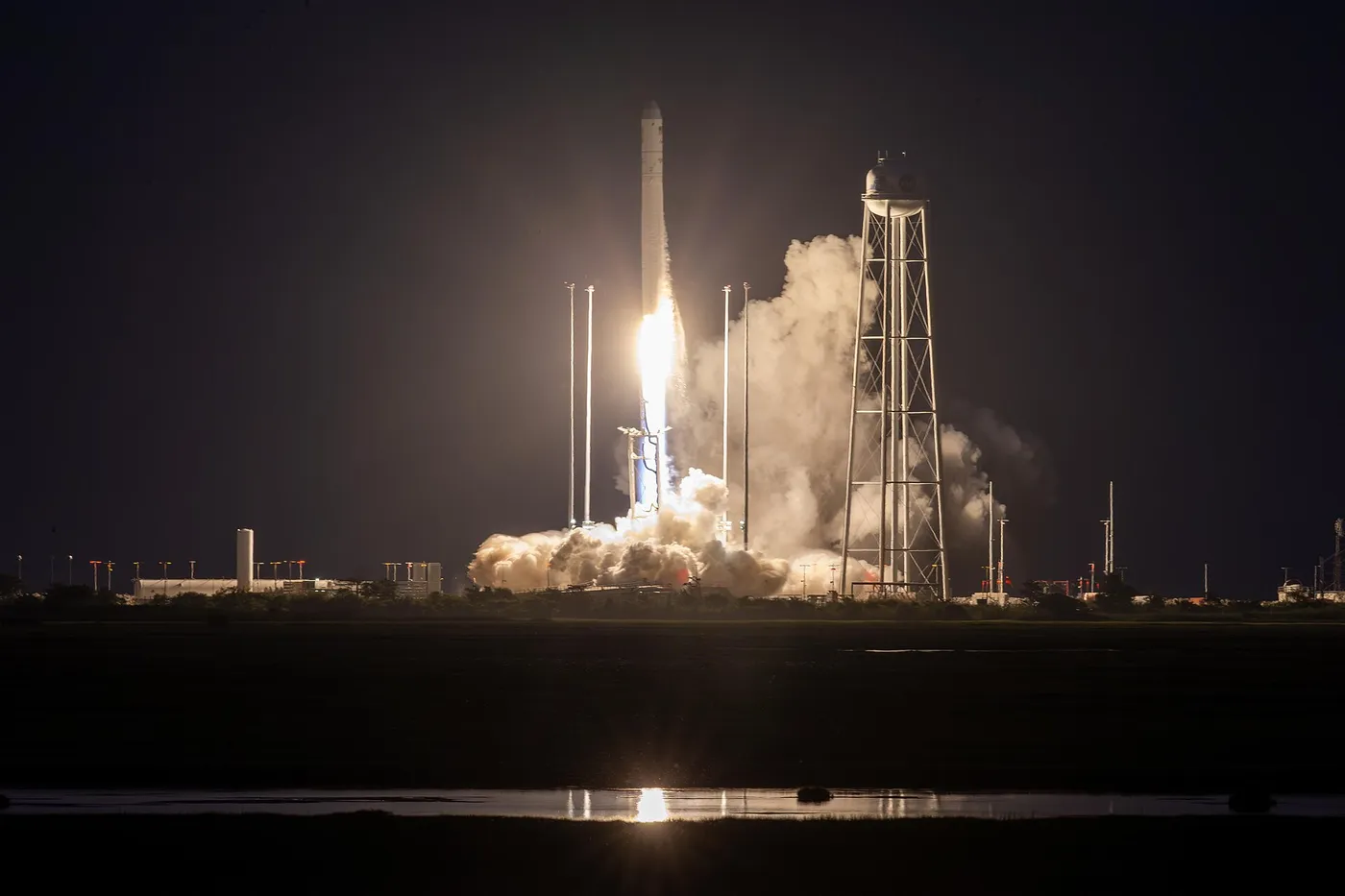

NG-19 was the last Cygnus launched on an Antares. The rocket's first stage was built in Ukraine and its engines in Russia, and the war made both supply chains impossible — leaving the company with no launch vehicle of its own once the remaining hardware was used.
The mission delivered around 3,700 kilograms including biological experiments, hardware for the station's life support, and a demonstration of manufacturing semiconductor materials in microgravity.
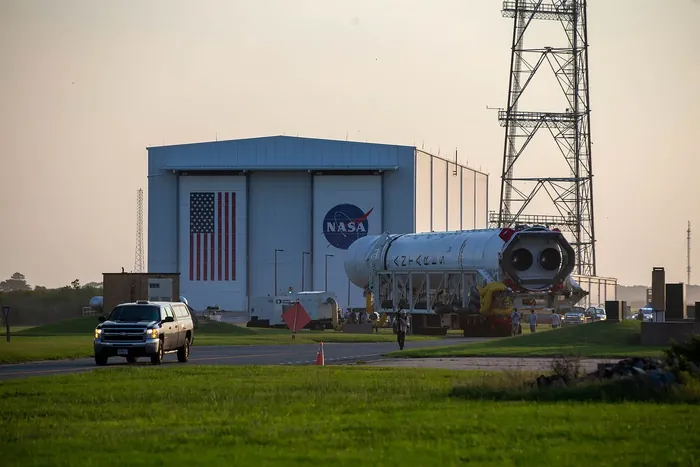
The spacecraft was named for Laurel Clark, a physician and one of the seven astronauts lost aboard Columbia.
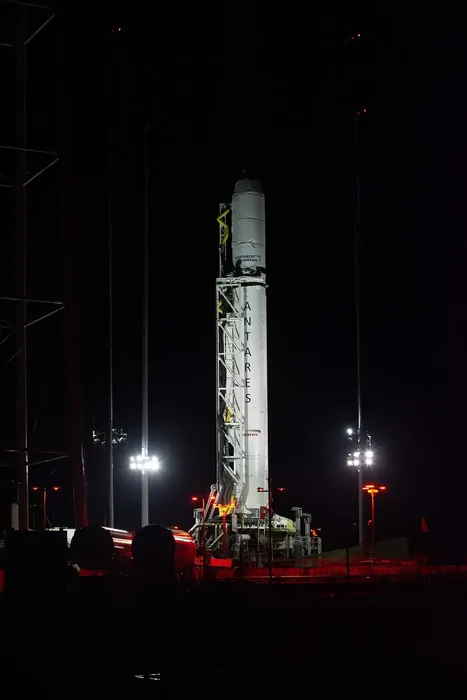
The company had already contracted to launch subsequent Cygnus missions on Falcon 9 rockets — its principal competitor's vehicle — while developing a new Antares with American-built engines. Buying launches from a rival to honour a NASA contract was an awkward but pragmatic outcome.
The episode illustrated how deeply the commercial launch industry had depended on Russian and Ukrainian propulsion, and how quickly that arrangement became untenable.