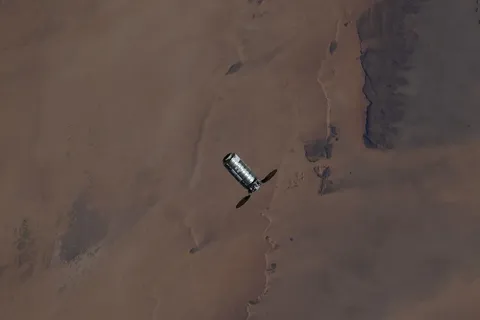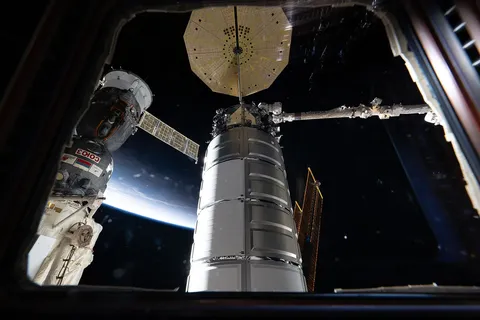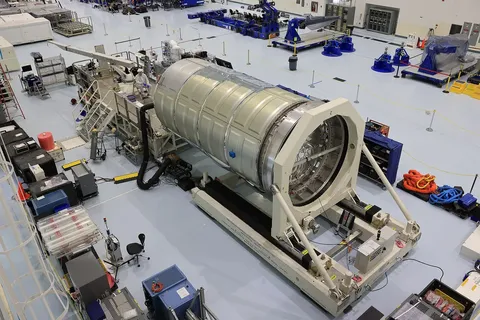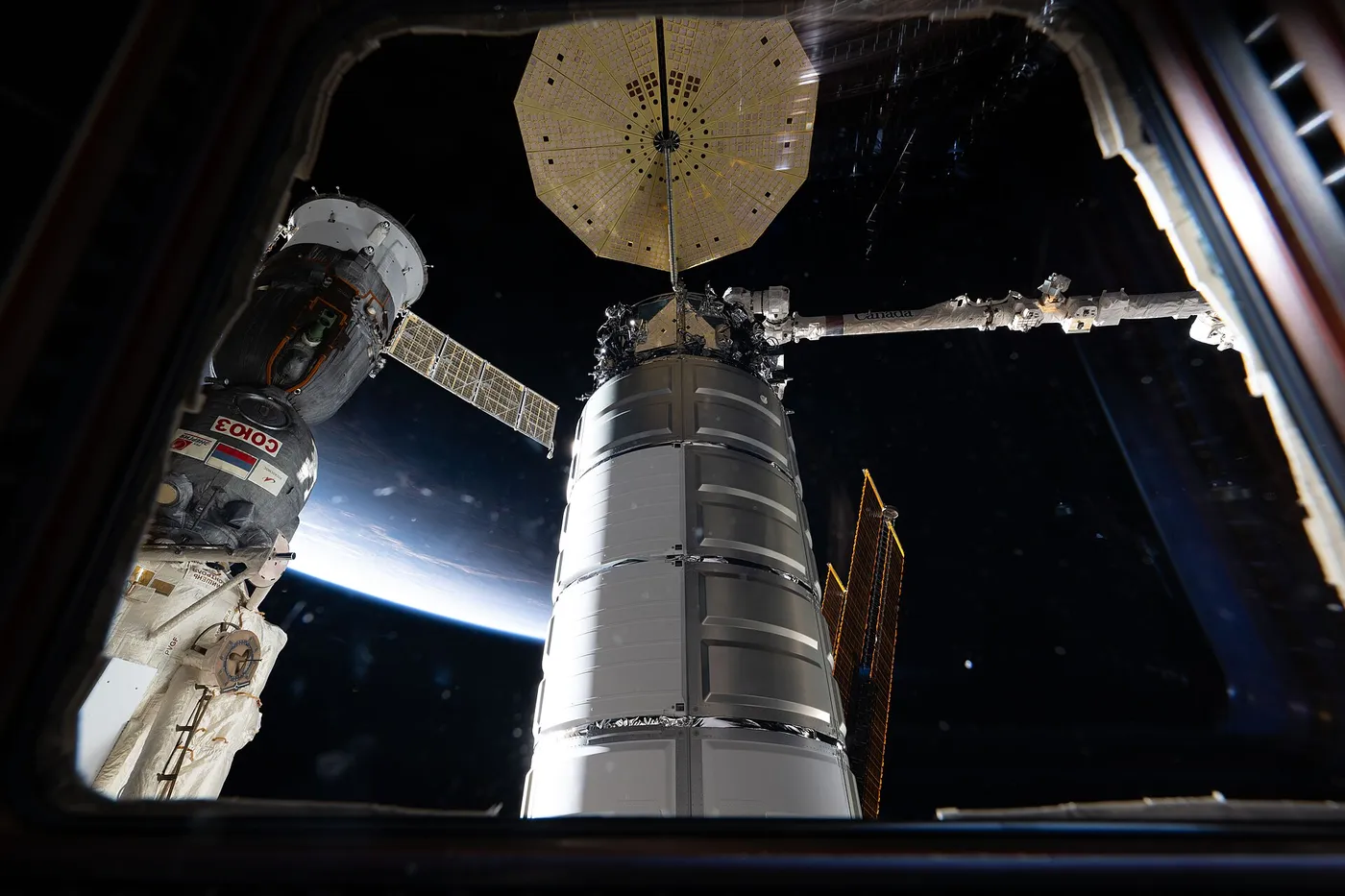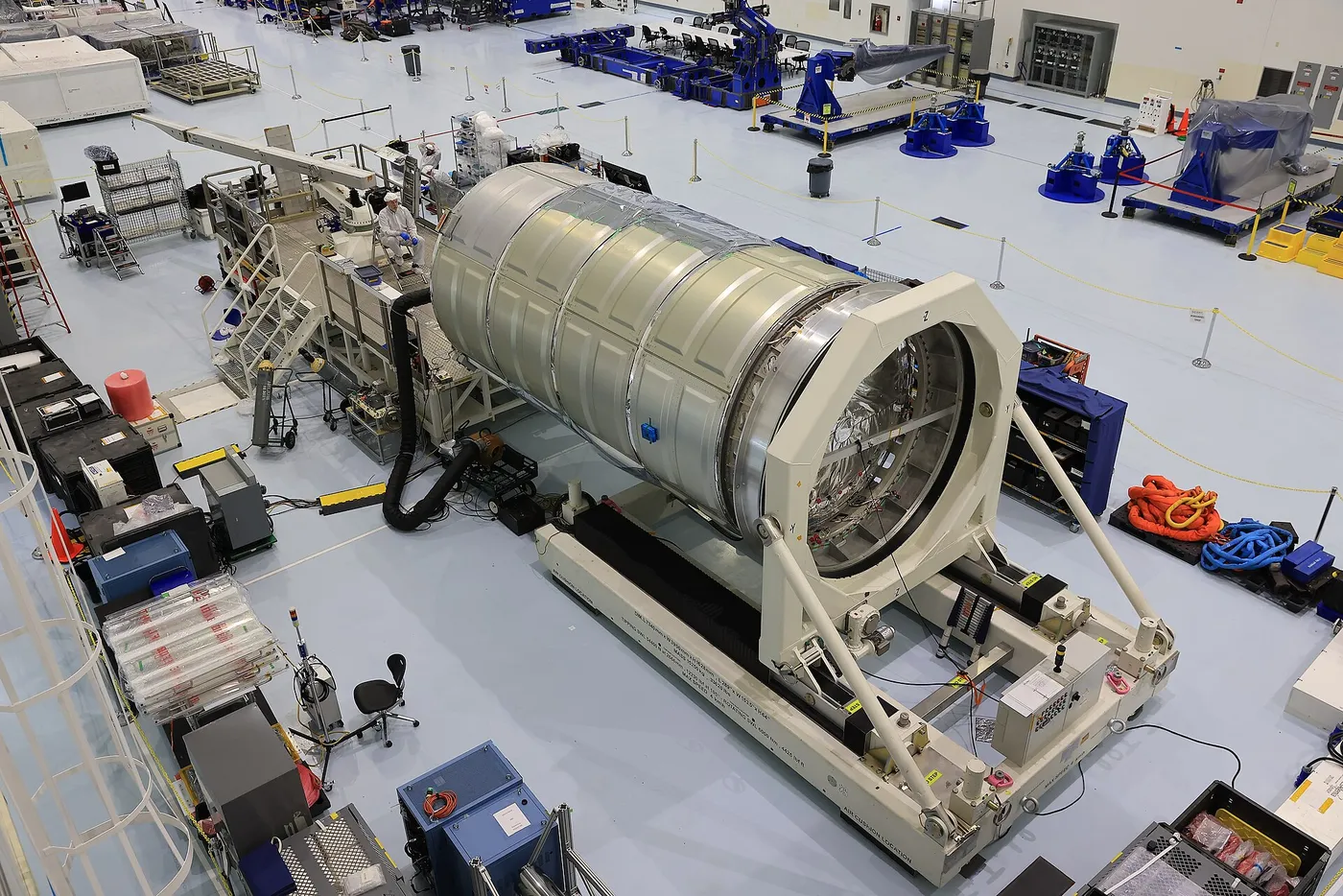
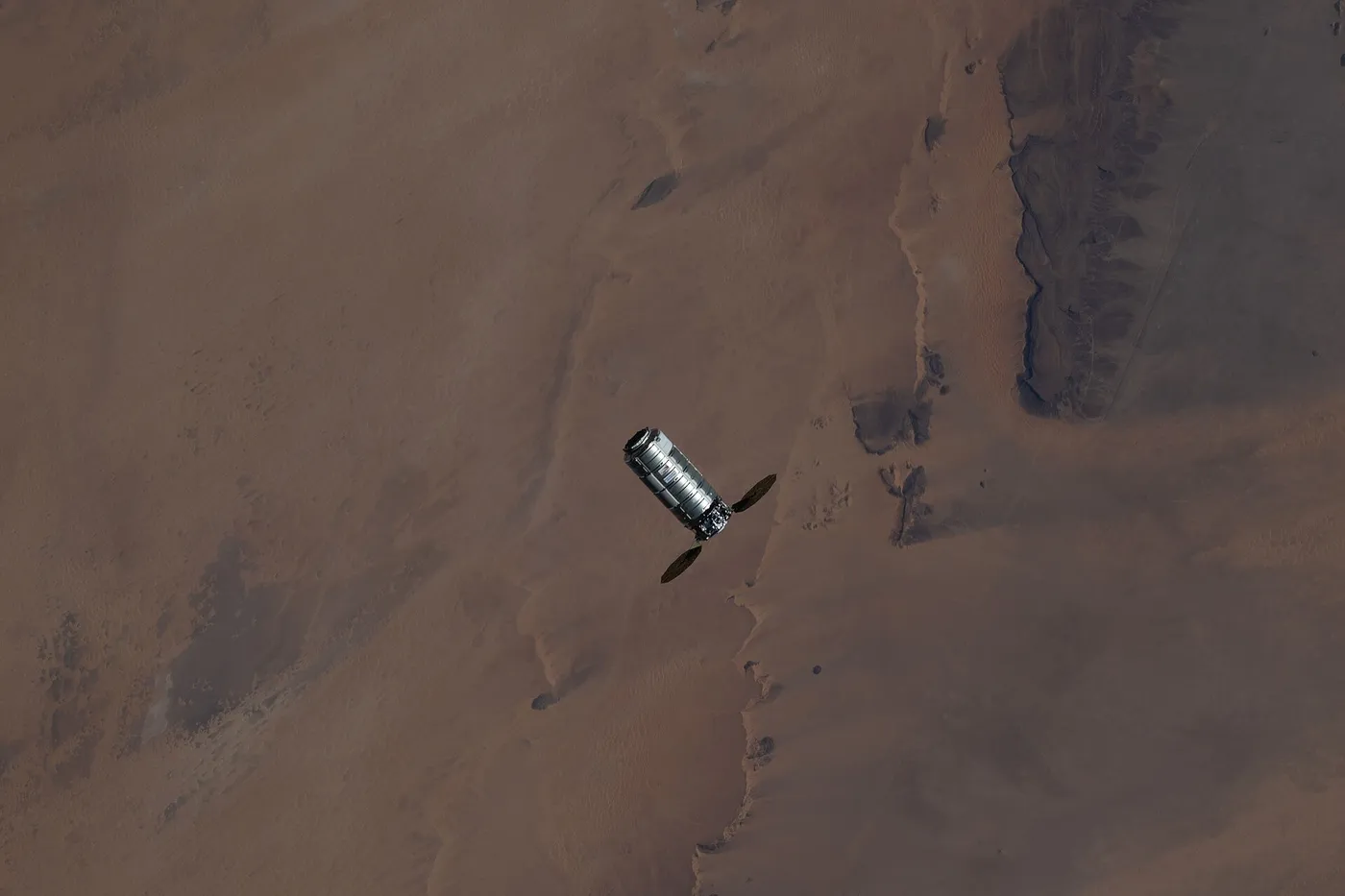
NG-17 performed the first full demonstration of a Cygnus reboosting the station. Firing its main engine while berthed, it raised the outpost's orbit — a routine but essential function, since atmospheric drag lowers the station continuously and it must be pushed back up several times a year.
Until then that had been done almost entirely by Russian vehicles, which gave one partner a degree of operational leverage that had become uncomfortable following the invasion of Ukraine weeks before this launch.
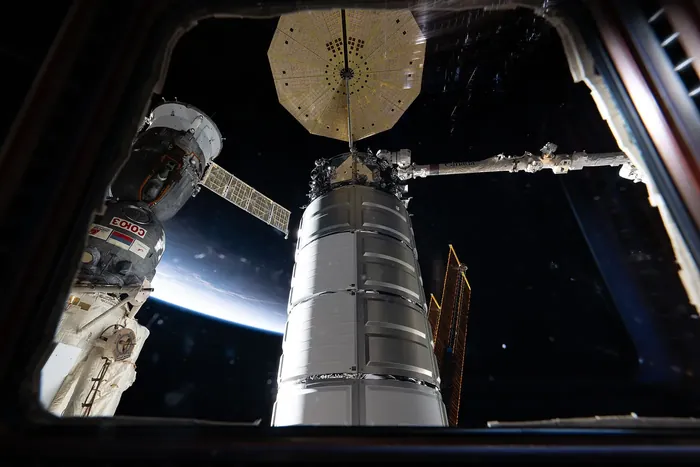
The demonstration therefore had a significance beyond its engineering. Establishing an independent American means of maintaining the station's altitude removed a dependency at precisely the moment it mattered, and subsequent flights have performed reboosts routinely.
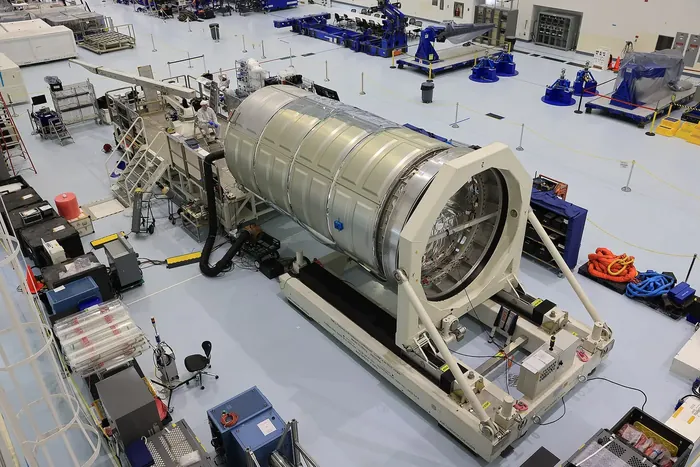
The delivery was around 3,700 kilograms including experiments on concrete, fire safety and plant growth, and a facility for producing optical fibre.
The spacecraft was named for Piers Sellers, the British-born astronaut and climate scientist who spent his final years, after a terminal diagnosis, writing and speaking publicly about climate change.