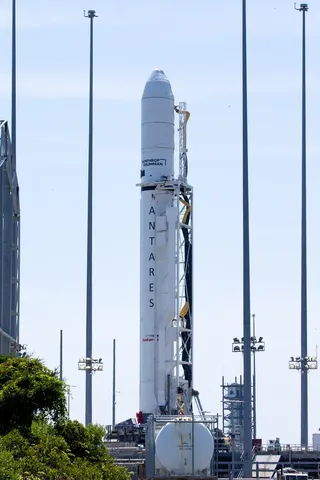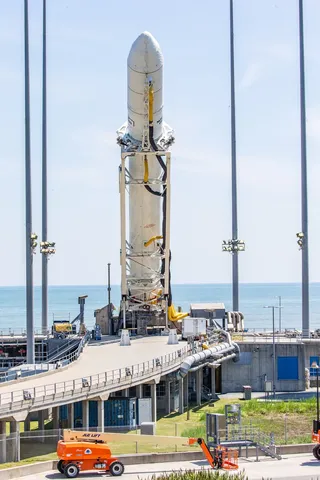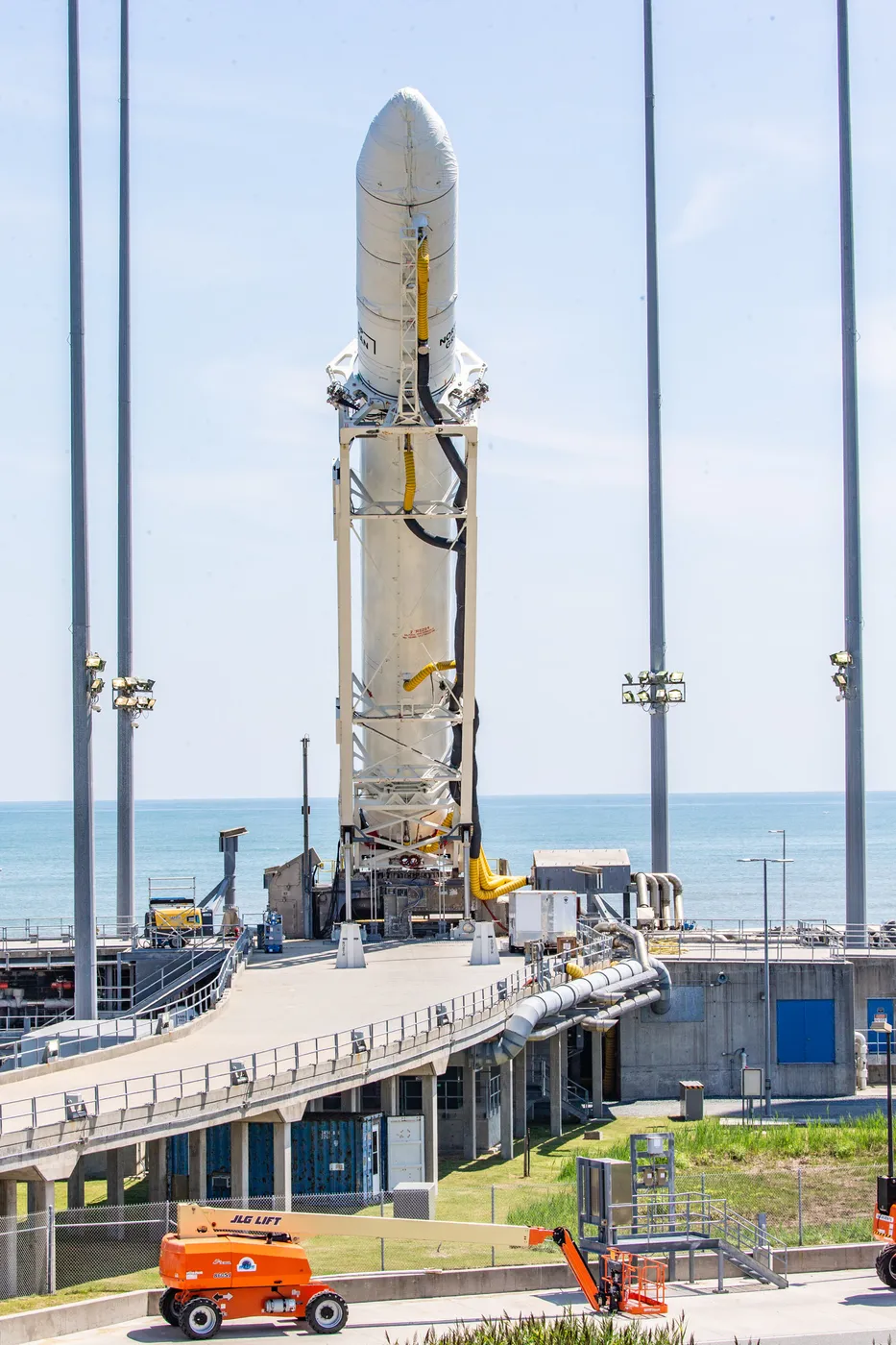
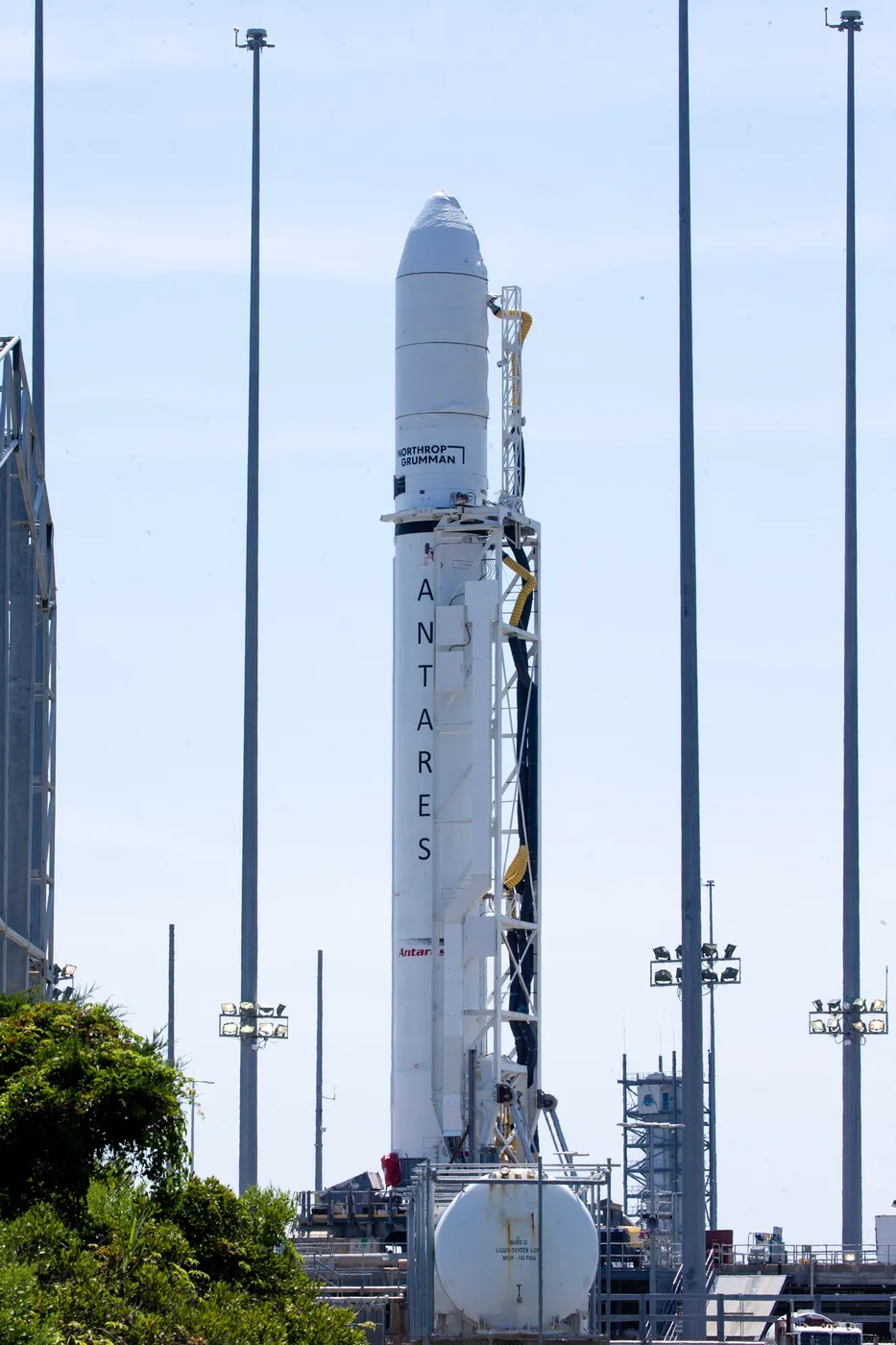

One of NG-16's two solar arrays failed to deploy after launch. The circular fan-shaped panel remained partly folded, leaving the spacecraft on reduced power, and the team spent a day analysing whether the mission could safely continue.
It could. The remaining array produced enough power for the approach, and the spacecraft was berthed a day later than planned, delivering around 3,700 kilograms without further difficulty.
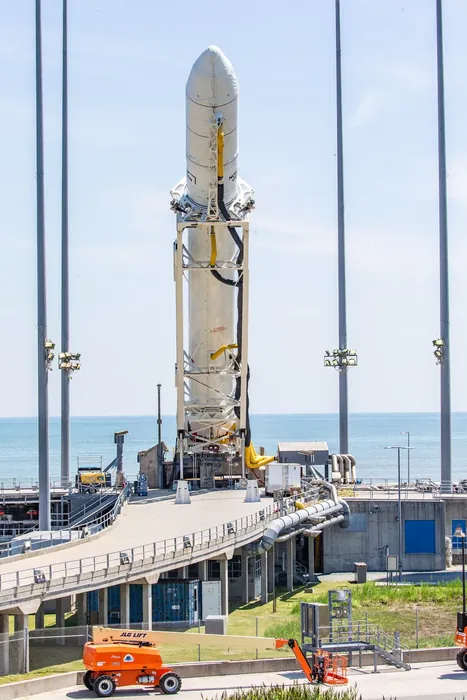
The cargo included an experiment on growing plants without soil, a study of how microgravity affects the ageing of the immune system, and hardware for a commercial demonstration of producing pharmaceutical crystals.
The spacecraft was named for Ellison Onizuka, the first Asian-American in space, killed aboard Challenger.
The array fault recurred on a later flight, and was traced to the deployment mechanism rather than to any single defect. That the vehicle could complete its mission on half its intended power was a reasonable advertisement for its design margins.